

Silver Plated Decanter
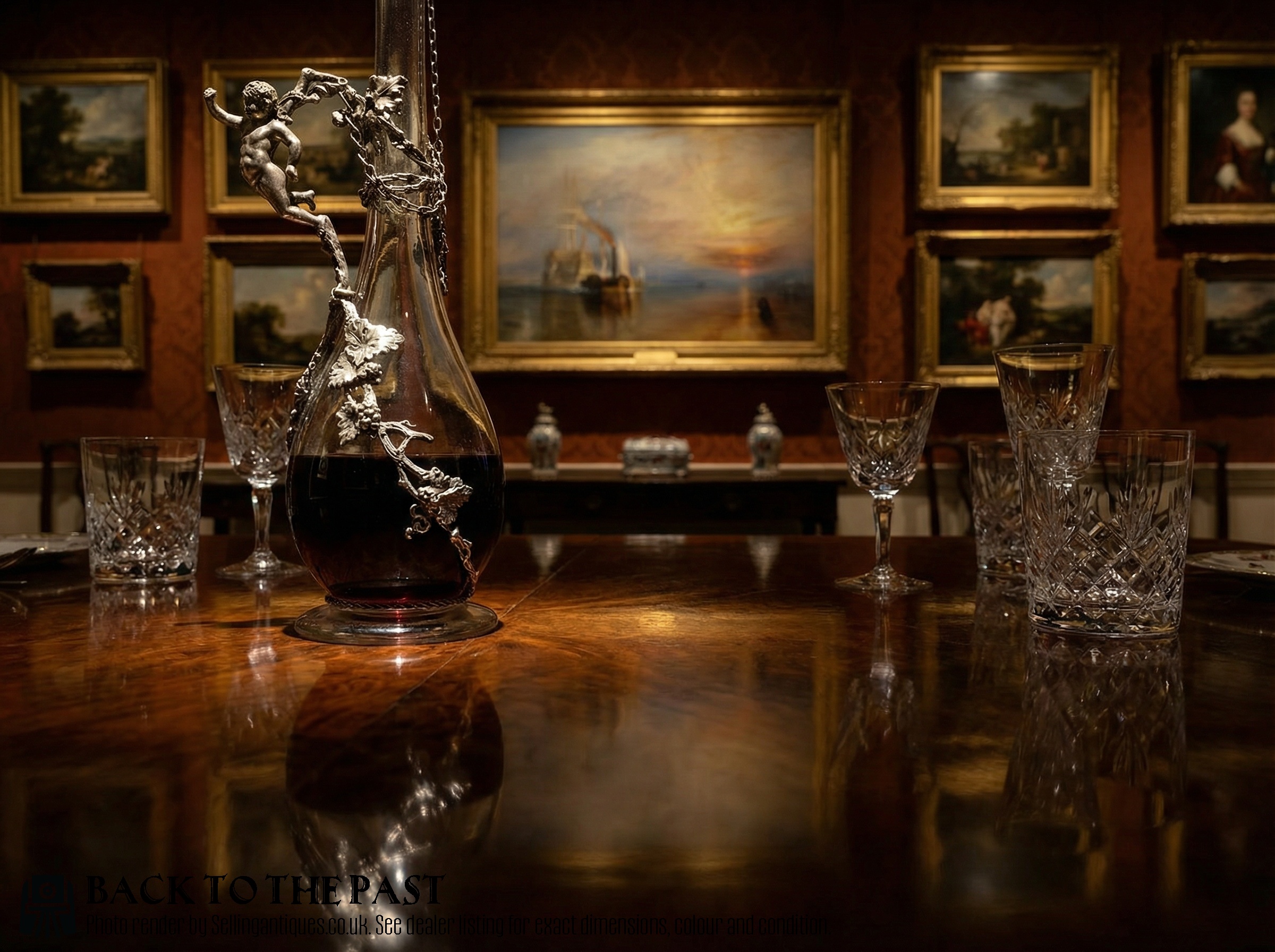
A silver plated decanter brings heavy glass and gleaming metal together on the dining table, offering both secure containment and distinct period charm.
Silver Plated Decanter
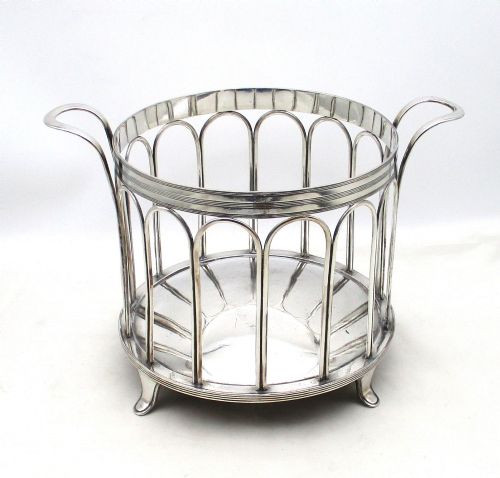
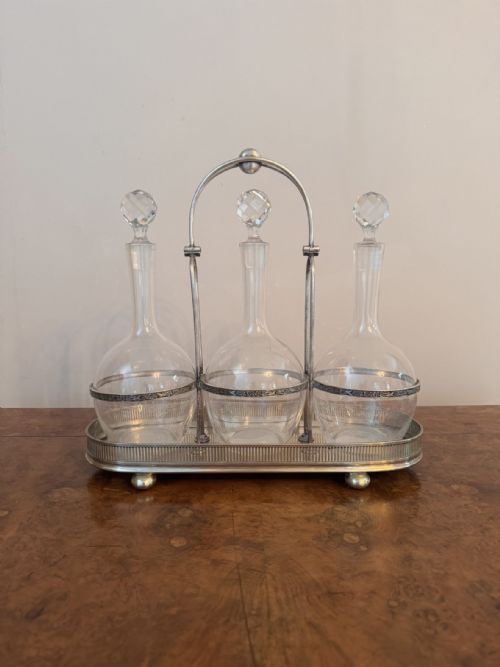
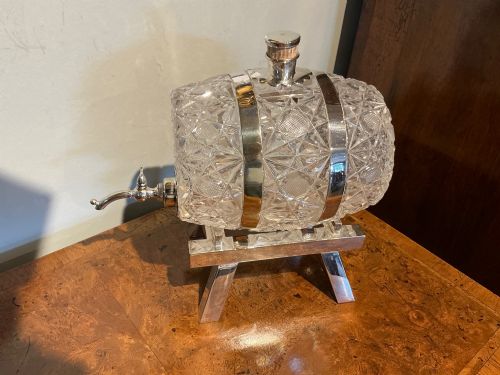
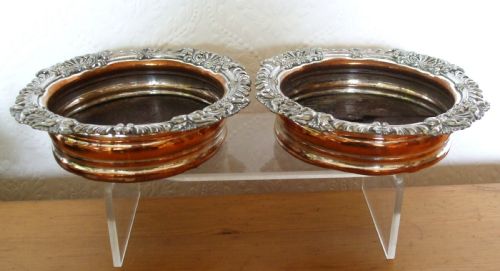
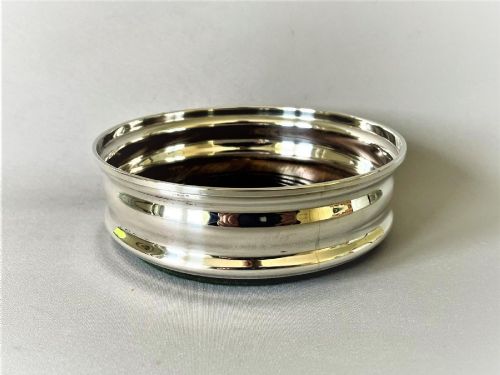
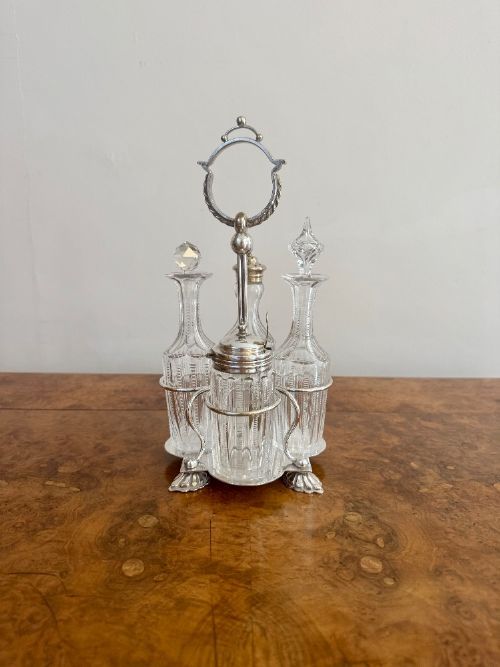
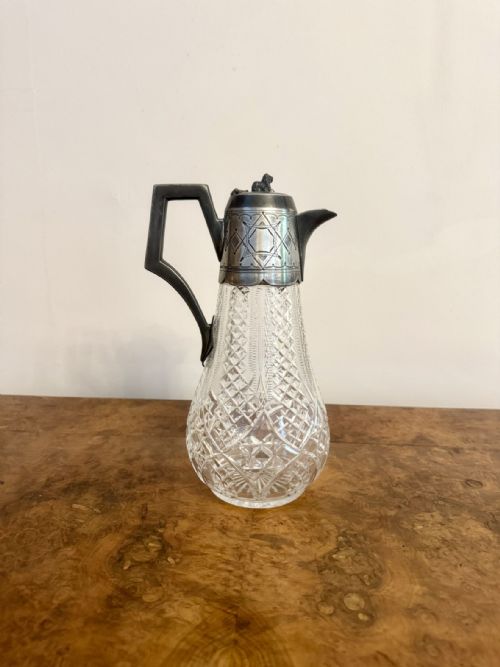
A silver plated decanter combines utilitarian glass vessels with decorative metal mountings, incorporating related forms such as claret jugs, wine coasters, spirit barrels, and locking tantalus frames. These pieces originate primarily from the Victorian and Edwardian eras, alongside earlier Old Sheffield Plate examples dating back to the late Georgian period.
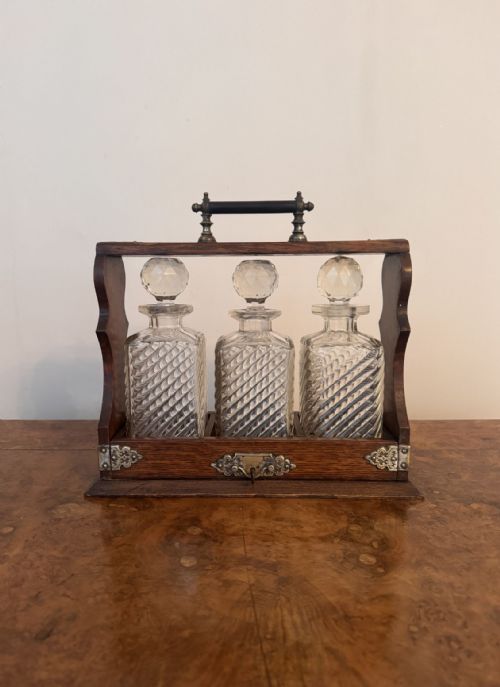
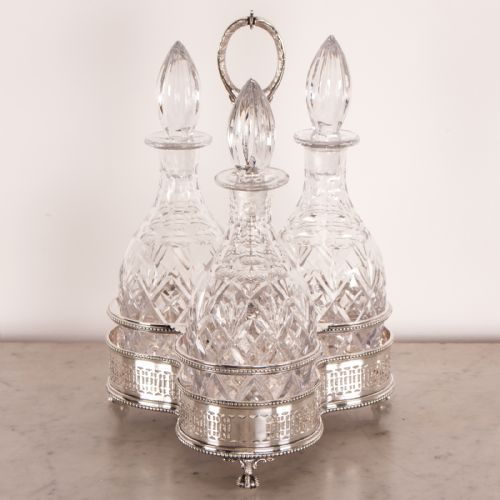
The objects on this page range from single cut-glass wine jugs with hinged mounts to multi-bottle stands fitted with crystal decanters, silver plated frames, and carrying handles. Buyers will encounter both simple table coasters and elaborate novelty designs incorporating coloured glass, oak frames, and fitted spirit sets.
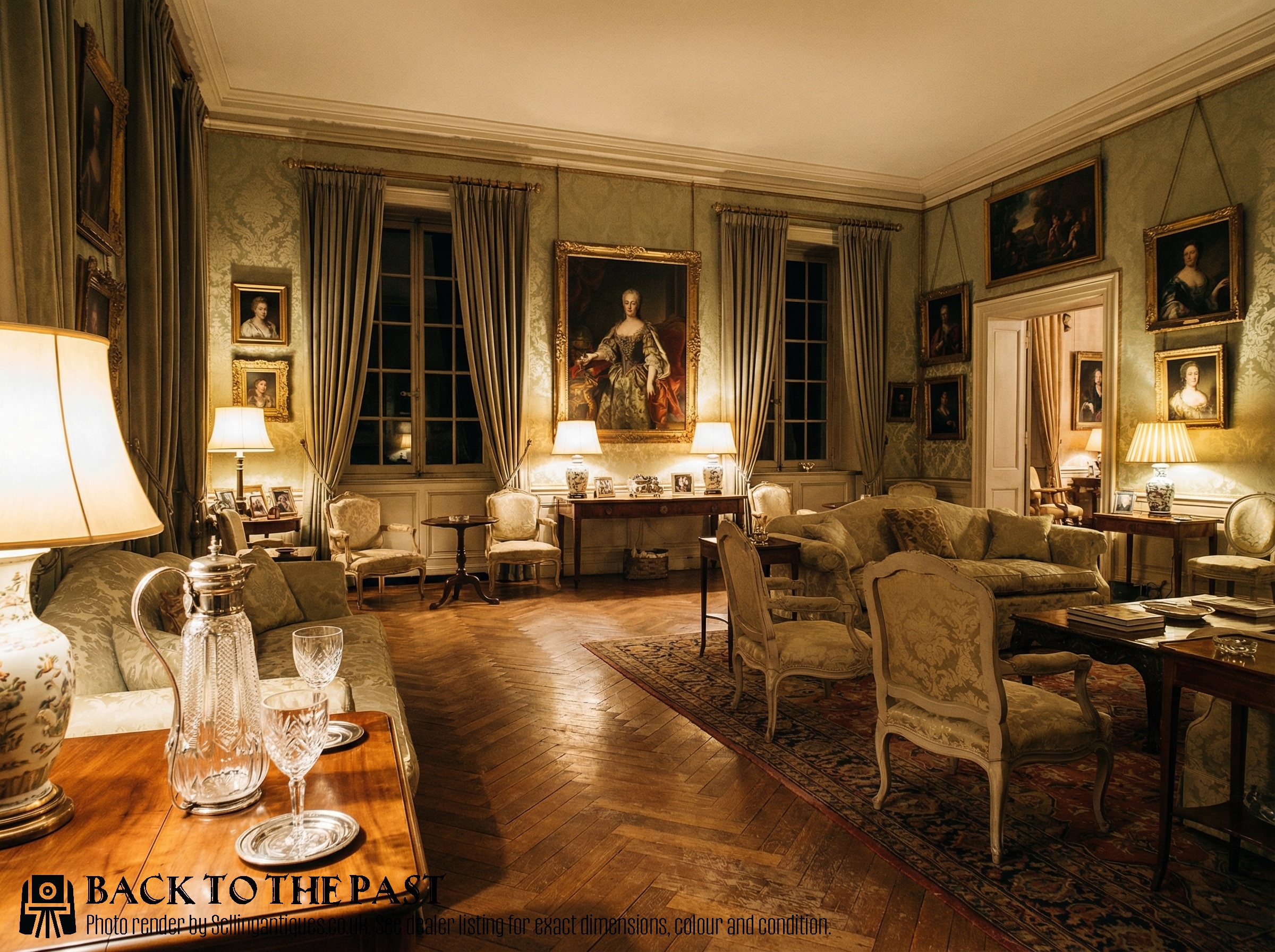
Materials and construction
Makers fused thin sheets of silver onto copper bases for early Old Sheffield Plate pieces, or applied electroplated silver over white metal alloys for later Victorian and Edwardian items. This metallic skin secures glass vessels via collars, handles, hinged lids, and protective rims.
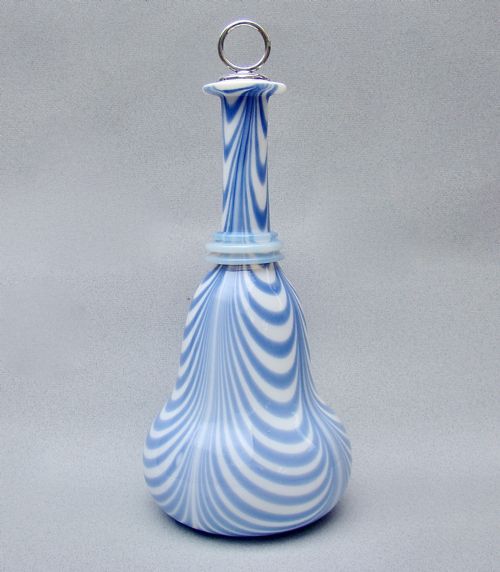
Vessels are formed from heavy lead crystal, cut glass, or moulded glass in various tones including cranberry, green, and amber, often finished with engraved foliage or faceted patterns. Frames incorporate supporting elements of oak, mahogany, and copper to house multiple bottles securely.
Silver Plated Decanter Retail Price Guide 2026
Typical asking prices for silver plated decanter among the pieces listed under this phrase on Sellingantiques today, from the lower quarter to the upper quarter. They describe what is for sale here now, not the wider market.
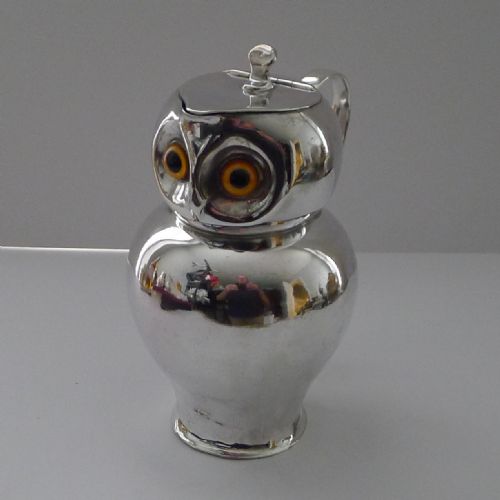
Some Victorian spirit containers took the form of hooting owls with glass eyes and removable heads.
Factors determining quality
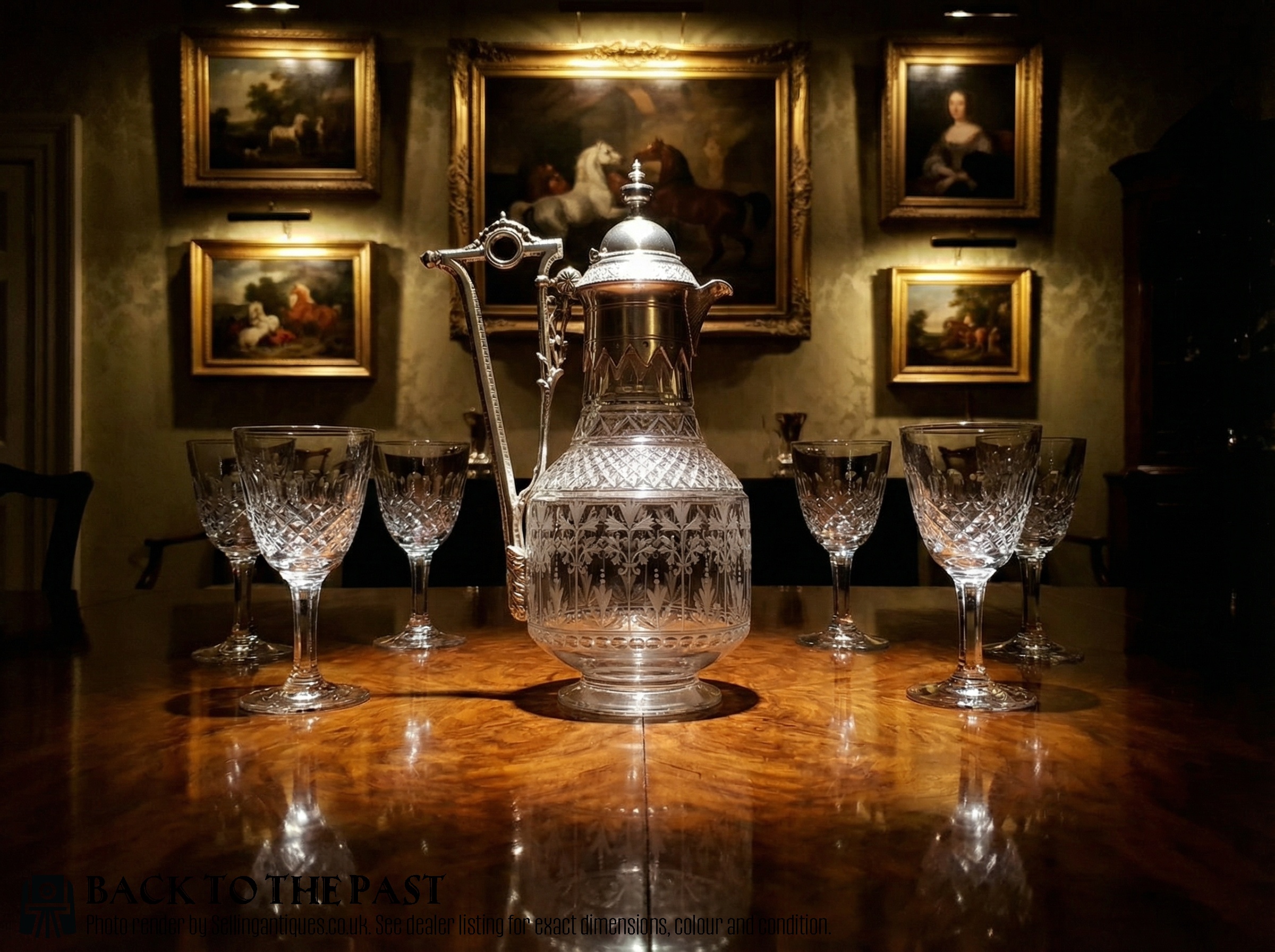
The distinction between standard items and superior examples lies in the depth and clarity of the glass cutting, the weight of the metal mountings, and the crispness of chased or engraved detailing. Heavier gauge silver plating and substantial crystal bodies indicate superior craftsmanship.
Makers who employed skilled glassblowers and reputable silversmith workshops produced fitted stands and locking mechanisms with tighter tolerances, balanced proportions, and integrated maker marks that elevate the piece.
Walker & Hall·Mappin & Webb·Brook & Son·Martin Hall & Co·John Grinsell & Son·Henry Wilkinson & Co
The Silver Plated Decanter Glossary
- Old Sheffield Plate
- A fused composite material made by heating a sheet of silver to a copper ingot before rolling them together. This technique precedes nineteenth-century electroplating methods.
- Tantalus
- A locked wooden or metal framework holding decanters securely to prevent unauthorised access to spirits. The locking bar must be removed to lift the bottles free.
- Claret jug
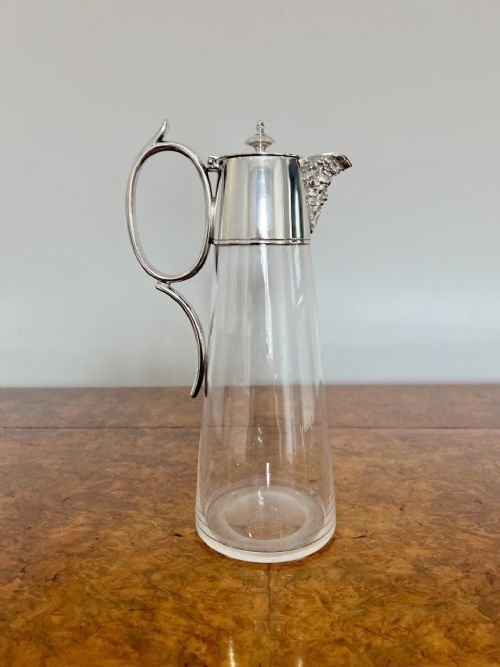
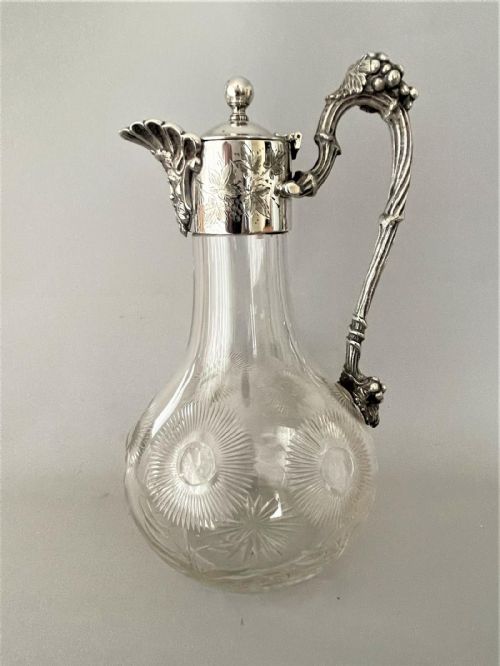
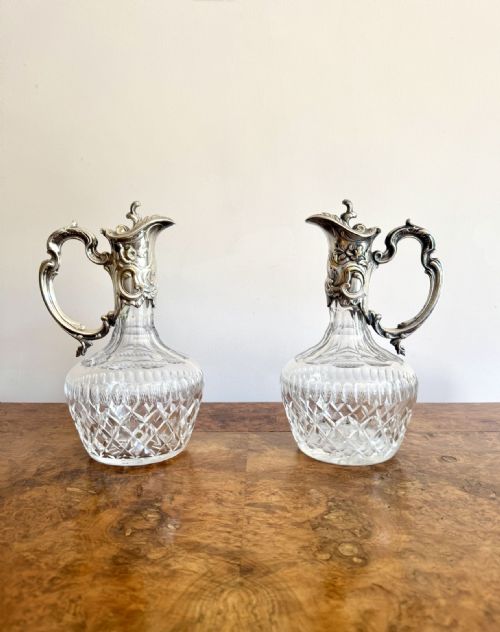
- A pouring vessel designed specifically for red wine, featuring a glass body fitted with a hinged silver plated handle, collar, and spout. They frequently appear in Victorian table settings.
- Wine coaster
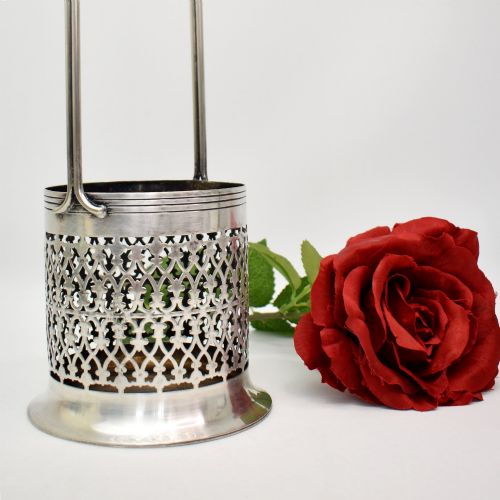
- A small circular tray with a raised gallery, often lined with wood or felt, used to slide wine bottles across the table while protecting polished surfaces. Pairs and sets were common.
- Cruet set
- A matched collection of glass bottles or jars fitted with silver plated tops, held within a dedicated frame for condiments, oils, or liqueurs.
Silver Plated Decanter: Frequently Asked Questions
How do I clean the glass?
Wash glass bodies gently in warm water using mild soap, avoiding harsh abrasives that might scratch the surface. Ensure any attached silver plated mounts remain dry to protect the metal finish.
Allow the decanter to dry completely upside down on a cloth before storing it with the stopper slightly ajar to maintain freshness inside.
Are these pieces safe for daily use?
Most antique glass and silver plated items remain suitable for serving wine and spirits during modern meals. Check that the glass is free from interior residue and that mountings are secure before filling.
Hand washing is essential for preserving both the delicate glass and the underlying silver plate against modern dishwashing detergents.
What is a tantalus used for?
A tantalus secures spirit decanters behind a locking metal bar to restrict access to alcohol while displaying the cut glass bottles prominently. Originating in the Victorian period, it typically held two or three matching decanters.
Unlocking the frame requires a small key, which releases the top bar so the bottles can be lifted out for pouring.
How do I date my decanter?
Dating relies on stylistic markers, manufacturing techniques, and any visible maker marks stamped into the metal mounts. Old Sheffield Plate points to the Georgian era, whereas electroplated marks and heavy cut crystal usually indicate Victorian or Edwardian production.
Glass manufacturing traits, such as pontil marks on the base and the tint of the material, offer further clues to the period of origin.