

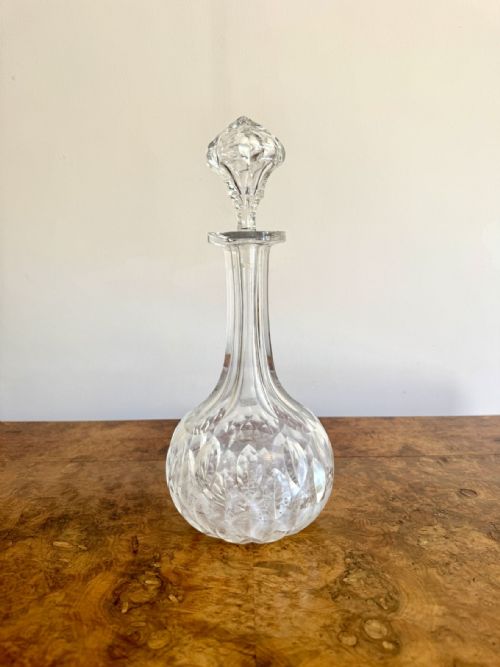
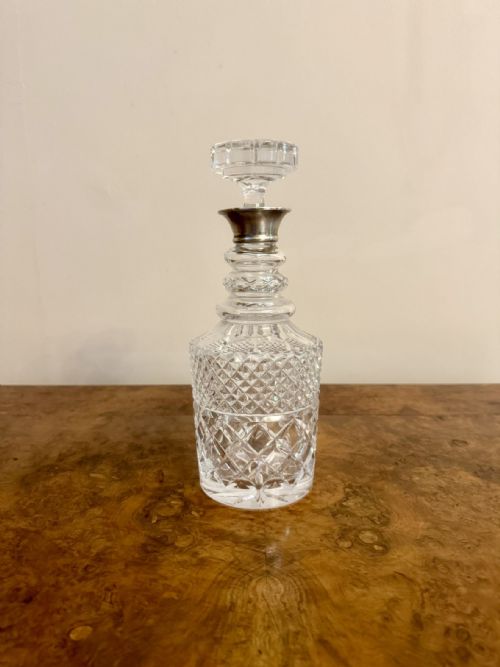
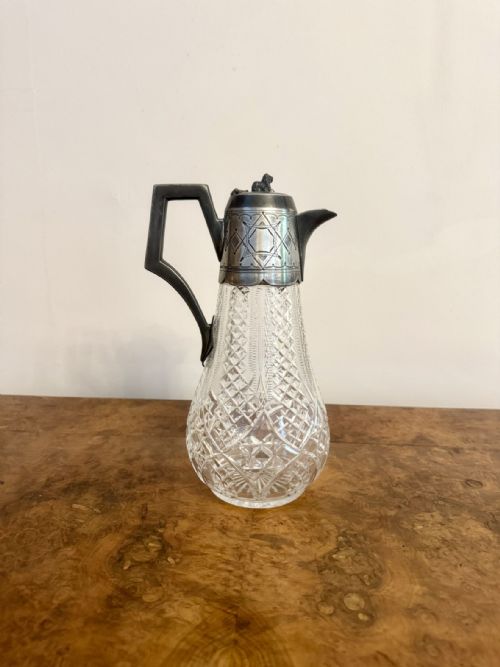
Crystal Wine Decanter
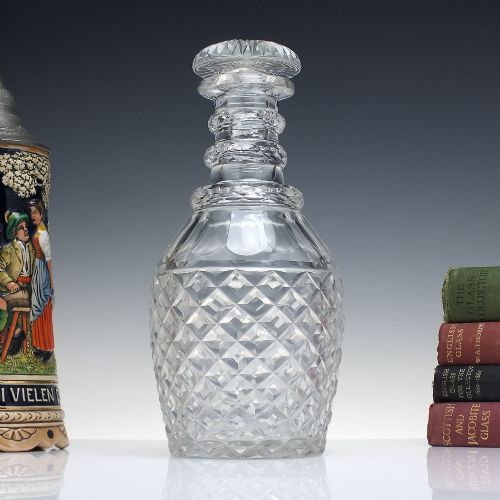
These crystal wine decanter pieces are classic Victorian and Edwardian table wares designed to hold and pour wine with elegance.
What They Are
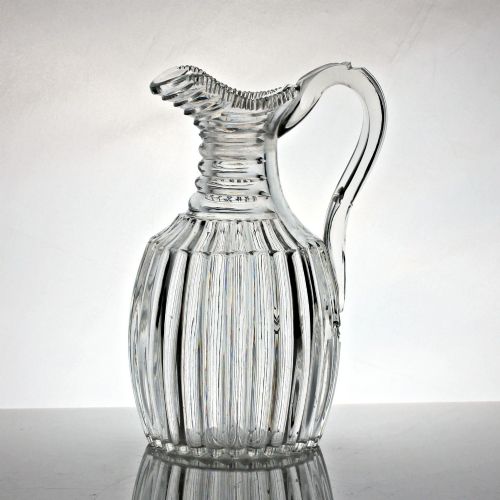
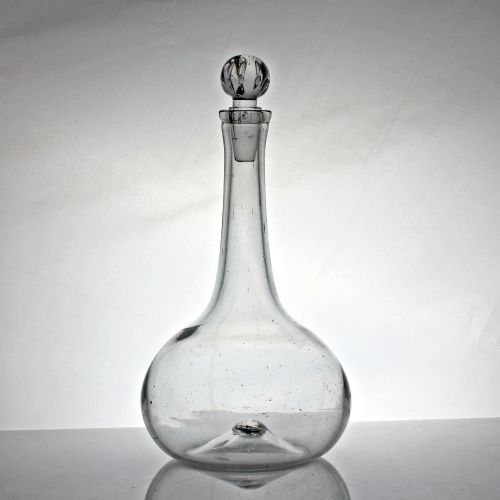
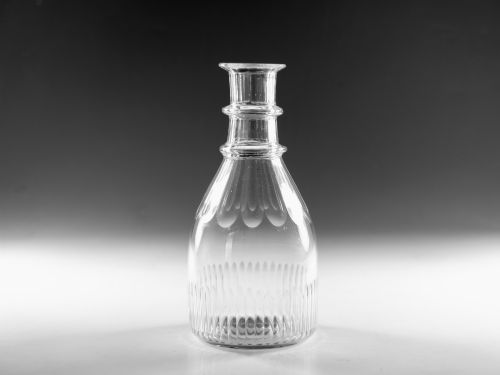
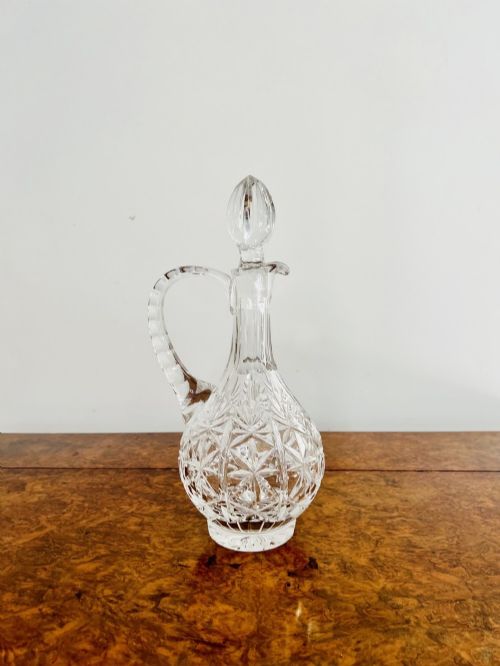
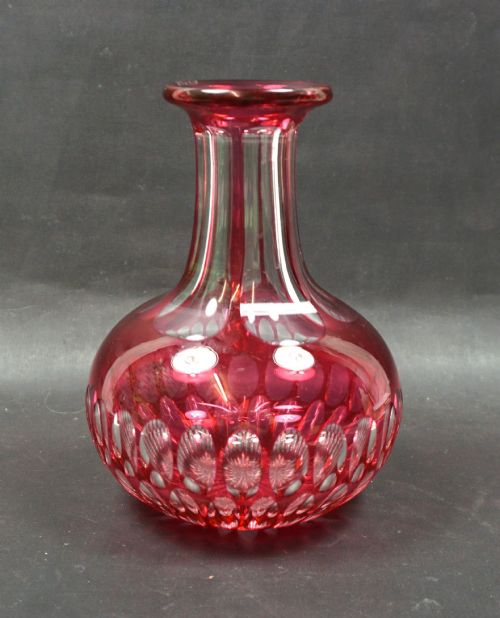
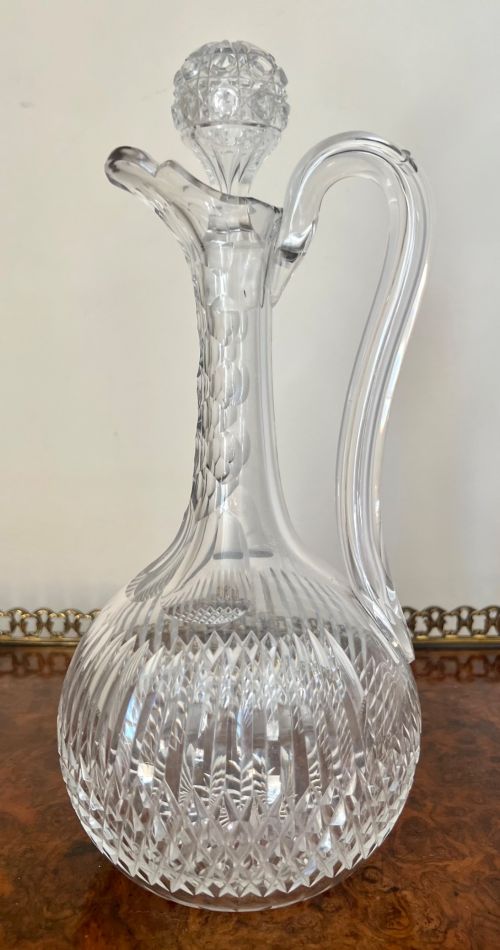
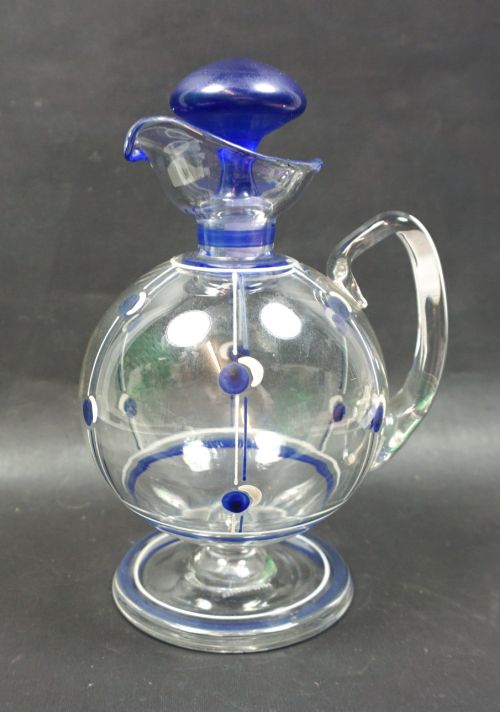
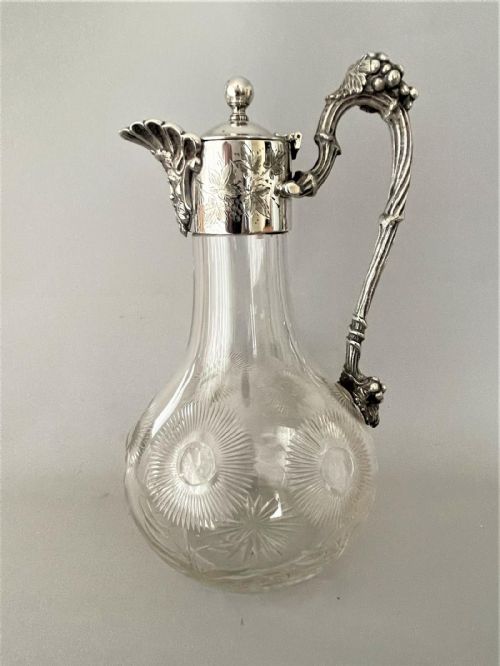
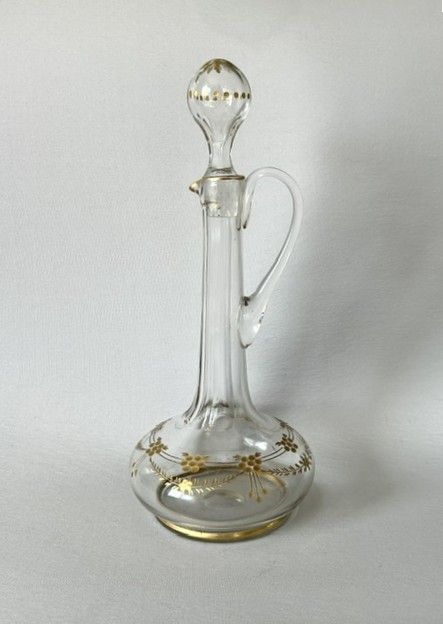
A crystal wine decanter represents the traditional vessel used to serve wine during the Victorian and Edwardian eras. These pieces appear as single bottles, pairs, ewers, and claret jugs.
The selections on this page span from eighteen seventy through to nineteen ten, capturing the transition from the late Victorian period into the Edwardian age.
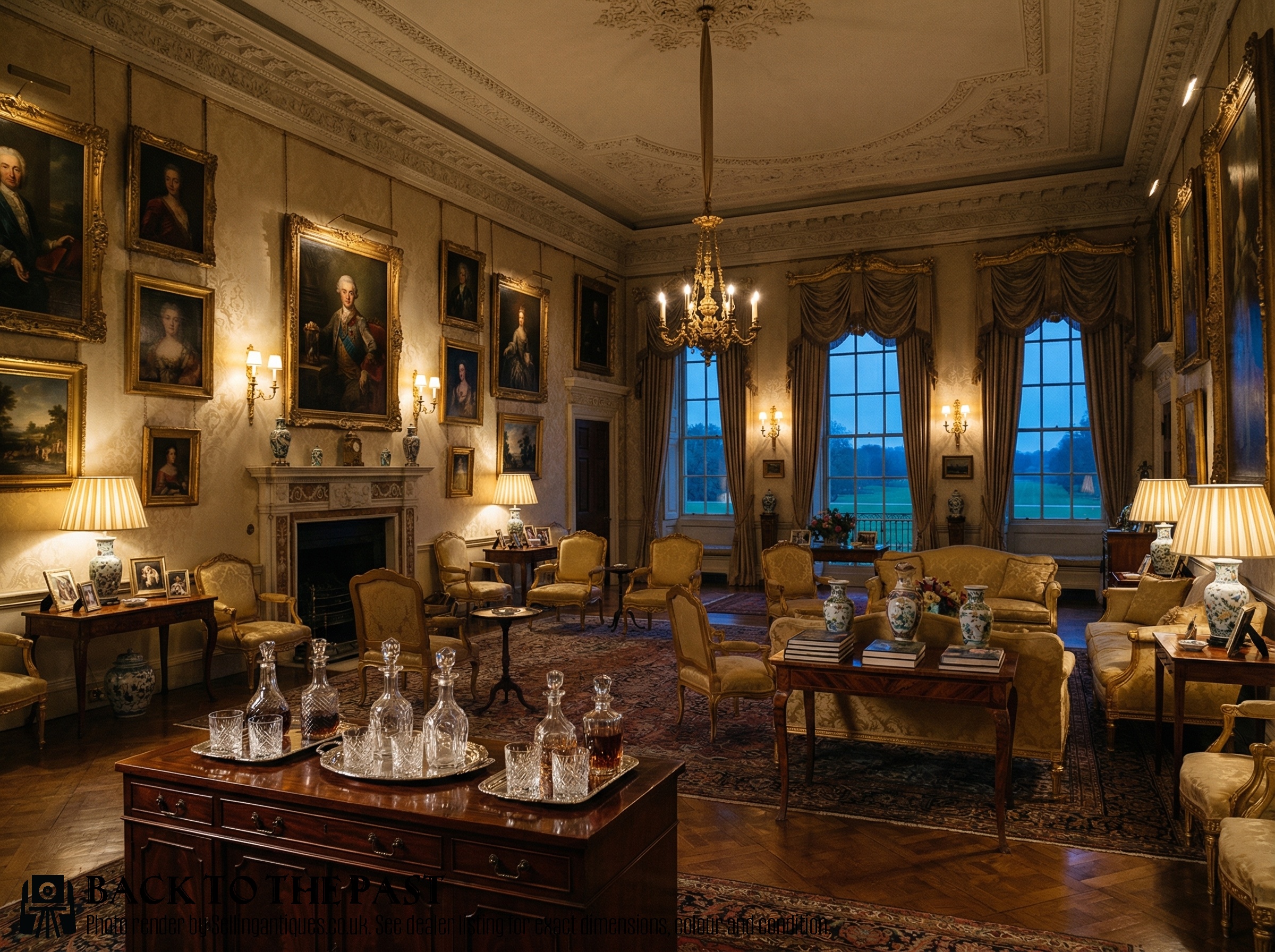
How They Were Made
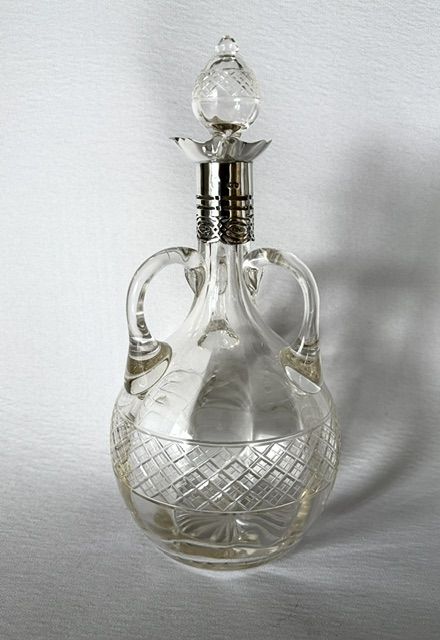
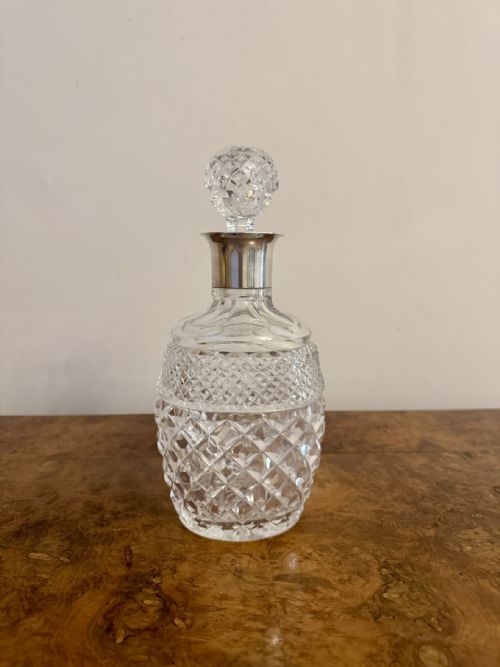
Maker construction relies on heavy lead crystal and cut glass, shaped by hand to catch the light on dining tables. Artisans employed deep cutting techniques to carve geometric and floral facets into the glass bodies.
Mounts and hardware incorporate sterling silver and silver plate fitted securely around the necks and lips of the vessels. These metal additions provide both a decorative contrast and a sturdy pouring handle or collar.
Retail Price Guide 2026
Typical UK retail prices for crystal wine decanter, calculated from the Sellingantiques database of over a million retail prices indexed since 2003. This retail price guide relies exclusively on Sellingantiques data; no external sources or auction records are used, so the figures do not describe the wider market.
Some decanters arrive as pairs, doubling the chance that one might survive a particularly lively Victorian dinner party.
What Varies in Quality
Quality rests upon the depth and precision of the glass cutting, where sharper facets and heavier lead crystal distinguish superior examples from simpler glass. The brilliance of the material and the clarity of the vessel define the upper tier of these items.
The quality of the metal mounts further elevates a piece, with solid sterling silver collars showing finer detail than basic silver plate. Paired sets also command attention for their symmetry and matching proportions.
Baccarat Crystal
The Crystal Wine Decanter Glossary
- Lead crystal
- Glass containing metallic lead oxide to increase weight, brilliance, and refractive index. This material allows for deeper and sharper cutting.
- Cut glass
- Glass decorated by holding it against a rotating abrasive wheel. The process creates geometric patterns and facets across the surface.
- Claret jug
- A specialised pouring vessel designed specifically for serving red wine. These pieces frequently feature silver plate or sterling silver mounts and handles.
- Ewer
- A large jug with a wide spout and a curved handle, used historically for water or wine. Victorian examples often display elaborate cut crystal bodies.
Frequently Asked Questions
What is a crystal wine decanter used for?
These vessels serve to hold and aerate wine before pouring at the dining table. They combine functional storage with decorative presentation.
Historically, they allowed hosts to bring wine from casks to the table while leaving sediment behind in the original container.
How do I tell Victorian from Edwardian pieces?
Victorian examples generally feature heavier, more ornate cutting and robust proportions. They date from eighteen seventy to eighteen ninety.
Edwardian items, spanning the early nineteen hundreds, often lean towards slightly lighter mounts and refined geometric patterns.
Are silver mounts common on these decanters?
Many pieces incorporate sterling silver or silver plate around the neck and pouring lip. These mounts reinforce the glass and provide secure handling.
Silver plated mounts were widely used alongside solid sterling silver during the late nineteenth century.
How should I clean my decanter?
Gentle washing with warm water helps preserve the interior and exterior finish. Avoid harsh abrasives that might scratch the lead crystal.
Allowing the vessel to air dry completely prevents moisture rings from forming inside the base.