
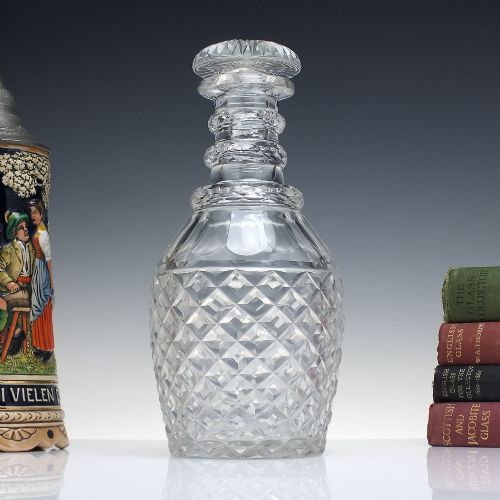
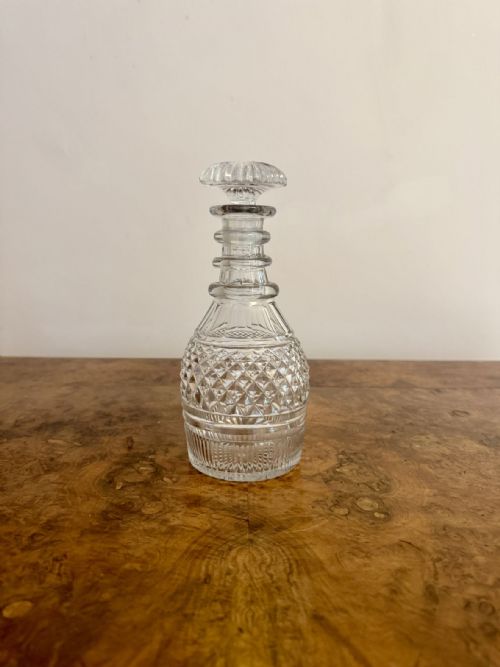
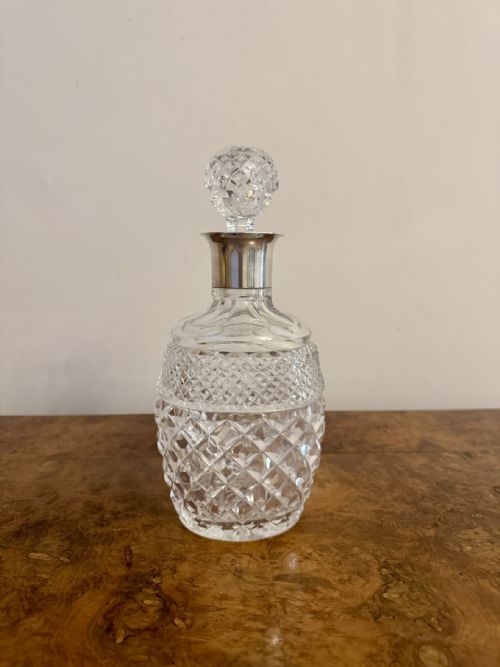
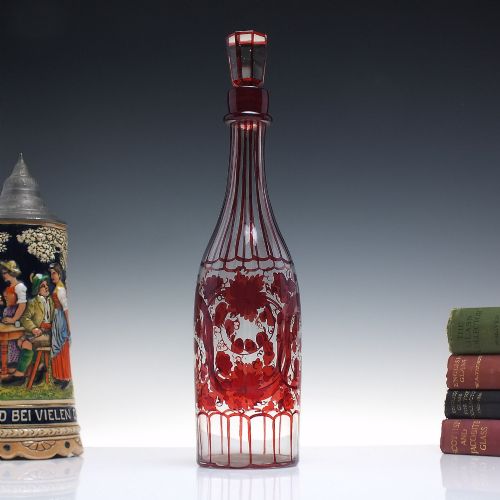
Vintage Spirit Decanter
A vintage spirit decanter holds liquor on a sideboard or tray, bringing period glass and silver into modern rooms.
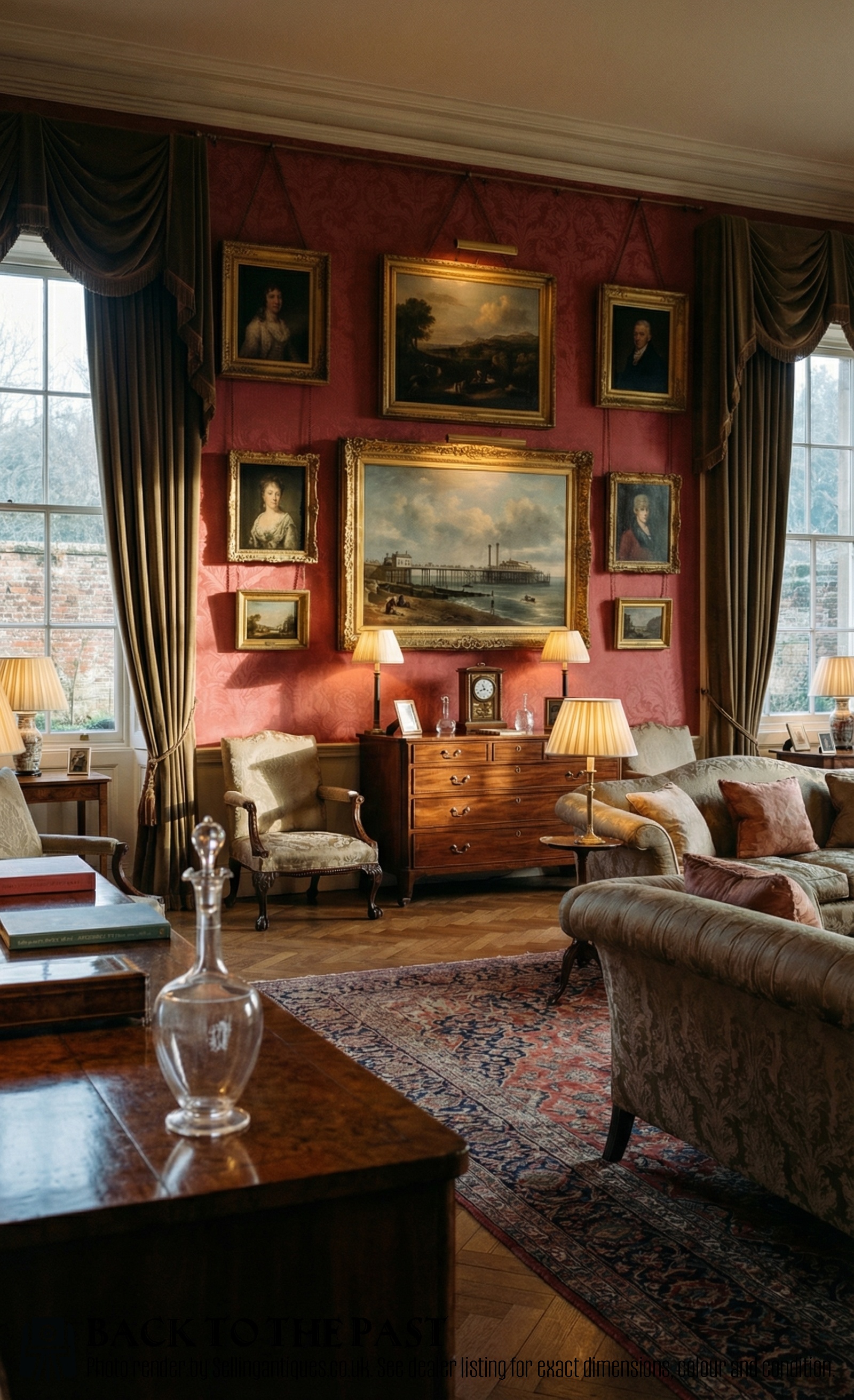
Vintage Spirit Decanter
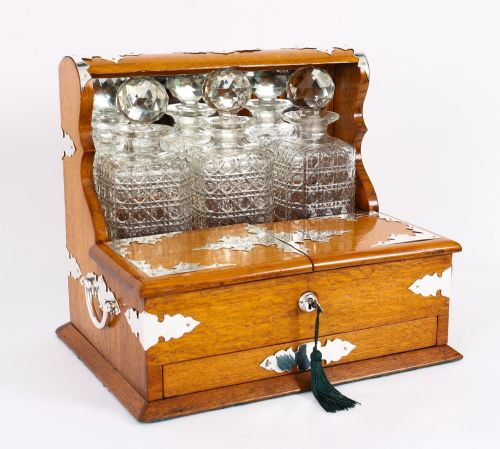
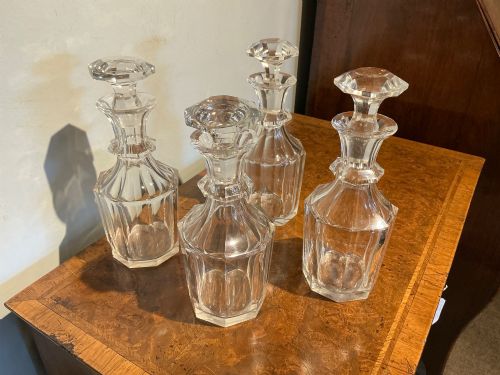
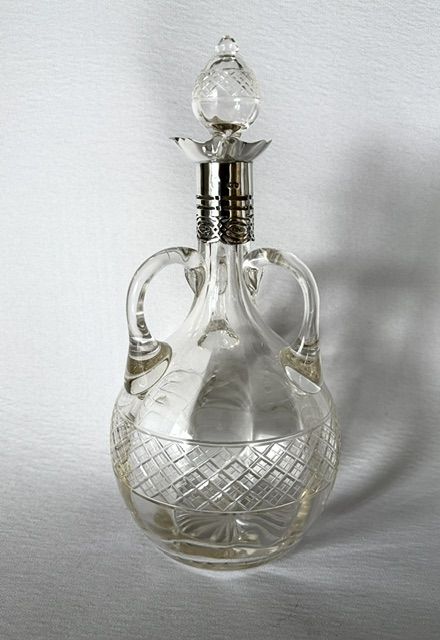
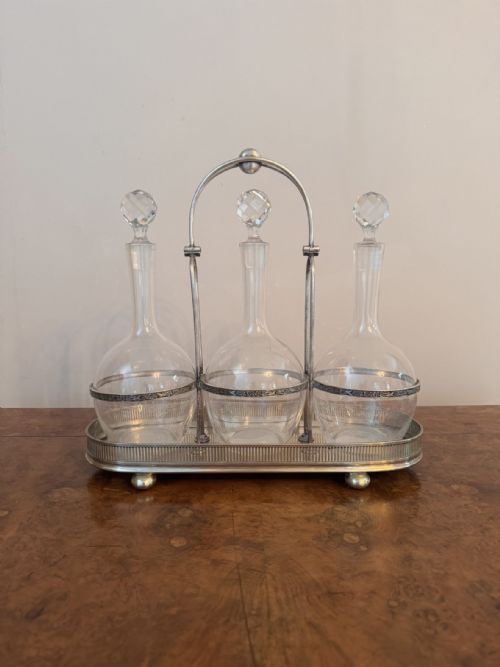
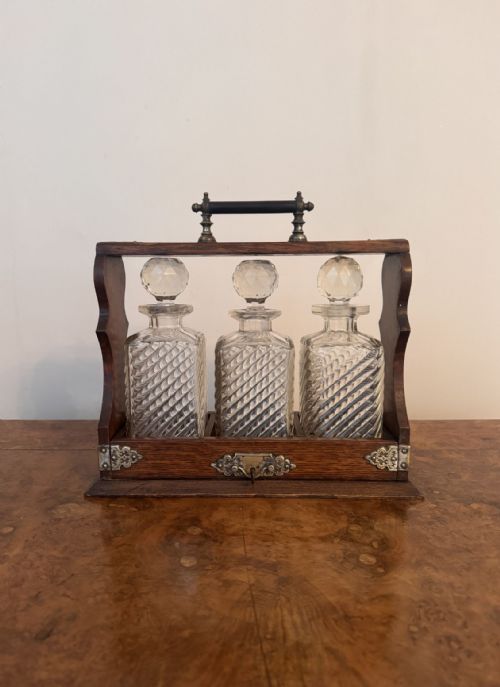
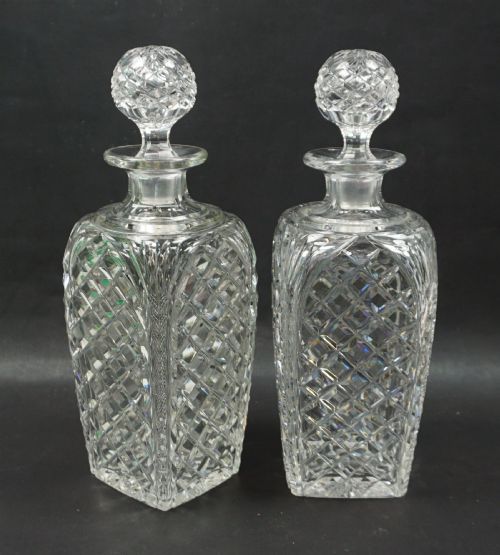
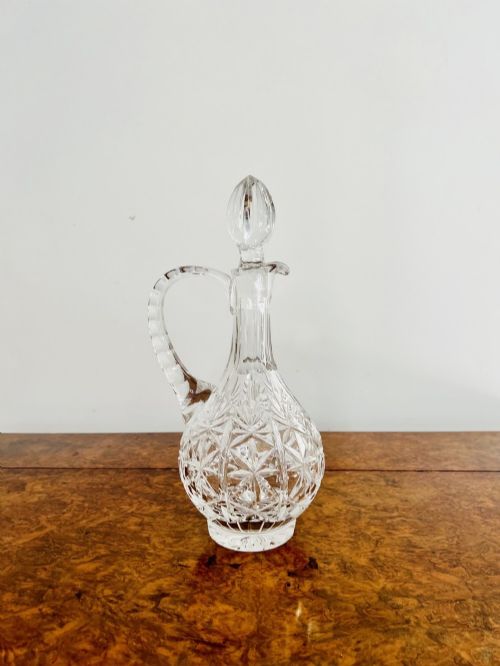
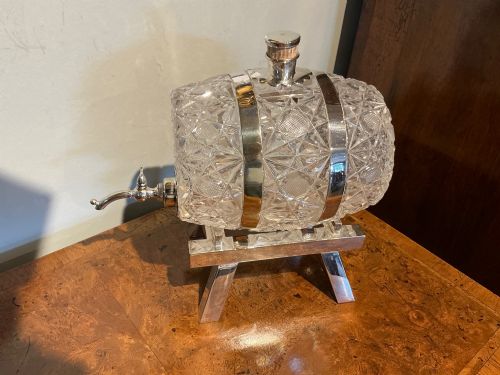
When you search for a vintage spirit decanter, you encounter vessels designed to hold whisky, brandy, and liqueurs from the nineteenth and early twentieth centuries. These pieces appear in forms ranging from simple glass bottles and spirit barrels to elaborate tantalus sets housed in oak or coromandel wood.
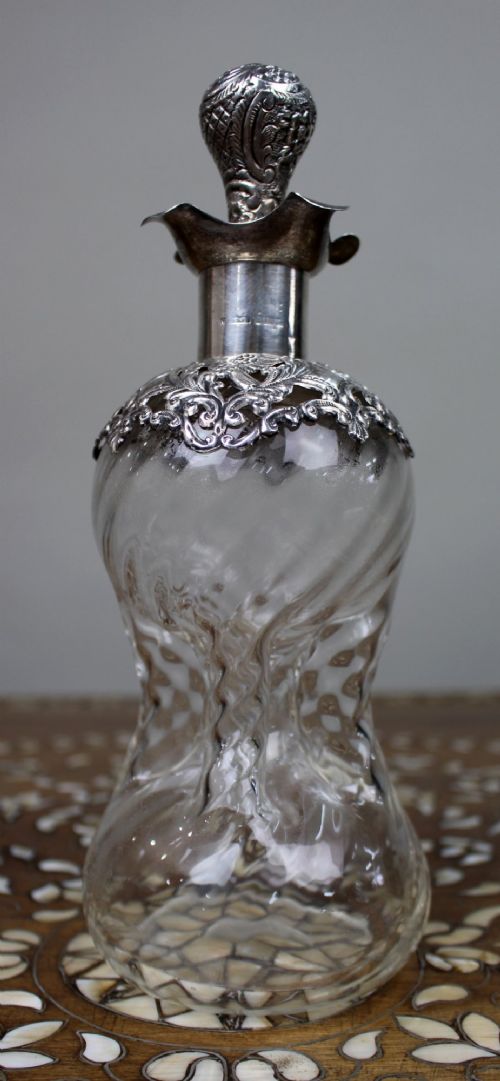
The versions most common on this page date from the Victorian and Edwardian eras, alongside later Art Deco designs. You will frequently find cut glass bodies fitted with silver collars or mounted labels, reflecting the formal hospitality of past decades.
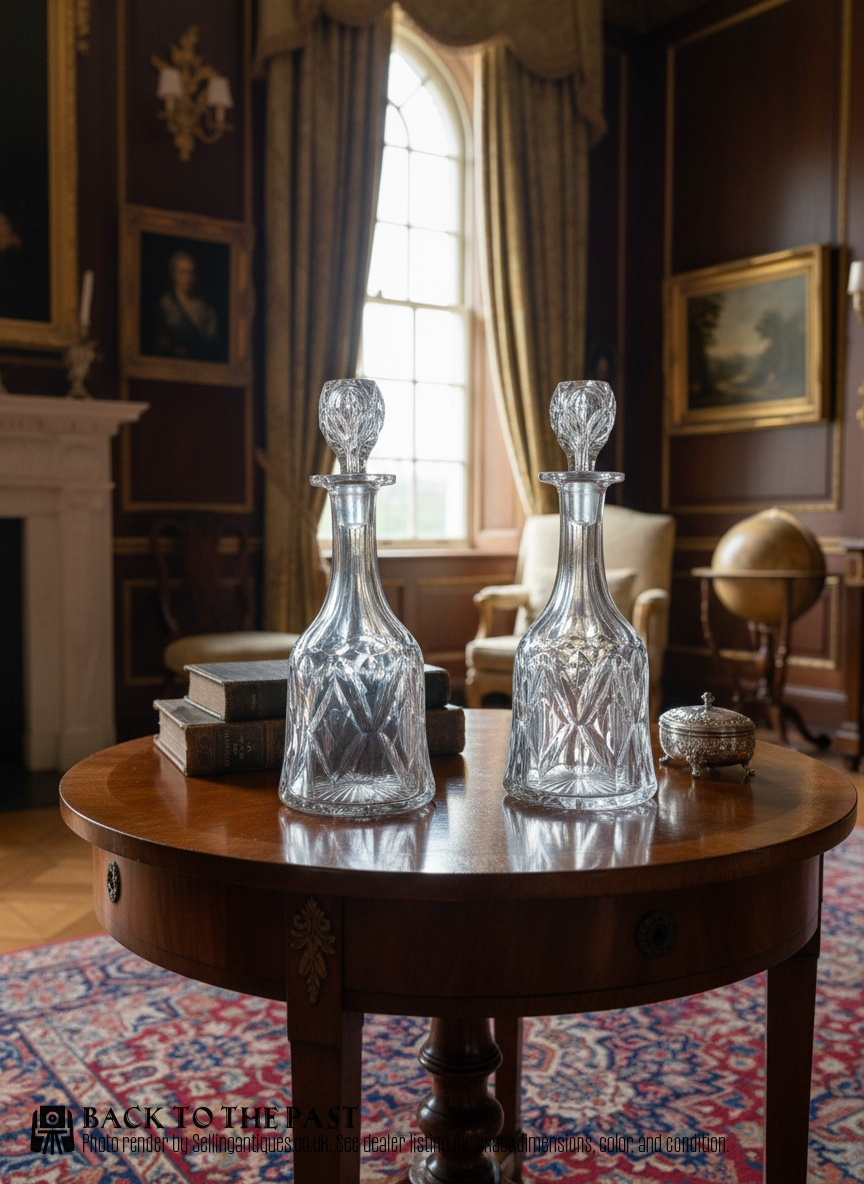
Materials and construction
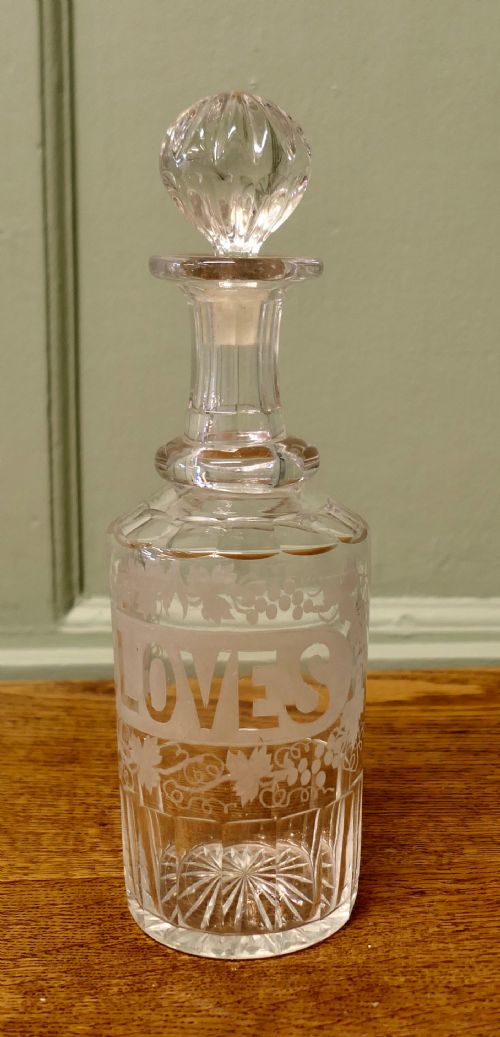
The bodies utilise cut glass, lead crystal, and occasionally coloured glass such as cobalt or ruby variants, shaped through blowing and heavy cutting to refract light. Workshops also produced ceramic spirit flasks and glazed stoneware.
Mounts and hardware combine sterling silver, silver plate, and brass. Makers secured these around necks and bases, often pairing the glass vessels with locking wooden frames in oak, mahogany, or satinwood.
Vintage Spirit Decanter Retail Price Guide 2026
Typical asking prices for vintage spirit decanter among the pieces listed under this phrase on Sellingantiques today, from the lower quarter to the upper quarter. They describe what is for sale here now, not the wider market.
Listings span the nineteenth century through the Art Deco period, incorporating materials like sterling silver, cut crystal, and glazed stoneware.
Distinctions in quality
Superior examples show crispness in the wheel-cut facets of the crystal and precise weight in the glass body. The fidelity of the silver hallmarks and the smooth mechanical action of locking tantalus frames separate standard production from finer work.
Proportion and clarity govern the overall impression. Heavy lead crystal paired with intact, matching stoppers and hallmarked silver collars represents the higher tier of surviving pieces.
Tiffany·Betjemann·Royal Doulton·Karl Palda·Rene Lalique
The Vintage Spirit Decanter Glossary
- Tantalus
- A locked wooden frame holding glass decanters so they remain visible yet secure from unauthorised pouring. The mechanism typically involves a hinged bar secured by a key.
- Cellaret
- A lockable cabinet or box designed to hold wine and spirit bottles safely. These often sit on the floor or inside sideboards during the Georgian and Victorian periods.
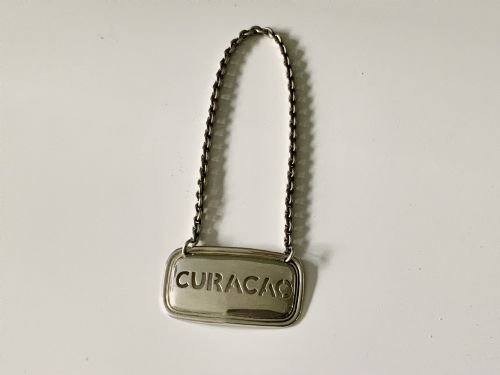
- Decanter label
- A small metal tag suspended by a chain around the neck of a bottle to identify the contents. They appear in sterling silver or silver plate.
- Lead crystal
- Glass containing metal oxide that increases weight, brilliance, and resonance. This material allows deep, sharp cutting across the body of the vessel.
Vintage Spirit Decanter: Frequently Asked Questions
How do I date a decanter?
Dating relies on the style of the glass cutting, the shape of the neck, and any accompanying metal mounts. Silver hallmarks provide precise years of assay.
Changes in stopper shapes and wooden frame construction also help narrow the decade of manufacture.
Can I use these for serving daily?
These vessels function well for serving spirits if the interior is clean and the glass remains sound. Hand washing protects the historical material.
Check that stoppers fit securely to prevent evaporation of the contents over time.
What is a tantalus set?
A tantalus holds two or three decanters within a lockable wooden frame, traditionally made of oak or coromandel. The design prevents guests from helping themselves without a key.
Many incorporate folding compartments for games or glasses.
How do I clean old glass?
Gentle warm water and mild detergent remove dust without harming historic surfaces. Abrasive brushes should be avoided to protect the crystal facets.
Stoppers should be stored separately or with paper to prevent them sticking to the neck.