




Pair of Decanters
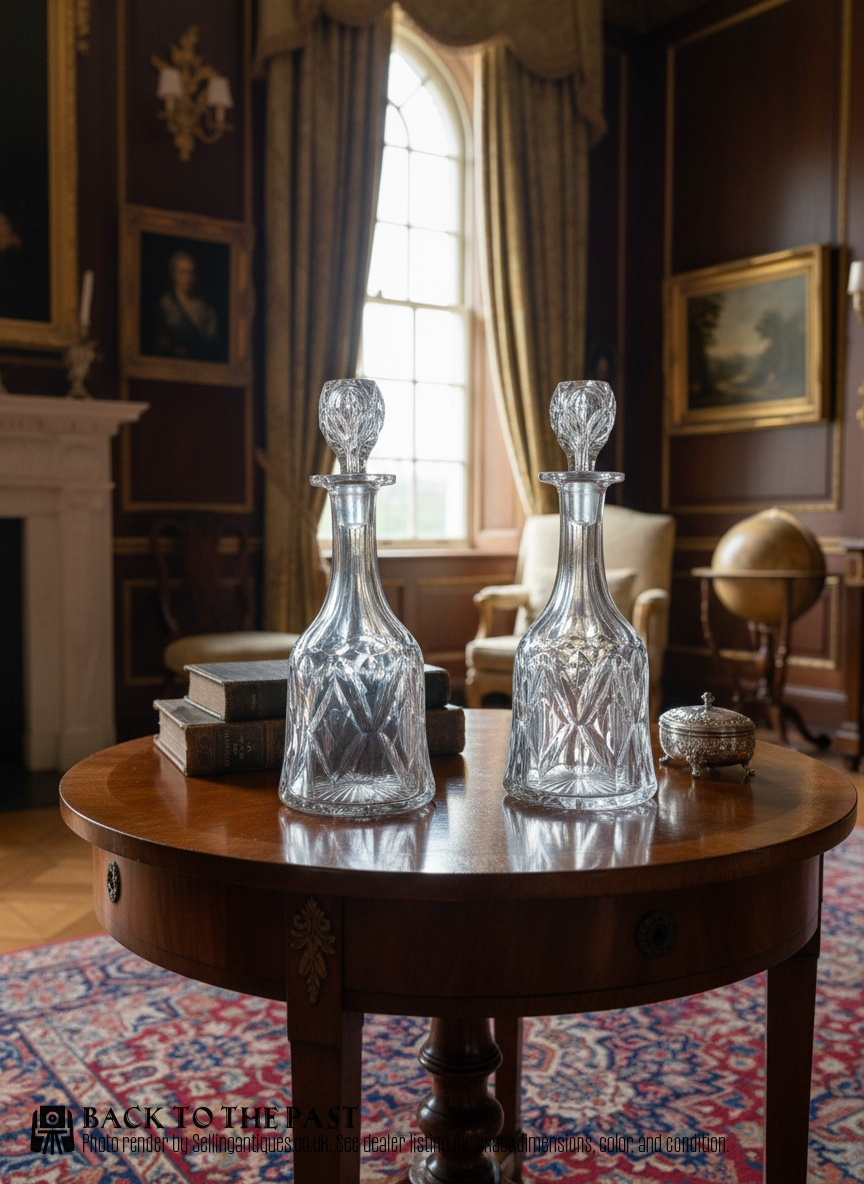
A matched pair of decanters brings symmetry to a dining table, offering twin vessels for serving fine wine and spirits.
Pair of Decanters
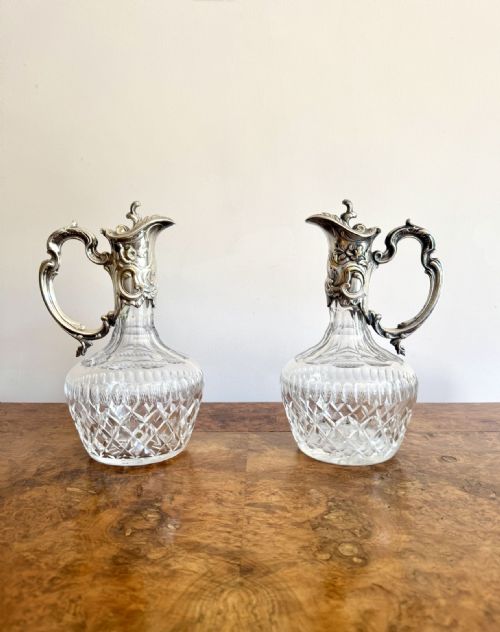
When you search for a pair of decanters, you encounter matching sets designed for parallel service on the dining table or sideboard. These items span periods from the Georgian era through the Victorian period and into the Edwardian years.
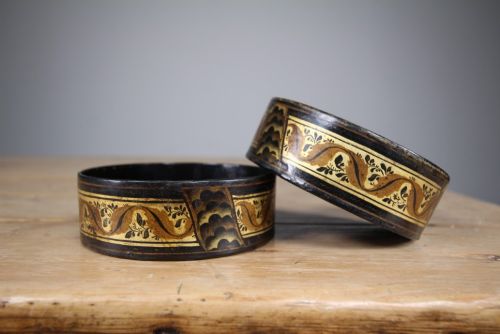
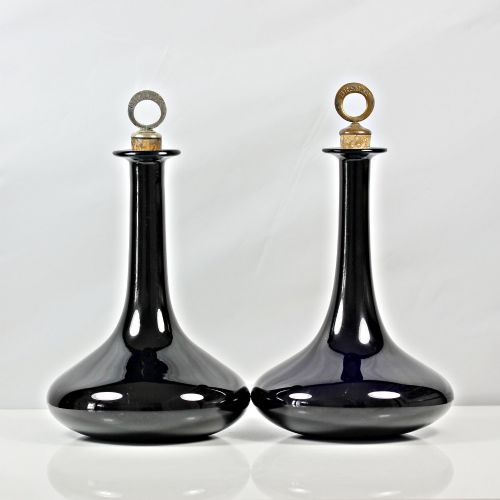
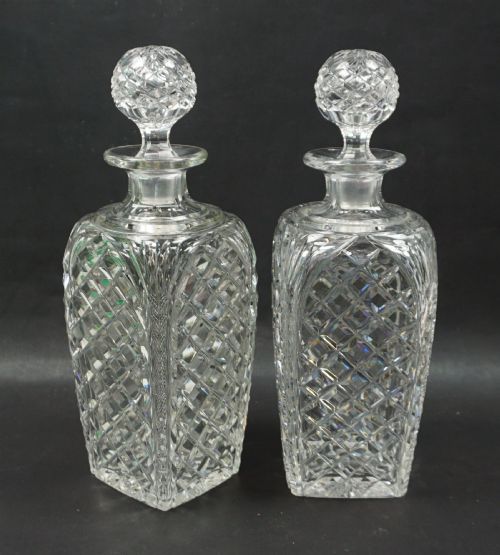
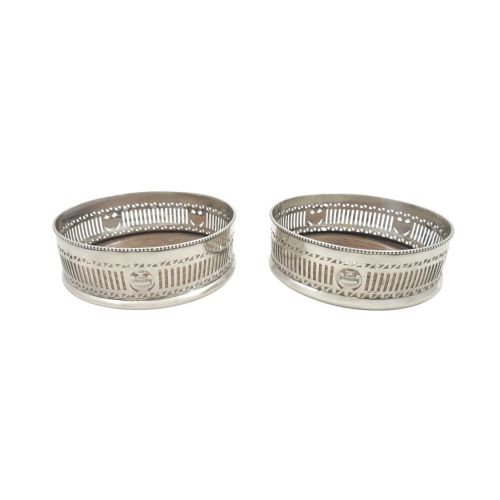
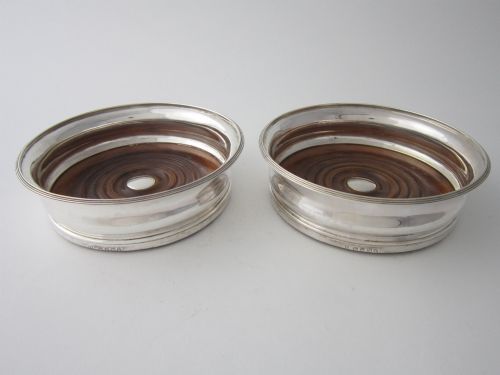
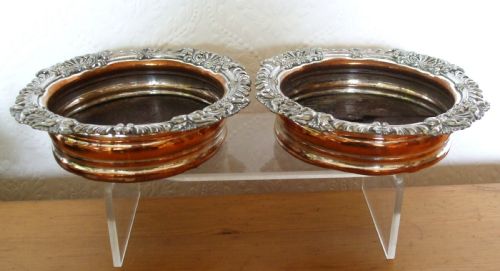
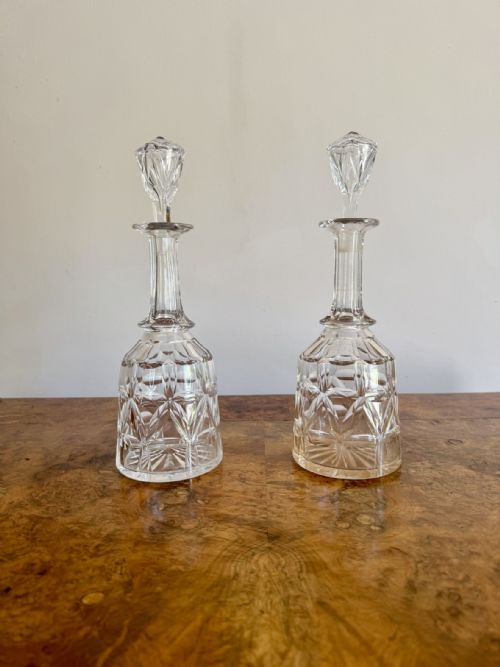
The selections include tall shaft and globe forms, square section tapered vessels, and heavy cut crystal bottles alongside matching sets of wine coasters.
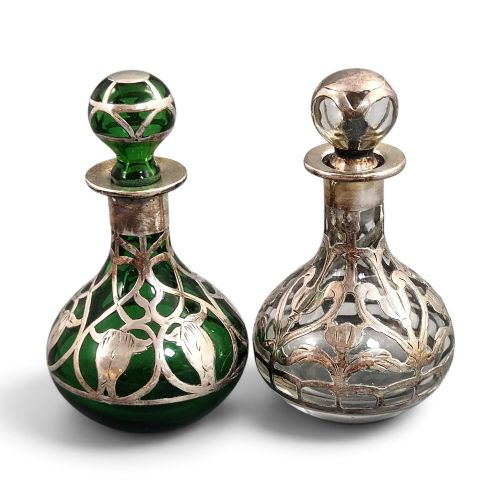
Coloured glass versions in Bristol blue, ruby, emerald green, and cranberry frequently appear alongside clear lead crystal and cut glass examples.
What varies in quality
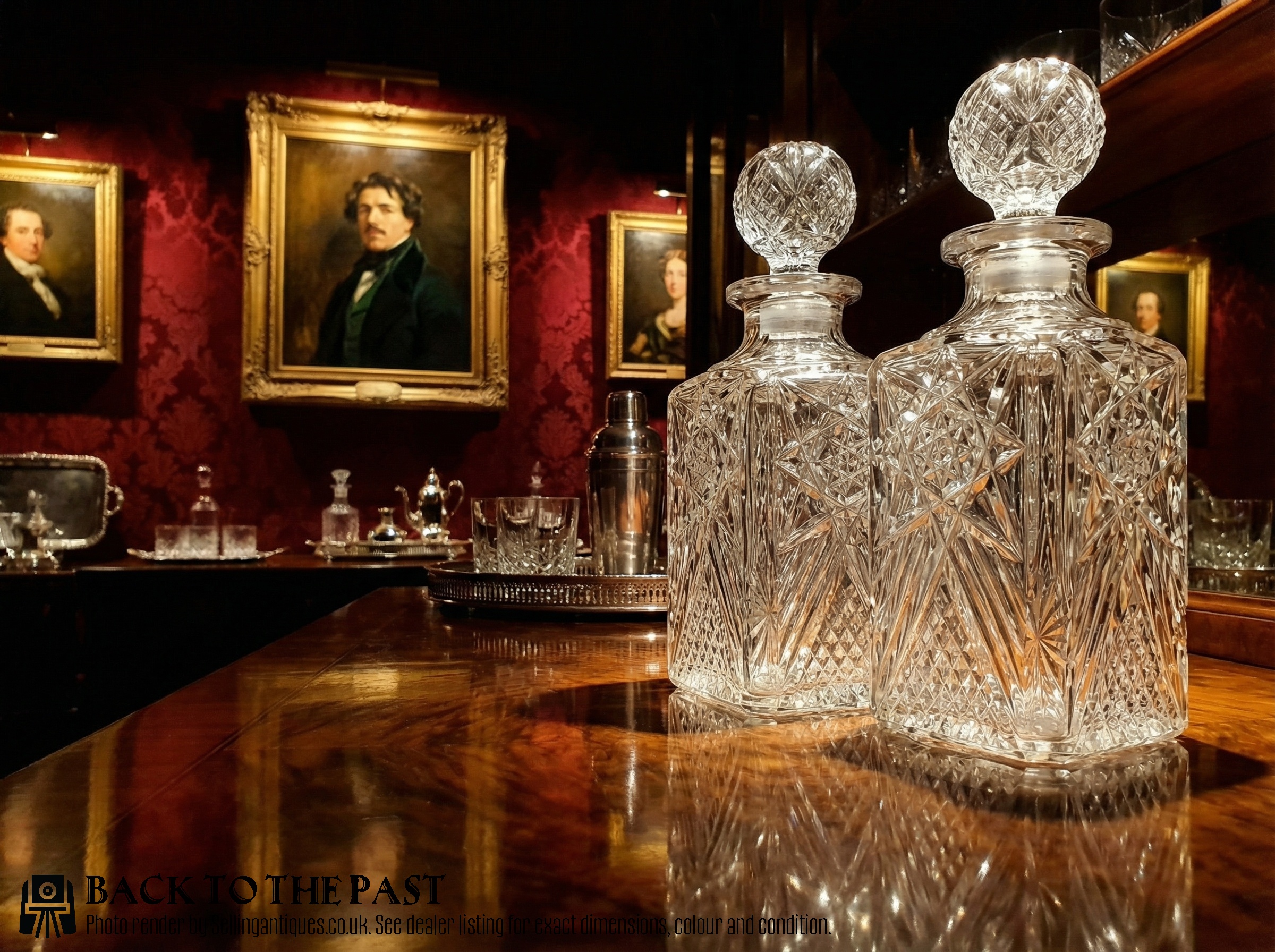
The weight and clarity of the glass dictate the primary tier, where high-lead crystal yields a resonant ring and deep refraction compared to standard pressed glass.
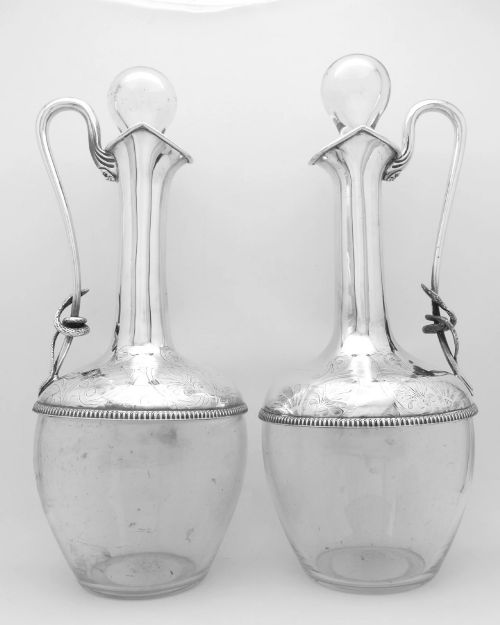
Hand-cut facets display crisp, polished edges rather than rounded, mass-produced surfaces, while metal mounts show substantial gauge thickness and distinct hallmarks rather than thin electroplate over base metals.
Pair of Decanters Retail Price Guide 2026
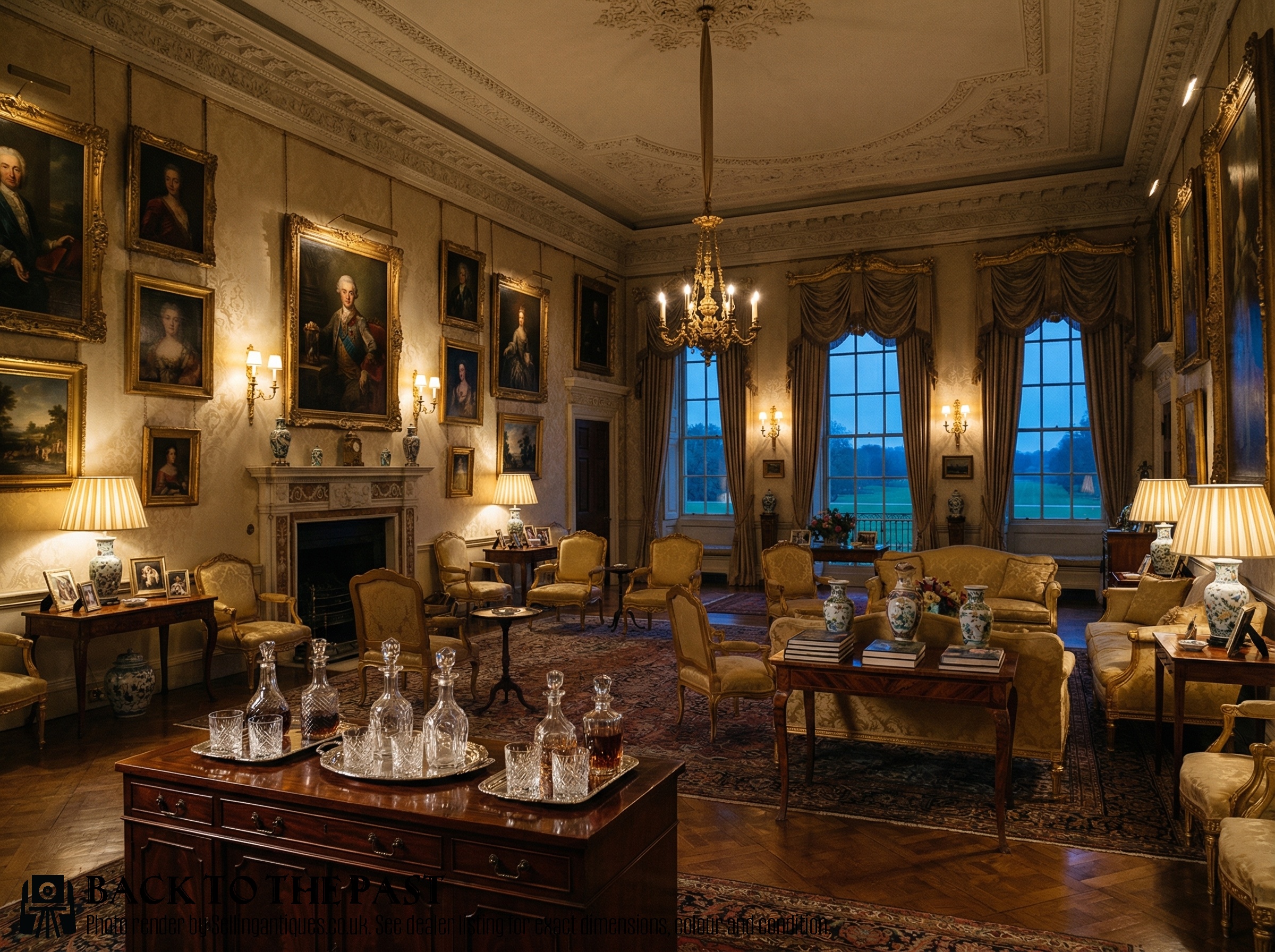
Typical asking prices for pair of decanters among the pieces listed under this phrase on Sellingantiques today, from the lower quarter to the upper quarter. They describe what is for sale here now, not the wider market.
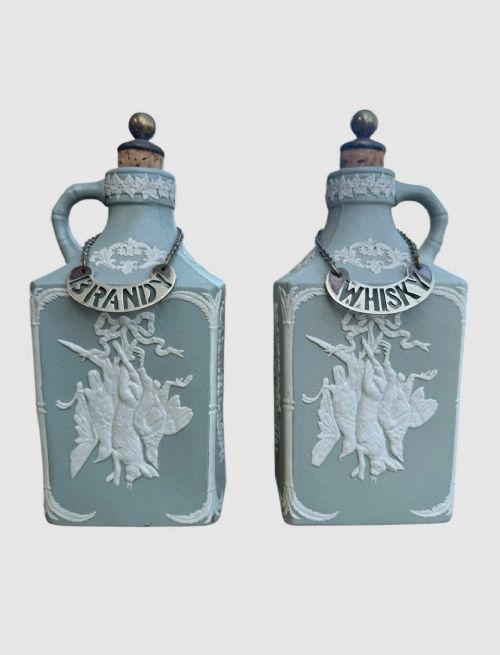
Some nineteenth-century spirit flagons feature secret locking mechanisms to deter thirsty domestic servants from sampling the master's brandy.
Gorham·James Powell·Hukin & Heath
The Pair of Decanters Glossary
- Prussian decanter
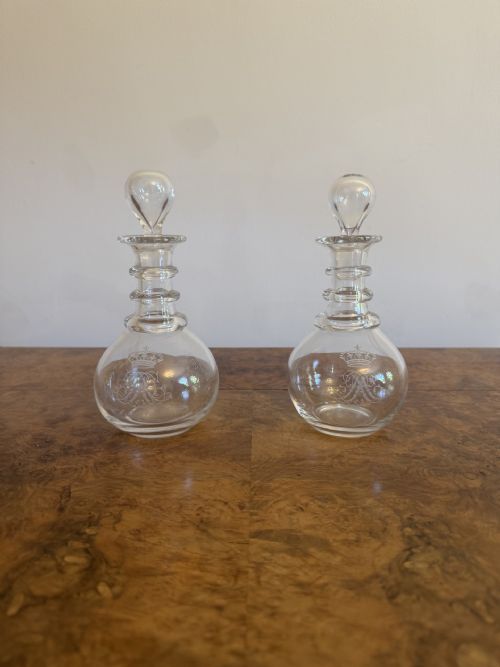
- A bottle shape featuring a broad base and tapering body with three distinct neck rings. This form gained popularity during the Georgian period to prevent stoppers from sticking.
- Old Sheffield Plate
- A composite material formed by fusing a thin sheet of silver to a thicker copper core. Makers utilised this method before the invention of modern electroplating.
- Hobnail cut
- A distinct surface pattern resembling the jagged hobnails of heavy boots. Artisans ground this deep geometric motif into Victorian crystal vessels.
- Whiskey noggin
- A small single-serving spirit decanter fitted with a silver handle and rim. These pieces often include matching silver-topped stoppers.
- Shaft and globe
- A silhouette defined by a long slender neck rising above a rounded spherical body. This form provided stability on dining tables during the nineteenth century.
Pair of Decanters: Frequently Asked Questions
How do I date an antique decanter?
Examine the base for a pontil mark, which indicates hand-blown manufacture before the widespread adoption of automated moulding in the late nineteenth century.
Silver collars and mounts often bear hallmarks and date letters that provide exact years of manufacture.
What is the difference between crystal and glass?
True crystal contains a high proportion of lead oxide, which increases the weight, refractive index, and acoustic resonance of the material.
Standard glass lacks this lead content, resulting in a lighter vessel with less brilliance when exposed to light.
How were pair of decanters used historically?
Dining hosts placed matching vessels filled with port, sherry, or madeira on the table or within bottle coasters for guests to pass clockwise.
Different shapes identified the contents, allowing servants and diners to distinguish between red wines, white wines, and spirits.
Are coloured glass decanters authentic?
Coloured glass vessels in shades such as Bristol blue, cranberry, and green genuine period production techniques from the Georgian and Victorian eras.
Artisans added metallic oxides to the molten batch to achieve these rich hues before cutting through layers to reveal clear glass underneath.