

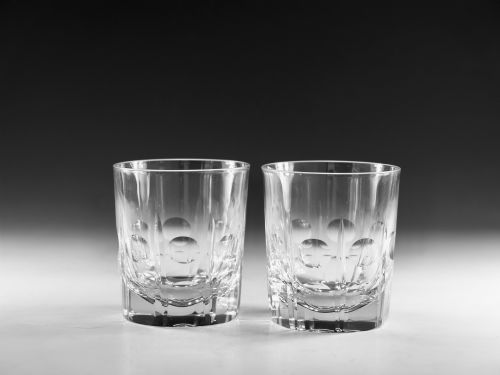
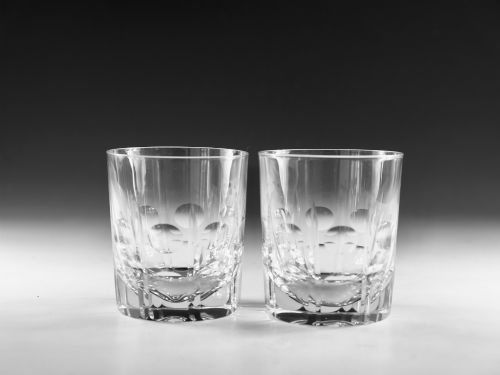
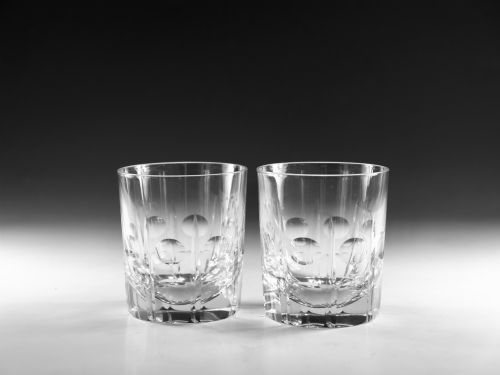
Edwardian Cut Glass
Edwardian cut glass brings heavy brilliance and precise wheel-cut facets to the table, combining sparkling crystal with sterling silver and plate.
Edwardian Cut Glass Forms and Origins
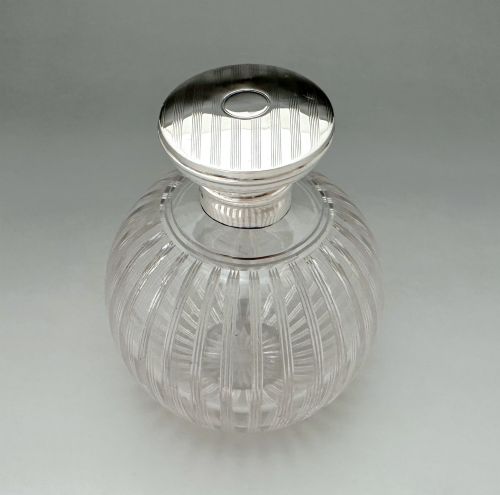
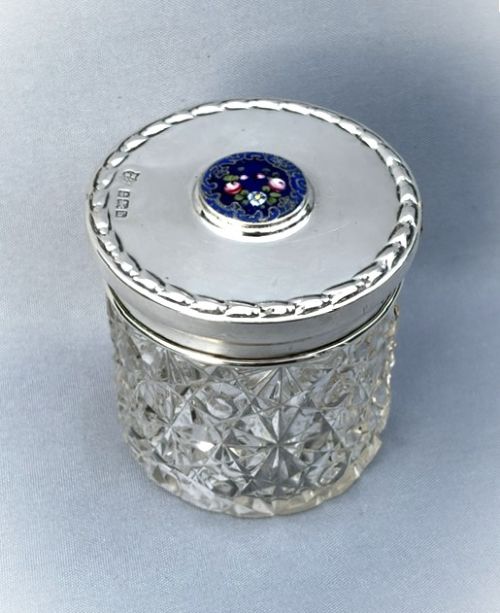
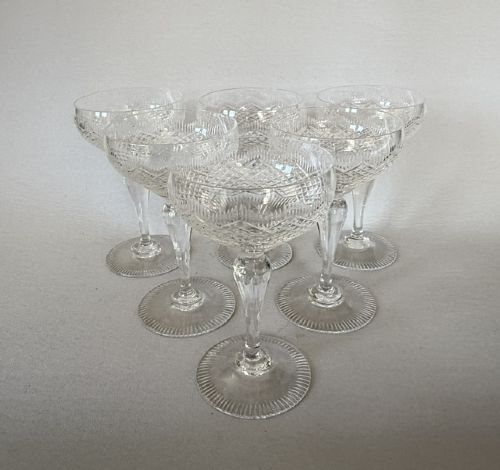
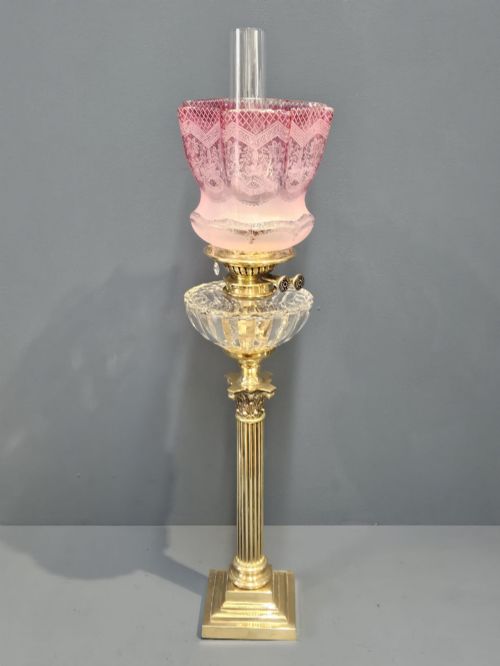
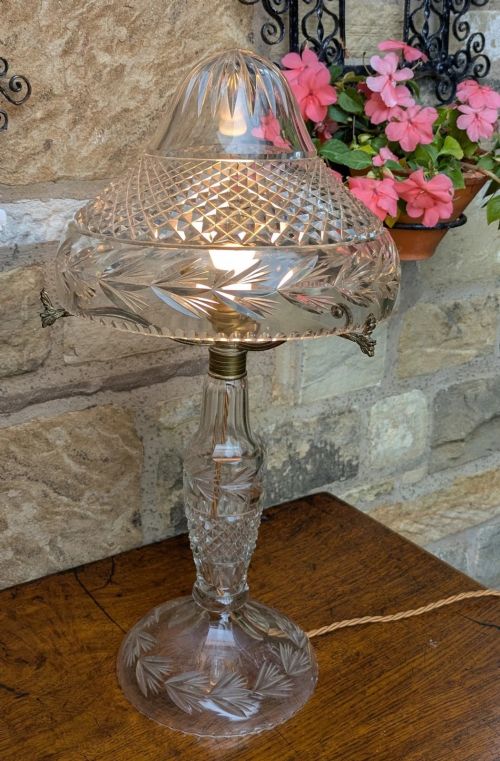
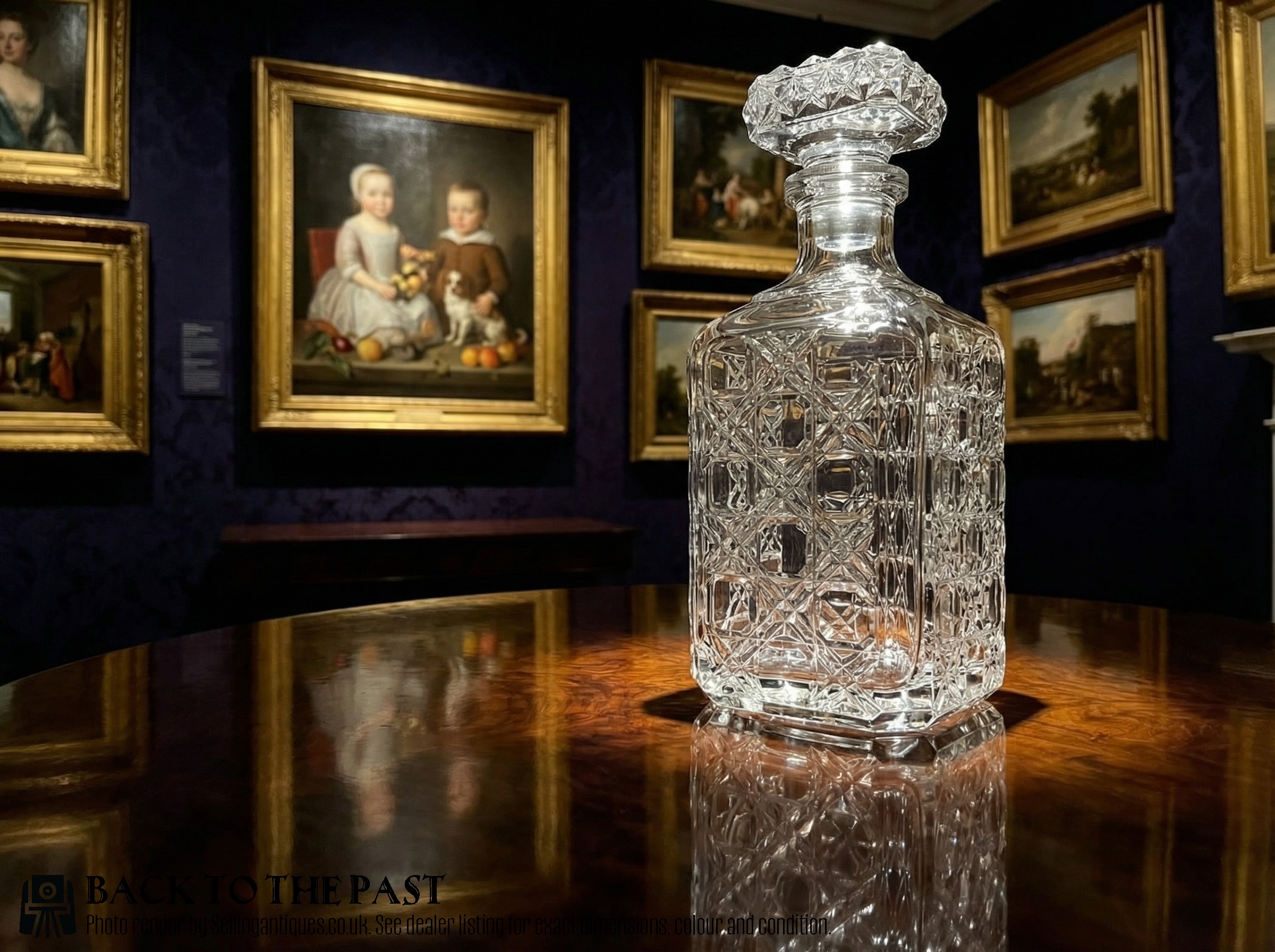
Edwardian cut glass encompasses a wide array of domestic and decorative objects produced around the start of the twentieth century. When searching for Edwardian cut glass, buyers encounter tablewares such as decanters, tumblers, wine glasses, plates, and biscuit jars alongside dressing table accessories.
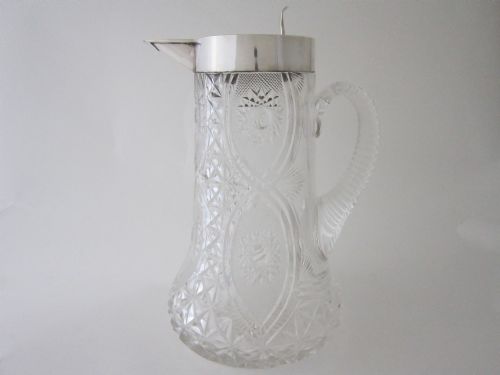
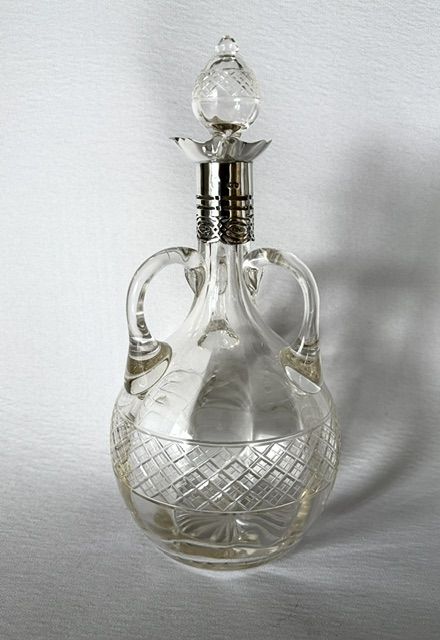
The objects frequently combine thick clear glass with mounts of sterling silver or silver plate. Decanters and jugs dominate the selection, often appearing in pairs or fitted with original stoppers and metal collars.
While the majority of pieces date from the Edwardian period and the early twentieth century, related Victorian examples also surface in these materials.
Materials and Techniques
Maker's workshops utilised heavy lead crystal and clear glass, shaping them through blowing and moulding before applying deep geometric cuts by hand on a rotating wheel. This cold-working process produced sharp facets that caught light from multiple angles.
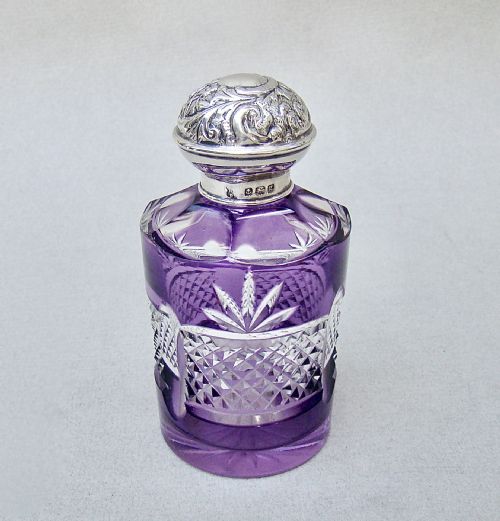
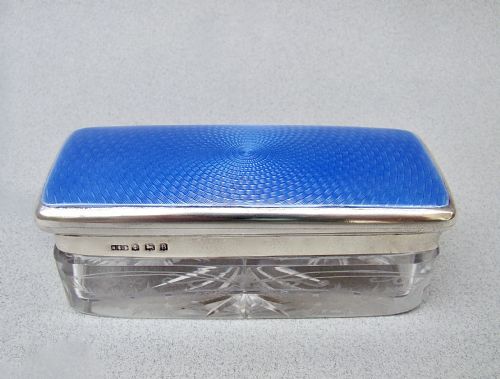
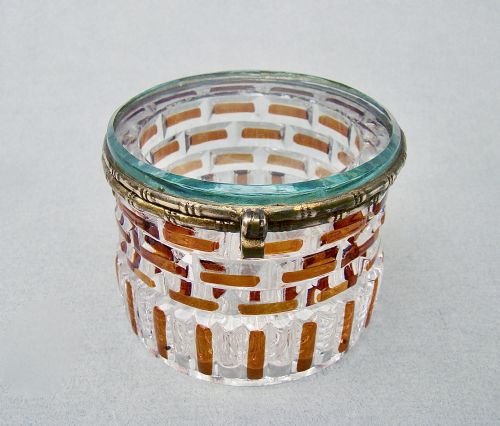
Silver components, including hinged mounts, collars, and lids, were fashioned separately and secured to the glass vessels. Some pieces also integrated purple overlay, cranberry glass, or tortoiseshell panels beneath silver work.
Retail Price Guide 2026
Typical UK retail prices for edwardian cut glass, calculated from the Sellingantiques database of over a million retail prices indexed since 2003. This retail price guide relies exclusively on Sellingantiques data; no external sources or auction records are used, so the figures do not describe the wider market.
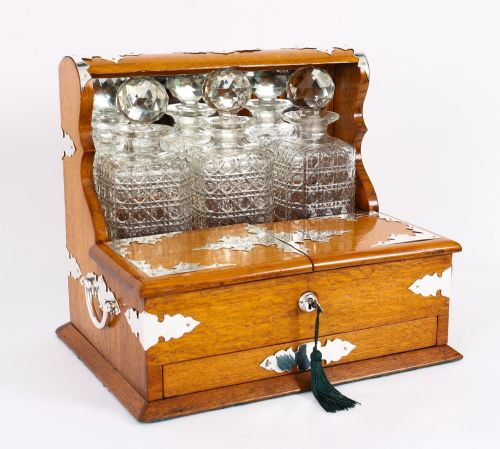
Several Edwardian glass items feature locking mechanisms on their decanters to keep the servants away from the brandy.
Assessing Quality in Cut Glass
Quality rests on the depth, crispness, and symmetry of the wheel-cut facets. Superior pieces display sharp edges and high optical clarity in the crystal without bubbles or clouding.
The integration of metal mounts further distinguishes the range. Heavy gauge sterling silver, hallmarked accurately, elevates an item above standard silver-plated fittings.
R. Comyns
The Edwardian Cut Glass Glossary
- Cut glass
- Glass decorated by holding it against a rotating abrasive wheel to carve grooves and facets into the surface. This technique produces the characteristic sparkle and texture found on Edwardian tableware.
- Lead crystal
- Glass containing a significant proportion of lead oxide, which increases weight, brilliance, and refractive index. It allows for deeper and sharper facet cutting.
- Decanter
- A glass vessel designed for holding and serving wine or spirits, usually fitted with a ground glass stopper. Edwardian examples often feature square sections, mallet shapes, or ships profiles.
- Claret jug
- A pouring vessel specifically for red wine, combining a glass body with a hinged metal spout and handle. Many period examples pair cut crystal bodies with silver-plated mounts.
- Rummer
- A large, sturdy drinking glass with a short stem and wide bowl. They were traditionally used for punch, ale, or rum in the nineteenth and early twentieth centuries.
- Pendant light
- A hanging ceiling fixture suspended by a chain or cord. Edwardian varieties frequently utilise cut glass globes or acorn-shaped shades to diffuse interior illumination.
Frequently Asked Questions
How do I clean old cut glass?
Wash pieces gently in warm water using mild detergent and a soft cloth or sponge. Avoid abrasive pads and extreme temperature changes that can crack historical lead crystal.
Allow items to air dry on a soft towel, and use a lint-free cloth to polish the facets and restore their brilliance.
Are Edwardian decanters safe for modern wine?
Most Edwardian decanters are safe for holding and serving wine for short periods. Check the interior first for residue or clouding that requires careful cleaning.
Avoid storing wine or spirits in lead crystal decanters for extended periods, as lead can leach into the liquid over time.
Can I replace a missing glass stopper?
Replacing a stopper requires finding one that matches the exact ground glass neck size and tint of the original vessel. Each stopper was individually ground to fit its specific decanter during manufacture.
Universal modern replacements rarely fit securely, so collectors generally seek out period spares that match the cutting pattern.