
Edwardian Wine Decanter
An Edwardian wine decanter brings sparkling period table service into modern homes through classic cut glass and rich cranberry glass.
What an Edwardian Wine Decanter Is
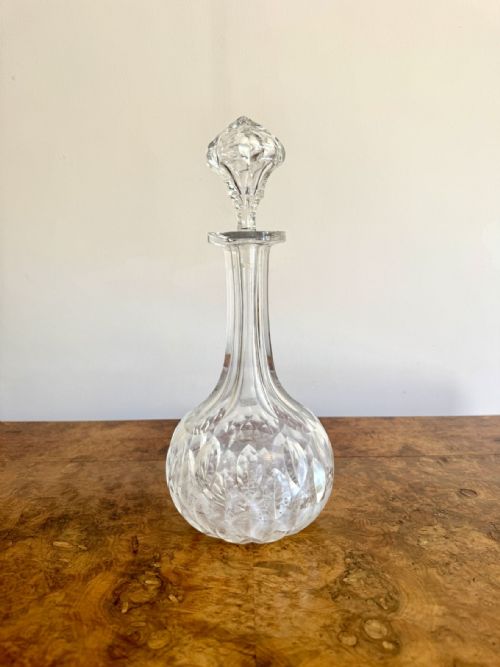
An Edwardian wine decanter represents the table glassware of the early twentieth century, spanning the years from 1900 to 1910. These pieces function as serving vessels for wine and spirits while displaying the distinct decorative tastes of the Edwardian era.
How They Were Made
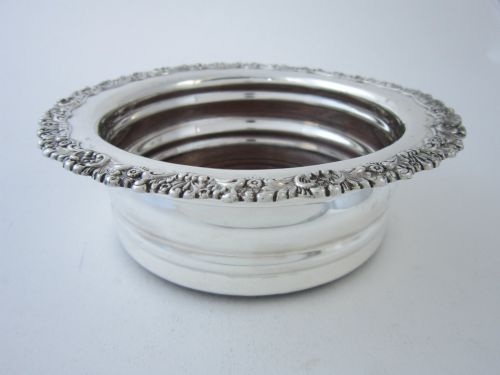
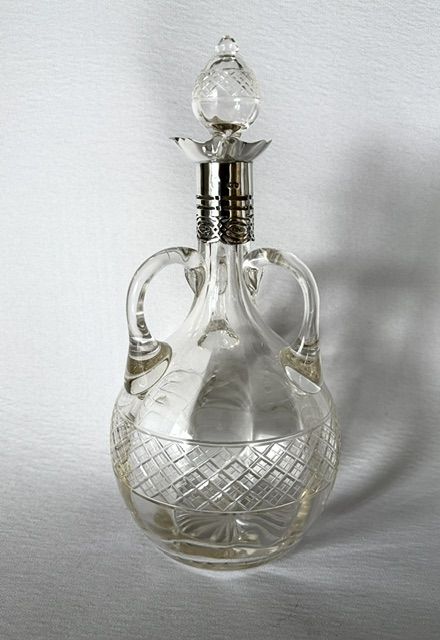
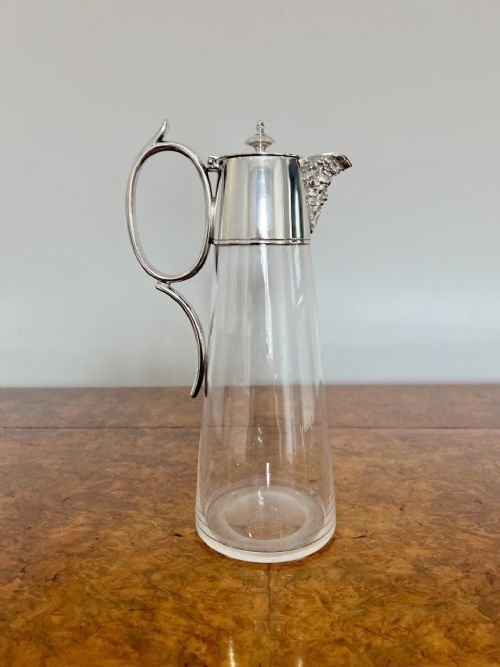
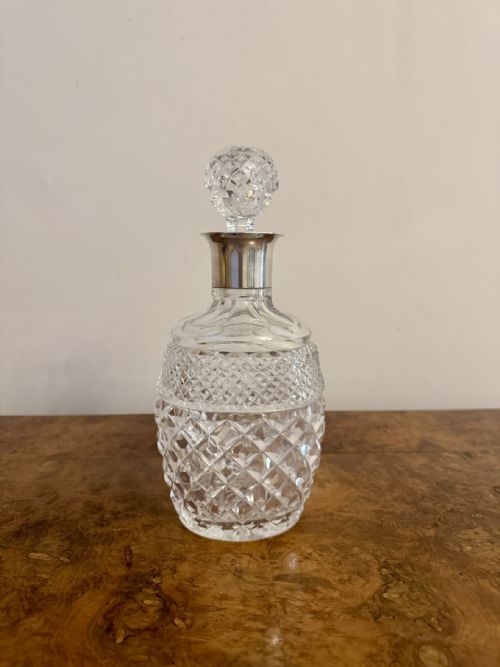
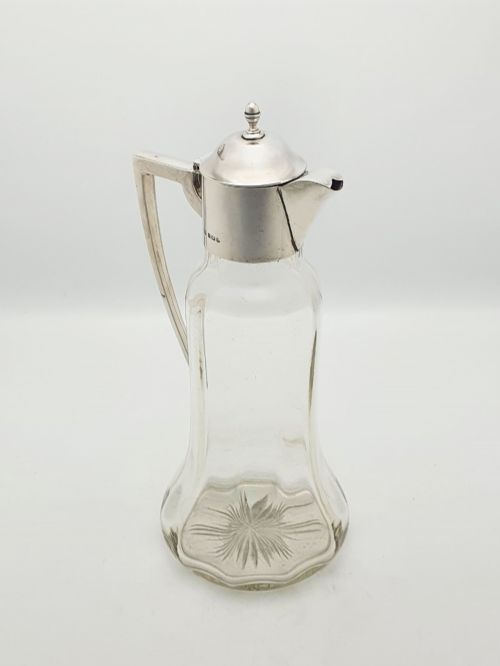
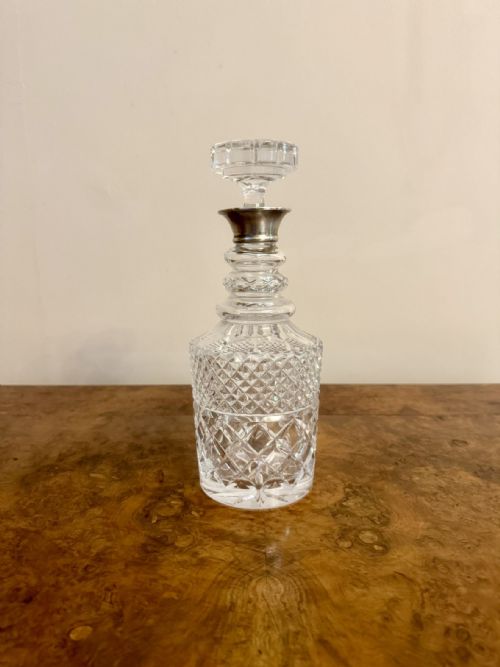
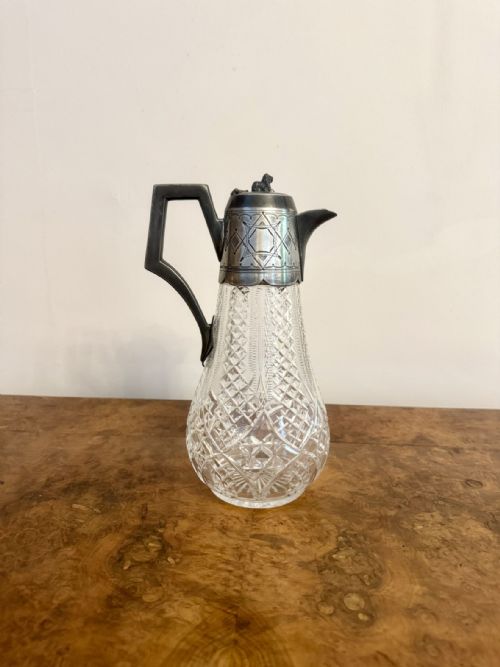
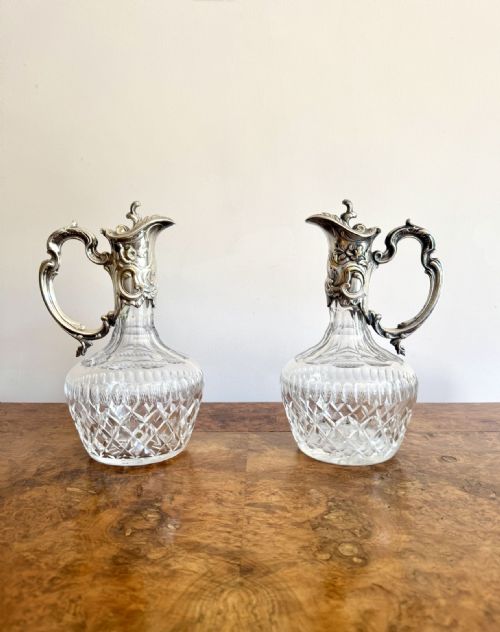
Makers shaped these vessels using glass, lead crystal, and crystal glass, frequently incorporating silver plate mounts. Artisans utilised specialised blowing and moulding techniques to form the basic body of each decanter.
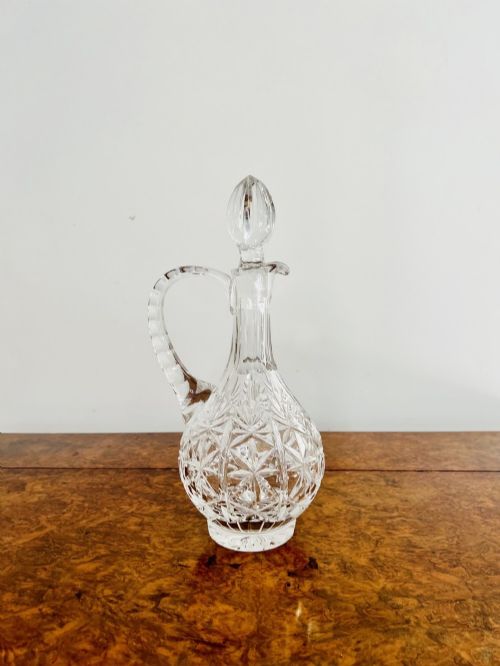
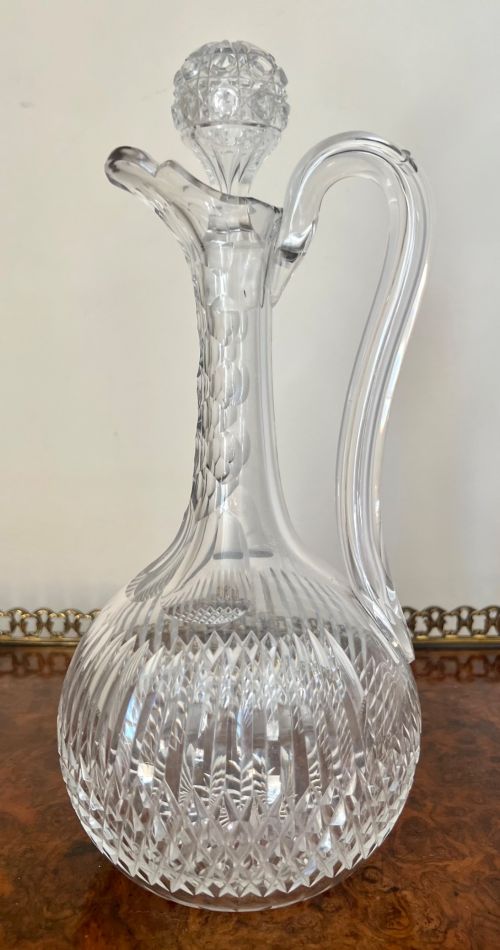
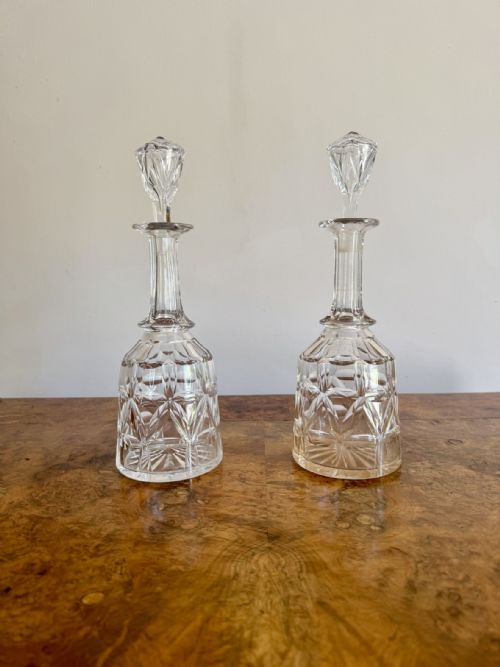
Craftsmen decorated the surface of the glass using deep cutting methods to catch the light. Cranberry glass variations achieved their rich red tone through specific chemical additions during the glass-melting process.
Retail Price Guide 2026
Typical UK retail prices for edwardian wine decanter, calculated from the Sellingantiques database of over a million retail prices indexed since 2003. This retail price guide relies exclusively on Sellingantiques data; no external sources or auction records are used, so the figures do not describe the wider market.
One past record preserves a cherub peering out from the glass, adding an unexpected touch of Victorian whimsy to the Edwardian table.
What Varies in Quality
The standard of a decanter rests upon the clarity of the crystal and the depth of the glass cutting. Superior examples demonstrate crisp facets and substantial weight from lead content.
The refinement of the silver plate mount and the precision of the stopper fit further distinguish finer vessels from standard production pieces.
The Edwardian Wine Decanter Glossary
- Edwardian
- Relating to the reign of King Edward VII, spanning from 1901 to 1910, noted for refined decorative arts. This period defined the specific stylistic elegance seen in these decanters.
- Cranberry Glass
- A type of transparent red glass created by adding gold chloride to the molten batch. This distinctive colour remains a hallmark of Edwardian glassware.
- Lead Crystal
- Glass containing a significant proportion of lead oxide, which increases brilliance and weight. This material allows for sharper and deeper decorative cutting.
- Silver Plate
- A thin layer of silver fused to a base metal, commonly used for the collars and pouring rims of these vessels. This finish provides the appearance of solid silver with practical durability.
Frequently Asked Questions
Can I use these decanters for serving wine?
These glass vessels function effectively for decanting and serving contemporary table wines. The secure stoppers help preserve the contents during a meal.
Inspect the interior cleanliness before use, as older vessels may require gentle rinsing to remove dust from storage.
How do I identify an Edwardian piece?
Examine the piece for the characteristic heavy cutting and distinct glass tones typical of the early twentieth century. The combination of lead crystal and specific forms points directly to this era.
Compare the weight and decorative motifs against standard Victorian or later twentieth-century tablewares.
What is cranberry glass?
Cranberry glass is a distinct red-pink tinted material produced by melting glass with gold compounds. This vibrant colour became extremely popular for decorative tableware during the Edwardian period.
The intensity of the shade varies depending on the specific batch and manufacturing technique used by the glasshouse.