
Cut Glass Carafe
A cut glass carafe brings weight and sparkle to any table, offering a traditional way to serve water, wine, or spirits.
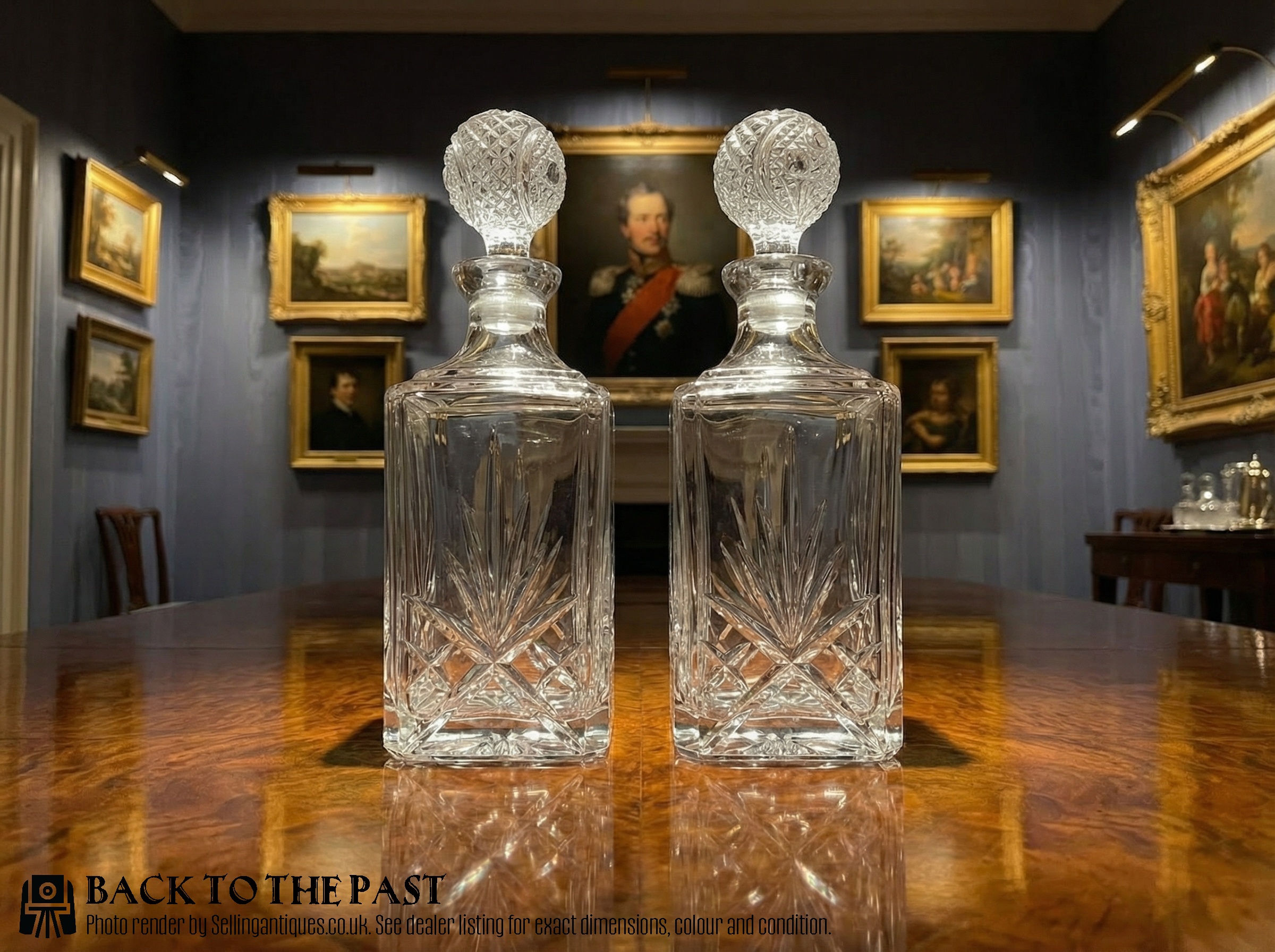
Cut Glass Carafe
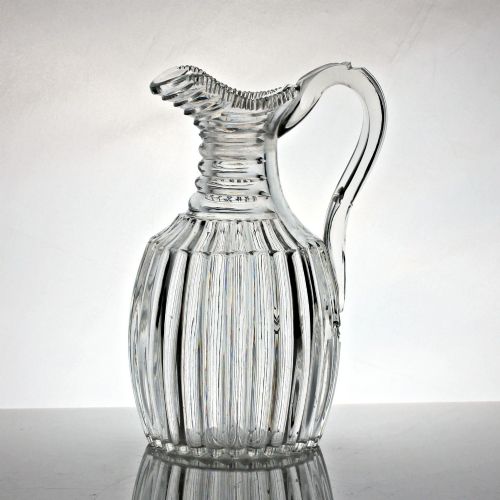
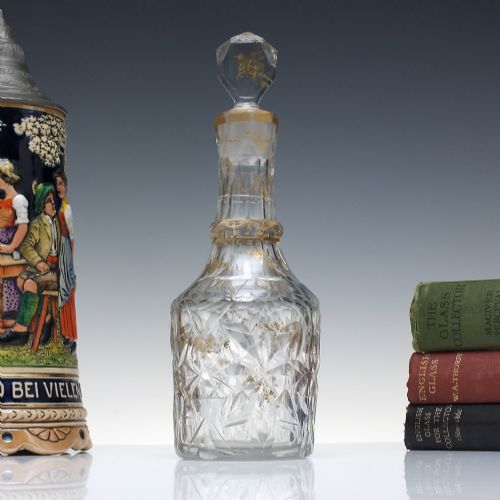
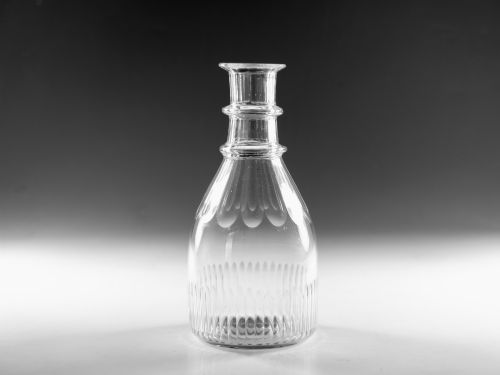
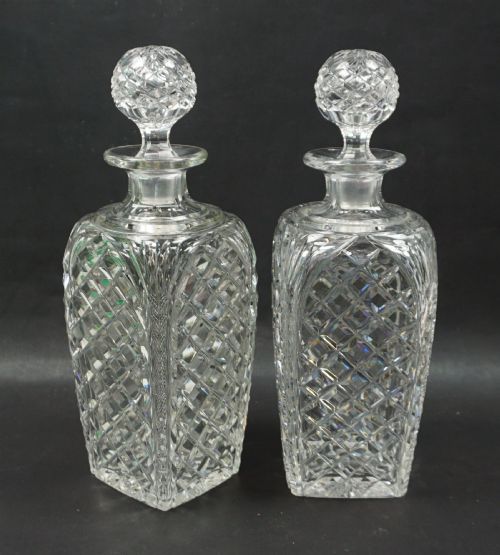
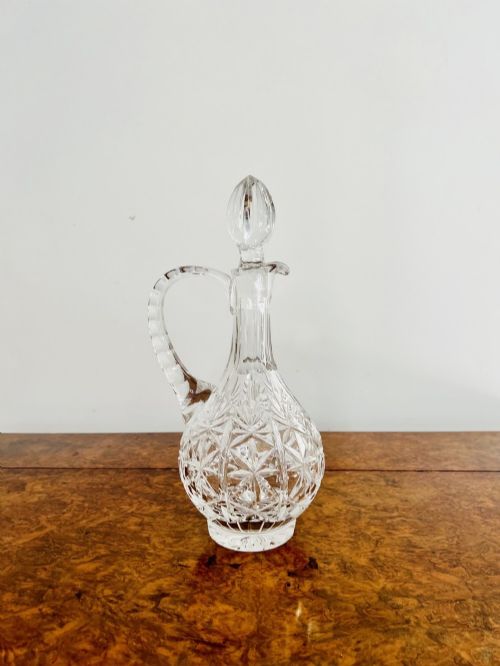
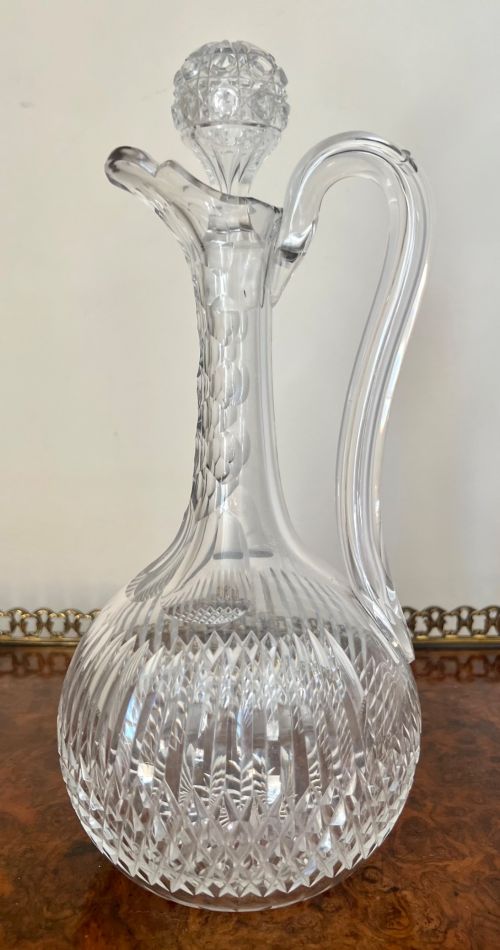
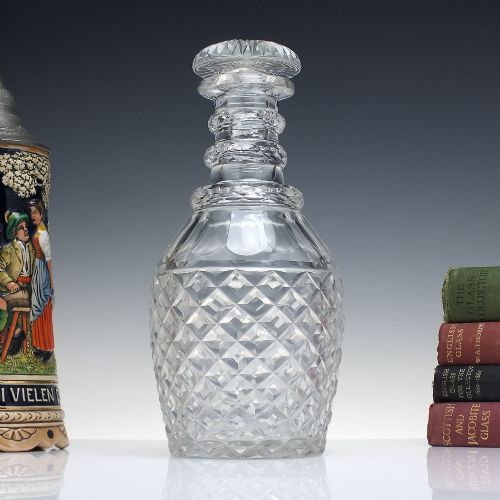
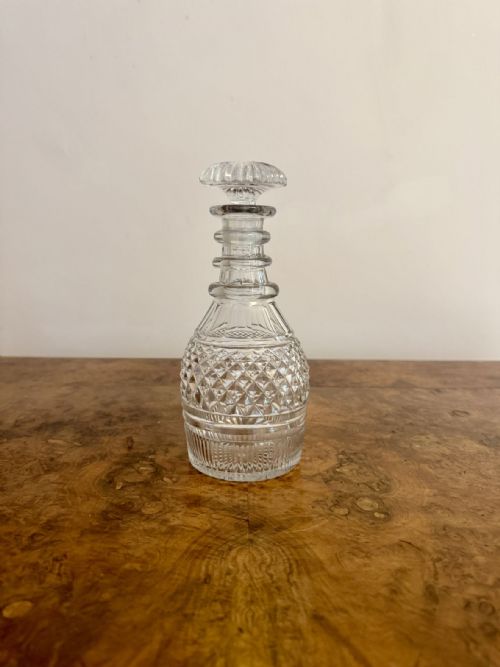
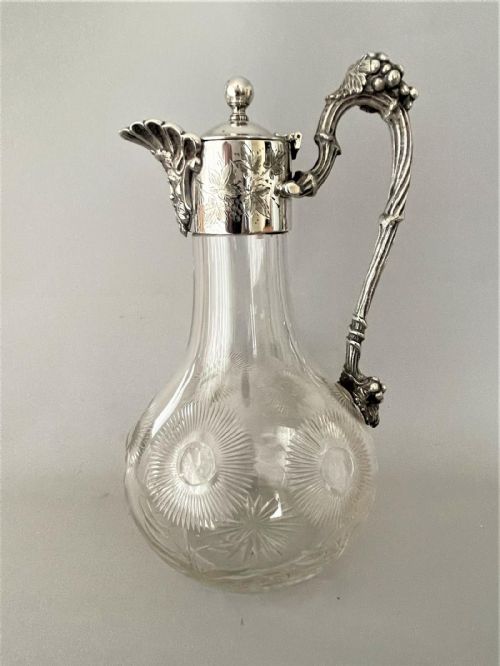
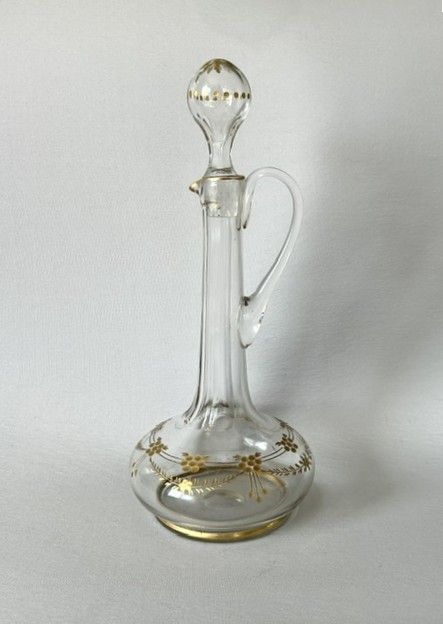
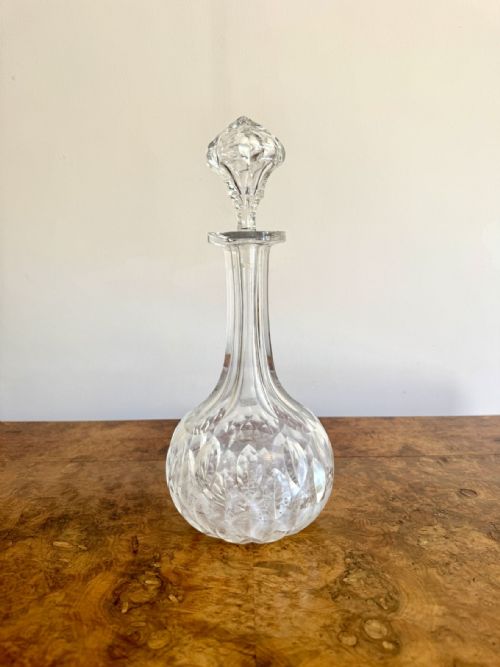
A cut glass carafe represents a functional vessel designed for serving beverages at the table, spanning various forms such as decanters, jugs, and ewers. When searching for this phrase, buyers encounter examples originating from the Georgian, Victorian, Edwardian, and Regency periods.
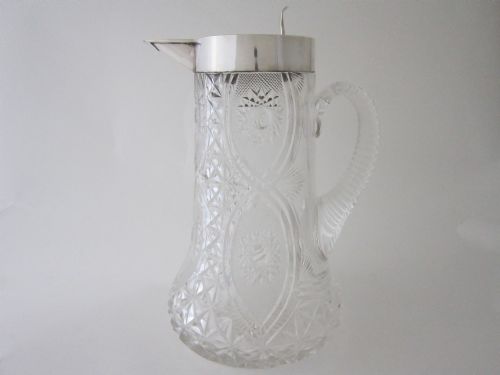
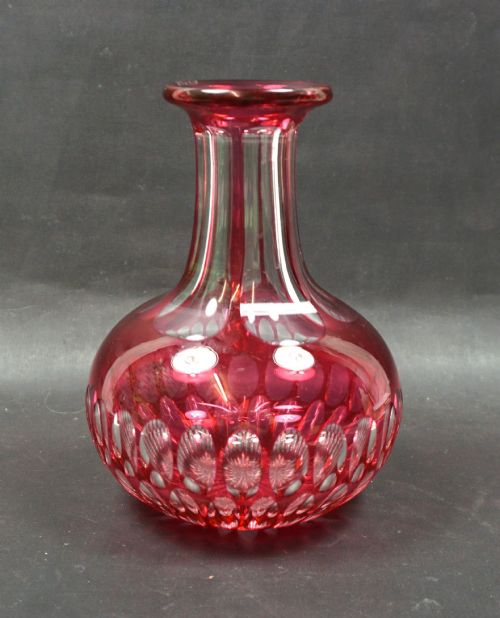
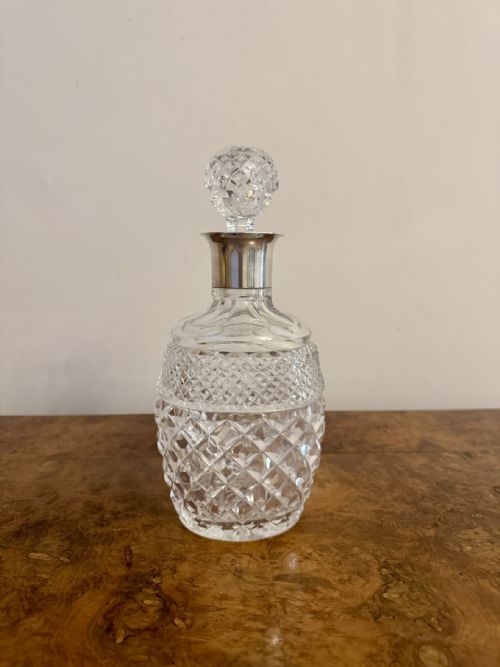
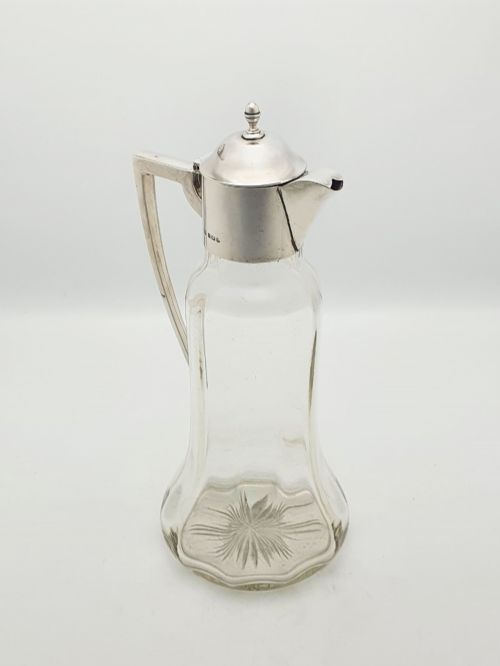
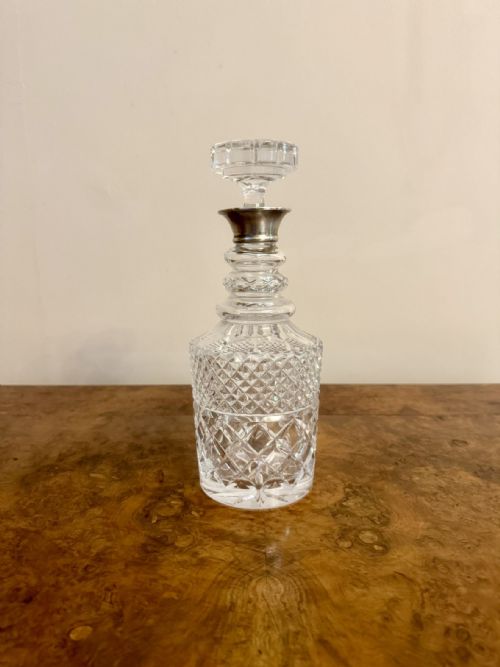
The pieces appearing on this page include clear glass, crystal, and coloured glass vessels, often accompanied by silver plate or sterling silver mounts. Formats range from personal bedside carafes to large Irish wine carafes and bell-shaped vessels.

How they were made
Makers utilised heavy lead crystal and clear glass, shaping vessels through blowing and moulding before applying deep geometric cuts such as pillars, prisms, and diamonds. Overlay techniques appeared in coloured glass, creating layered effects in cranberry, green, amethyst, and cobalt.
Mounts in sterling silver and silver plate required skilled metalwork, often fitted as collars around the neck or incorporating hinged lids and handles. Guilds and workshops also added gilding and engraving to enhance the visual depth of the cut patterns.
Cut Glass Carafe Retail Price Guide 2026
Typical asking prices for cut glass carafe among the pieces listed under this phrase on Sellingantiques today, from the lower quarter to the upper quarter. They describe what is for sale here now, not the wider market.
Listings span multiple periods including Georgian, Regency, Victorian, and Edwardian eras, featuring clear glass, lead crystal, and silver plate.
What varies in quality
The weight and clarity of the metal or glass dictate the foundational standard, with heavy lead crystal providing superior light refraction compared to standard glass. Precision in the wheel-cut facets determines the sharpness and symmetry of the geometric patterns.
The integration of silver plate or sterling silver mounts distinguishes standard productions from finer pieces, particularly where makers added ice tubes or matched tumblers. Condition of the material and the crispness of the cutting remain the primary indicators of a superior article.
James Giles·Mappin & Webb
The Cut Glass Carafe Glossary
- Cut Glass
- Glass shaped and decorated by holding it against a rotating abrasive wheel to carve facets and patterns into the surface. This technique produces sharp edges and brilliant light refraction.
- Lead Crystal
- Glass containing a high proportion of lead oxide, which increases weight, clarity, and brilliance. It is the preferred material for high-quality decanters and carafes.
- Claret Jug
- A specialised pouring vessel designed specifically for serving red wine, frequently fitted with a silver-plated or sterling silver handle, collar, and hinged lid.
- Overlay
- A technique where a layer of coloured glass is fused over a base of clear or contrasting glass, then partially cut away to reveal the underlayer through geometric patterns.
Cut Glass Carafe: Frequently Asked Questions
How do I clean an old carafe?
Residue inside historical vessels requires gentle treatment using warm water and non-abrasive cleaning beads rather than harsh detergents.
Wooden bottle drying stands help drain the interior safely without putting pressure on fragile rims.
Can I use these for daily dining?
Robust lead crystal and thick glass vessels suit regular use for water, wine, and spirits at the dining table.
Hand washing preserves the historic silver mounts and prevents thermal shock from hot water.
How do I identify a Georgian piece?
Georgian examples often display heavy kick-ups on the base, hand-polished pontil marks, and distinct pillar or prism cutting.
The glass weight tends to be exceptionally heavy due to high lead content.