

Edwardian Glass Carafe
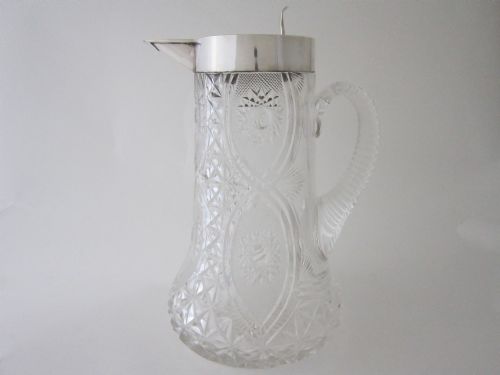
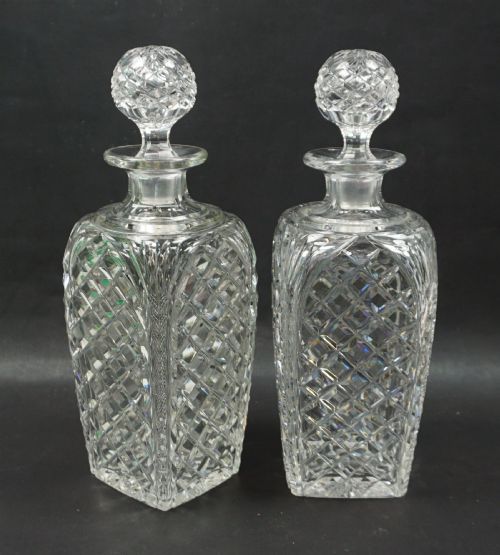
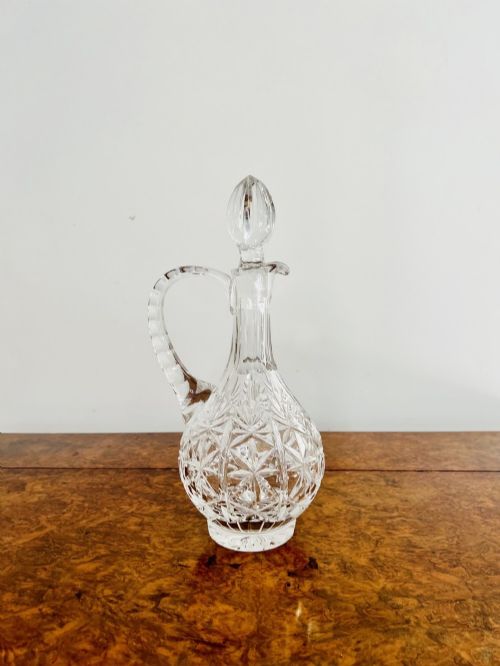
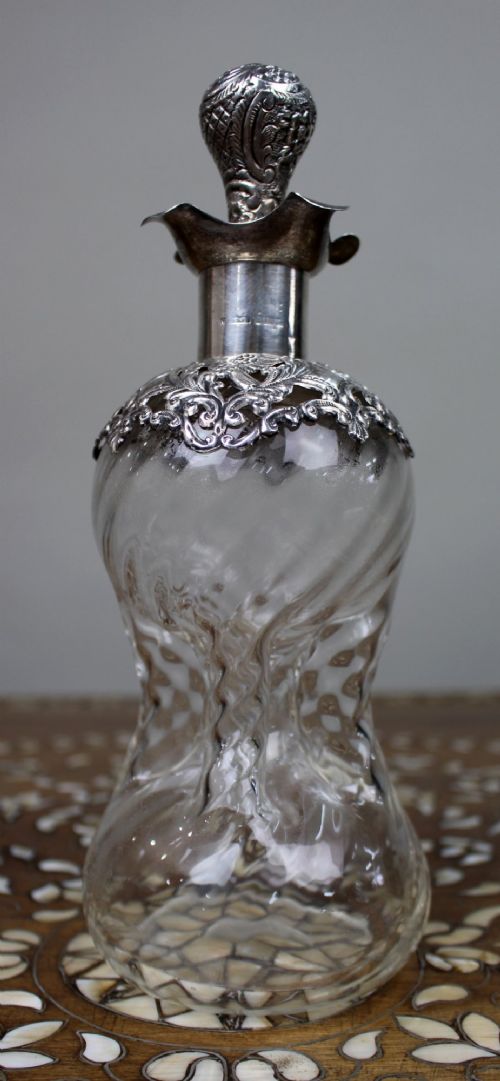
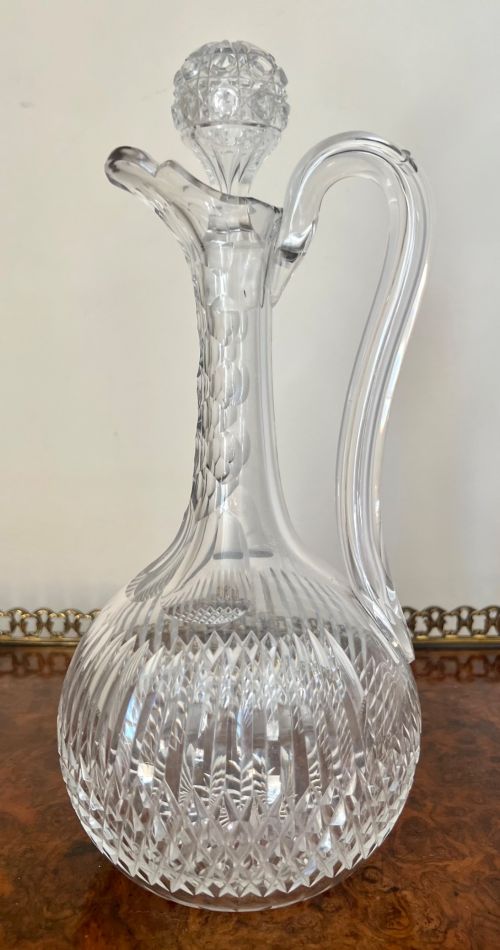
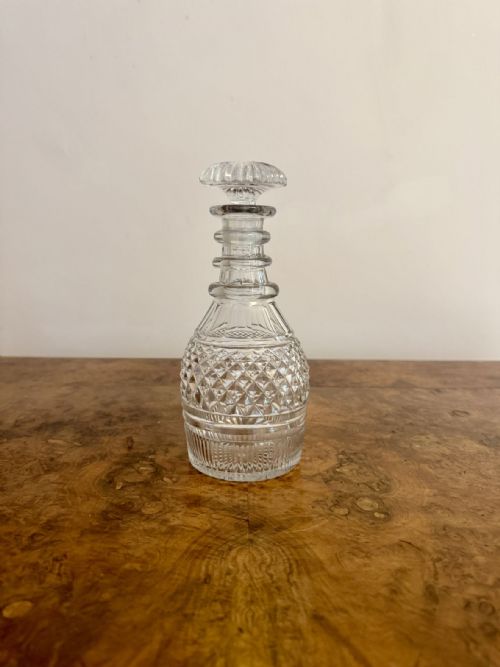
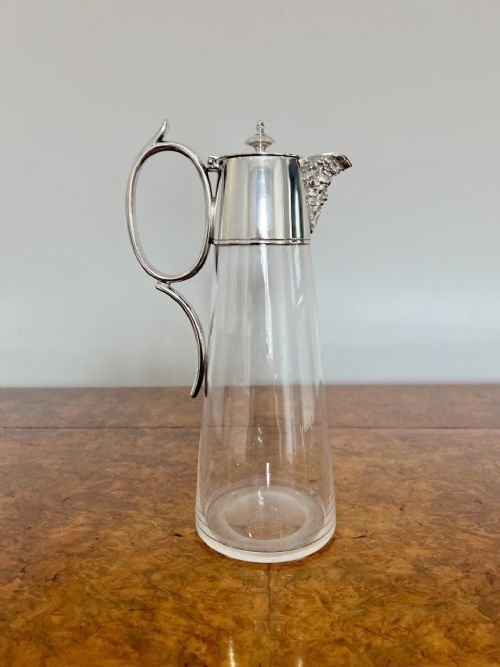
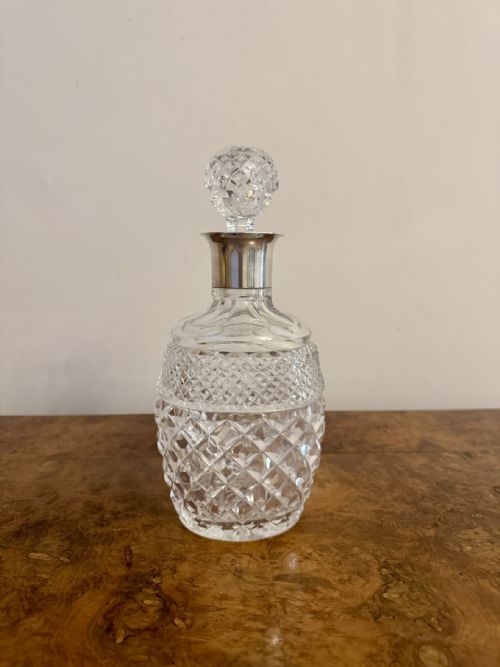
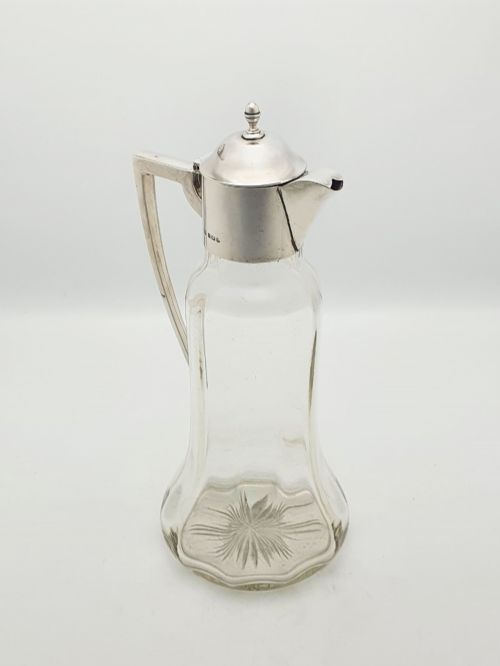
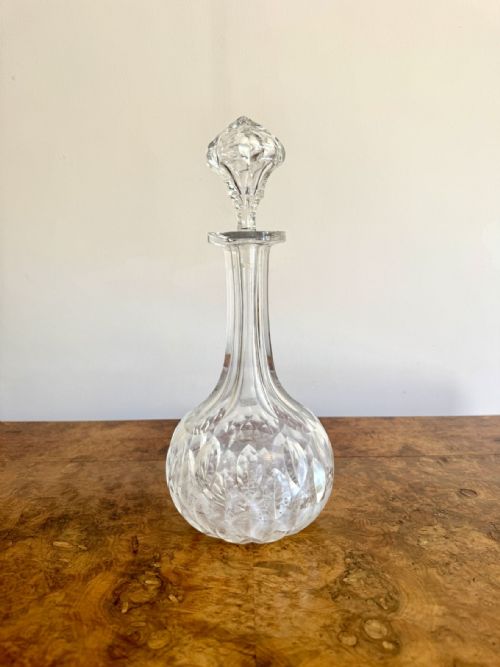
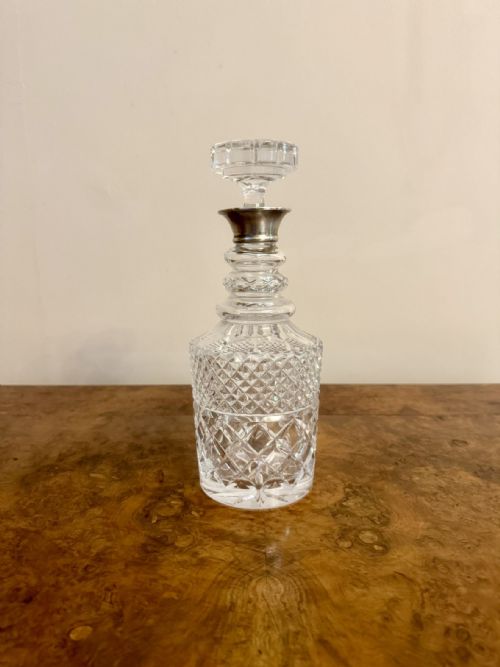
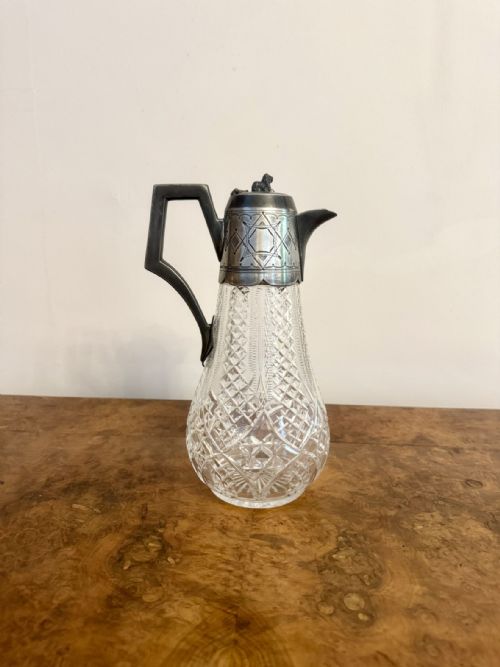
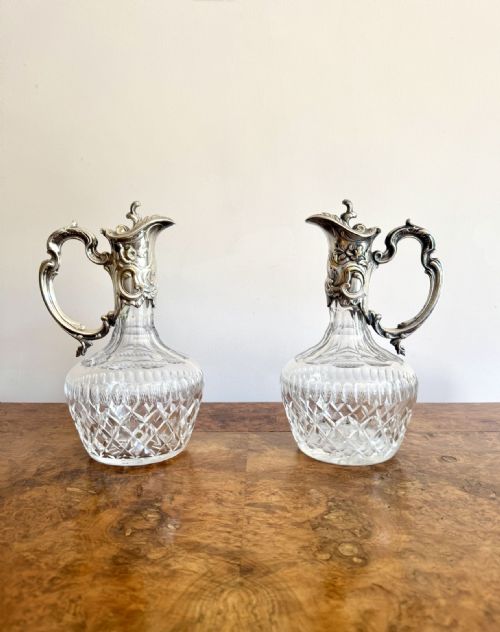
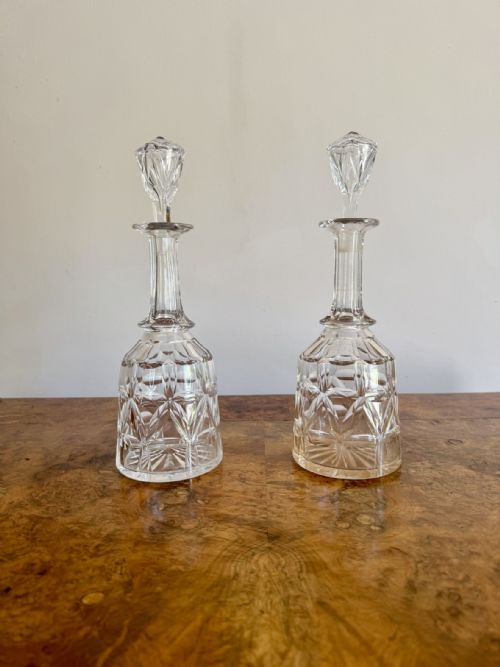
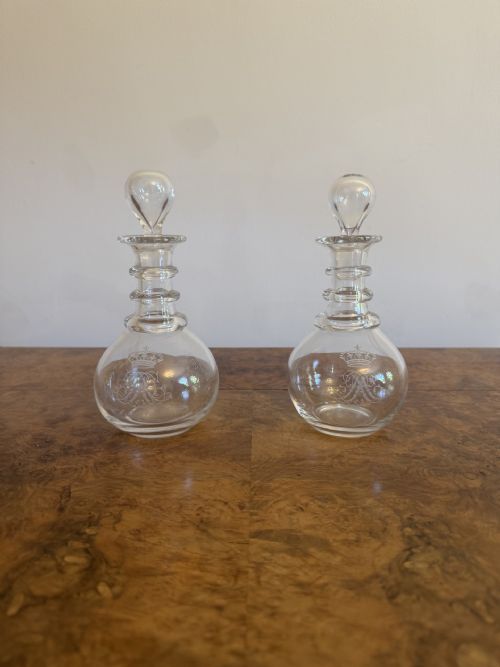
These pieces are an edwardian glass carafe, formed of heavy cut or coloured vessels mounted in silver and silver plate.
Edwardian Glass Carafe
An edwardian glass carafe brings together functional drinking vessels and decorative table items from the early twentieth century. You will frequently encounter clear cut glass and crystal examples alongside coloured glass and silver-mounted pieces.
The selection ranges from bell-shaped decanters and spirit bottles to claret jugs, ewers, and whiskey noggins. Many pieces show the distinct influence of Edwardian, Victorian, and Art Nouveau styles.
Makers paired the glass body with sterling silver collars, silver-plated mounts, or wrought iron frames. These items served dining rooms and sideboards for wine, whisky, sherry, and water.
How they were made
Glassmakers utilised lead crystal and standard glass, shaping them through blowing, optical blowing, or heavy moulding. Artisans then applied deep wheel-cutting, engraving, or acid etching to decorate the exterior surfaces.
Silversmiths and metalworkers added structural mounts, including cast sterling silver collars, hinged silver-plated lids, and wrought iron frames. Hallmarks on the metal mounts often record the assay office and date of production.
Edwardian Glass Carafe Retail Price Guide 2026
Typical asking prices for edwardian glass carafe among the pieces listed under this phrase on Sellingantiques today, from the lower quarter to the upper quarter. They describe what is for sale here now, not the wider market.
Materials recorded across the inventory include cut glass, lead crystal, sterling silver, and silver plate.
What varies in quality
The weight and clarity of the glass establish the baseline of a piece, with heavy lead crystal and deep hand-cut facets sitting above light pressed glass. Coloured glass varieties, such as ruby and cranberry, rely on the richness and uniformity of the hue.
The metal mounts introduce another measure, where substantial sterling silver collars and fully hallmarked hardware distinguish themselves from simpler silver-plated fittings. Crispness in engraved decoration and the balance of applied handles complete the distinction.
James Powell·Hukin & Heath
The Edwardian Glass Carafe Glossary
- Claret jug
- A pouring vessel designed specifically for red wine, typically fitted with a handle, hinged metal lid, and spout. They frequently combine cut glass bodies with silver plate or sterling silver mounts.
- Whiskey noggin
- A small spirit decanter or jug, often holding a single measure of whisky. These small vessels commonly feature a single handle and a sterling silver collar.
- Ewer
- A large jug with a wide spout and looped handle, used historically for water or wine at the table. In this period, they appear in heavy cut glass with decorative mounts.
- Lead crystal
- Glass containing a high proportion of lead oxide, which increases the weight, refractive index, and clarity of the material. This composition allows for deep, sharp wheel-cutting.
- Silver plate
- A layer of silver fused to a base metal core, used for the collars, lids, and mounts of vessels. It provided the appearance of solid silver at a lower cost.
Edwardian Glass Carafe: Frequently Asked Questions
What is an edwardian glass carafe used for?
These vessels were designed for holding and serving wine, whisky, sherry, and water at the dining table or sideboard.
They allowed hosts to present spirits and table wines directly from decorative glass containers rather than original bottles.
How do I clean an old glass decanter?
Gentle washing with warm water and mild detergent is recommended to preserve the glass and any metal mounts. Harsh abrasives must be avoided to protect engraved surfaces and silver collars.
Stubborn internal residue can be addressed with specialised cleaning beads rather than harsh chemical agents.
How can I tell Edwardian glass from Victorian pieces?
Edwardian items often display lighter, airier interpretations of design, frequently intersecting with early Art Nouveau or Arts and Crafts aesthetics. Victorian pieces from the preceding decades can tend toward heavier ornamentation and deeper, saturated glass colours.
Exact dating usually relies on matching silver hallmarks on the collars to assay office records.
Are the silver mounts solid silver?
Mounts vary between solid sterling silver and silver plate over a base metal core. Hallmarks stamped into the metal indicate if the component is sterling silver.