

Antique Crystal Decanter
When you handle an antique crystal decanter, you hold heavy lead glass shaped by centuries of changing dining fashions and social rituals.
Antique Crystal Decanter
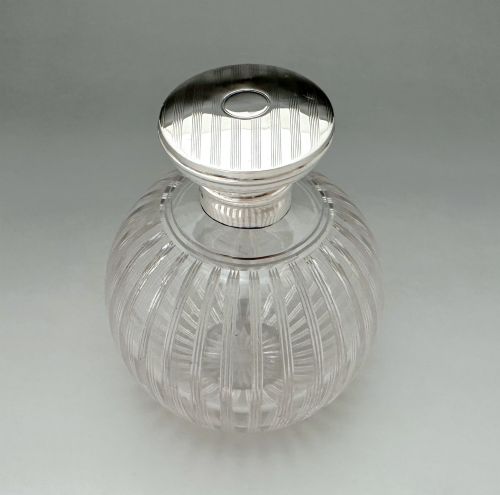
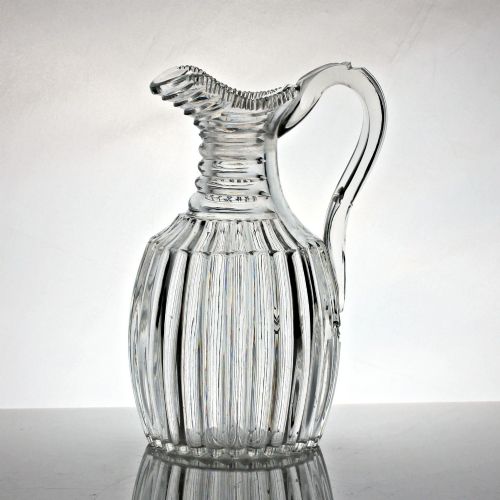
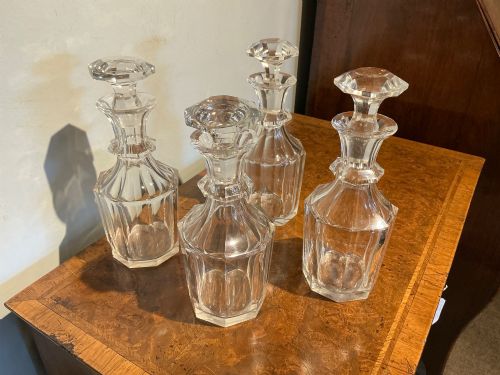
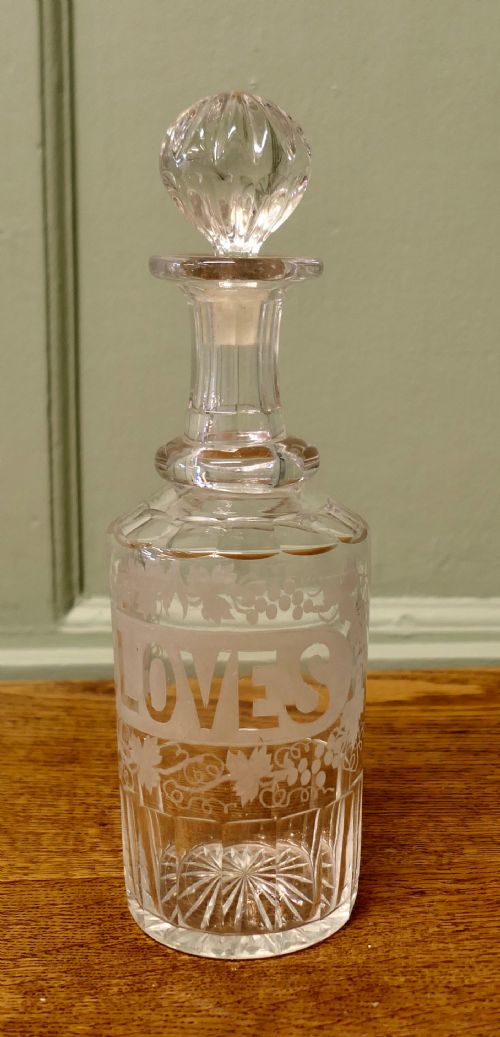
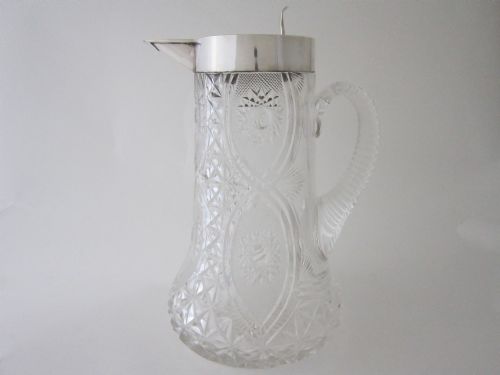
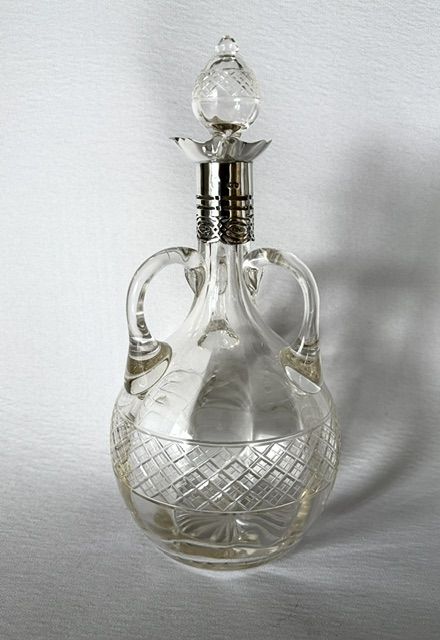
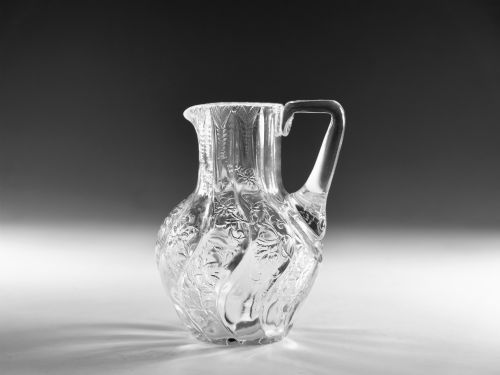
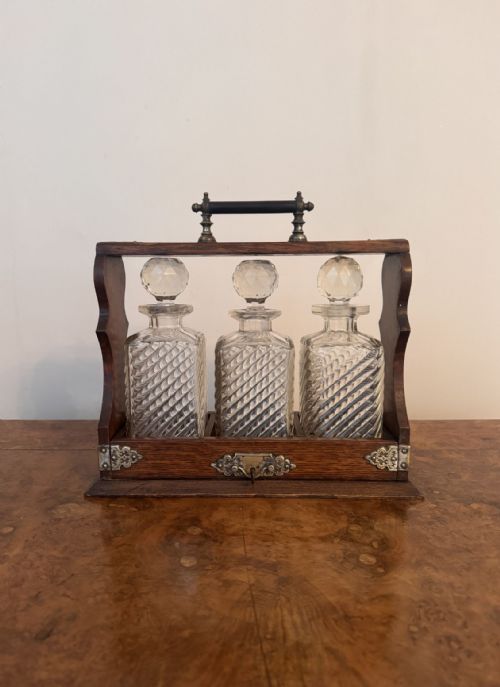
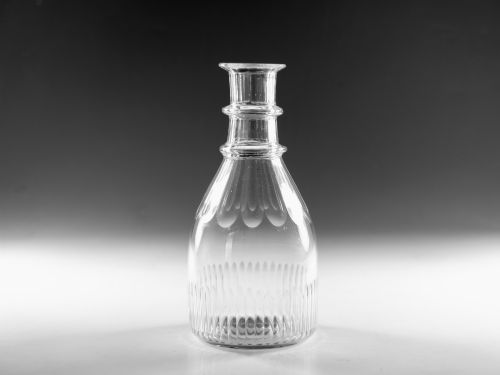
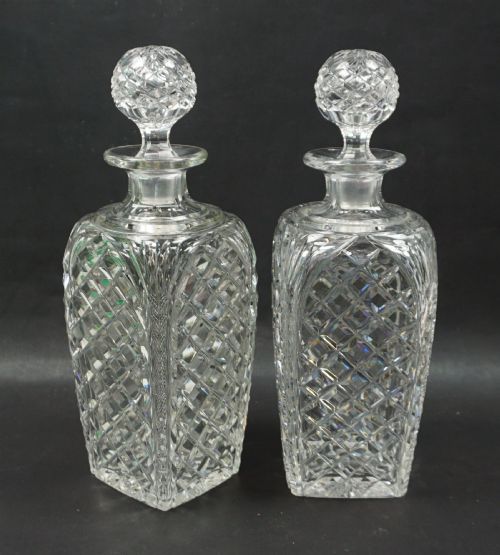
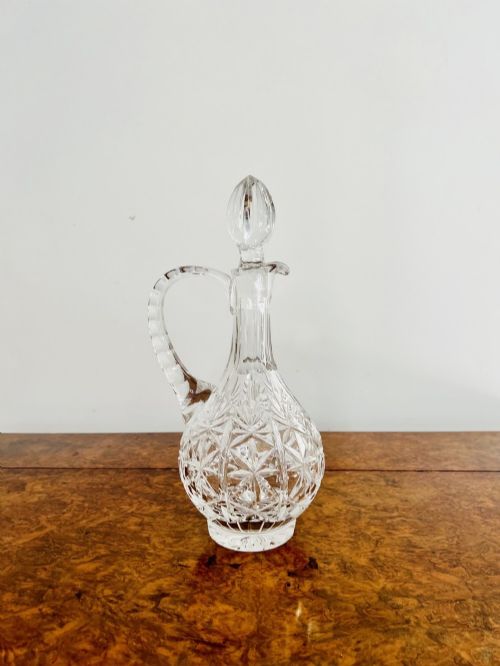
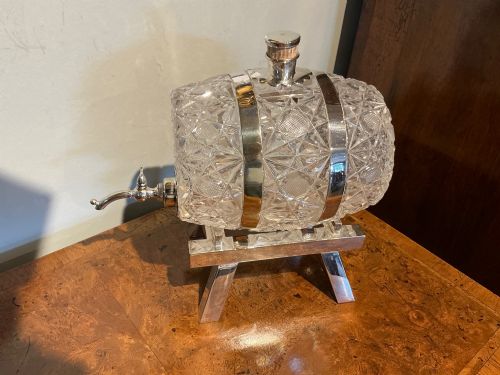
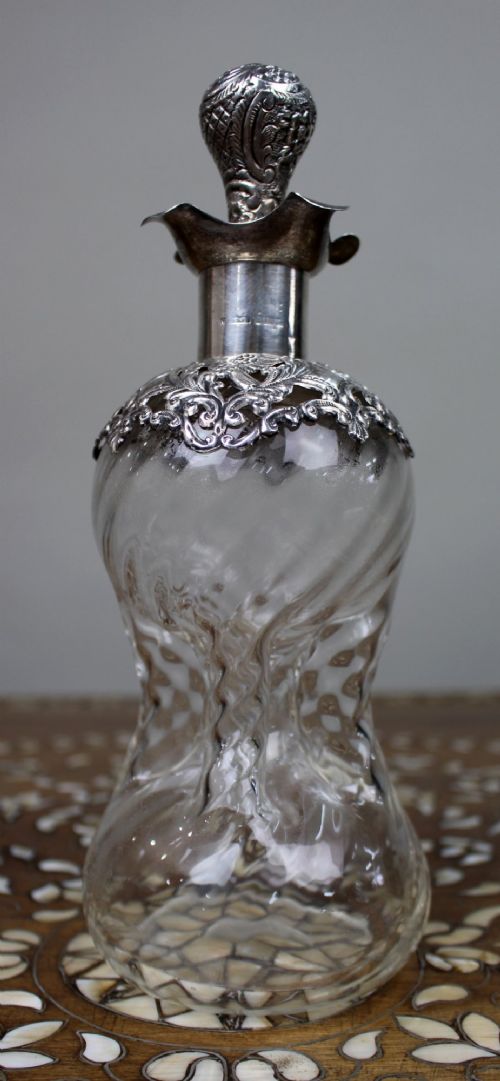
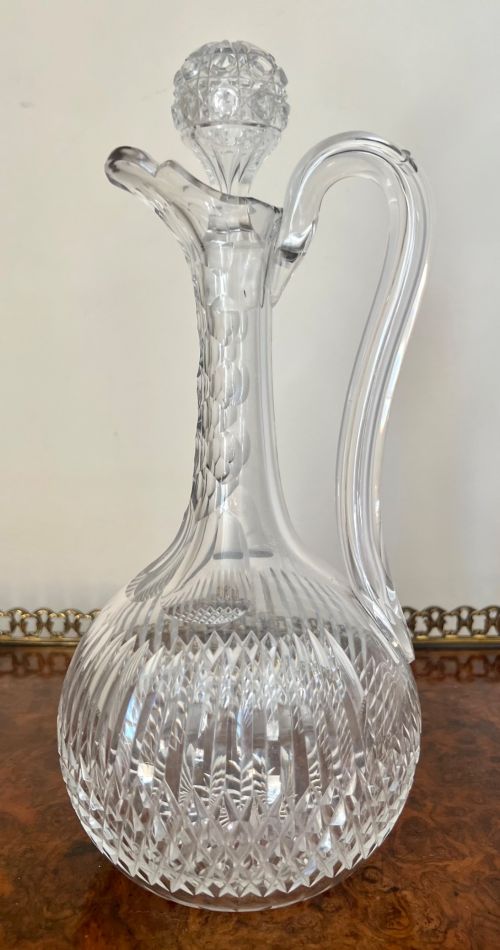
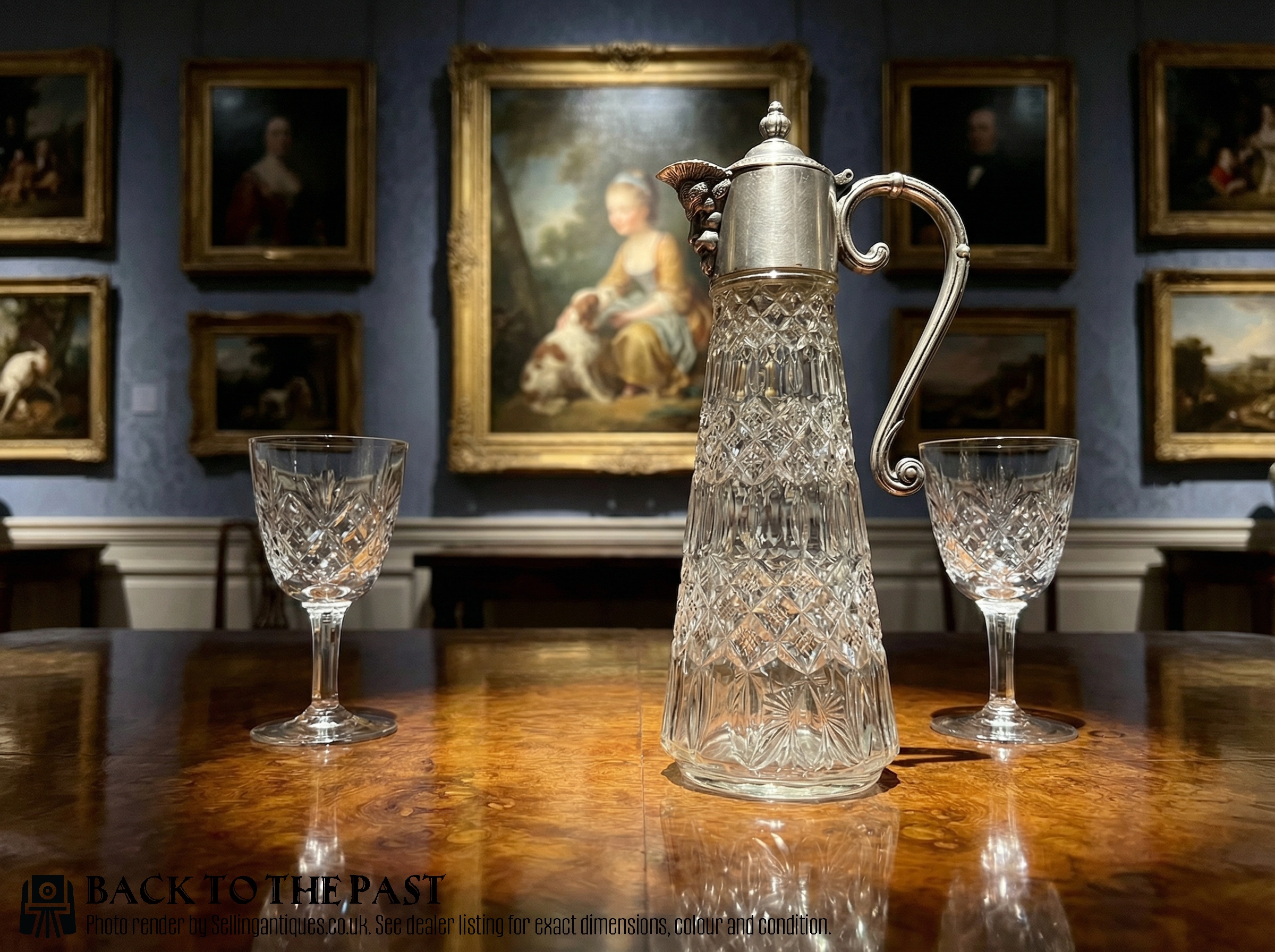
An antique crystal decanter serves as a vessel designed to hold and pour wine, spirits, or water at the formal dining table. Collectors encounter diverse forms ranging from heavy square section spirit decanters to slender claret jugs and multi-bottle tantalus sets.
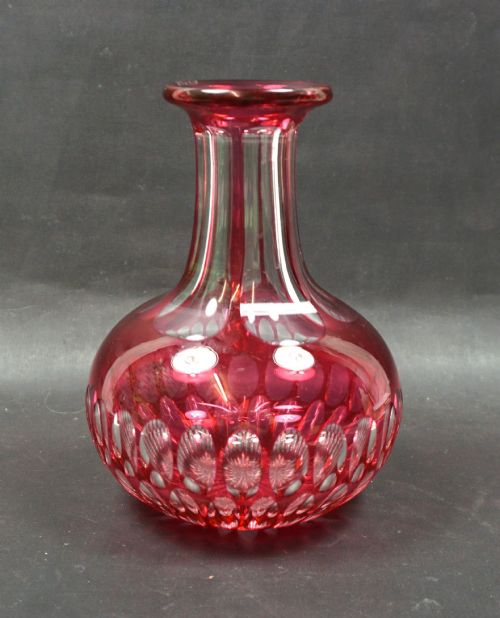
The material spans clear lead crystal, cut glass, and coloured glass variants including cranberry and cobalt hues. Many examples incorporate sterling silver, silver plate, or gilt metal mounts, collars, and stoppers dating from the Georgian era through the Edwardian period.
Production origins stretch across English glasshouses, Irish works, Bohemian makers, and French ateliers. These pieces reflect the functional elegance demanded by past generations for home entertaining and portable refreshment.
How They Were Made
Glastonbury and other glasshouses relied on heavy lead crystal formulas, blown into moulds or free-blown before undergoing intricate wheel-cutting. Artisans applied pillar, prism, and hobnail cuts to refract light through the thick walls of the vessel.
Metal components involved skilled silversmithing, casting mounts, serpent handles, and Bacchus masks from sterling silver or silver plate. These mounts were secured around necks and collars with cork linings to ensure a tight seal for the contents.
Antique Crystal Decanter Retail Price Guide 2026
Typical asking prices for crystal decanter among the pieces listed under this phrase on Sellingantiques today, from the lower quarter to the upper quarter. They describe what is for sale here now, not the wider market.
Victorian drinkers kept spirits locked away from thirsty butlers using clever mechanisms named after a mythical king.
What Varies In Quality
Depth and crispness of the glass cutting separate superior vessels from standard production, with sharp facet edges indicating master craftsmanship. The weight and purity of the lead crystal contribute directly to the resonance and clarity of the piece.
The sophistication of accompanying framework, such as coromandel, burr walnut, or mahogany tantalus boxes with functioning locks, elevates the status of the set. Original matched stoppers and hallmarked silver mounts further distinguish high-grade examples from later or married assemblages.
Asprey and Co. Ltd·Stevens and Williams·Walker and Hall·Mappin and Webb·Betjemann
The Antique Crystal Decanter Glossary
- Tantalus
- A locking wooden frame that secures decanters to prevent unauthorized access to the spirits inside. These secure stands typically house two or three cut crystal bottles.
- Claret Jug
- A specialised pouring vessel with a hinged metal lid and handle, utilised specifically for serving red wine. Many incorporate silver plated or sterling mounts shaped into animal or mask motifs.
- Hobnail Cut
- A raised, multi-faceted diamond pattern cut into the surface of the glass resembling the hobnails on traditional boots. This technique provides enhanced grip and brilliant light refraction.
- Pillar and Prism Cut
- Linear and geometric facets ground into the heavy body of early decanters to create optical effects. This style dominates many Georgian and Regency drinking vessels.
- Collar
- The metal ring fitted around the neck of a decanter to support a pouring lip or secure a stopper chain. These bands frequently bear silversmith hallmarks and decorative engraving.
Antique Crystal Decanter: Frequently Asked Questions
How do I clean an old decanter safely?
Wash the glass gently in warm water using mild detergent and a bottle brush with soft bristles. Avoid sudden temperature changes to prevent the aged lead crystal from cracking.
Dry the exterior thoroughly and leave the stopper out until the interior moisture evaporates completely.
What is a tantalus set?
A tantalus is a locking cabinet or stand that holds crystal decanters securely in place with a metal bar. This clever mechanism kept expensive spirits safe from household staff while remaining visible.
Most units feature fitted wooden bases made from burr walnut, oak, or mahogany, occasionally housing games drawers.
How can I date my decanter?
Examine the base for pontil marks, shape proportions, and cutting styles that align with specific manufacturing periods. Georgian pieces often feature heavier shaft and globe profiles, while Edwardian versions lean towards slender square sections.
Silver collars frequently bear hallmarked dates that provide a precise year of manufacture.
Are original stoppers important?
Original stoppers that match the cut and tint of the decanter body add significant value and authenticity. Finding a replacement stopper that fits the ground glass neck precisely can prove challenging.
Collectors look for numbered markings on both the stopper and base to confirm they were blown and cut as a pair.