
Clear Glass Pitcher
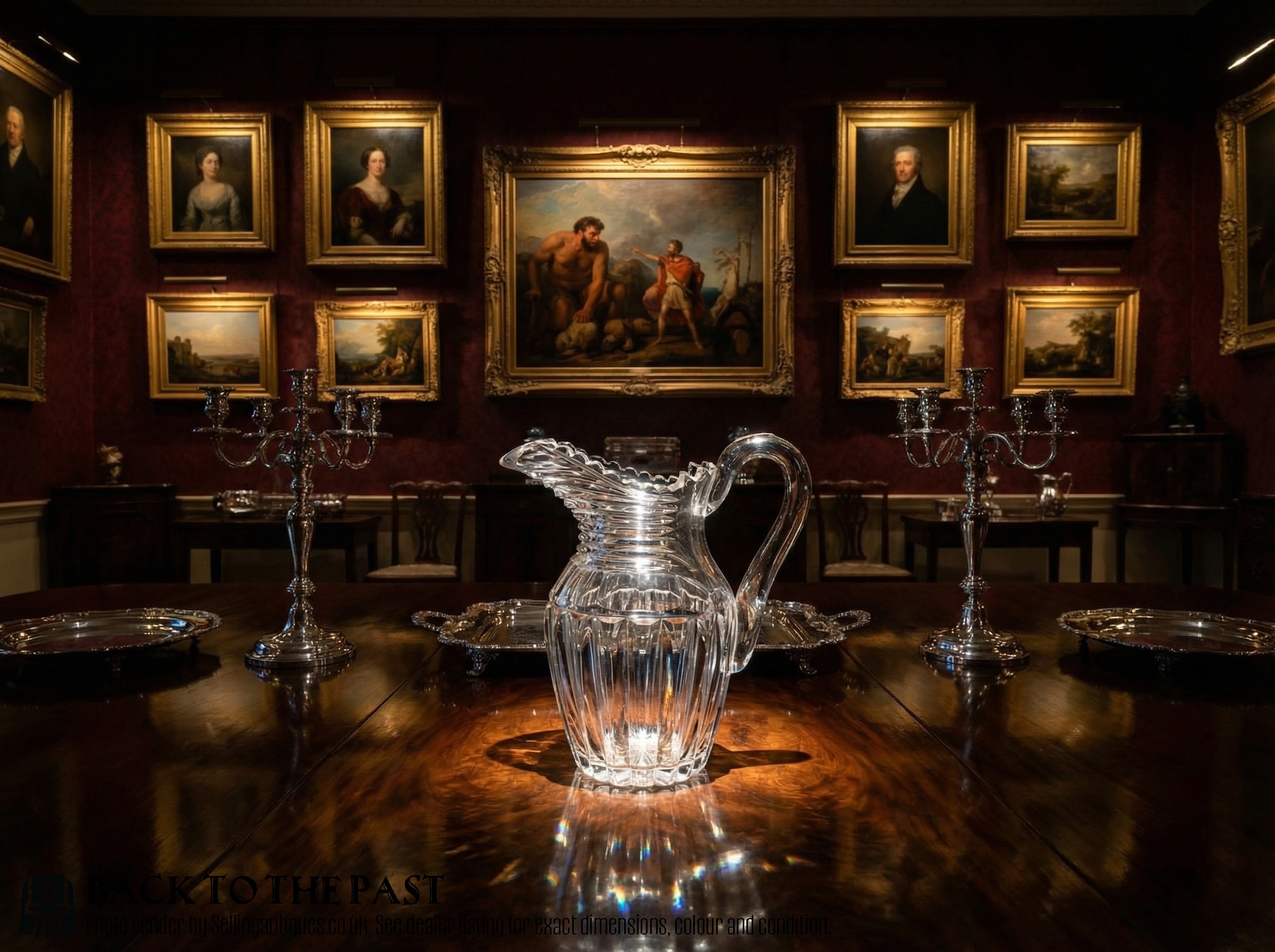
A clear glass pitcher brings practical function and brilliant light reflection to the table, uniting centuries of refined craftsmanship.

Clear Glass Pitcher
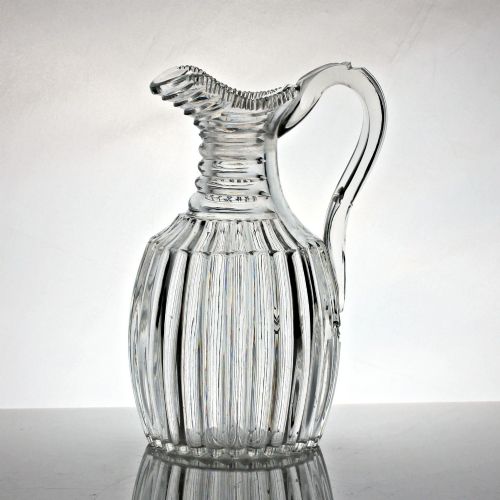
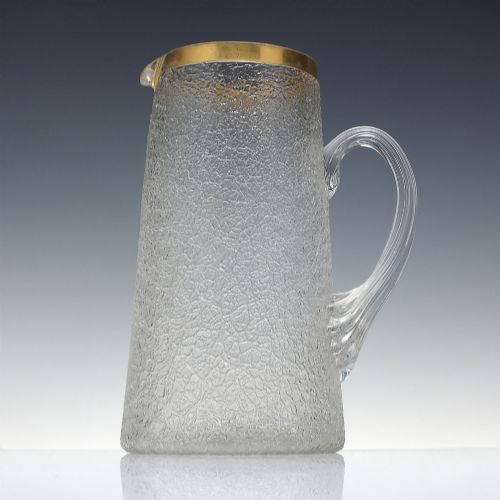
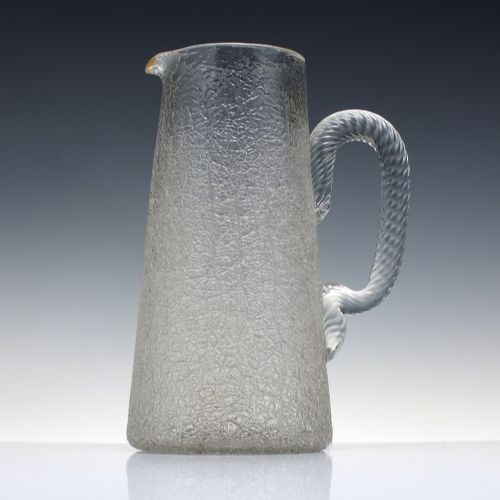
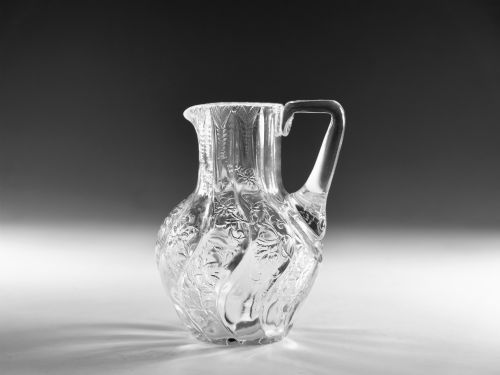
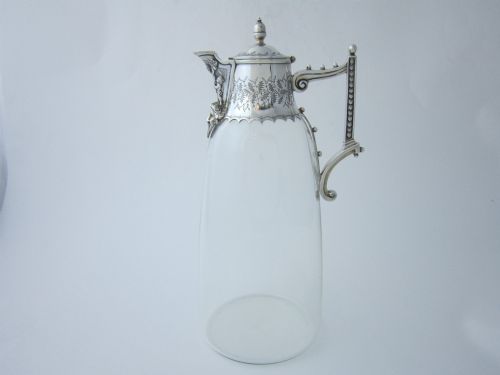
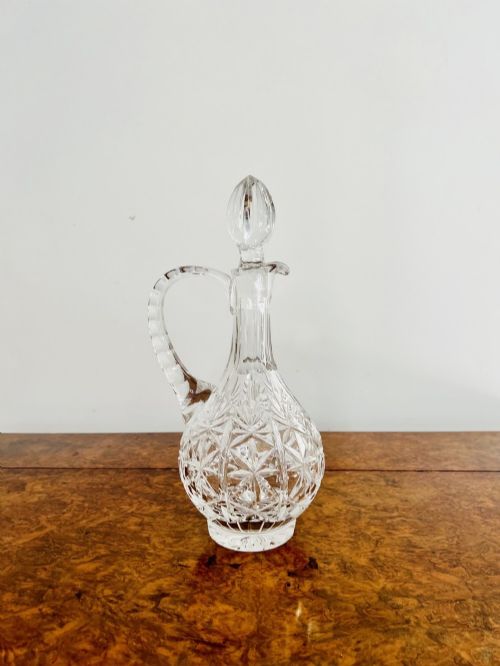
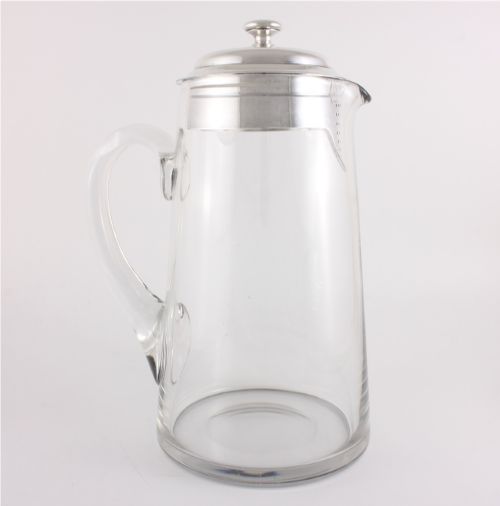
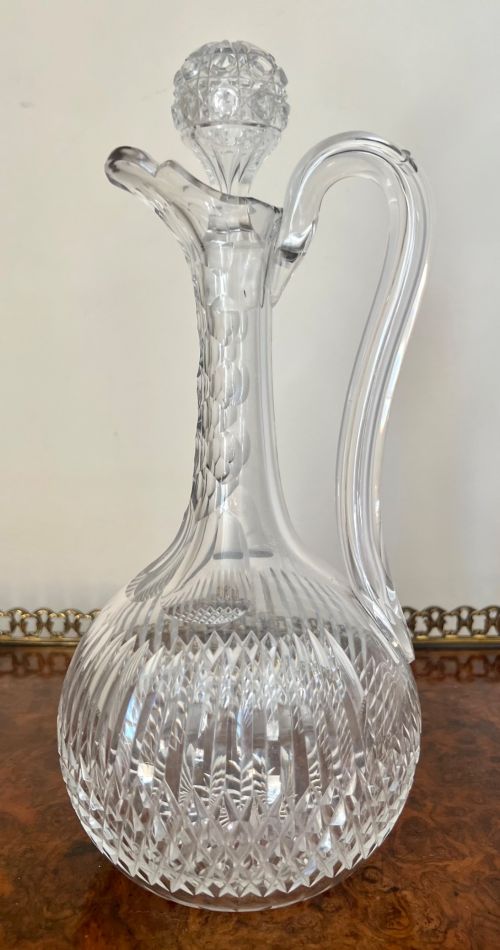
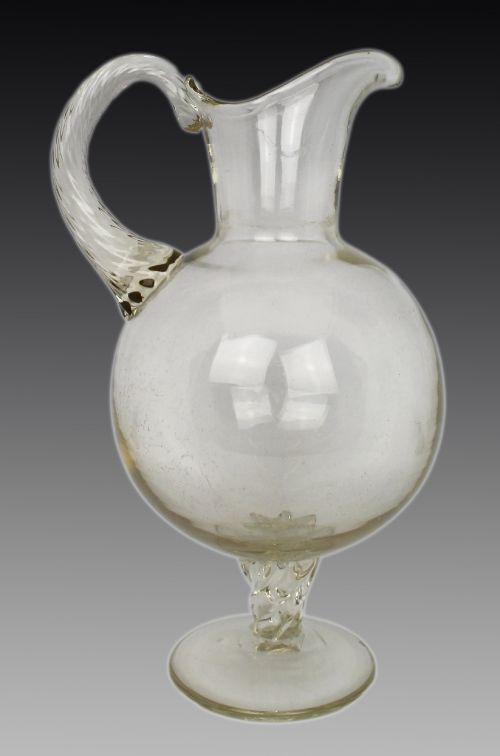
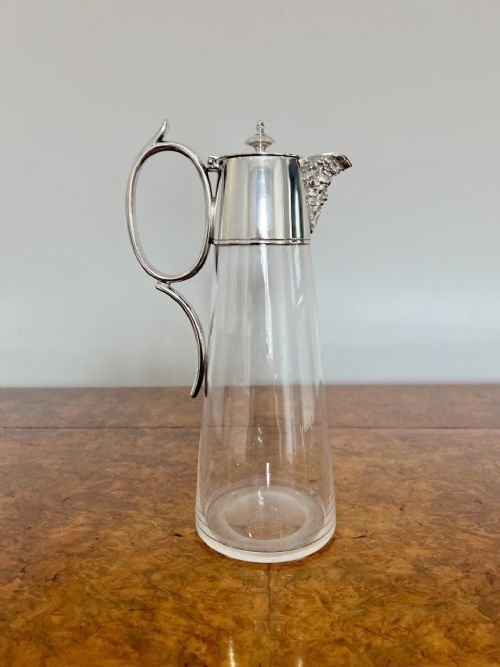
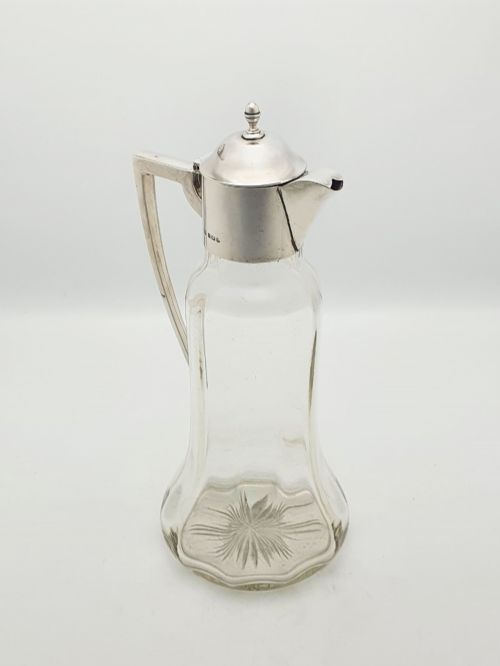
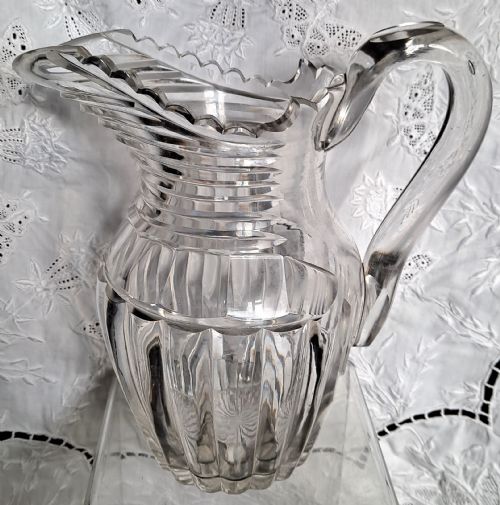
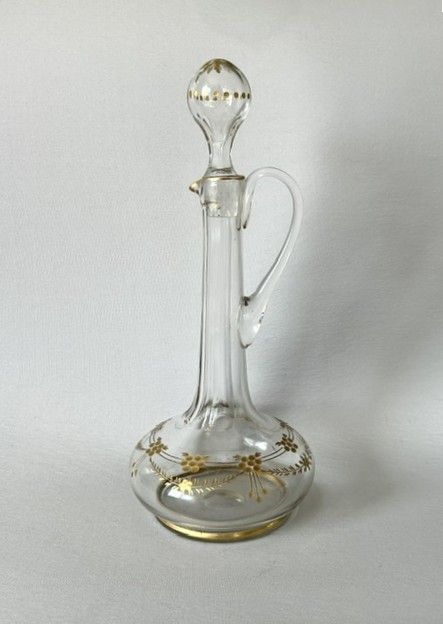
A clear glass pitcher serves as a functional vessel designed for water, wine, lemonade or claret, appearing across multiple nineteenth-century and early twentieth-century periods. When examining a clear glass pitcher on this page, a buyer encounters forms ranging from tall overshot water jugs to silver-mounted claret jugs and cut glass ewers. These pieces originate from Victorian, Edwardian, Georgian, and Art Deco eras, reflecting diverse decorative traditions.
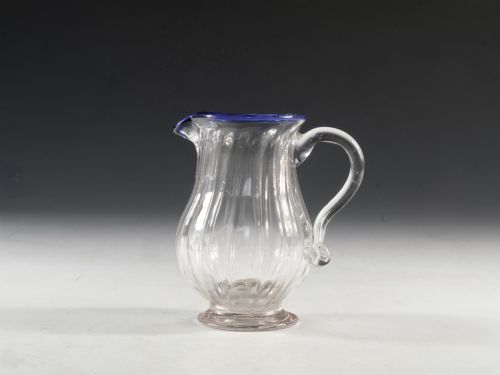
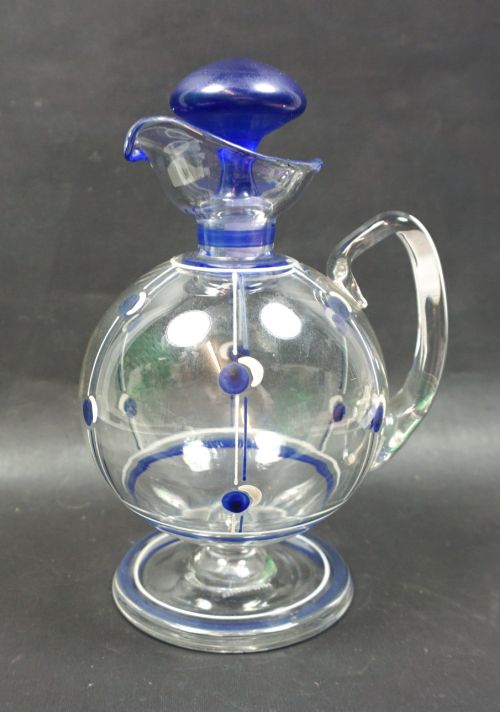
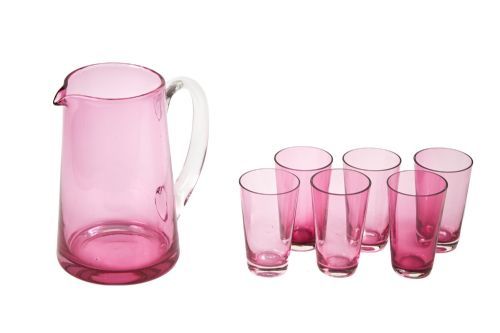
The selection includes specialised vessels such as whiskey noggins, champagne jugs, and lemonade jugs equipped with ice tubes. Many examples combine transparent glass with sterling silver mounts, silver plate, or coloured glass accents like cranberry, green, or blue rims. Buyers will find both plain blown forms and deeply cut crystal designs suited for formal dining or casual service.
Materials and construction
Makers shaped these vessels using free-blowing, mould-blowing, and hand-cutting techniques in glasshouses across England, Ireland, Bohemia, and France. Lead crystal and clear glass provided the primary medium, allowing artisans to apply wheel-cutting, intaglio engraving, etching, and gilding directly to the surface.
Metal components added structural integrity and elegance, utilising sterling silver and silver plate for mounts, handles, hinged lids, and rims. Workshops often integrated applied glass threads, enamel decoration, or internal ice tubes to enhance both utility and visual appeal.
Clear Glass Pitcher Retail Price Guide 2026
Typical asking prices for clear glass pitcher among the pieces listed under this phrase on Sellingantiques today, from the lower quarter to the upper quarter. They describe what is for sale here now, not the wider market.
The listings encompass Victorian, Edwardian, and Art Deco periods, featuring materials such as lead crystal, silver plate, and cranberry glass.
Markers of distinction
Quality rests upon the crispness of the glass cutting, the weight and clarity of the crystal, and the balance of the overall form. Superior pieces exhibit deeply ground facets, smooth polished pontil marks, and precise symmetry in handles and spouts.
The integration of metalwork distinguishes finer examples, where hallmarked sterling silver mounts fit the glass neck with exact precision. Artisanal touches such as detailed hand-engraving, intaglio motifs, or undamaged gilding elevate a piece above standard production wares.
Stevens & Williams·Christofle·Mappin & Webb·Webb Corbett·Richardsons
The Clear Glass Pitcher Glossary
- Claret jug
- A specialised pouring vessel designed specifically for serving red wine, typically featuring a glass body with a hinged metal lid and handle.
- Ewer
- A large jug with a wide spout and a decorative handle, often used historically for water at the dining table or washstand.
- Overshot glass
- A technique involving the application of fine glass threads trailed haphazardly across the surface to create a textured, icy appearance.
- Intaglio
- A method of glass engraving where the design is carved deeply into the surface below the plane of the glass, creating a frosted relief effect.
- Pontil mark
- The rough scar left on the base of a blown glass object where the pontil rod was snapped off after shaping.
Clear Glass Pitcher: Frequently Asked Questions
How do I clean an antique glass pitcher?
Wash the vessel gently by hand using warm water and mild soap, avoiding sudden temperature changes that can crack old glass. A soft bottle brush helps reach internal bases without scratching the interior surface.
Keep silver-plated or sterling silver mounts dry by wiping them immediately after washing to prevent tarnishing or corrosion of the metal components.
Can I use these pitchers for daily dining?
Many sturdy cut glass and crystal pitchers remain entirely suitable for serving water, juice, or wine during modern meals. Their robust nineteenth and twentieth-century construction handles everyday liquids comfortably.
Exercise caution with pieces featuring delicate enamel work, gilding, or overshot threads, reserving those fragile examples for display or gentle occasional use.
How do I distinguish Victorian from Edwardian pieces?
Victorian glass often displays heavier, more exuberant ornamentation including deep pillar cutting, cranberry staining, and ornate silver-plated mounts. Forms from this era tend to prioritize rich decorative impact.
Edwardian pieces frequently embrace lighter, cleaner silhouettes inspired by earlier Georgian styles, utilising brilliant-cut crystal and refined sterling silver mounts that reflect changing twentieth-century tastes.
What is the purpose of an ice tube?
An integrated metal or glass ice tube slides down into the centre of a lemonade or water jug to chill the contents without diluting them with melting ice water. This clever nineteenth-century innovation kept drinks cold during warm weather dining.
Pitxers fitted with these original removable tubes represent sophisticated examples of period barware and tableware engineering.