


Antique Glass Water Jug
These antique glass water jugs bring weight, texture, and historical craft straight to the modern table.

What these antique glass water jugs are
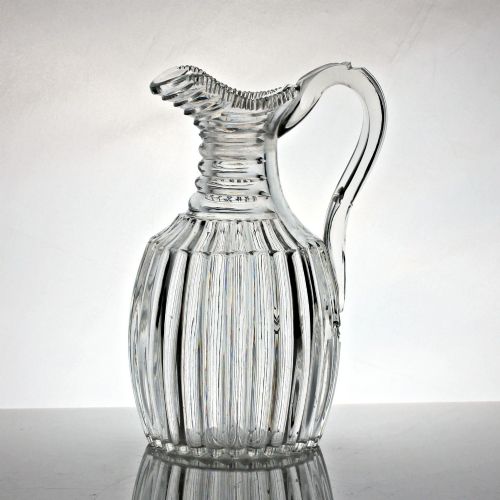
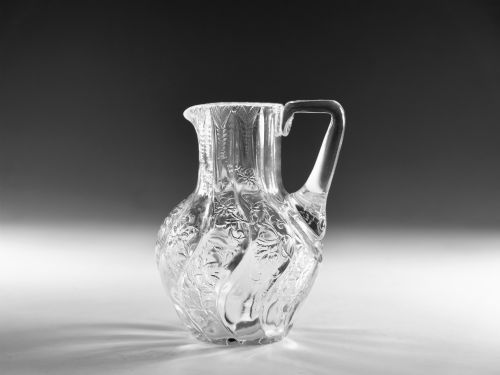
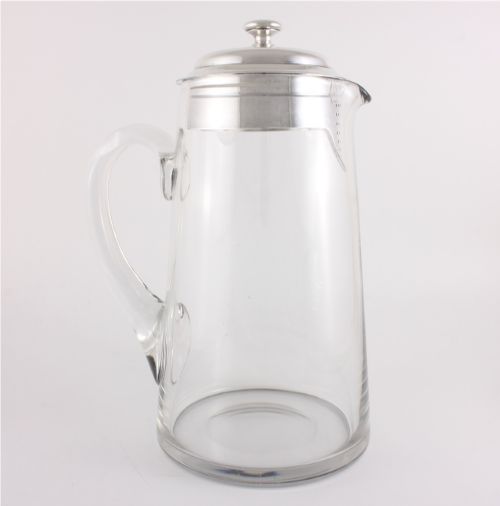
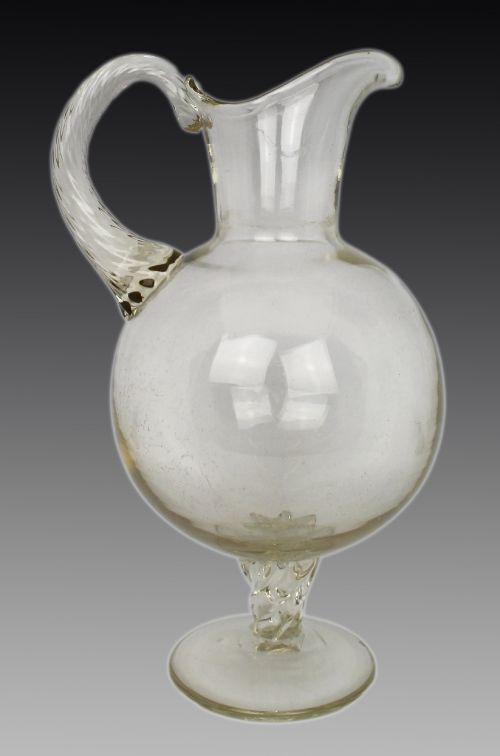
When you search for an antique glass water jug, you encounter functional pouring vessels designed to serve water, lemonade, and other refreshments at the dining table or sideboard. The selection spans the Victorian and Edwardian eras, with notable pieces originating around eighteen eighty and nineteen hundred.
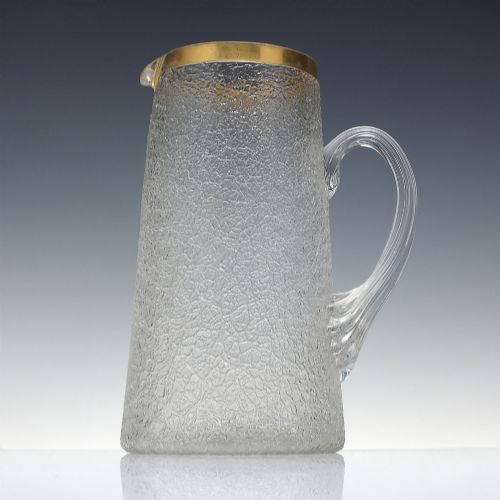
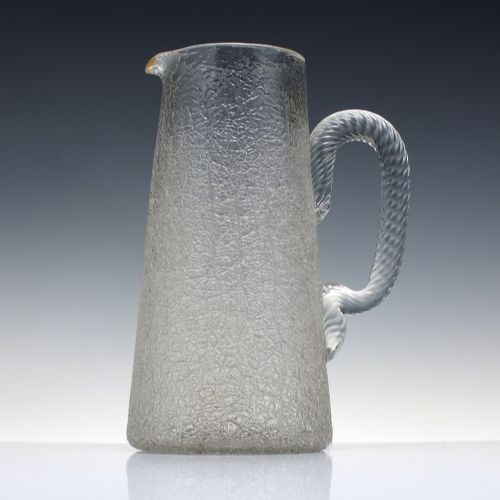
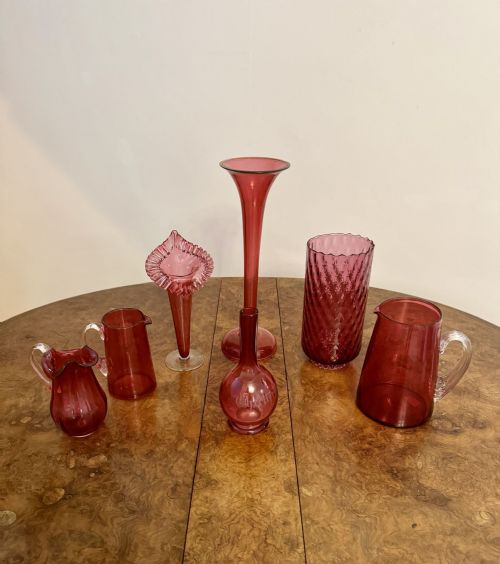
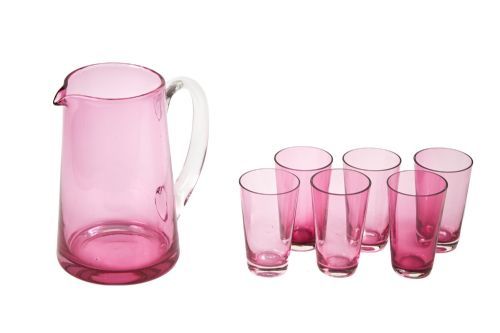
You meet several distinct forms within this category, ranging from large overshot glass pitchers with gilded rims to vibrant green glass pitchers attributed to Mary Gregory. Many examples showcase clear glass or rich ruby red coloration, alongside traditional jugs and pitchers shaped for daily domestic use.
How they were made
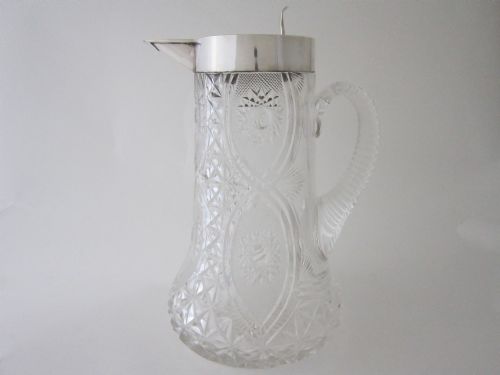
The materials and techniques recorded in these pieces rely upon lead crystal and clear glass, shaped by hand-blowing and heavy moulding. Artisans applied surface decoration through wheel-cutting, hand-engraving, and etching, frequently depicting natural motifs such as birds and branches.
Further ornamentation involved delicate additions like gold leaf applied to rims and detailed enamel work, particularly seen in painted figural scenes. These methods required skilled manipulation of hot metal followed by meticulous cold-work finishing to achieve facets, handles, and polished rims.
Retail Price Guide 2026
Typical UK retail prices for glass water jug, calculated from the Sellingantiques database of over a million retail prices indexed since 2003. This retail price guide relies exclusively on Sellingantiques data; no external sources or auction records are used, so the figures do not describe the wider market.
Several Victorian jugs feature hand-etched birds perched on branches, bringing miniature wildlife directly to the dining table.
What varies in quality
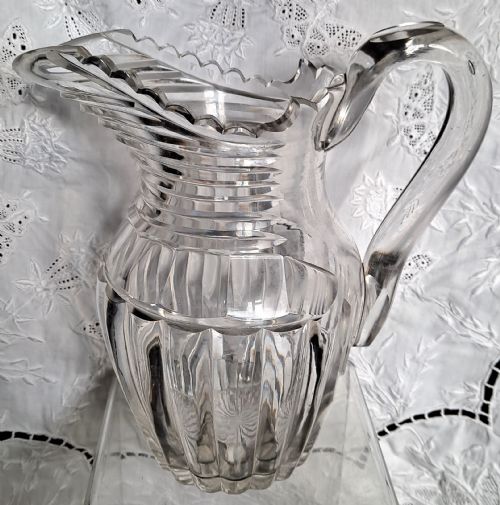
Quality rests upon the crispness of the cutting and the clarity of the metal, where sharp, deep facets catch the light differently than soft, shallow moulding. The balance of the applied handle and the stability of the thick base distinguish workshop output.
Decorative ambition also separates standard vessels from finer examples, seen in the precision of hand-engraved birds or the intact preservation of gold leaf and enamel details. Heavier lead crystal naturally provides a more resonant ring and greater heft when lifted.
Mary Gregory
The Antique Glass Water Jug Glossary
- Lead crystal
- Glass containing a substantial proportion of lead oxide, which increases brilliance, weight, and the refractive index. This material allows for deeper and sharper cutting without fracturing.
- Overshot glass
- A style featuring a textured surface created by rolling hot glass over fine threads of glass cullet. This technique yields a frosted, rough tactile quality.
- Mary Gregory style
- Enamel decoration depicting silhouetted white children amidst foliage, typically fired onto coloured glass bodies. The attribution honours the decorator associated with this distinct Victorian aesthetic.
- Wheel-engraving
- A cold-working technique where a glass vessel is pressed against rotating abrasive wheels of various sizes. It produces intricate pictorial scenes and delicate shading across the surface.
Frequently Asked Questions
Can I still use these jugs for serving water?
These robust vessels remain fully functional for serving water, lemonade, or wine at the modern table. Their thick walls and sturdy handles were built for everyday hospitality.
Take care when pouring ice cubes into older lead crystal to avoid chipping the interior rim or base, and lift by the body alongside the handle if the jug is exceptionally heavy.
How do I date an Edwardian cut glass jug?
Edwardian jugs typically display brighter metal and dense, machine-influenced cutting patterns developed around nineteen hundred. Look for structural proportions that favour lighter elegance compared to earlier Victorian weights.
Examine the base for signs of wear, noting how the pontil mark was ground down or polished smooth, which helps separate turn-of-the-century manufacturing from mid-nineteenth-century traditions.
What defines Victorian green glass pitchers?
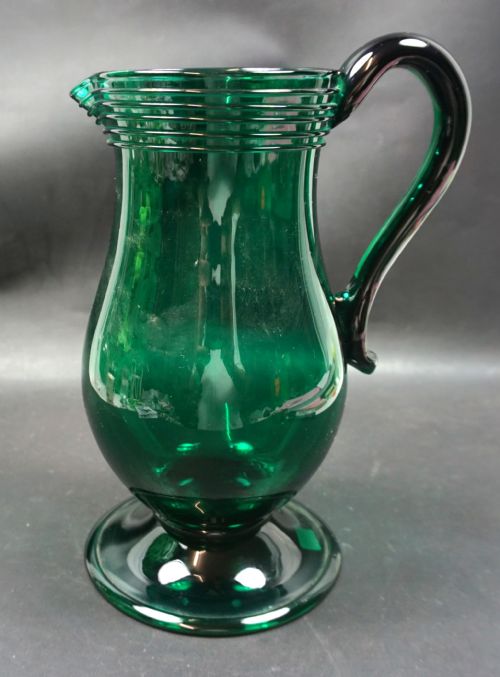
Victorian green glass pitchers utilise rich hues ranging from pale moss to deep forest tones, often paired with hand-painted enamel decoration. They reflect the mid-to-late nineteenth-century interest in coloured tableware and novelty decorative techniques.
Many incorporate applied handles and polished pontil marks, demonstrating the manual labour typical of workshops operating around eighteen eighty.