
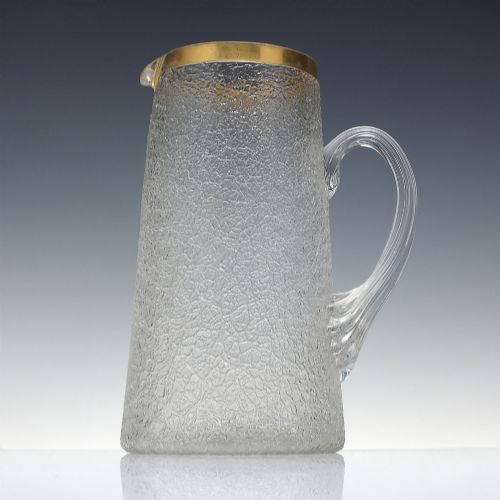
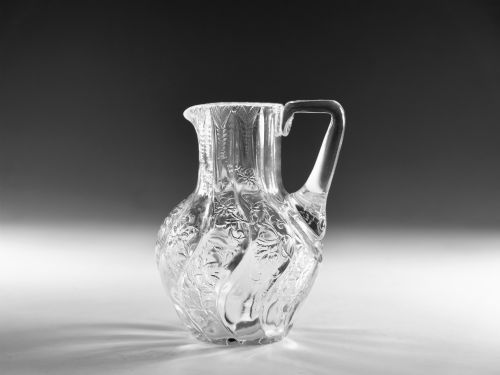
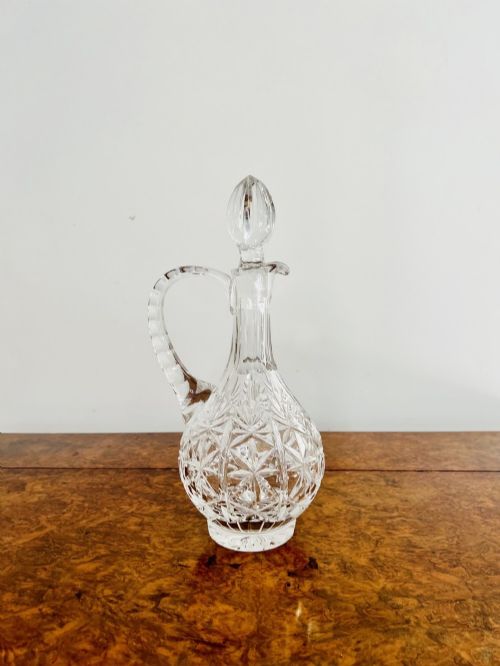
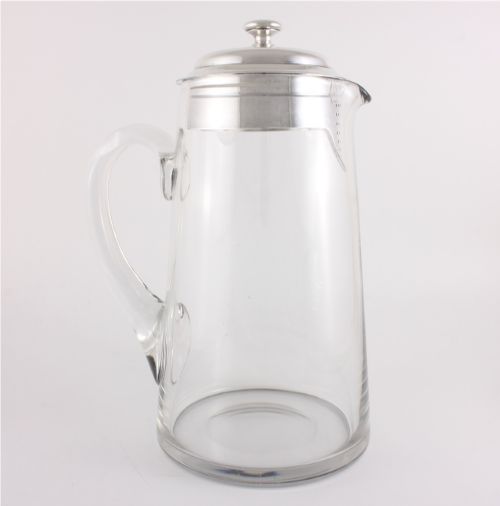


Vintage Clear Glass Pitcher
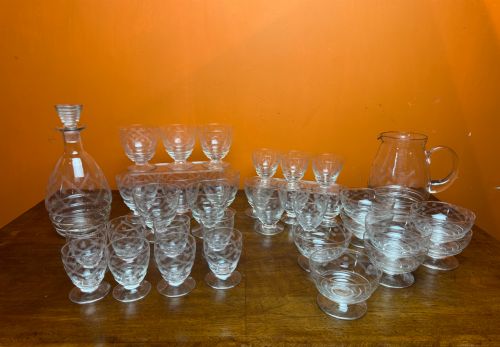
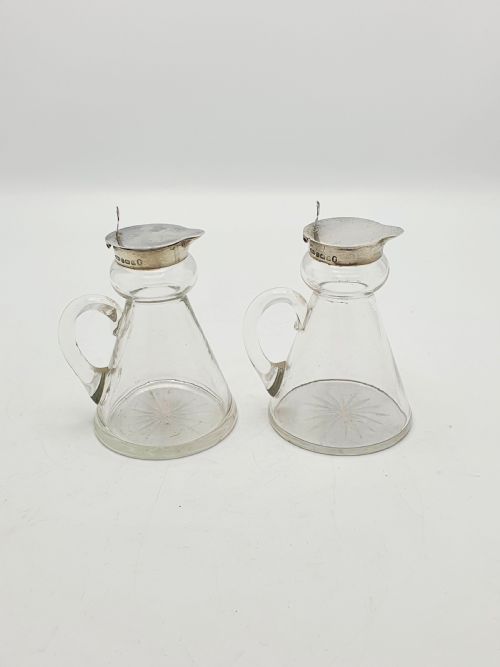
These vintage clear glass pitcher selections offer brilliant cut crystal and silver mounts to serve wine and water with period elegance.

Vintage Clear Glass Pitcher
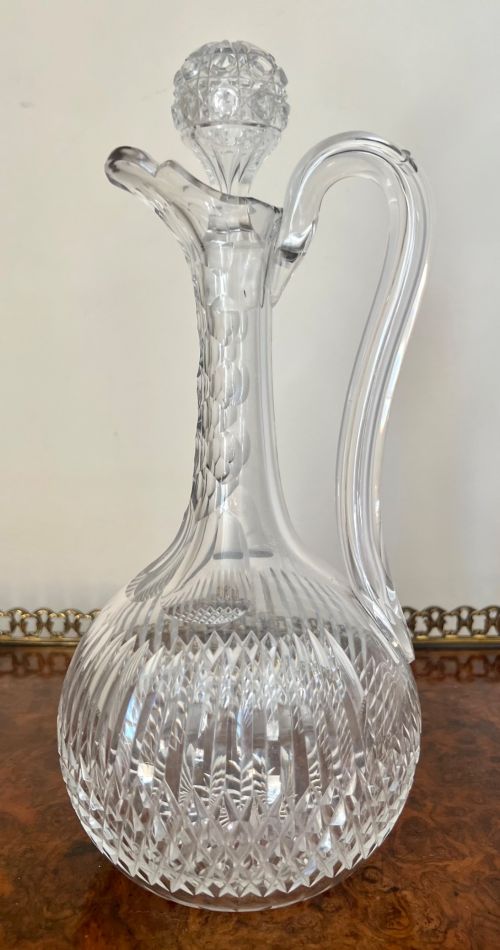
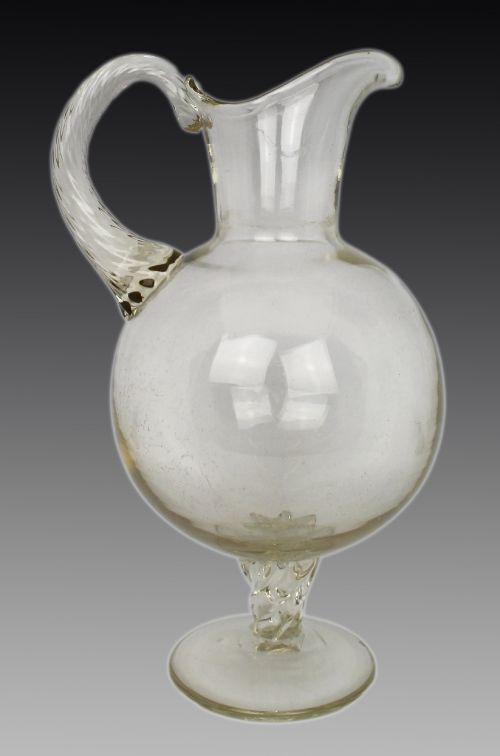
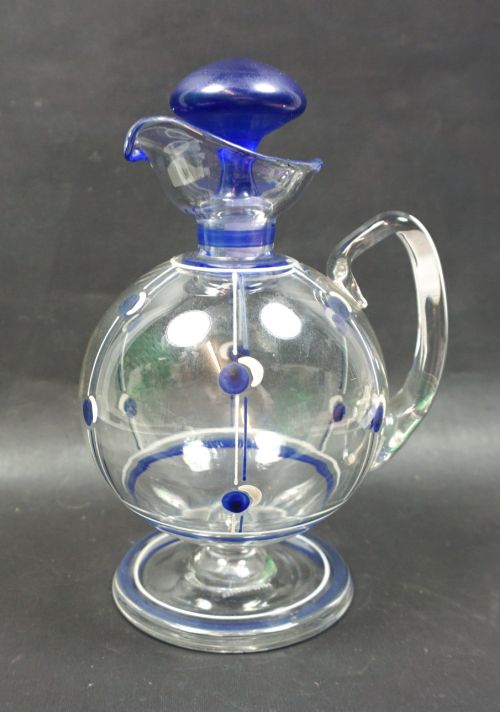
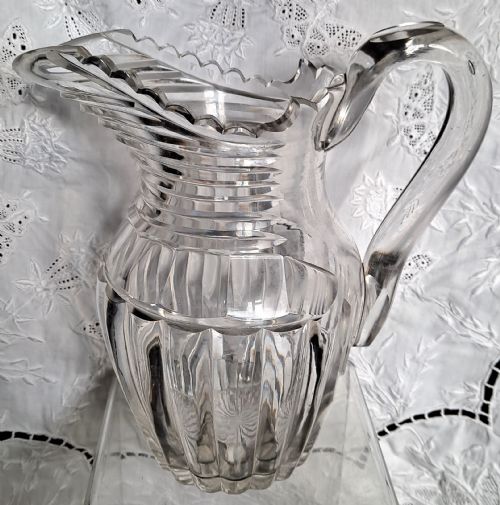
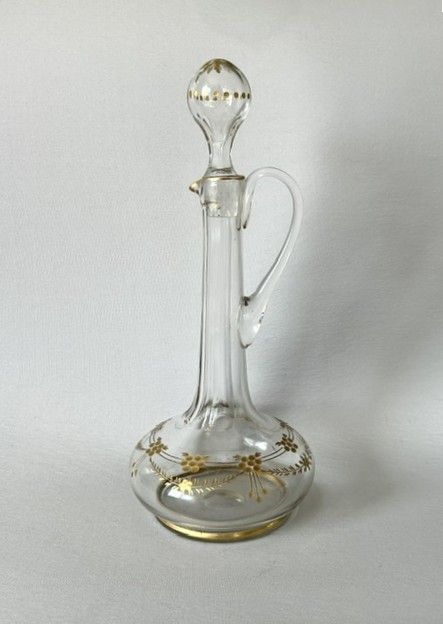
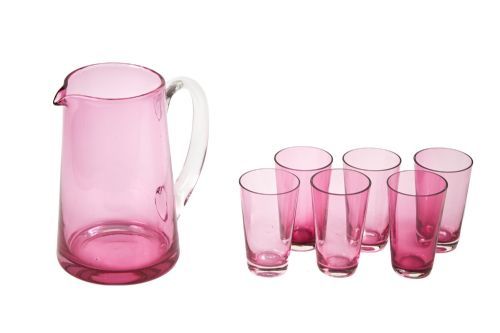
A vintage clear glass pitcher is a functional serving vessel designed for water, wine, claret, or lemonade, appearing across multiple eras from the nineteenth century through the Art Deco period. When searching this phrase, a buyer encounters heavy cut glass ewers, silver-mounted claret jugs, and tall water pitchers shaped by Victorian, Edwardian, and continental makers.
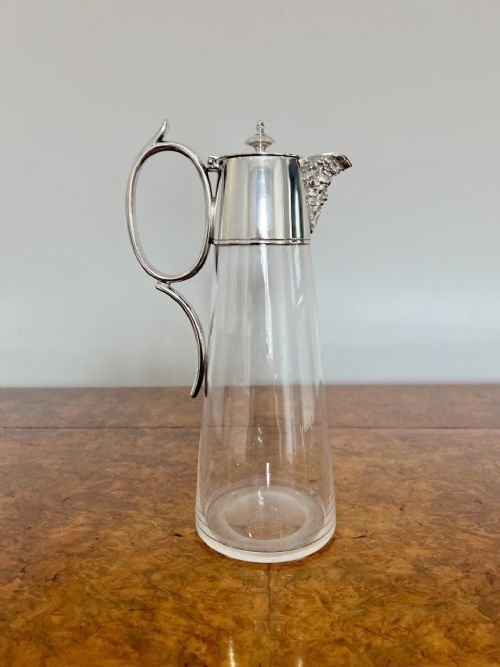
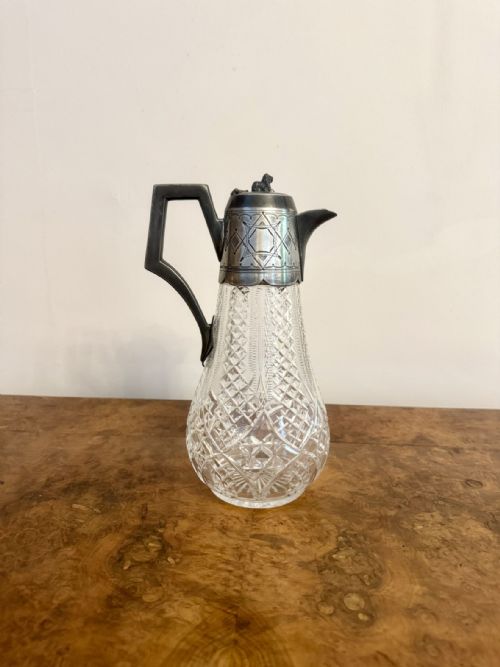
The forms span straightforward domestic vessels to ornate presentation pieces fitted with silver plate, sterling silver, or enamel decoration. Edwardian cut glass ewers and Victorian silver-plated claret jugs dominate the selection, often featuring elaborate facets, pillar cuts, and applied handles.
Many examples combine transparent glass bodies with contrasting metal mounts, ice tubes, or gilded rims. The range encompasses both English table glass and continental productions from Bohemia, France, and Italy.
How They Were Made
The creation of these vessels relies on lead crystal or clear glass shaped by hand-blowing, moulding, or intricate wheel-cutting. Artisans applied deep prismatic cuts, pillar flutes, and intaglio engravings to catch the light across the surface of the body.
Metal components involve silver plate and sterling silver mounts, collars, and hinged lids secured directly to the glass neck. Specialised elements such as internal ice tubes and applied enamel decoration add further complexity to the manufacturing process.
What Varies in Quality
Depth and crispness of the glass cutting separate standard utilitarian vessels from exceptional display pieces. Sharp, well-defined facets and heavy lead crystal weight indicate superior craftsmanship.
The quality of the metal mounts and the integration between glass and silver plating determine the overall calibre of the piece. Substantial silver-plated mounts, crisp hallmarks, and intact gilding elevate the status of a jug.
Stevens and Williams·Christofle·Webb Corbett·Richardsons Birmingham·Mappin and Webb·Elkington and Co
The Vintage Clear Glass Pitcher Glossary
- Claret jug
- A specialised vessel designed specifically for serving red wine at the dining table. These typically feature a glass body with a hinged metal lid and handle.
- Ewer
- A large jug with a wide spout and a decorative handle, historically used for pouring water. Many nineteenth-century examples incorporate hand-blown glass or deep cut crystal.
- Intaglio
- A technique where design elements are cut below the surface of the glass rather than raised in relief. It requires steady hand skill with a small cutting wheel.
- Lead crystal
- Glass containing a high proportion of lead oxide, which increases brilliance, clarity, and weight. It provides the ideal medium for deep wheel-cutting.
- Silver plate
- A layer of silver fused to a base metal such as copper or Britannia metal. It gives the appearance of solid silver on the mounts and handles.
Vintage Clear Glass Pitcher: Frequently Asked Questions
How do I clean an antique glass pitcher?
Wash the glass gently by hand using warm water and mild soap, avoiding harsh abrasives that might scratch the surface or damage applied gilding.
Dry the piece thoroughly with a soft cloth and keep metal mounts polished with appropriate silver care products.
Are these pitchers suitable for everyday use?
Many of these vessels remain entirely functional for serving water, juice, or wine at the modern dining table. Care must be taken with heavy lead crystal and pieces featuring delicate silver-plated mounts or enamel work.
Hand washing is essential to preserve the integrity of the glass and any historic metal fittings.
What is the difference between a claret jug and a water pitcher?
Claret jugs traditionally feature specific metal mounts, hinged lids, and spours tailored for serving red wine during formal dining. Water pitchers generally present larger, open spouts and heavier glass bodies designed for greater liquid capacity.
Both forms utilise similar cut glass and silver-mounting techniques across Victorian and Edwardian manufacturing.
How can I date an antique glass pitcher?
Examine the style of the cutting, the shape of the handle, and any metal mounts or hallmarks present on the collar. Victorian and Edwardian examples often display distinct design motifs like deep pillar cuts or Art Nouveau floral elements.
Silver mounts frequently bear date letters or maker marks that narrow the production period to a specific decade.