

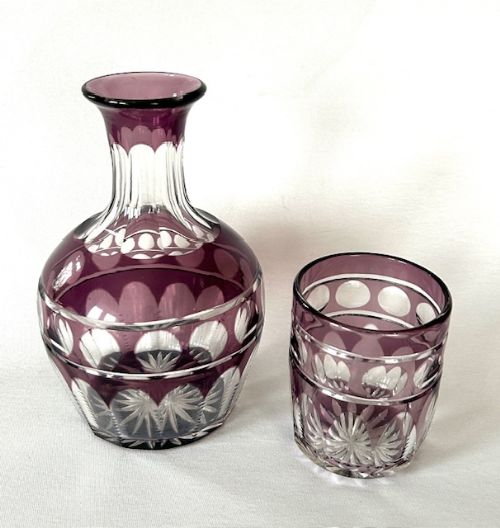


Edwardian Glass Water Pitcher
These edwardian glass water pitcher examples are practical table vessels for serving drinks, combining bright glass bodies with metal mounts for everyday hospitality.
Edwardian Glass Water Pitcher
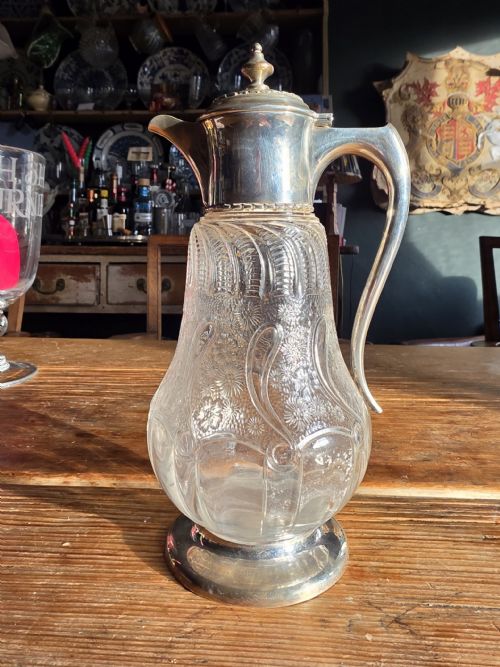
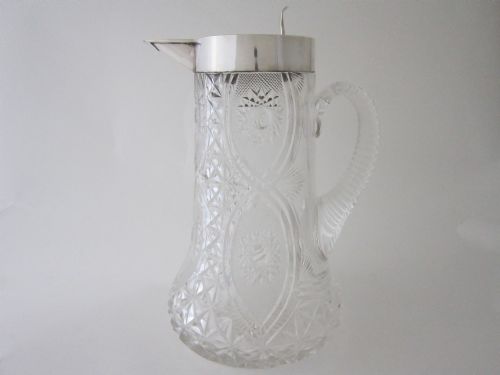
When you search for an edwardian glass water pitcher, you encounter substantial serving vessels designed for domestic hospitality during the early twentieth century and late nineteenth century. The forms range from simple carafes to large jugs mounted with silver or silver plate, often accompanied by matching drinking glasses. These pieces serve water, lemonade, claret, or cordials at the dining table.
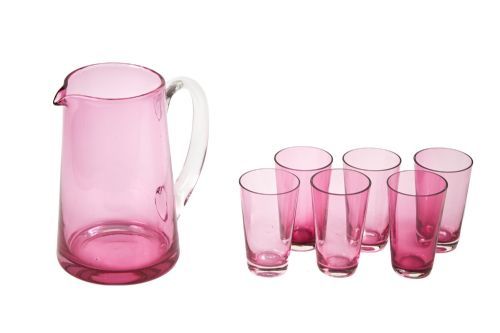
The versions most commonly met on this page date from the Edwardian period and the late Victorian era. They appear in clear lead crystal, heavy cut glass, and coloured glass such as cranberry and amethyst. Makers and workshops of the period utilised silver mounts and intricate intaglio cuts to elevate simple tableware into decorative objects.
How they were made
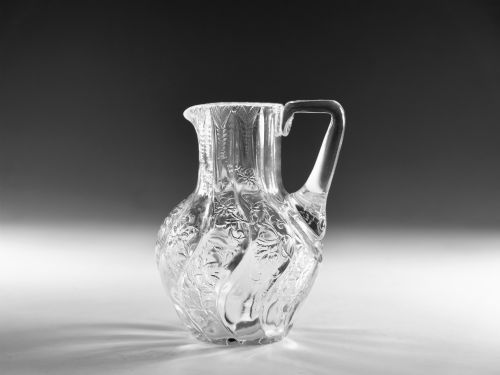
The bodies of these pitchers rely on heavy glass and lead crystal formed through blowing and moulding techniques. Artisans then applied deep wheel-cut patterns, rock crystal engraving, or intaglio cutting to the clear or coloured surfaces to catch the light.
Metal mounts in sterling silver or silver plate secure the rims, handles, and hinged lids to the glass bodies. Workshops such as William Comyns and Elkington & Co produced these mounts with detailed scrollwork and secure collars fitted to the necks of the jugs.
What varies in quality
Quality rests in the weight of the metal mounts, the clarity of the lead crystal, and the crispness of the cut facets. Superior pieces display deep, sharp hand-cutting that remains smooth to the touch, paired with heavy silver mounts bearing clear hallmarks.
The relationship between the glass body and the metal collar determines the overall integrity of the piece. Better examples feature tightly fitted silver rims and well-balanced handles that make pouring comfortable despite the weight of the glass.
William Comyns·Stevens & Williams·Webb Corbett·Elkington & Co
The Edwardian Glass Water Pitcher Glossary
- Edwardian
- Pertaining to the reign of King Edward VII, spanning from 1901 to 1910, though the style extends slightly either side. It is characterised by lighter, more refined domestic items than the preceding Victorian era.
- Claret Jug
- A specialised pouring vessel designed specifically for serving red wine at the table. These often feature elaborate silver-plated or sterling silver mounts with hinged lids.
- Intaglio
- A technique where designs are incised or sunk below the surface of the glass rather than raised. This creates a tactile, frosted pattern when viewed from the exterior.
- Cranberry Glass
- A rich red-pink transparent glass created by adding gold chloride to the molten batch. It gained popularity during the Victorian and Edwardian periods for decorative tableware.
Edwardian Glass Water Pitcher: Frequently Asked Questions
How do I clean an antique glass pitcher?
Wash the glass gently by hand using warm water and mild soap, avoiding abrasive sponges that might scratch the surface.
Keep silver mounts dry and polish them sparingly with a soft cloth to protect the metal and any engraved details.
Can I use these pitchers for serving drinks?
These vessels are fully functional for serving water, lemonade, or wine at the modern table just as they were a century ago.
Exercise care when handling heavy lead crystal or pieces with delicate silver-plated handles to prevent accidental knocks.
How do I tell an Edwardian pitcher from a Victorian one?
Edwardian examples tend to show lighter, more restrained decorative motifs influenced by neoclassical revivals and early twentieth-century tastes.
Victorian pieces often display heavier proportions, deeper cranberry hues, and more ornate, densely packed cut-glass patterns.
What is the difference between a water jug and a claret jug?
Water jugs usually feature open spouts designed for steady pouring of non-alcoholic beverages into smaller tumblers or glasses.
Claret jugs incorporate hinged metal lids and spouts intended for pouring wine, often featuring more elaborate silver mounts.