



Edwardian Crystal Pitcher
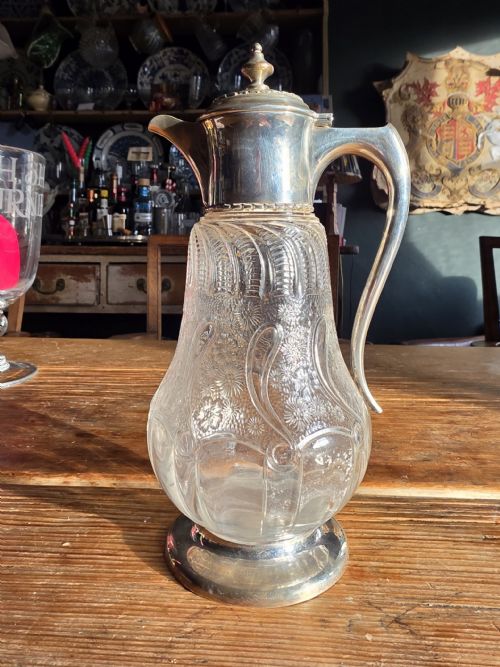
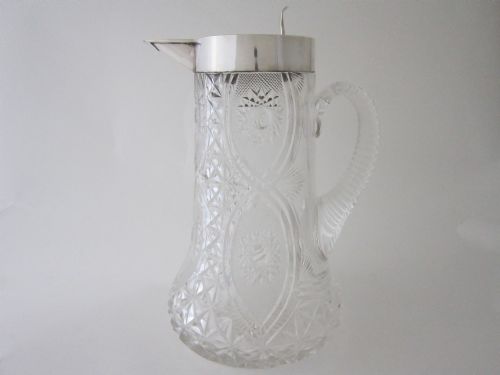
An edwardian crystal pitcher brings heavy cut glass and silver mountings to the table, offering a functional centrepiece for serving wine or water.
Edwardian Crystal Pitcher
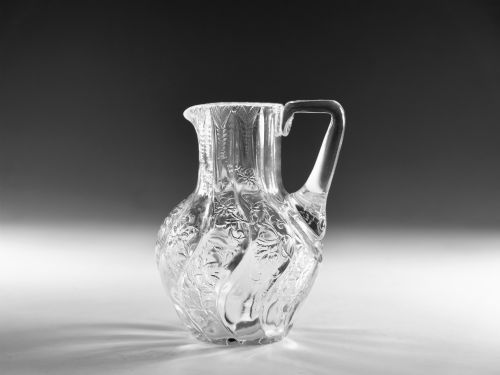
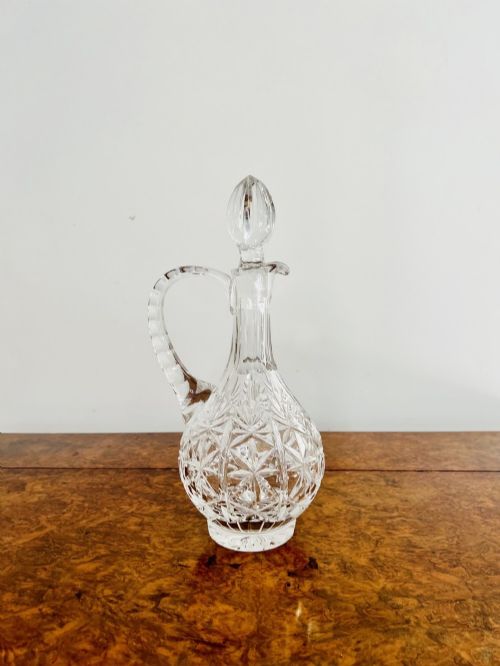
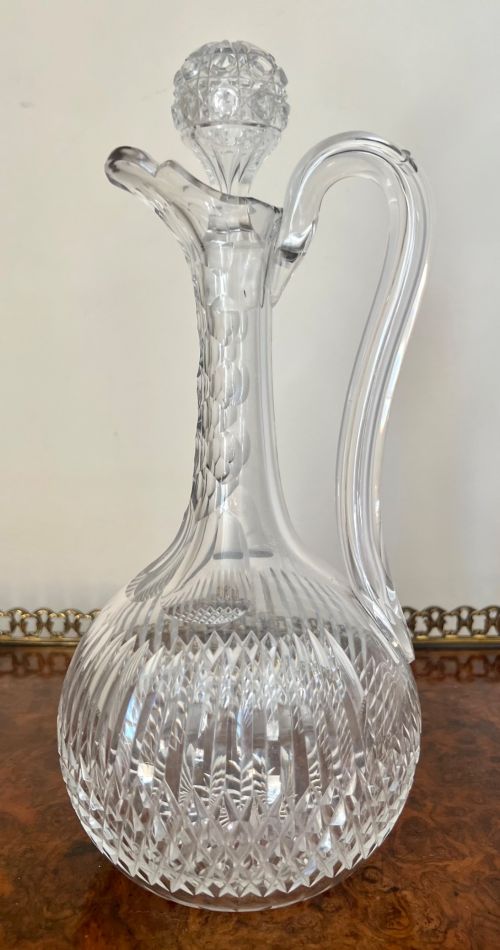
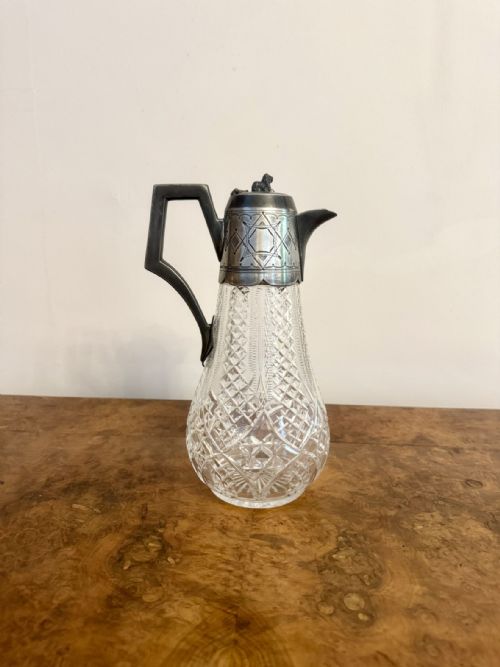
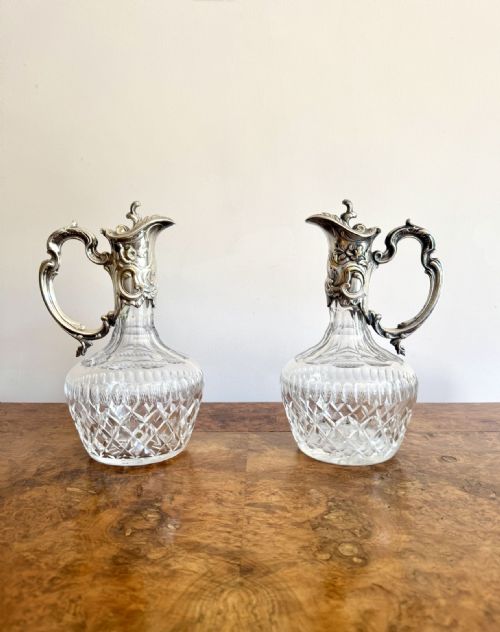
When searching for an edwardian crystal pitcher, a buyer is examining heavy serving vessels intended for wine, water, or cocktails from the early twentieth century. These pieces combine thick glass bodies with metal components, appearing in forms such as claret jugs, ewers, and carafes.
The versions most frequently met on this page date from the Edwardian period and the surrounding years of the early twentieth century, though Victorian examples also appear. Makers and manufacturers utilised clear or coloured glass alongside silver plate and sterling silver mounts to finish these functional objects.
What varies in quality
The weight of the crystal and the depth of the cutting distinguish the finer examples from simpler production. Superior pieces display crisp, sharp facet work across the glass body rather than soft or shallow impressions.
The metalwork on the mounts also determines the standard of the piece. Substantial sterling silver collars and hinged covers by notable makers elevate a jug above standard silver-plated versions.
Listings for this phrase include items made from lead crystal, cut glass, sterling silver, and silver plate.
William Comyns·Stevens and Williams·Webb Corbett·Gorham
The Edwardian Crystal Pitcher Glossary
- Claret jug
- A vessel specifically designed for serving red wine at the dining table. These typically feature a glass body with a pouring spout and a hinged metal lid.
- Ewer
- A large jug with a wide spout and a decorative handle, historically used for pouring water. Edwardian examples often combine heavy cut crystal with silver-plated mounts.
- Silver plate
- A thin layer of silver fused to a base metal such as copper or brass. Many Edwardian pitchers utilise this technique for handles, collars, and covers to provide the appearance of solid silver at a lower cost.
- Intaglio
- A technique where a design is incised into the surface of the glass rather than carved in relief. This method appears on fine drinking services and pitchers from the period.
- Rock crystal
- A term used in the period for clear, colourless quartz, or applied to high-purity lead glass carved with exceptional clarity. It denotes a superior standard of material and cutting.
Edwardian Crystal Pitcher: Frequently Asked Questions
What is an edwardian crystal pitcher used for?
These vessels were primarily created to serve claret, wine, water, or cocktails during formal dining and entertaining.
Today, buyers use them both as functional tableware and as decorative display pieces on sideboards or in cabinets.
How do I tell an Edwardian jug from a Victorian one?
Edwardian pieces often feature lighter, airier decorative motifs and sometimes lean towards Arts and Crafts styles, reflecting the tastes of the early twentieth century.
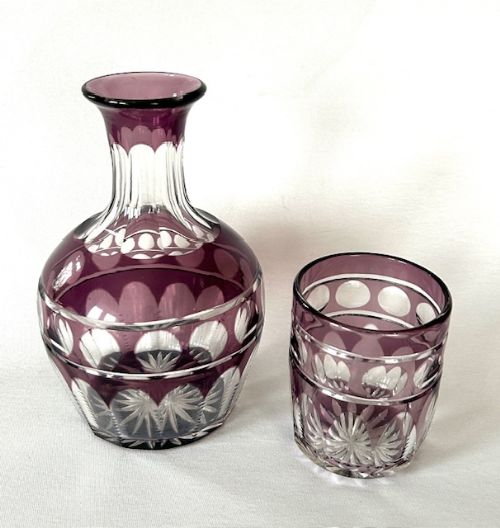
Victorian examples tend to display heavier ornamentation, deeper chased silver mounts, and occasionally coloured glass bodies like amethyst.
Are the mounts solid silver or plated?
The evidence shows a mix of both sterling silver and silver-plated mounts across these serving jugs.
Examining the metal components and any accompanying hallmarks will clarify whether the collar and cover are solid silver or plated over a base metal.
Can I use these pitchers for serving drinks today?
Yes, these pitchers remain entirely functional for serving water, wine, or cocktails at the dining table.
Care should be taken when washing heavy cut crystal and antique silver mounts to preserve the materials.