
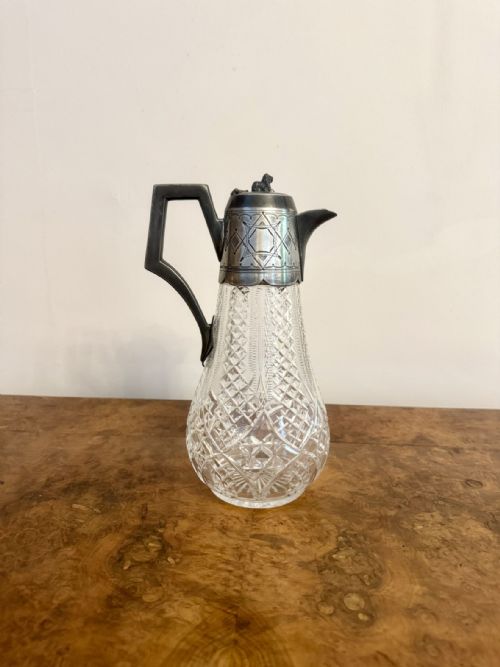
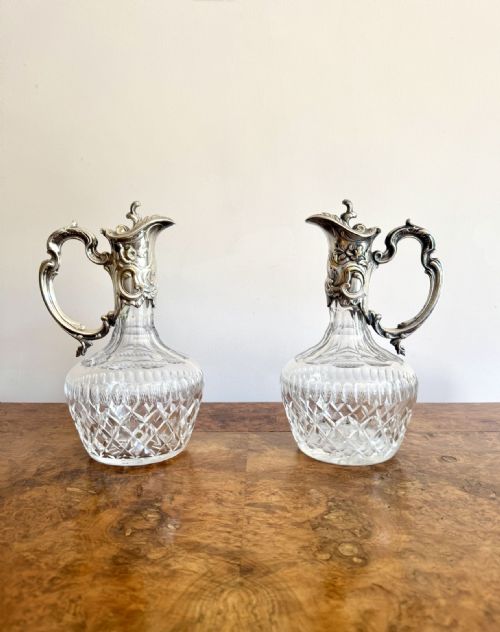
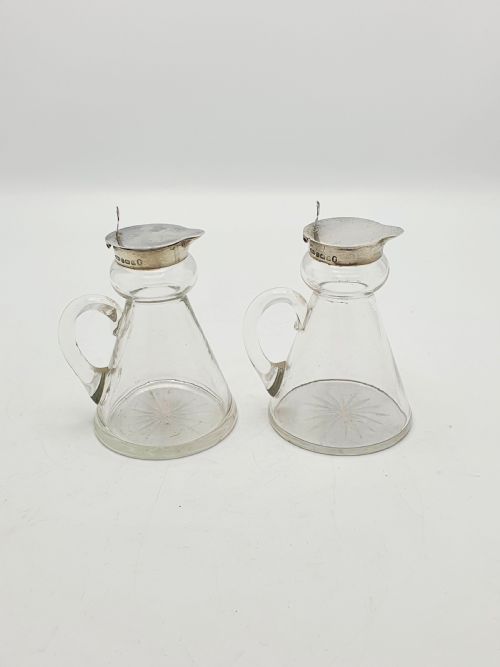


Edwardian Glass Pitcher
An Edwardian glass pitcher brings brilliant table service home, combining crisp early twentieth-century glasswork with generous proportions.
Identifying an Edwardian glass pitcher
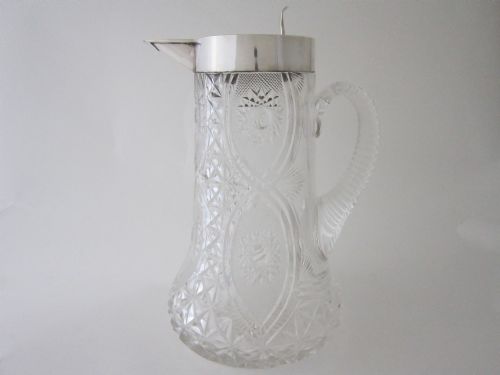
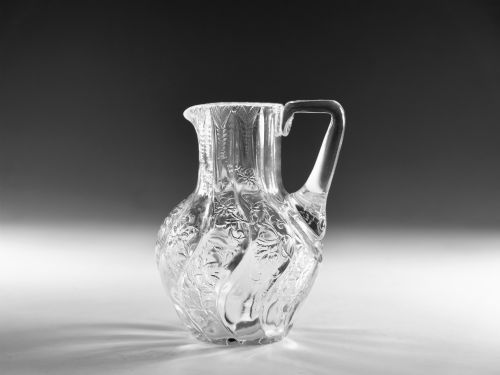
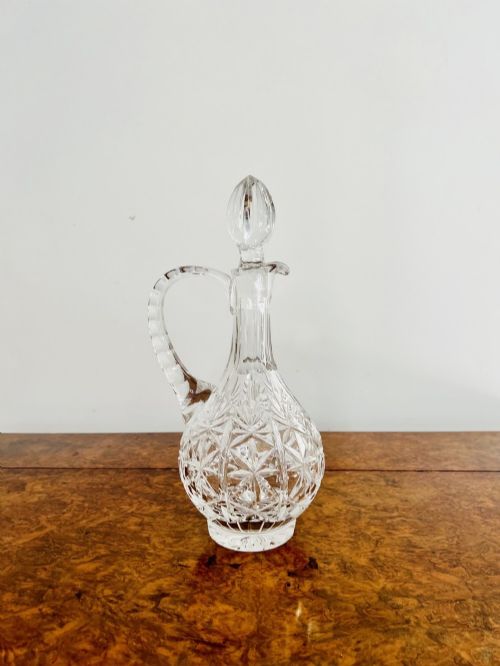
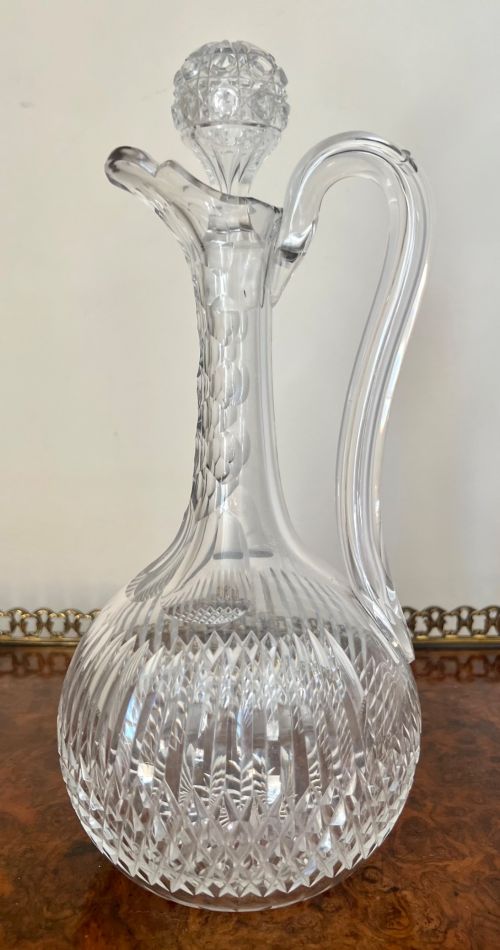
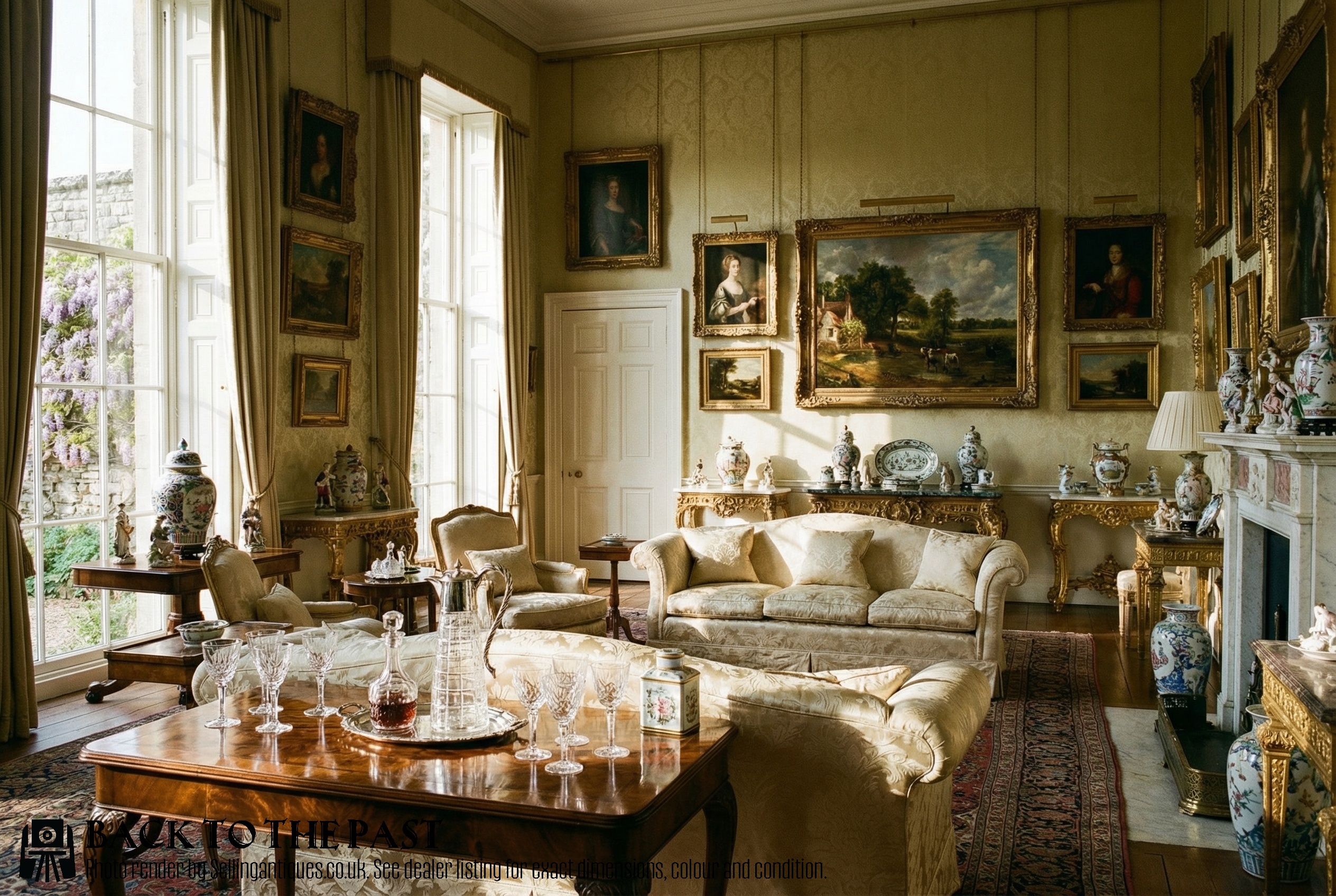
When you search for an Edwardian glass pitcher, you encounter sturdy water jugs, lemonade pitchers, and mounted claret jugs dating from the Edwardian era and the year 1900. These pieces typically display the distinctive weight and clarity associated with turn-of-the-century British tablewares.
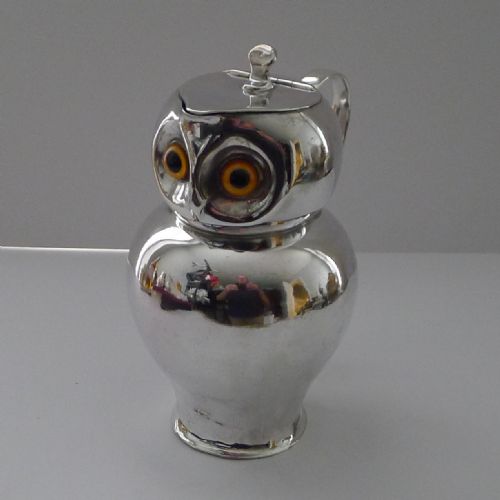
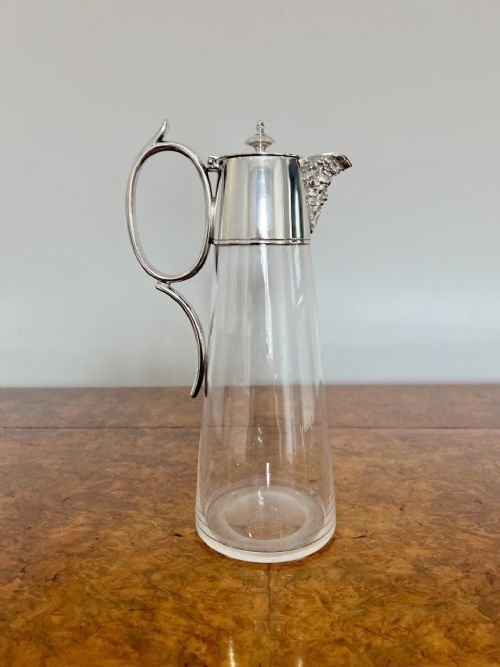
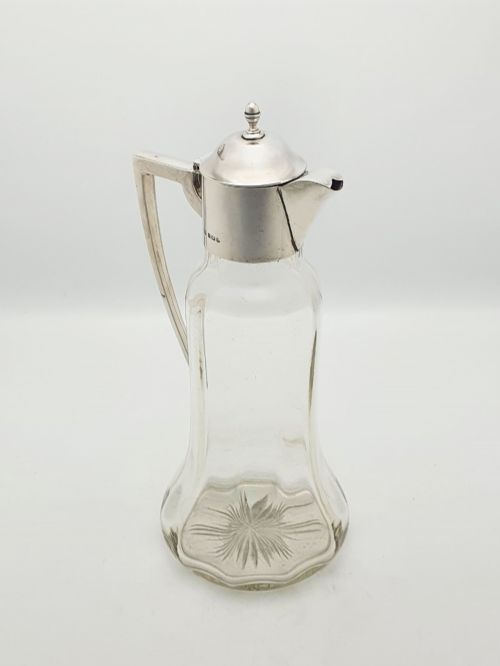
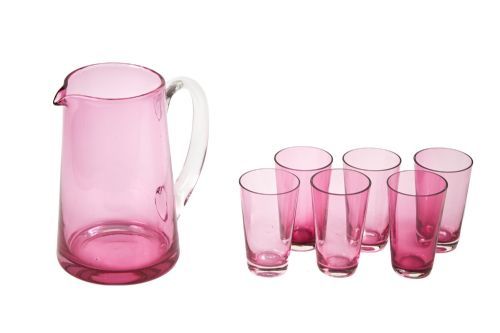
The versions you meet most frequently on this page include large cranberry glass water jugs alongside heavy cut glass vessels fitted with metal mounts. Forms range from simple handled pitchers to ornate claret jugs featuring silver plate or solid silver covers.
Makers and manufacturers of the period utilised both brilliant-cut crystal and coloured glass to satisfy contemporary domestic tastes for formal dining and afternoon refreshment. Each example reflects the standard utility and decorative ambition of domestic glass production at the dawn of the twentieth century.
Materials and construction methods
The construction of an Edwardian glass pitcher relies on heavy-duty lead crystal or coloured glass bodies shaped by blowing or moulding, followed by extensive hand-cutting and polishing. This process creates deep geometric facets and light-catching patterns across the surface of the vessel.
Metal components, including silver plated mounts and solid silver covers, are securely affixed to the glass rims and handles. These metal collars and hinged lids provide structural stability while enhancing the formal appearance of claret jugs and lemonade pitchers.
Retail Price Guide 2026
Typical UK retail prices for edwardian glass pitcher, calculated from the Sellingantiques database of over a million retail prices indexed since 2003. This retail price guide relies exclusively on Sellingantiques data; no external sources or auction records are used, so the figures do not describe the wider market.
Edwardian hosts relied on these heavy pitchers to project absolute domestic order, even when the lemonade was warm and the guests were difficult.
Recognising quality differences
Quality in an Edwardian glass pitcher reveals itself through the depth and precision of the cutting, where crisply defined facets separate superior pieces from softer, more rounded mouldings. The weight of the lead crystal and the brilliance of the glass body further distinguish high-end service vessels from standard utility items.
The integration of the metalwork defines the upper tier of the range, visible in heavy silver plate or solid silver mounts that fit seamlessly against the glass collar. Finer examples maintain an unclouded clarity in the glass and precise mechanical action in the hinged lids.
The Edwardian Glass Pitcher Glossary
- Edwardian
- Pertaining to the reign of King Edward VII, spanning from 1901 to 1910, though pieces on this page also date to 1900. This era favoured bright, well-appointed dining tables.
- Cranberry glass
- A rich red glass coloured with gold chloride during production. It is frequently seen in Edwardian water jugs.
- Cut glass
- Glass decorated by holding the vessel against a rotating abrasive wheel to carve decorative patterns. This technique creates sharp facets that refract light.
- Lead crystal
- Glass containing a high proportion of lead oxide, which increases weight, refractive index, and clarity. It forms the heavy base of quality Edwardian pitchers.
- Silver plate
- A layer of silver fused to a base metal such as copper or Britannia metal. It provides the appearance and polish of solid silver on jug mounts and covers.
Frequently Asked Questions
What were Edwardian glass pitchers used for?
These vessels served water, lemonade, and claret during formal meals and household gatherings. Their generous capacity made them practical for family dining.
The metal covers and mounted spouts helped regulate pouring while keeping contents clean during service in Edwardian dining rooms.
How do I clean an antique glass pitcher?
Wash the vessel by hand using warm water and mild detergent, avoiding harsh abrasives that might scratch the surface. Take care with mounted metal parts to prevent moisture trapping.
Dry the glass thoroughly with a lint-free cloth to maintain the brilliance of the cut crystal and the shine of the silver plate.
Are these pitchers safe for daily use?
Yes, provided you handle them with care due to their heavy lead crystal construction and age. They function well for serving cold beverages on special occasions.
Avoid exposing the glass to sudden temperature changes, such as pouring boiling water into a chilled pitcher, to prevent thermal shock.
How can I date an Edwardian pitcher?
Dating relies on stylistic markers typical of 1900 and the Edwardian decade, including specific cut glass patterns and metal mount designs. Hallmarks on silver or silver plate offer precise chronological clues.
Manufacturing techniques such as the depth of the wheel-cutting and the composition of the glass further support period attribution.