
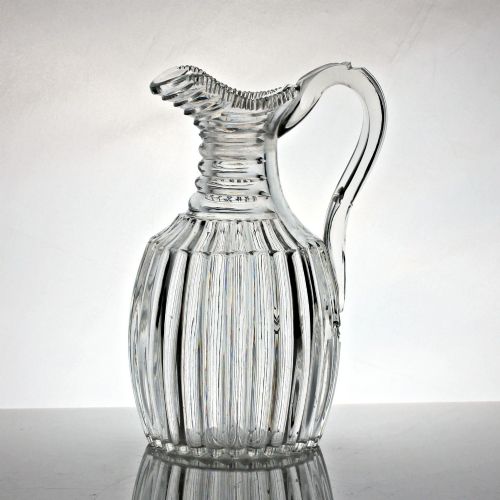
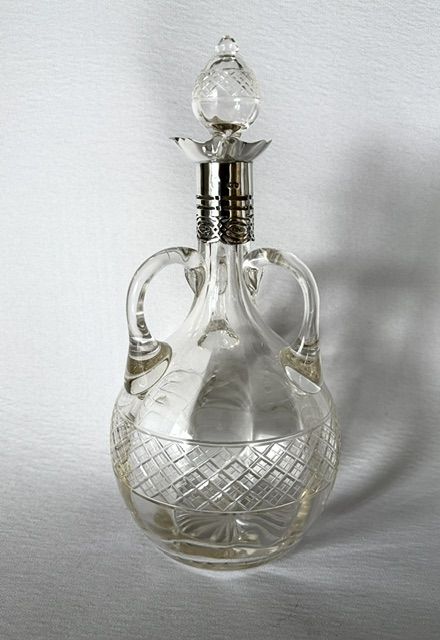
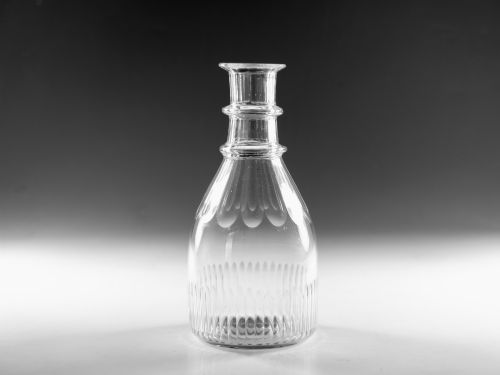
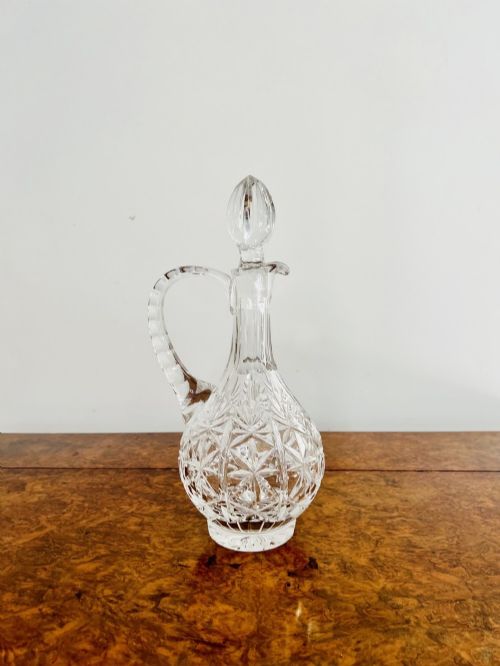
Cut Crystal Wine Decanter
These cut crystal wine decanter pieces bring nineteenth and early twentieth century elegance to the table, combining heavy glass with silver plate.
What they are
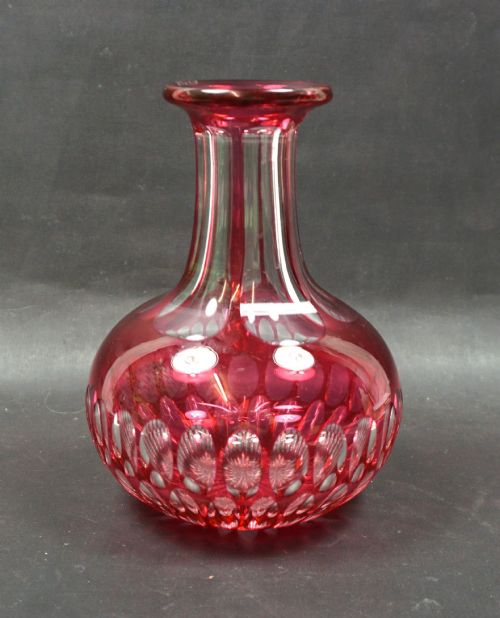
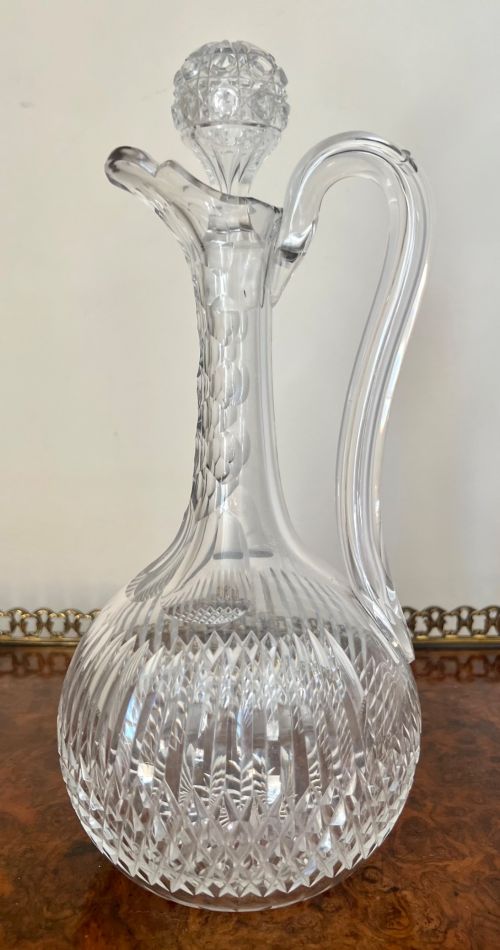
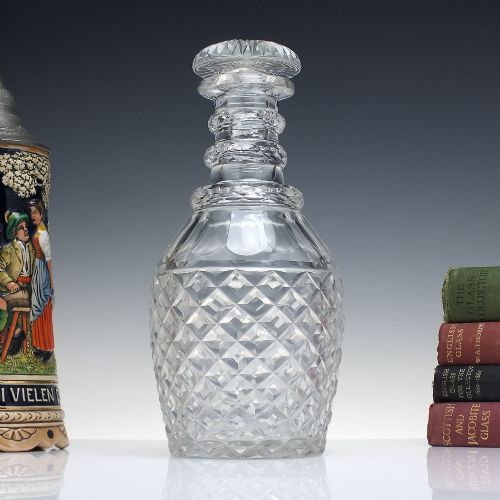
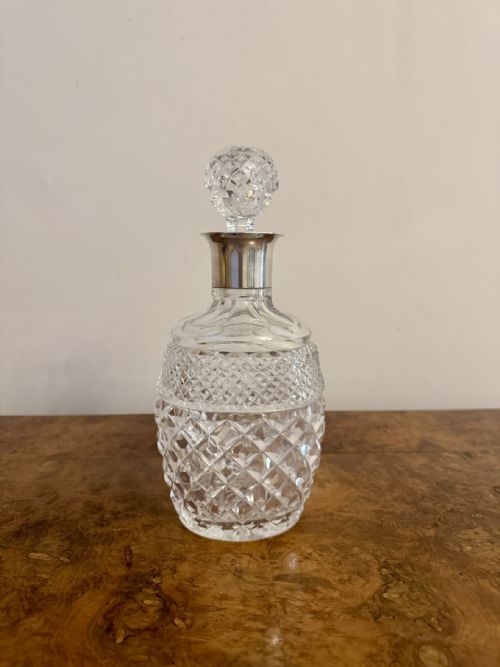
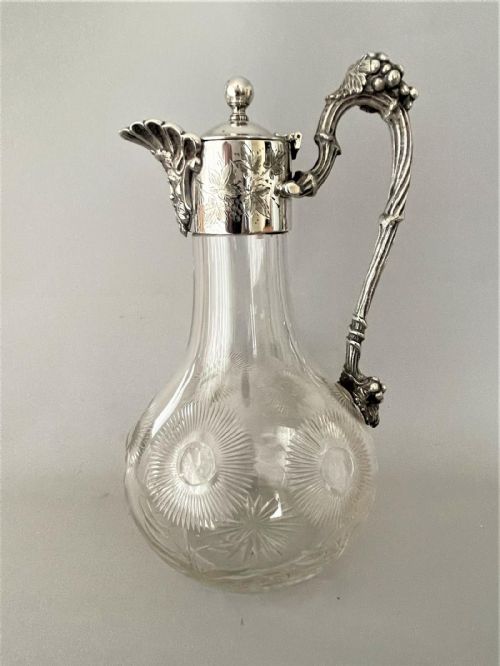
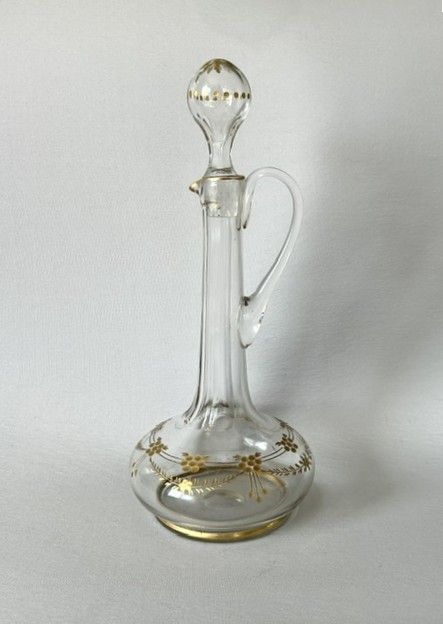
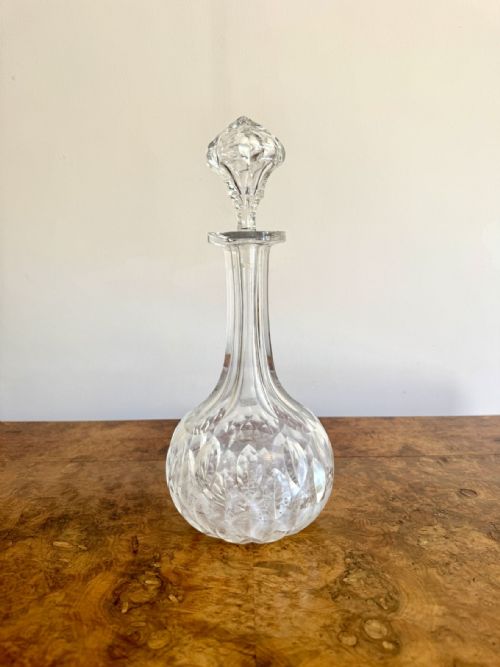
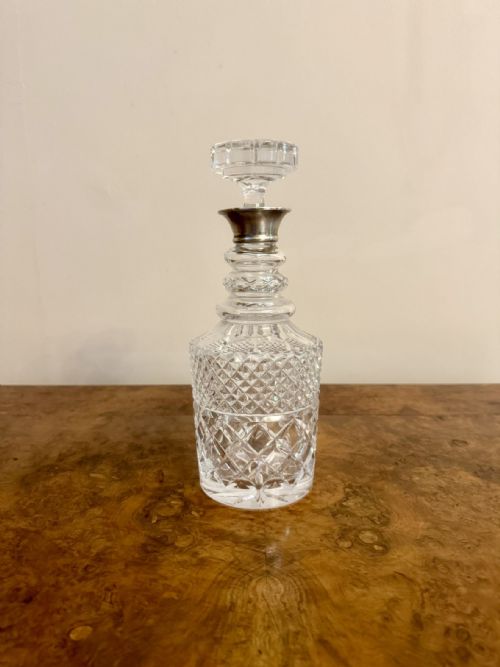
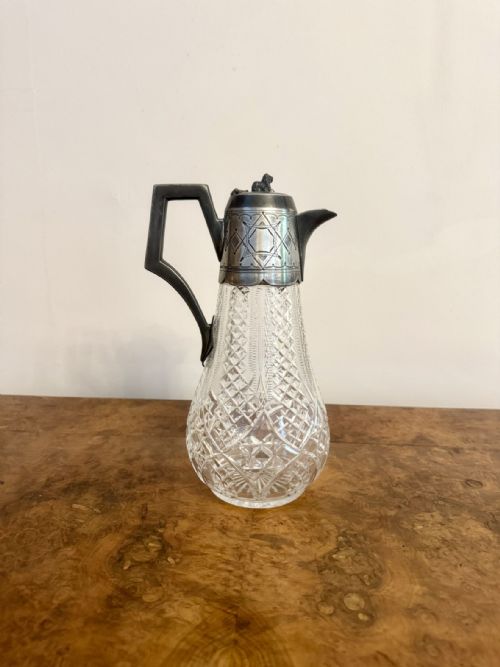
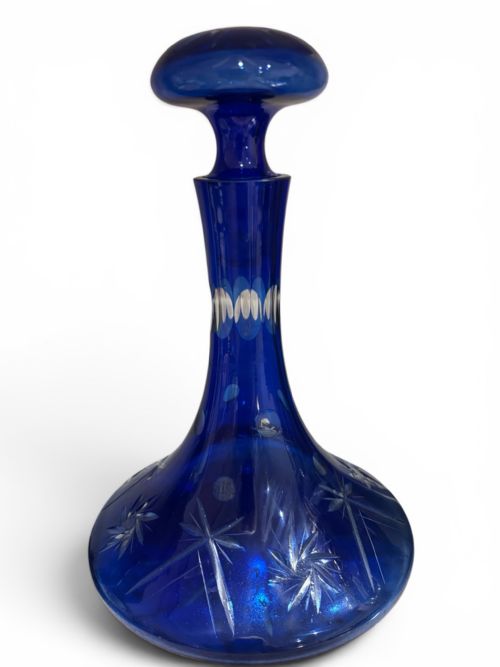
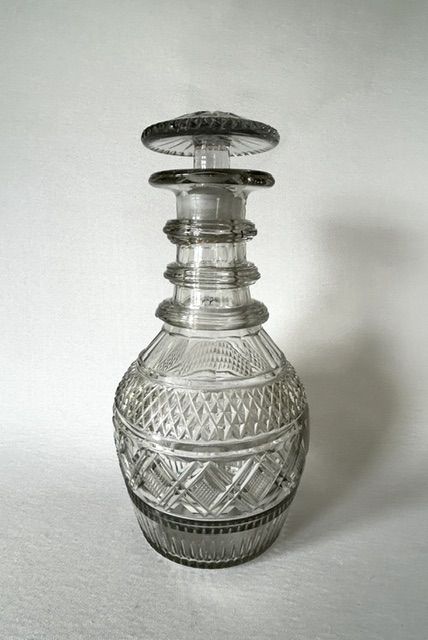
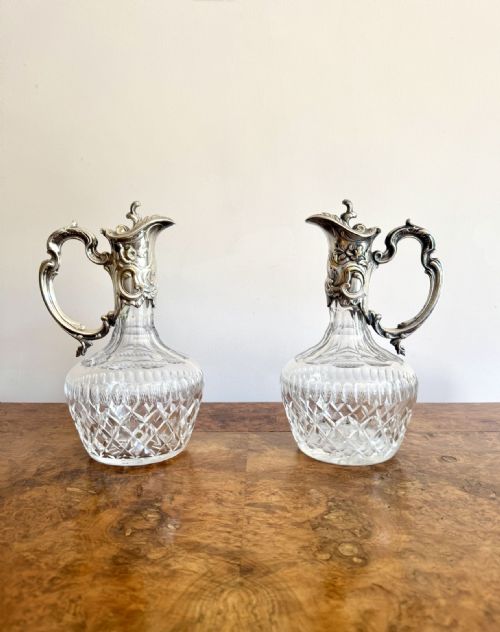
A cut crystal wine decanter is typically encountered as a Victorian or Edwardian claret jug or spirit decanter. These table vessels span the Georgian era through to nineteen hundred, taking the form of claret jugs and decanters.
The objects range from early Victorian spirit decanters to later Edwardian claret jugs mounted in silver plate. They serve both utilitarian and decorative purposes for pouring wine and spirits.
How they were made
The vessels utilise lead glass and cut crystal, shaped through glass-cutting techniques to create faceted patterns across the surface. These glass bodies are combined with silver plate mounts.
Makers integrated metal mounts onto cut glass and lead crystal bodies, attaching hinged lids and handles to form claret jugs and decanters during the Georgian, Victorian, and Edwardian periods.
Retail Price Guide 2026
Typical UK retail prices for cut crystal wine decanter, calculated from the Sellingantiques database of over a million retail prices indexed since 2003. This retail price guide relies exclusively on Sellingantiques data; no external sources or auction records are used, so the figures do not describe the wider market.
The listings show pieces spanning the Georgian era, eighteen eighty, and nineteen hundred, executed in cut glass, lead crystal, and silver plate.
What varies in quality
Quality rests in the depth and crispness of the glass cutting and the weight of the lead crystal material itself. Heavier lead glass and more intricate facet-cutting separate finer examples from simpler vessels.
The integration of the silver-plate mounts and the quality of the metalwork also distinguish the pieces. Finer mounts display secure attachment and robust hinged mechanisms.
The Cut Crystal Wine Decanter Glossary
- Claret jug
- A specialised pouring vessel designed for red wine, featuring a handle and a hinged lid. These often combine cut glass bodies with silver-plate mounts.
- Lead crystal
- A type of glass containing lead oxide, which increases weight, clarity, and the brilliance of cut facets. It forms the heavy body of fine decanters.
- Silver plate
- A thin layer of silver fused to a base metal, commonly utilised for the handles, collars, and lids of Victorian and Edwardian jugs.
- Facet cut
- A decorative glass-cutting technique that produces multiple flat polished surfaces. It catches the light and defines the style of nineteenth-century decanters.
Frequently Asked Questions
How do I date a decanter?
Dating relies on examining the style of the glass-cutting, the shape of the body, and the construction of any metal mounts. Georgian pieces show different proportions compared to Victorian or Edwardian examples.
The materials, such as silver plate combined with lead crystal, also point to specific manufacturing periods between eighteen thirty and nineteen hundred.
Are these decanters made of lead crystal?
Many of the pieces utilise lead glass and cut crystal materials. This heavy glass composition allows for deep, sharp facet-cutting across the surface.
The presence of lead crystal contributes significantly to the weight and brilliance of nineteenth-century decanters and jugs.
How were silver mounts attached?
Silver-plate mounts were fitted around the neck and lip of the glass body, secured with collars and adhesives. Handles and hinged lids were then integrated into this metal framework.
This technique united metalwork and glass-cutting to produce durable vessels for wine and spirits.