


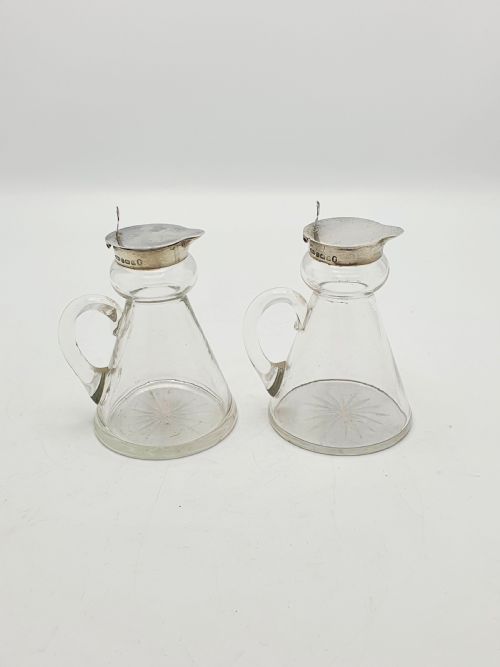
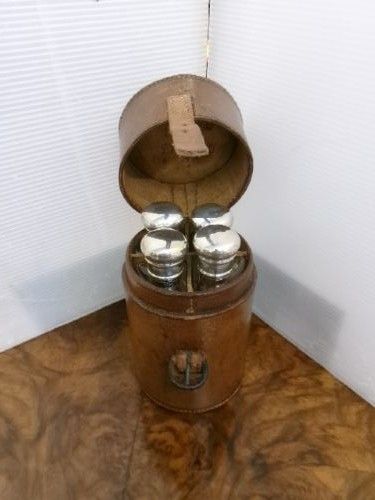
Silver Top Glass Decanter
These silver top glass decanters combine heavy crystal or coloured glass bodies with bright metal mounts, bringing functional elegance to any dining table.
What silver top glass decanters are
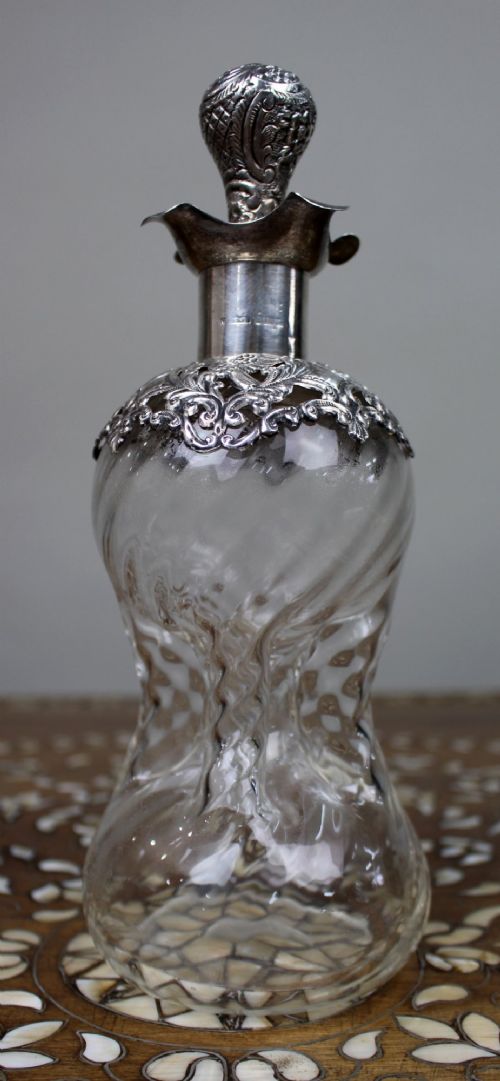
A silver top glass decanter is a serving vessel designed for wine, spirits, liqueurs, or oil, featuring a metal collar, pourer, or stopper fitted to a glass body. Buyers searching for this phrase seek versatile serving pieces that span from the Victorian and Edwardian eras into the nineteen-twenties.
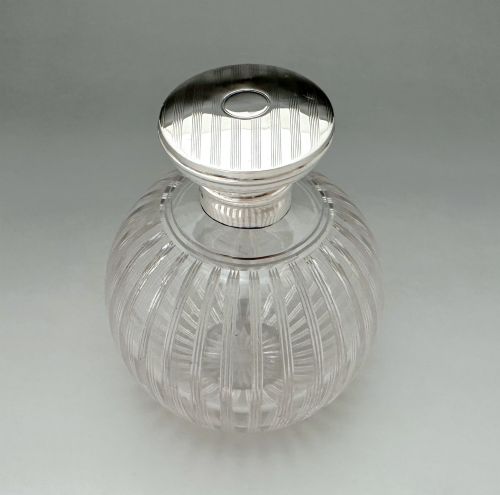
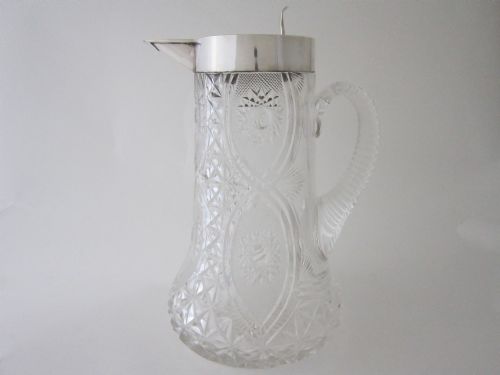
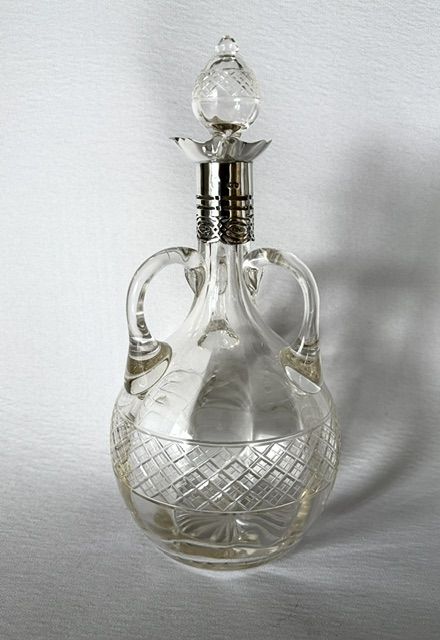
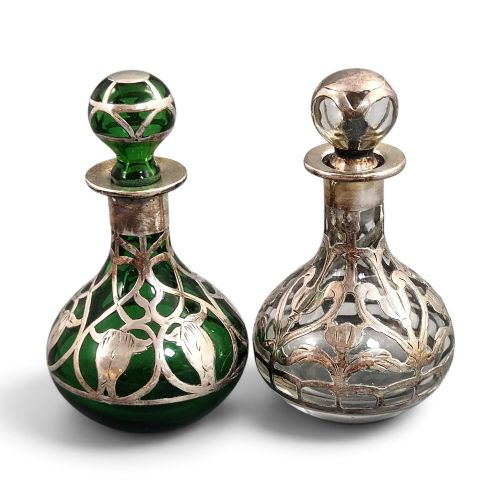
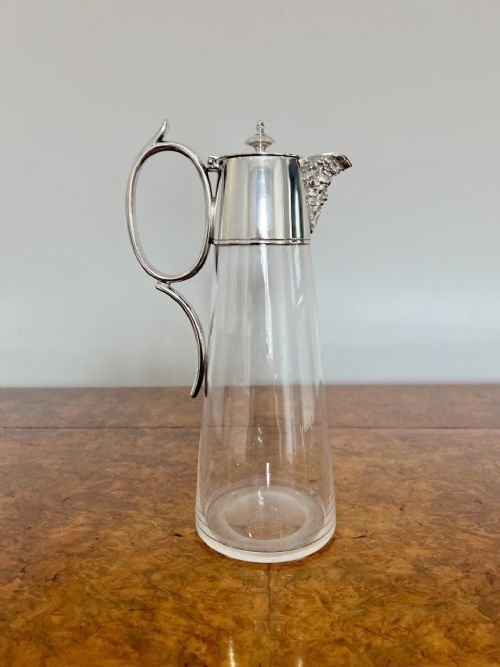
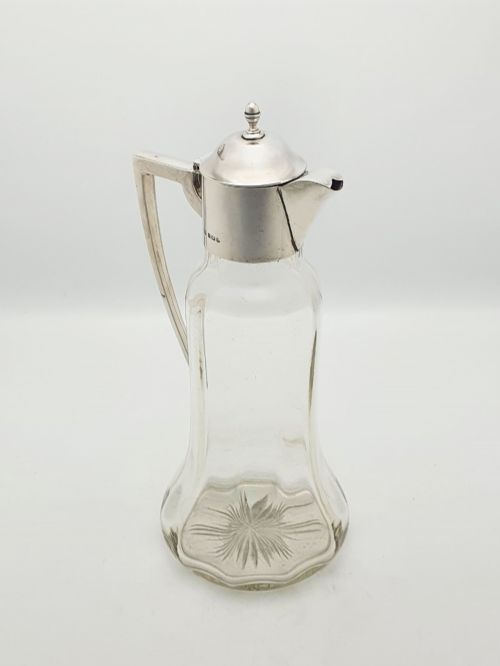
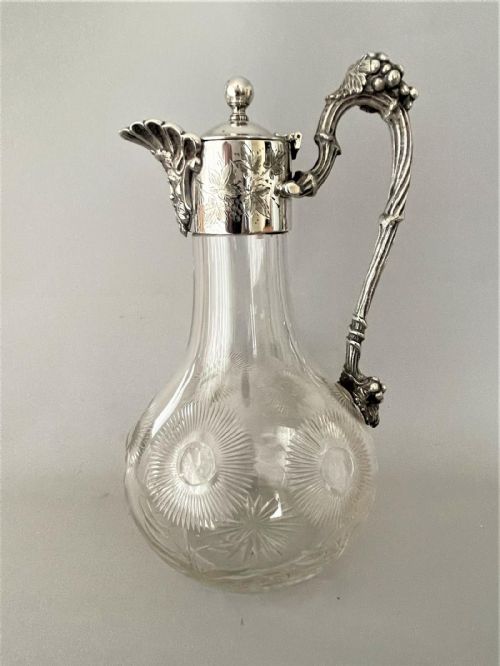
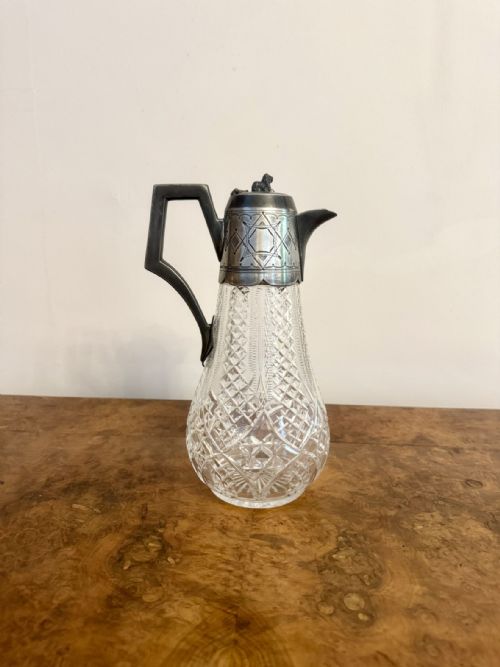
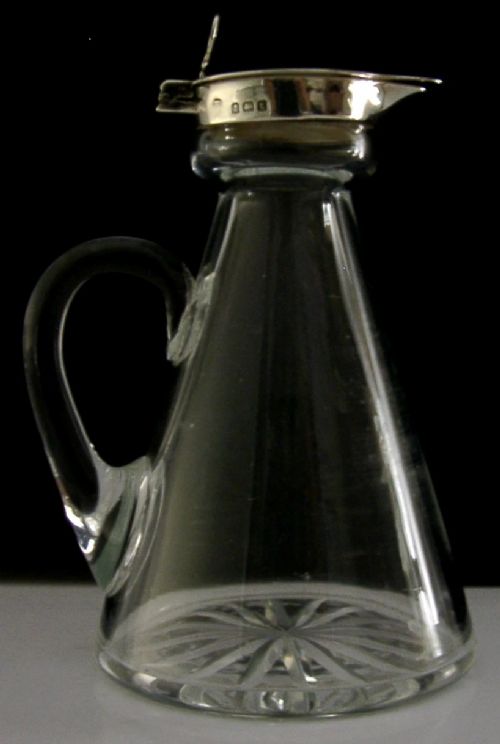
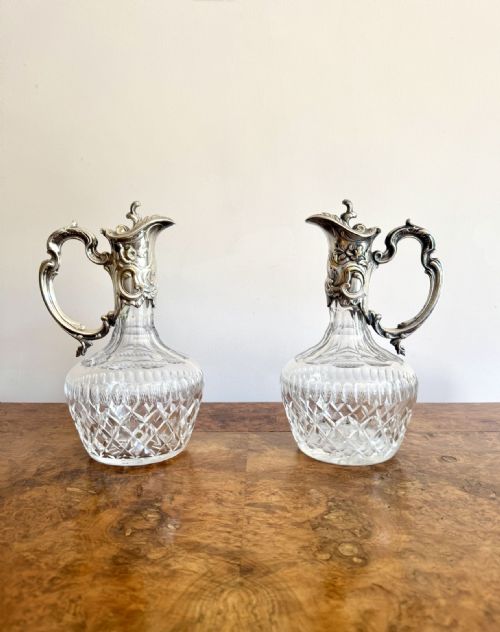
The pieces appearing on this page range from standard spirit decanters and claret jugs to novelty champagne bottles and scent bottles. Coloured glass variants in green, blue, and amethyst sit alongside clear cut crystal versions, sometimes accompanied by matching stoppers or labels.
How they were made
Makers formed the vessels using glass blowing techniques, frequently adding deep cutting, carving, ribbing, or overlay work to colour the exterior. The glass bodies were then paired with mounts fashioned from sterling silver or silver plate, often hallmarked for specific assay offices and years.
Mounts required precise metalwork to secure the bottle necks, incorporating hinged lids, collars, or face spouts. Artisans combined these fitted metal elements with glass stoppers or corks to seal the contents effectively.
Retail Price Guide 2026
Typical UK retail prices for silver top glass decanter, calculated from the Sellingantiques database of over a million retail prices indexed since 2003. This retail price guide relies exclusively on Sellingantiques data; no external sources or auction records are used, so the figures do not describe the wider market.
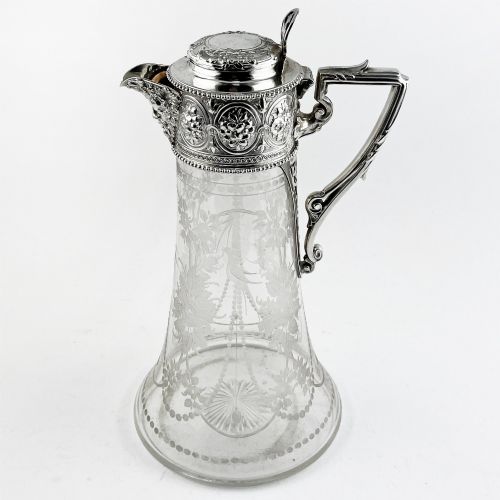
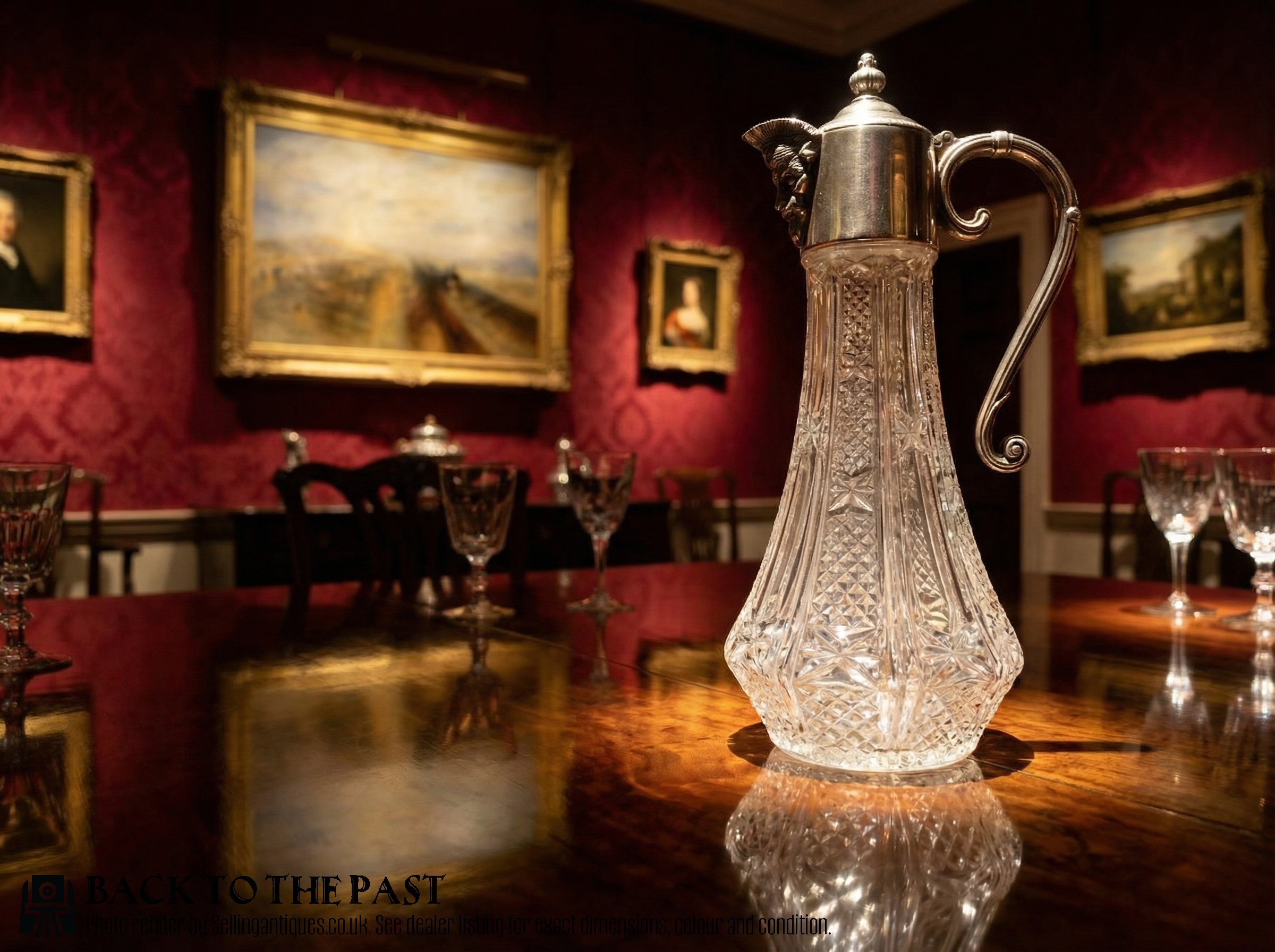
Certain Victorian wine jugs feature an unusual face spout, pouring your claret out through a sculpted metal mouth.
What varies in quality
Quality rests in the depth and clarity of the glass cutting, the weight of the crystal, and the richness of coloured glass overlays. Finer examples display crisp, sharp facets that refract light thoroughly across the body.
The execution of the silver mount marks another distinction, separating standard plated collars from substantial solid sterling silver fittings with clear hallmarks. The presence of unusual forms, such as face spouts or novelty shapes, elevates the distinctiveness of a piece.
Barnsley & Co
The Silver Top Glass Decanter Glossary
- Claret jug
- A specialised decanter designed specifically for serving red wine, typically featuring a handle and a hinged silver mount with a spout. These vessels often take tall, slender forms.
- Silver plate
- A layer of silver fused or electroplated onto a base metal foundation such as copper or brass. Many Edwardian and Victorian mounts utilise this method to achieve the look of solid silver.
- Sterling silver
- An alloy of silver containing ninety-two point five percent silver by mass and seven point five percent other metals, usually copper. Hallmarks stamped into the metal confirm this standard.
- Overlay
- A layer of coloured glass applied over a clear glass body and subsequently cut away to reveal the contrasting colour underneath. This technique creates deep visual contrast and texture.
Frequently Asked Questions
How do I clean a decanter?
Residue inside glass vessels requires gentle washing with warm water and specialised cleaning beads rather than harsh detergents. Thorough drying prevents water spots from forming on the interior.
Silver mounts need separate care using a soft cloth and appropriate metal polish, taking care to avoid getting moisture or polish trapped against the glass seams.
Are these decanters safe for modern use?
Most antique glass decanters function well for serving wine, spirits, or water at the table today. Their sturdy construction holds up to regular pouring during meals.
Careful handling remains necessary due to the weight of the cut crystal and the delicate nature of historical silver plate or sterling mounts.
How do I date a silver top?
Assay office marks, date letters, and maker stamps on the silver collars provide precise manufacturing years for many pieces. British hallmarks are particularly reliable for identifying the exact decade.
Stylistic cues in the glass cutting and overall silhouette help date unmarked examples that lack official silver stamps.