
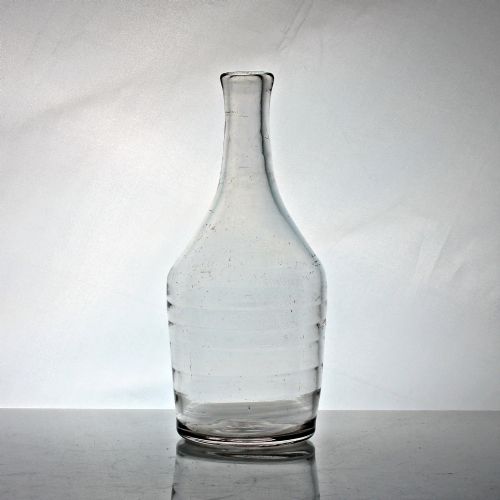
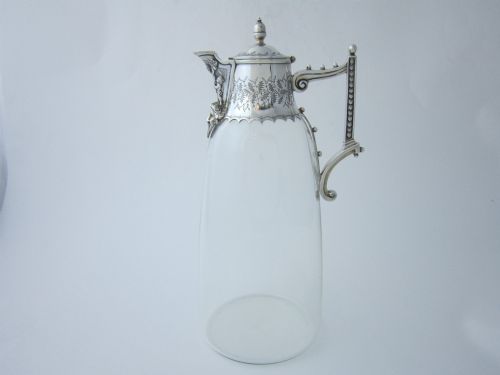
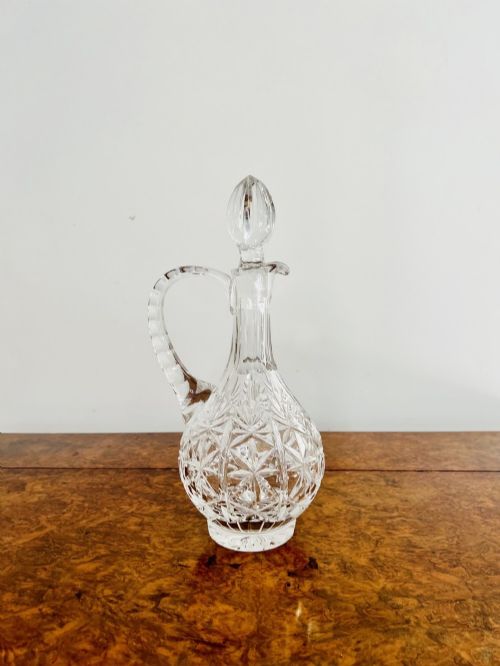
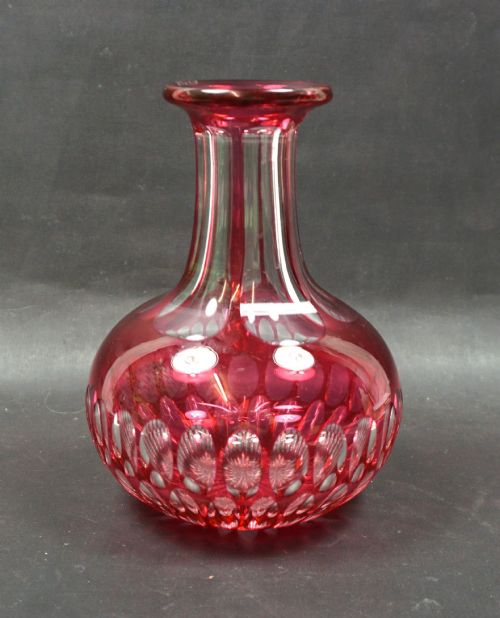
Clear Glass Wine Decanter
A clear glass wine decanter brings light and heft to the table, uniting practical service with period craftsmanship.
Clear Glass Wine Decanter
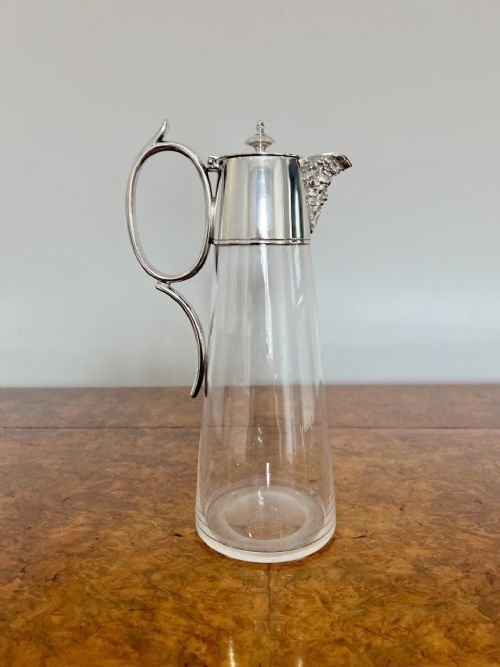
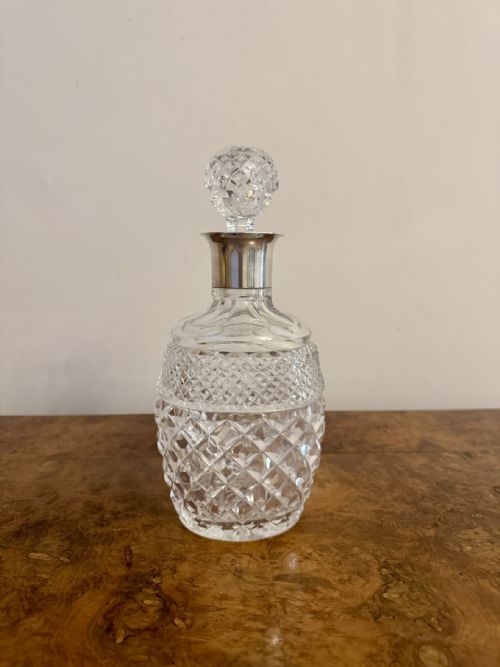
A clear glass wine decanter serves as a table vessel designed to hold and aerate wine before pouring. The selection on this page centres heavily on Edwardian and Victorian examples, alongside Georgian, Regency, and early twentieth-century pieces.
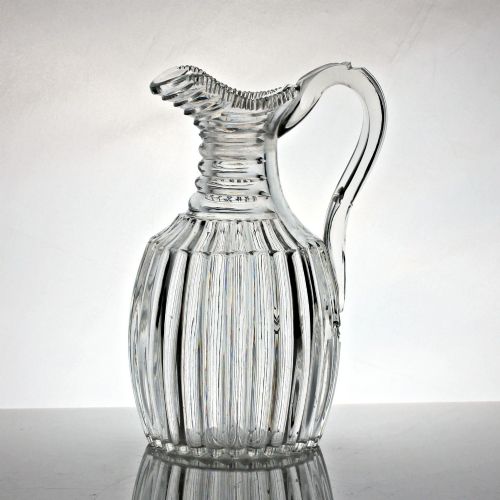
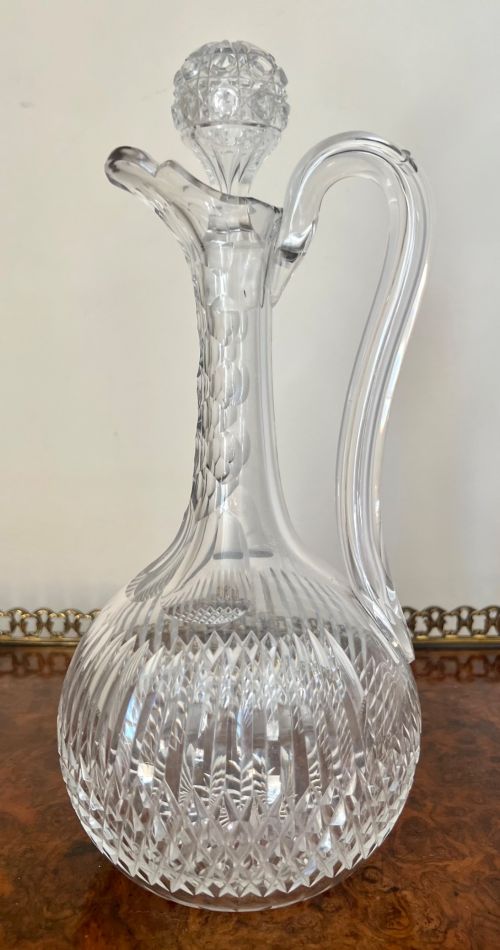
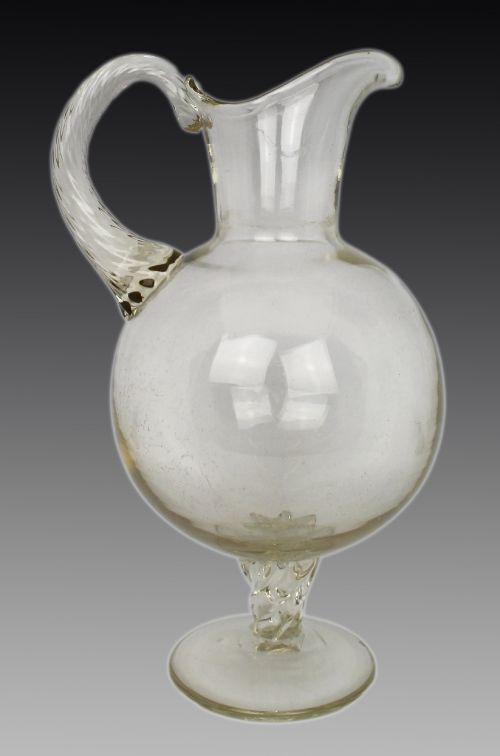
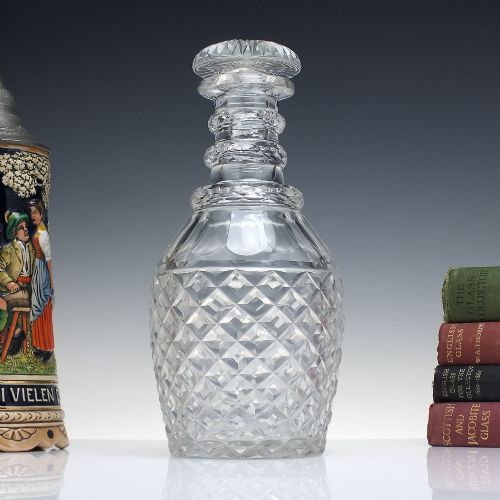
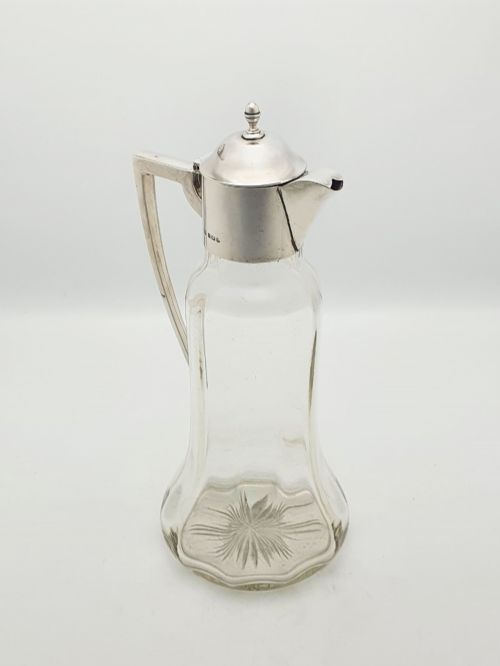
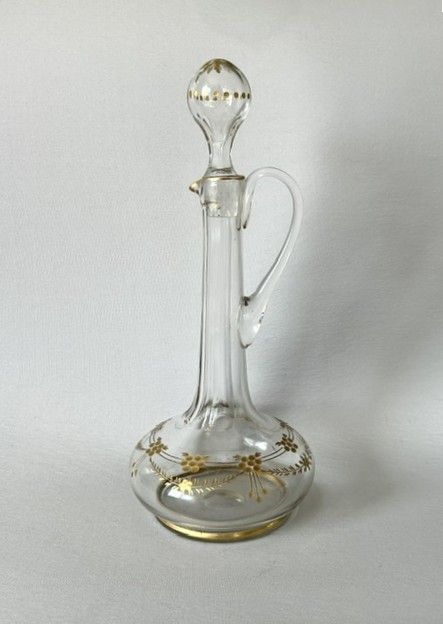
The forms extend beyond standard decanters to include claret jugs, carafes, ewers, and pitchers. Makers utilised shapes such as shaft and globe, shoulder, bell, and pillar designs to suit various styles of dining.
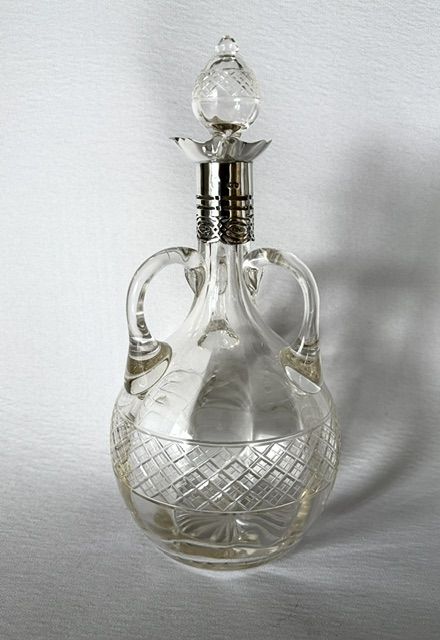
Origins span English, Bohemian, Italian, and Czechoslovakian workshops. Buyers encounter both plain vessels and those enhanced with silver plate, sterling silver collars, or gilding.
How they were made
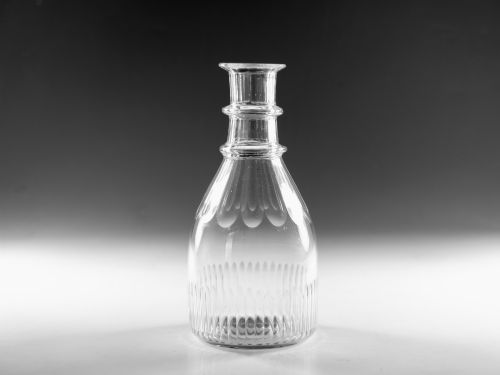
Craftsmen shaped these vessels using hand-blown and moulded techniques, working with clear glass, cut crystal, and lead crystal. Molten metal was blown into iron or wooden moulds, or free-blown before receiving applied details like Lynn rings and handles.
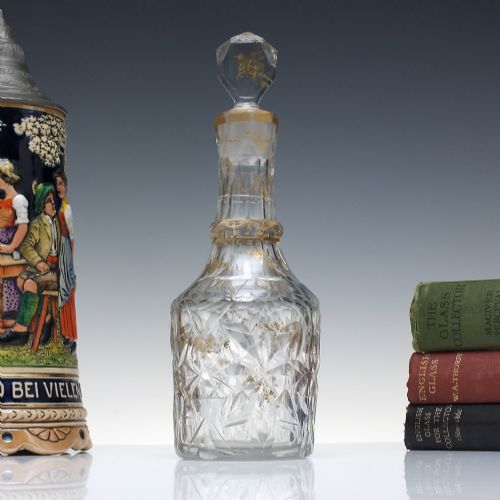
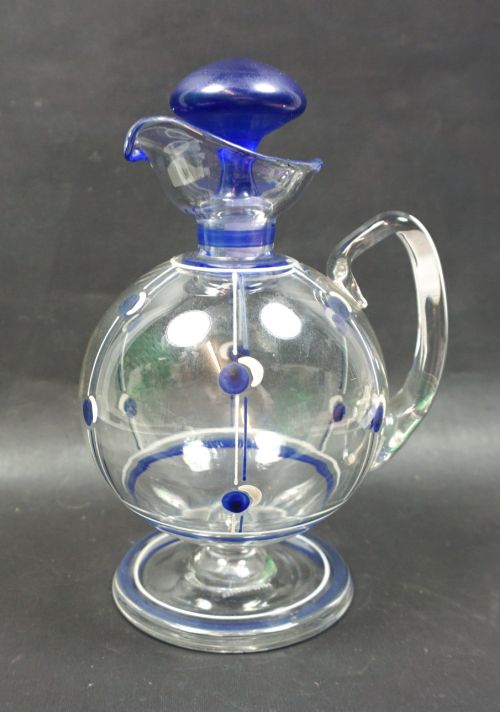
Decoration relied on deep cutting, prism cutting, and wheel engraving, complemented by blue enamel work or gilding from studios such as that of James Giles. Metal mounts in sterling silver and silver plate were fitted to collars and lips to finish the pieces.
Clear Glass Wine Decanter Retail Price Guide 2026
Typical asking prices for clear glass wine decanter among the pieces listed under this phrase on Sellingantiques today, from the lower quarter to the upper quarter. They describe what is for sale here now, not the wider market.
Materials recorded include lead crystal, cut glass, sterling silver, and silver plate across carafes, claret jugs, and ewers.
What varies in quality
The weight and clarity of the metal dictate the foundation of the piece, with dense lead crystal offering superior refraction and heft compared to lighter standard glass. Precision in the wheel-cut facets and depth of the engraving reveal the hand of a more accomplished artisan.
Integration between glass bodies and metal mounts separates standard production from finer examples. Fitted sterling silver collars, heavy silver-plated mounts, and intact gilding or enamel decoration elevate the character and completeness of the vessel.
Atelier of James Giles·Rene Lalique
The Clear Glass Wine Decanter Glossary
- Claret jug
- A vessel specifically formed for serving red wine, typically featuring a handle and a hinged metal lid. These often combine glass bodies with silver-plated or sterling silver mounts.
- Lynn ring
- A horizontal rib or band moulded around the neck of a decanter to provide a secure grip for the hand. They appear frequently on eighteenth-century and Georgian shoulder decanters.
- Lead crystal
- Glass containing a high proportion of lead oxide, which increases weight, brilliance, and workability for deep cutting. It forms the material base for many Victorian and Edwardian tablewares.
- Pillar and prism cut
- A decorative cutting style characterised by vertical flat planes and geometric facets that catch and scatter light. This technique is often found on Georgian and nineteenth-century vessels.
- Ewer
- A pitcher with a wide spout and a curved handle, used historically for pouring water or wine. Examples range from hand-blown Italian glass to cut crystal with metal fittings.
Clear Glass Wine Decanter: Frequently Asked Questions
How do I clean an old decanter?
Residue and staining inside narrow necks require gentle treatment without harsh abrasives or sudden temperature changes. Warm water with specialist cleaning beads helps lift sediment from the base.
After rinsing, leave the vessel upside down on a drying rack until completely dry inside. Metal mounts should be kept clear of soaking water to protect silver plate and sterling silver components.
What is the difference between a decanter and a carafe?
A decanter traditionally includes a fitted glass stopper designed to seal the contents for storage or presentation. Carafes are generally open-topped vessels intended for immediate table service.
Both forms appear across Georgian, Victorian, and Edwardian periods in clear glass and cut crystal. Stoppers should ideally match the neck cut of the specific vessel.
How do I date a clear glass wine decanter?
Dating relies on combining the form of the body, the style of cutting, and any accompanying metal mounts. Georgian pieces often feature shaft and globe profiles or prism-cut pillars, while Edwardian examples favour silver-collared bell shapes.
Makers' marks on silver mounts or engraved signatures on the glass provide definitive chronological markers. Pontil marks on the base further indicate hand-blown production methods from earlier eras.
Can these decanters still be used for wine?
Historic vessels function effectively for decanting and serving modern wines. Lead crystal and clear glass safely hold beverages provided they receive proper cleaning before use.
Care must be taken with handled claret jugs and heavy ewers during pouring due to their weight. Avoid thermal shock by not exposing cold glass to hot liquids.