

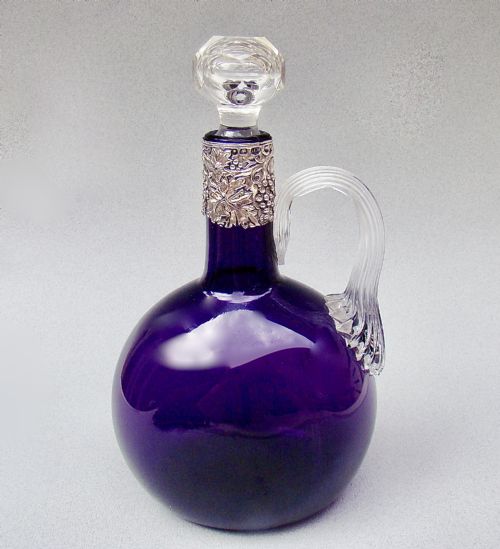
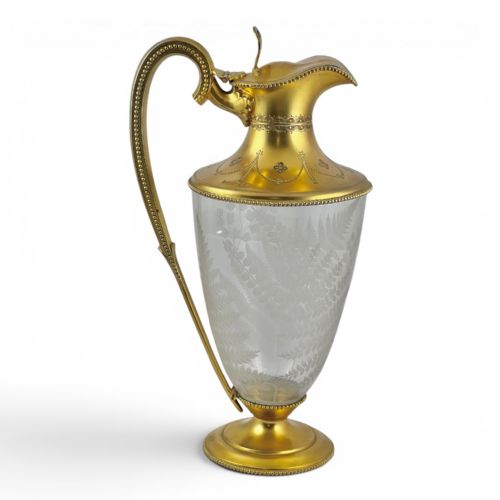
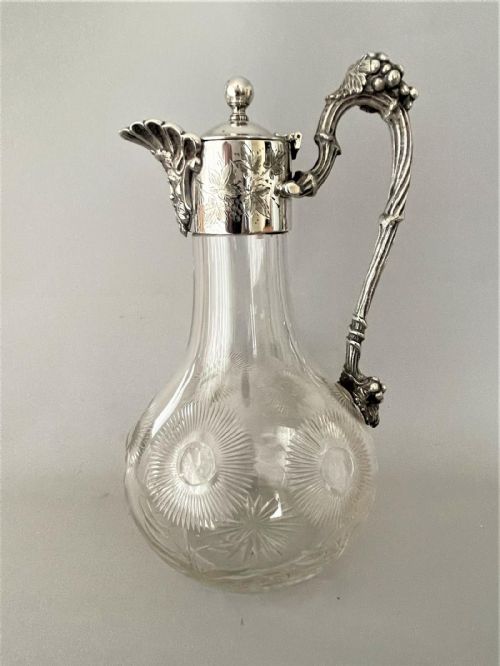
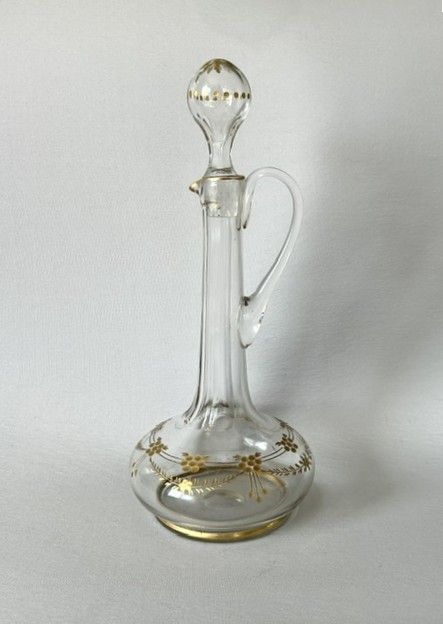



Victorian Glass Claret Jug
When you choose a victorian glass claret jug, you acquire a brilliant serving vessel that brings period dining tables to life.
Victorian Glass Claret Jug
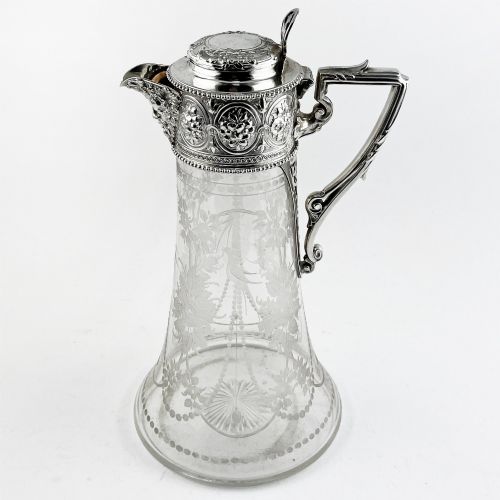
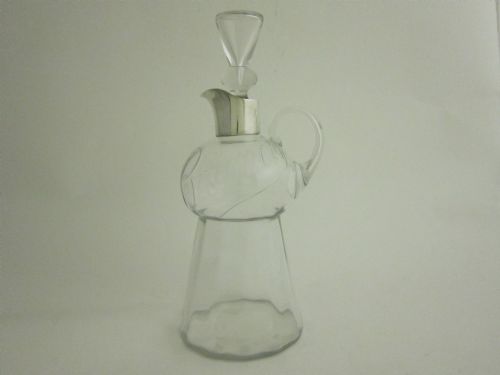
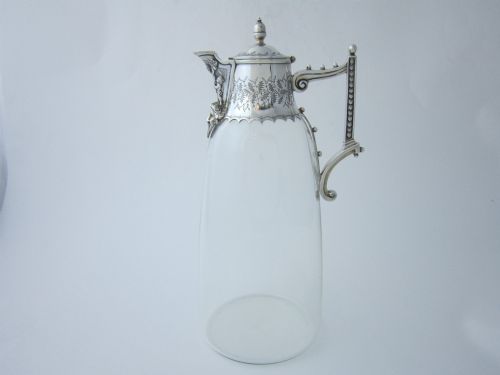
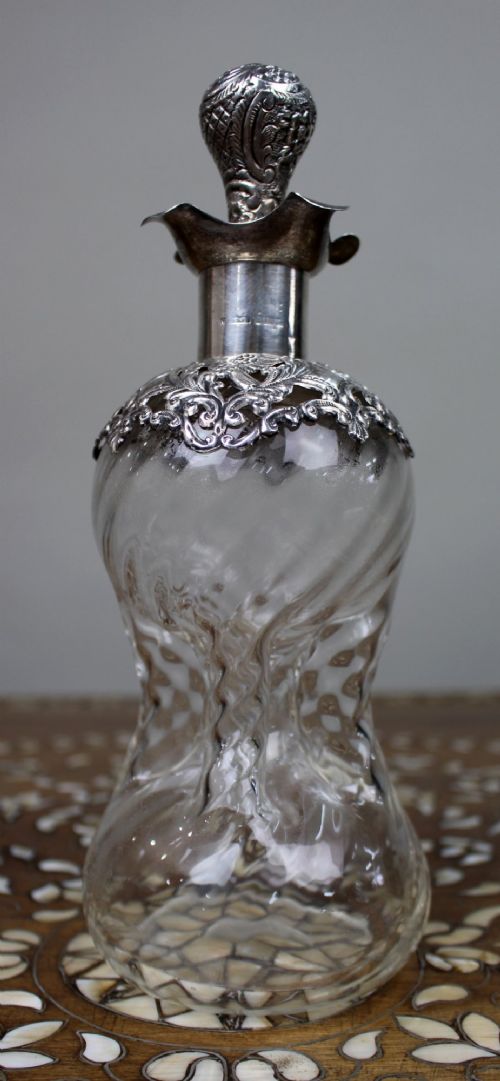
A victorian glass claret jug is a serving vessel designed for wine, water or lemonade during the nineteenth century. These pieces combine functional glass bodies with decorative mounts, handles and hinged lids in sterling silver, silver plate or silver gilt.
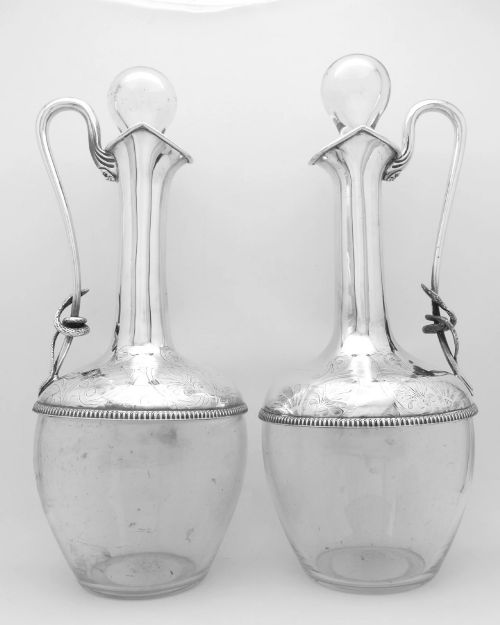
You will most frequently encounter clear cut glass bodies paired with silver-plated mounts dating from the middle to late decades of the nineteenth century. Forms range from slender ewers and carafes to heavy decanters with elaborate serpent handles or floral engraving.
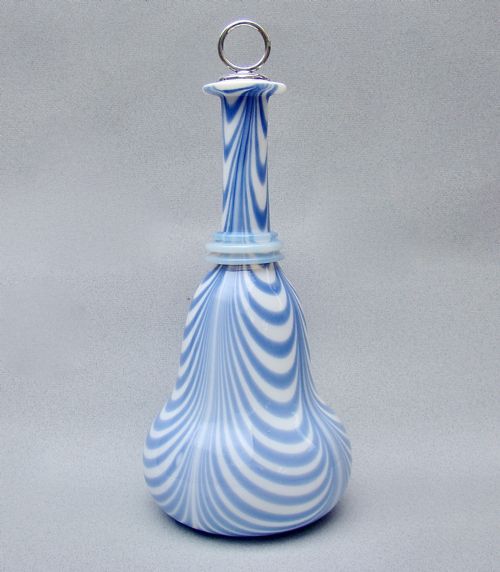
The aesthetic embraces diverse nineteenth century movements, from ornate rococo revival curves to restrained aesthetic styles and bohemian colour overlays. Makers often utilised coloured glass such as cranberry, green or amethyst alongside traditional clear crystal.
Materials and construction
Bodies are formed from blown or moulded glass, frequently enhanced by deep wheel cutting, floral engraving or acid etching. Coloured glass varieties such as cranberry and green rely on precise mineral additions during the glassblowing process.
Mounts, handles and hinged lids are fashioned from sterling silver or silver plate, often bearing hallmarks that reveal the assay office and date of manufacture. Silversmiths cast and chased these metal components into naturalistic forms like Bacchus masks, vine leaves or serpents.
Victorian Glass Claret Jug Retail Price Guide 2026
Typical asking prices for victorian glass claret jug among the pieces listed under this phrase on Sellingantiques today, from the lower quarter to the upper quarter. They describe what is for sale here now, not the wider market.
Materials documented across the inventory include clear crystal, cranberry glass, green glass, sterling silver and silver-plated mounts.
Quality factors
The weight and clarity of the glass set high-tier examples apart from standard production items, with deep, crisp wheel-cutting indicating superior craftsmanship. Crystal bodies show high refractive brilliance without cloudiness or internal bubbles.
Asprey and Co. Ltd·Henry Matthews·Mappin and Webb·Elkington and Co·Hukin and Heath·John Grinsell·Stevens and Williams·Thomas Webb
The Victorian Glass Claret Jug Glossary
- Claret jug
- A specialised vessel for serving red wine, typically featuring a pouring spout and a hinged metal lid. These items formed part of grand dining table arrangements in the nineteenth century.
- Silver plate
- A layer of silver fused to a base metal, frequently utilised for nineteenth-century mounts and handles. Manufacturers often employed electroplating techniques.
- Cranberry glass
- A transparent red glass produced by adding gold chloride to the molten batch. This distinctive shade appears frequently across nineteenth-century decanters and jugs.
- Wheel cutting
- A cold-working technique where revolving wheels grind decorative patterns into the glass surface. Deep cutting creates pronounced geometric or floral facets.
- Bacchus mask
- A decorative motif depicting the face of the classical god of wine, often cast into the silver spout or handle terminal of wine jugs.
Victorian Glass Claret Jug: Frequently Asked Questions
What is a claret jug?
A claret jug is a pouring vessel specifically created to serve red wine at the dining table. These items became particularly popular during the Victorian era.
They combine glass bodies with metal mounts, allowing hosts to pour wine cleanly while displaying decorative cut patterns or coloured glass.
How do I date a silver mount?
British silver mounts carry hallmarks that indicate the assay office, standard of silver and year of manufacture. You can read these small stamped marks using a loupe.
Date letters change annually according to the specific assay office cycle, allowing precise identification for sterling silver pieces.
How were these jugs used?
Hosts used these vessels to decant and serve claret or other wines during formal nineteenth-century meals. The hinged lid kept the contents covered between pours.
Some variants featured internal ice chambers to keep beverages cool during summer dining without diluting the wine.
What is silver plate?
Silver plate involves applying a thin layer of silver over a base metal foundation. This method offered the appearance of solid silver at a lower cost.
Many Victorian makers utilised electroplating to coat mounts, handles and lids with durable metal layers.
How do I clean antique glass?
Wash glass components gently in warm, soapy water using soft cloths to protect the surface. Avoid abrasive scourers that can scratch the delicate material.
Metal mounts require separate care to prevent tarnishing while avoiding harsh chemicals that might stain the surrounding glass.