

Victorian Silver Decanter
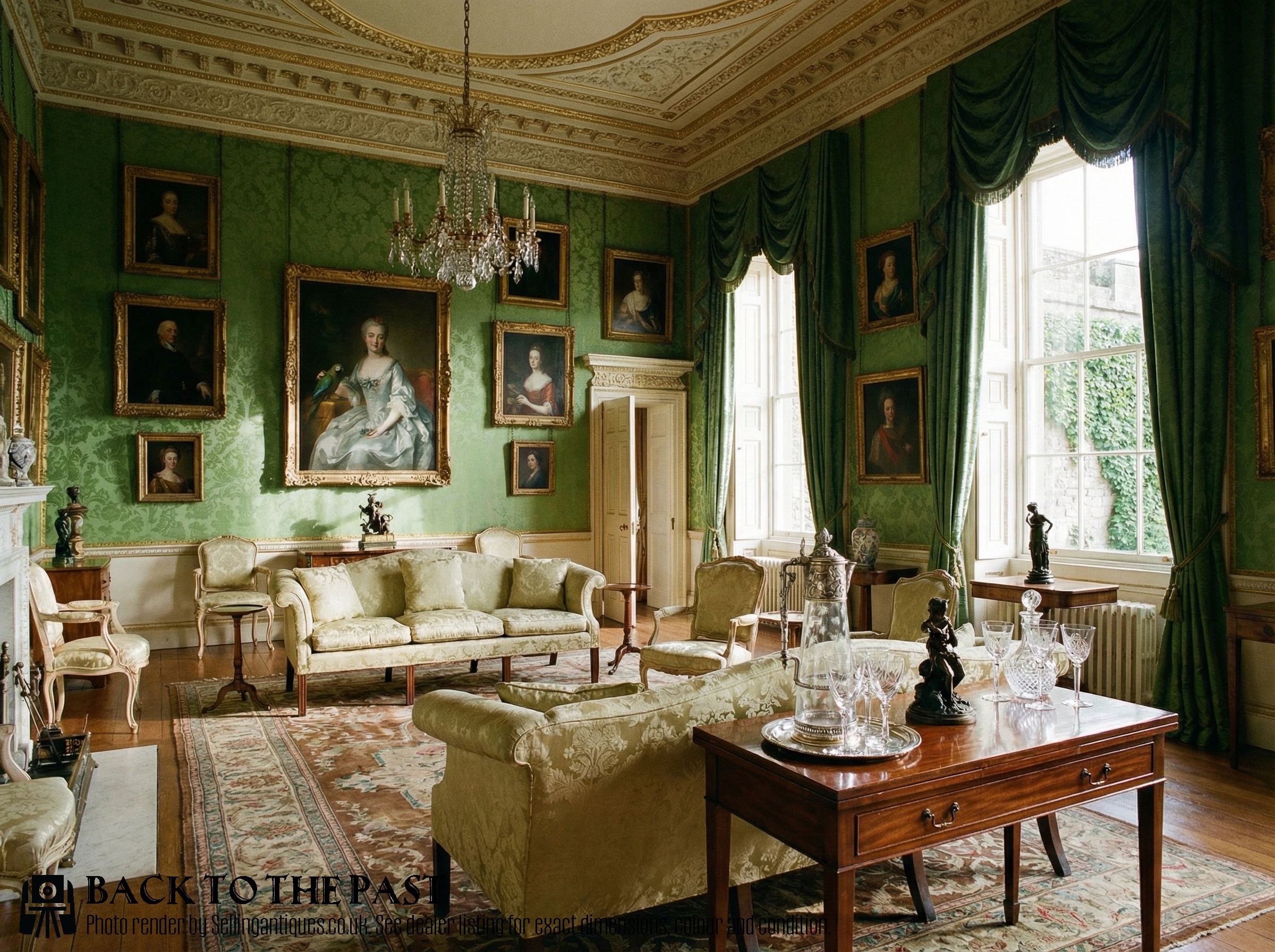
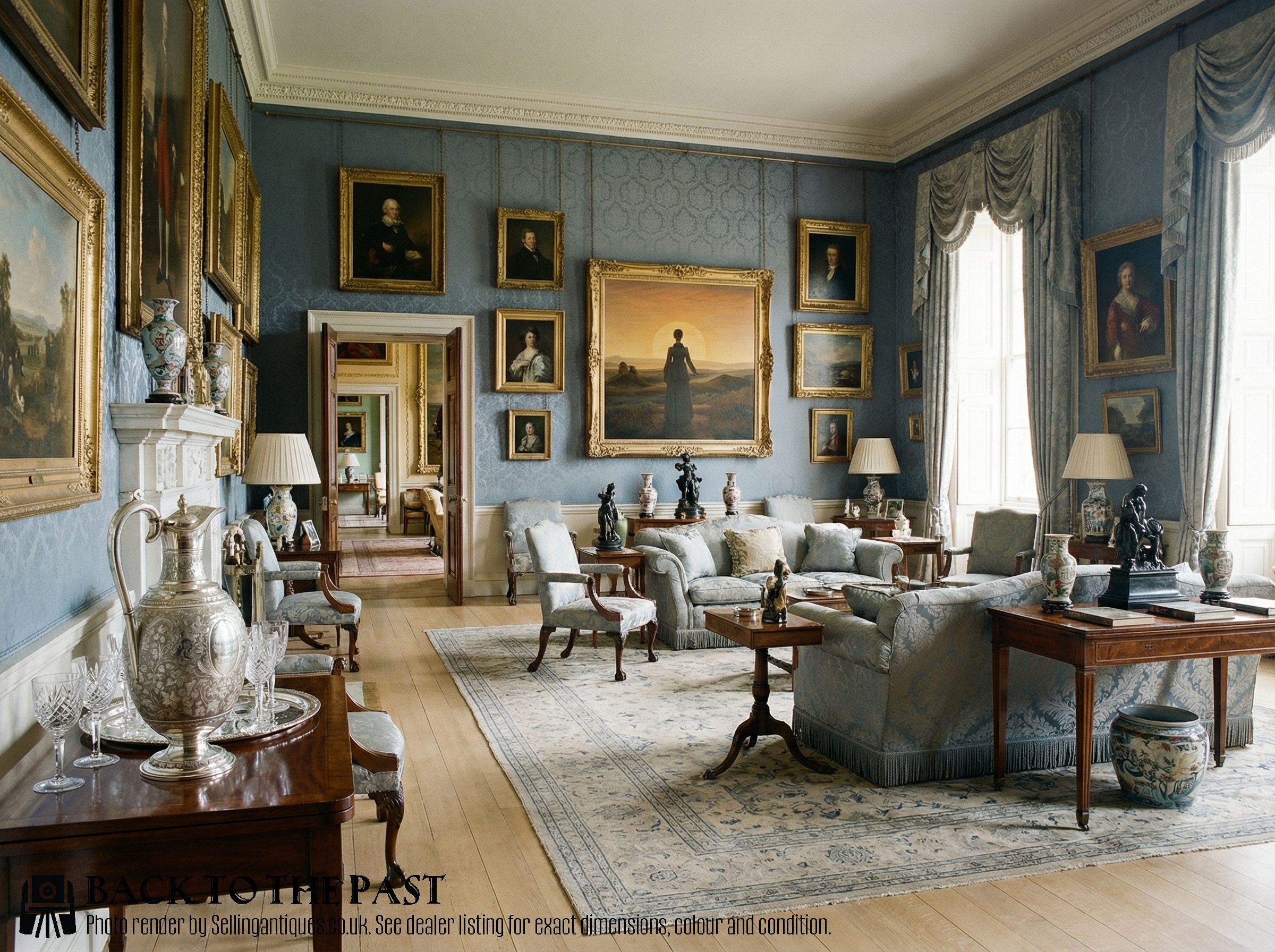
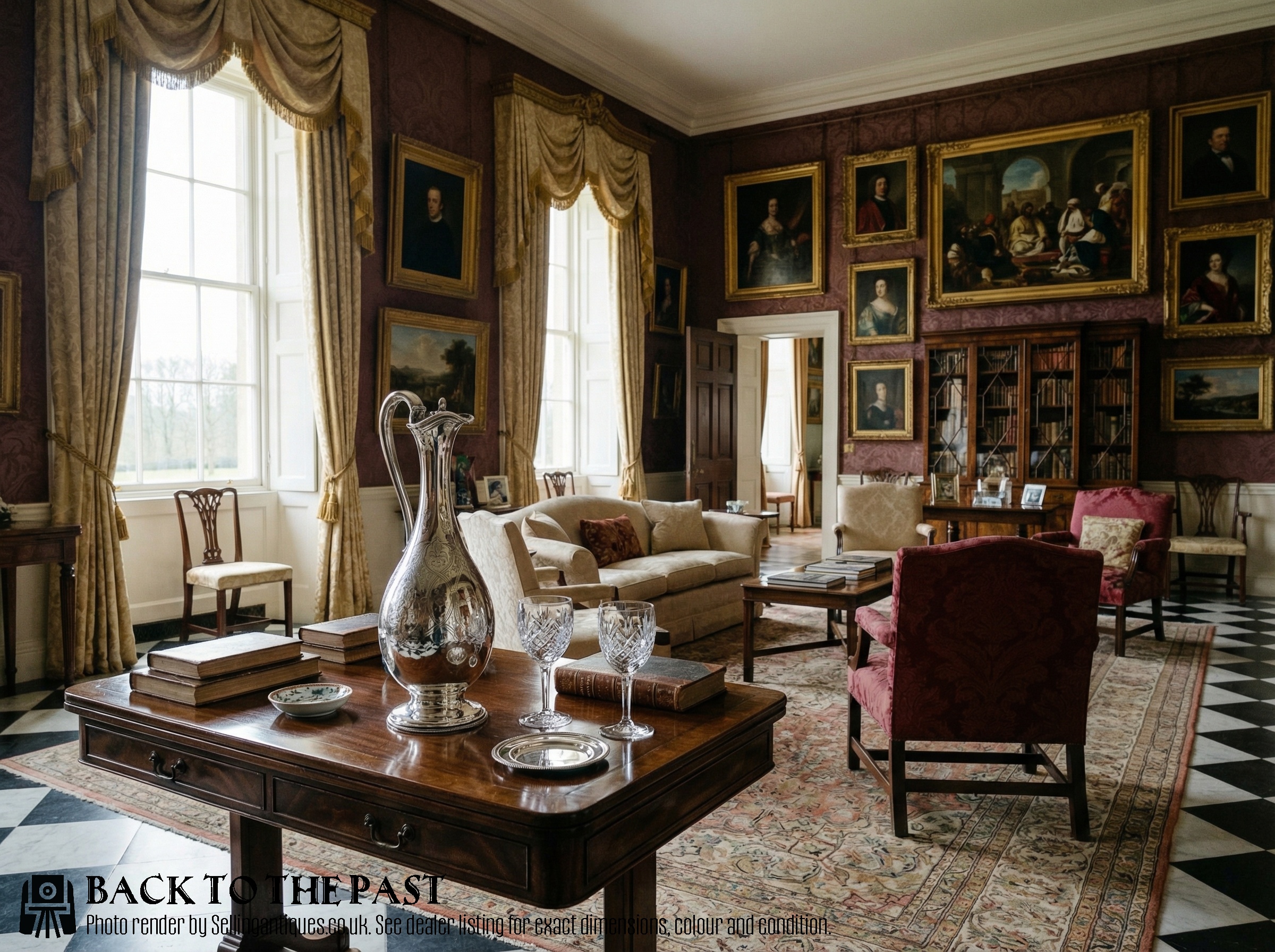
A victorian silver decanter brings undeniable weight and historical elegance to a dining room table or sideboard.
Victorian Silver Decanter
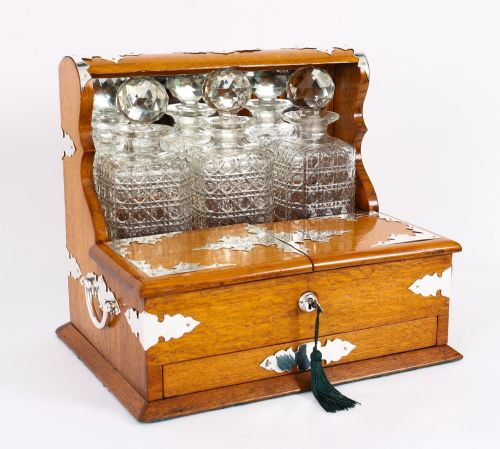
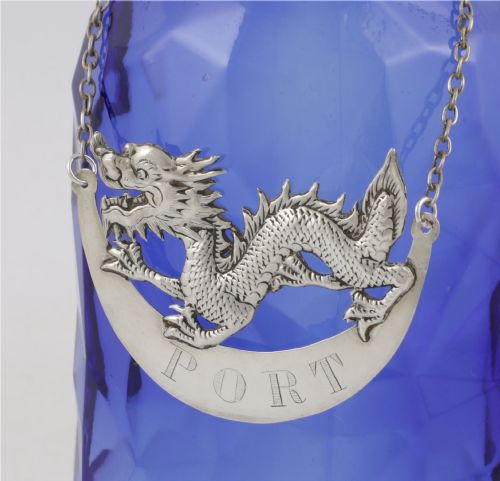
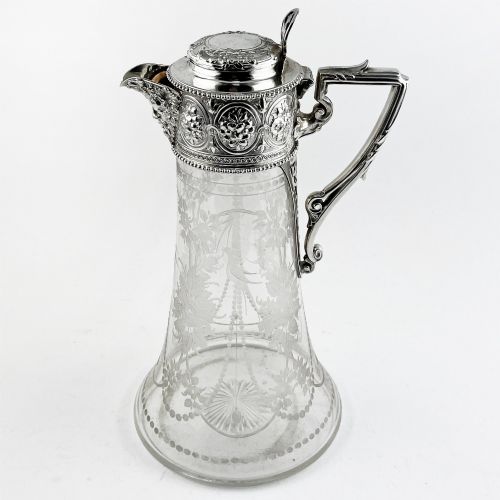
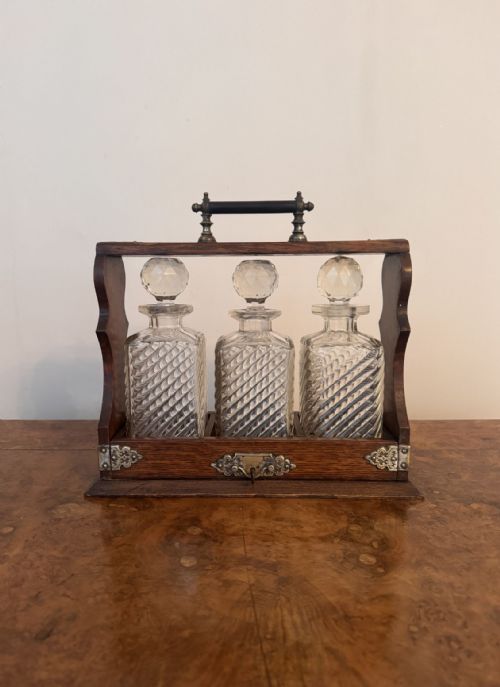
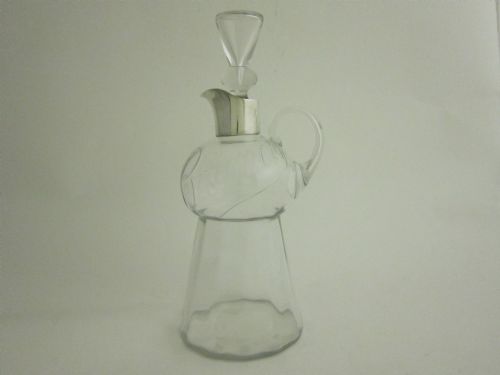
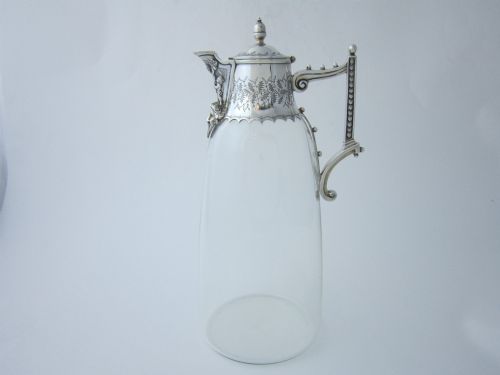
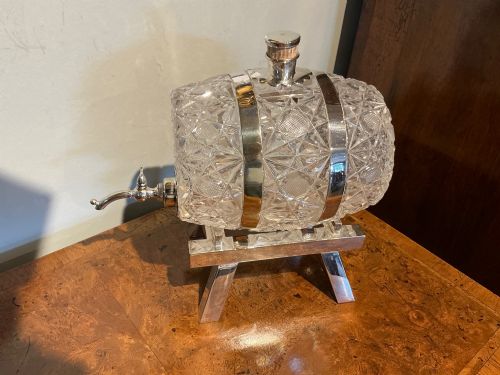
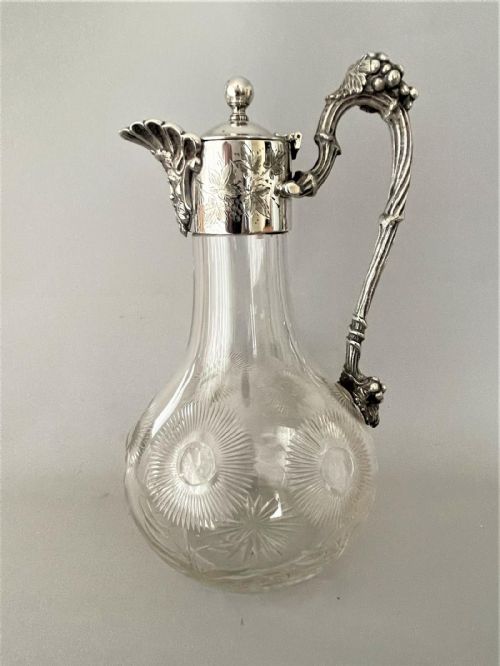
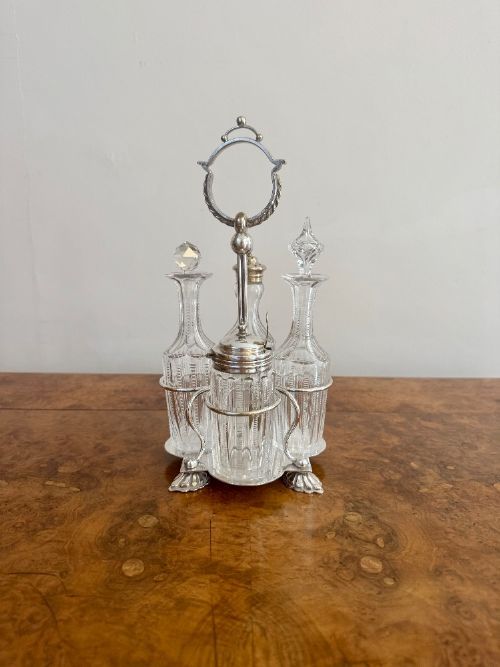
When you search for a victorian silver decanter, you encounter a refined group of serving vessels combining heavy glass or crystal bodies with sterling silver or silver-plated mounts. The selection ranges from tall claret jugs and spirit decanters to individual bottle labels and locking tantalus sets.
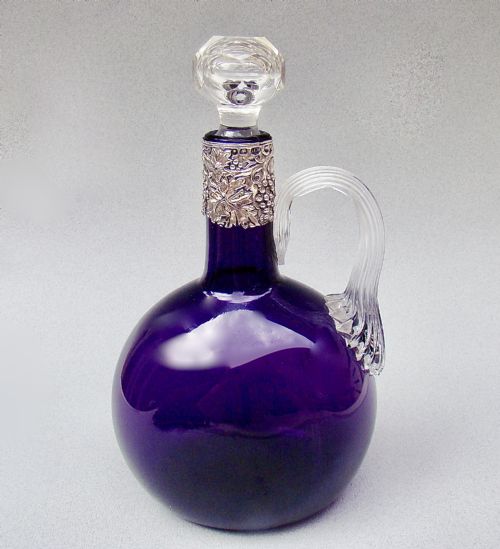
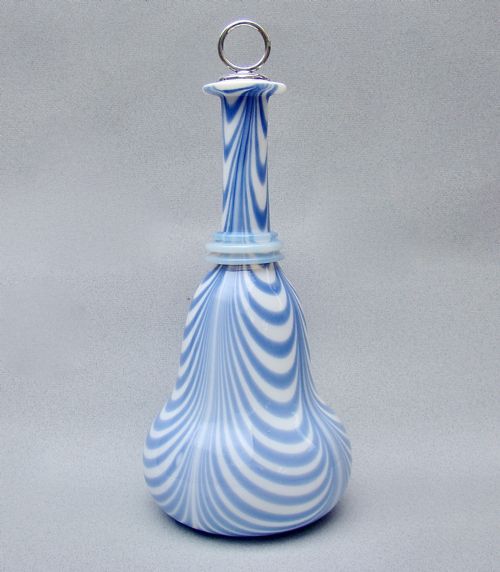
The most common pieces on this page stem from the middle and late nineteenth century, spanning decades of exuberant dining traditions. Makers utilised clear, cut, or coloured glass in ruby, green, and amethyst tones, fitted with ornate metalwork.
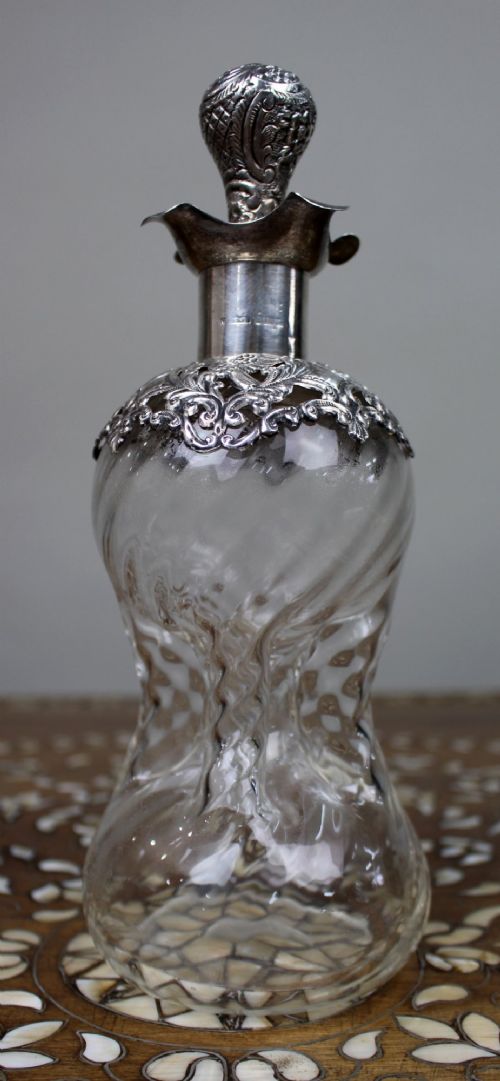
Beyond standard bottles, the evidence includes specialised forms such as glug-glug decanters, hip flasks, and games compendiums housing multiple spirit bottles. These vessels served port, sherry, brandy, and claret during formal Victorian gatherings.
Materials and Techniques
The construction of these pieces relies on the marriage of heavy glass-blowing or crystal-cutting with metal smithing. Artisans shaped molten glass into ribbed, faceted, or flagon forms, often employing coloured glass batches in shades of green or amethyst.
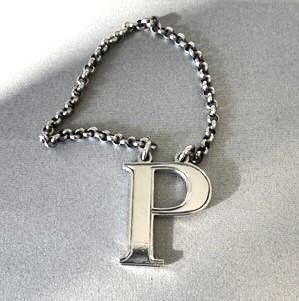
Silversmiths and electroplaters added mounts, collars, handles, and hinged lids cast or stamped in sterling silver or silver plate. Engraving, chasing, and floral motifs ornamented the metal surfaces, while matching chains secured hanging bottle labels.
Victorian Silver Decanter Retail Price Guide 2026
Typical asking prices for victorian silver decanter among the pieces listed under this phrase on Sellingantiques today, from the lower quarter to the upper quarter. They describe what is for sale here now, not the wider market.
Several decanters sport fierce serpent handles and bacchus masks, ensuring your after-dinner port comes with a mild mythological warning.
Judging Quality
Quality in these vessels rests upon the depth and crispness of the hand-cutting on the crystal body and the thickness of the silver mount. Superior examples display heavy, resonant glass combined with robust silver or silver-plated collars that fit the neck securely without play.
Maker attribution and the presence of fully struck hallmarks elevate certain pieces above anonymous factory output. The integration of specialty mechanisms, such as locking tantalus frames or naturalistic handles shaped like serpents and bacchus masks, marks the upper tier of the range.
Asprey and Co. Ltd·Walker and Hall·Henry Matthews·Thomas Stapleton·Nathaniel Mills·Hilliard and Thomason·George Unite·Mappin and Webb
The Victorian Silver Decanter Glossary
- Claret Jug
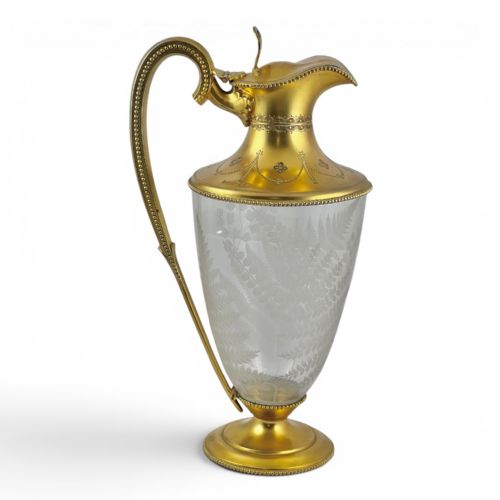
- A specialised pouring vessel designed for red wine, typically featuring a glass body and an ornate silver handle, spout, and hinged lid.
- Tantalus
- A locking wooden or metal frame holding decanters securely behind a bar to prevent unauthorized access to the spirits within.
- Glug-Glug Decanter
- A vessel with a pinched or multi-channeled neck that produces a distinctive gurgling sound when liquid is poured.
- Decanter Label
- A small metal tag suspended by a chain around the neck of a bottle to identify the specific spirit or wine contained inside.
- Old Sheffield Plate
- An early composite material made by fusing a thin sheet of silver to a thicker copper base before shaping.
Victorian Silver Decanter: Frequently Asked Questions
How do I date a Victorian decanter?
Dating relies heavily on the silver hallmarks stamped on the collar, mount, or label, which indicate the assay office and year of testing. Stylistic clues such as cut glass patterns and the transition from silver plate to sterling silver also help narrow the decade.
Unmarked pieces require stylistic comparison with hallmarked examples from the same period. The form of the bottle and the weight of the metal offer additional context for attribution.
Were these decanters meant for daily use?
Middle and upper-class households utilised these vessels extensively during formal dinners, evening gatherings, and domestic entertaining. Spirits and wines were transferred from storage barrels into decanters for presentation at the table.
Today, collectors continue to use them for serving wine and spirits, provided the glass interiors are cleaned with care. Modern owners often display them within cabinets or upon dedicated silver-plated trays and coasters.
What is a tantalus set?
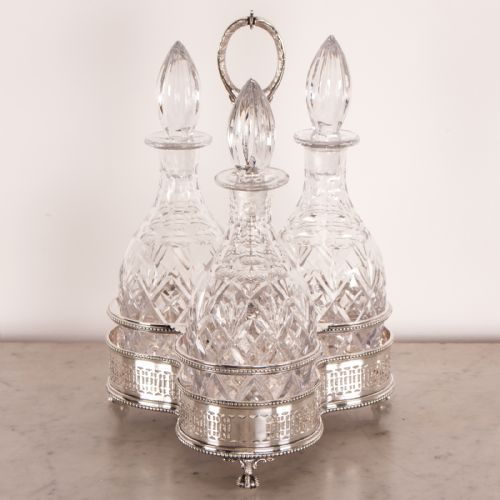
A tantalus is a locking wooden or metal stand that holds two or three decanters in place, preventing guests or servants from pouring drinks without a key. The frame locks the stoppers down so the bottles cannot be removed from the enclosure.
Originating in the nineteenth century, these security stands were kept in studies, smoking rooms, or dining parlours. They combined practical security with an impressive display of polished oak and cut crystal.
Why do some decanters have coloured glass?
Makers utilised coloured glass in shades of ruby, green, and amethyst to protect certain wines and spirits from light exposure. Coloured vessels also added visual variety to the sideboard and helped guests distinguish between different ports and clarets.
These tinted pieces were produced using specialised mineral oxides added to the molten batch. Today, coloured glass examples are sought after for their rich visual presence.