

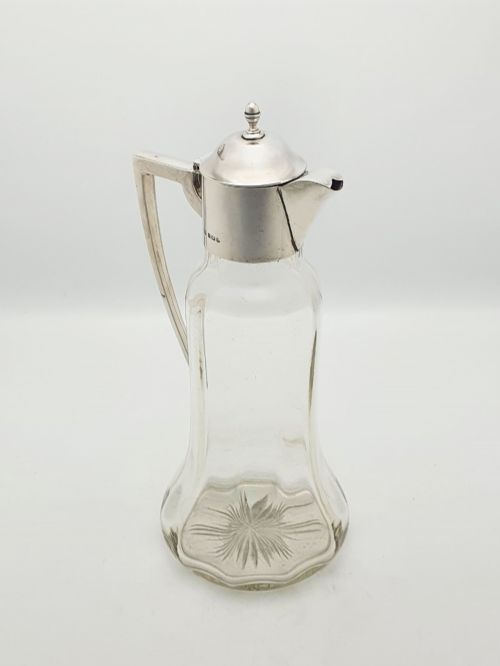
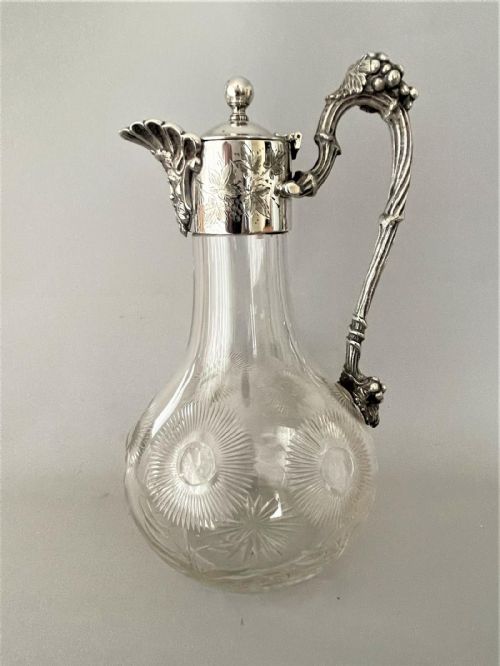

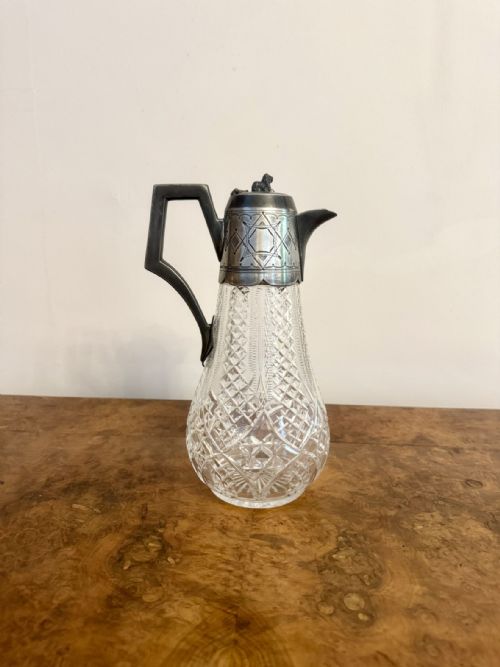
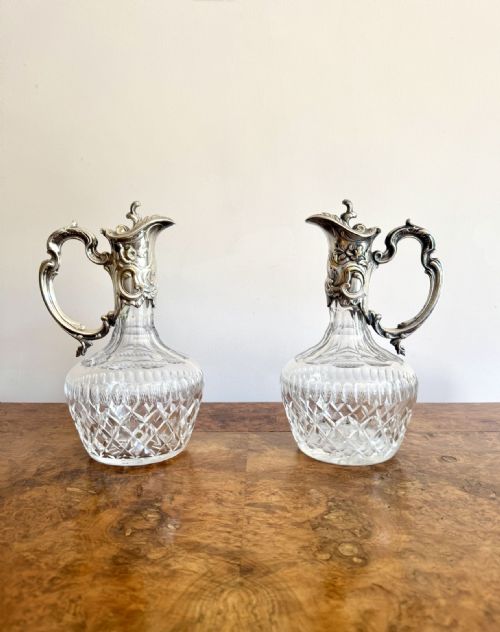
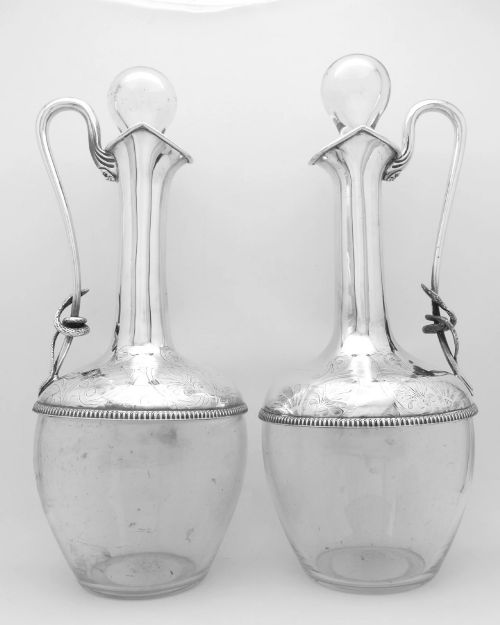


Silver Wine Pitcher
A silver wine pitcher brings period weight to the table, and these Victorian flagons, ewers, and claret jugs offer solid silver and silver plate for formal pouring.
What these pieces are
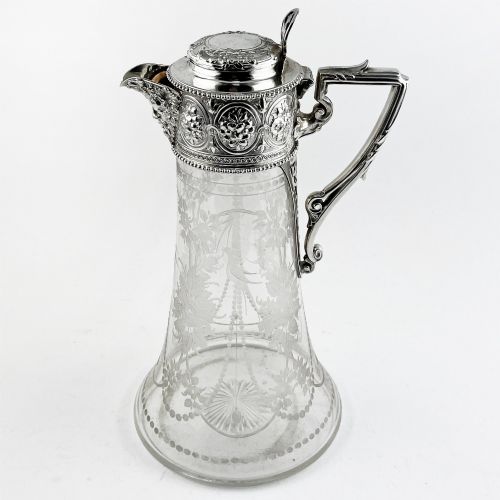
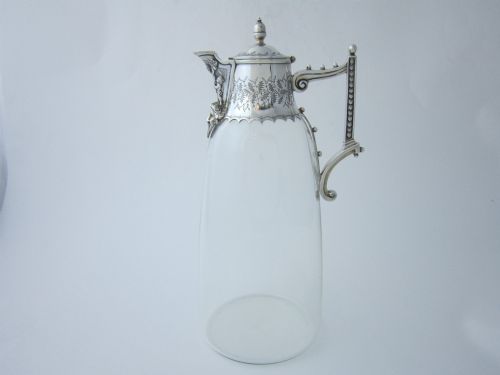
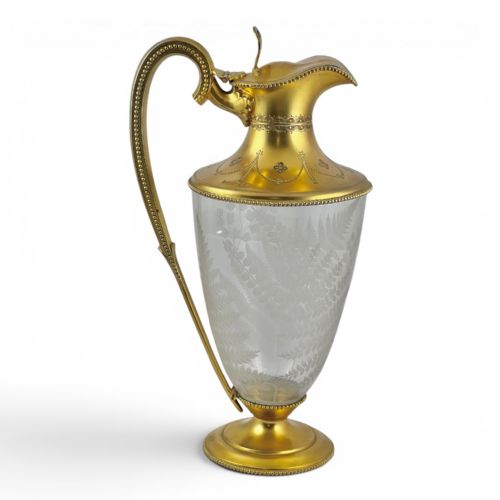
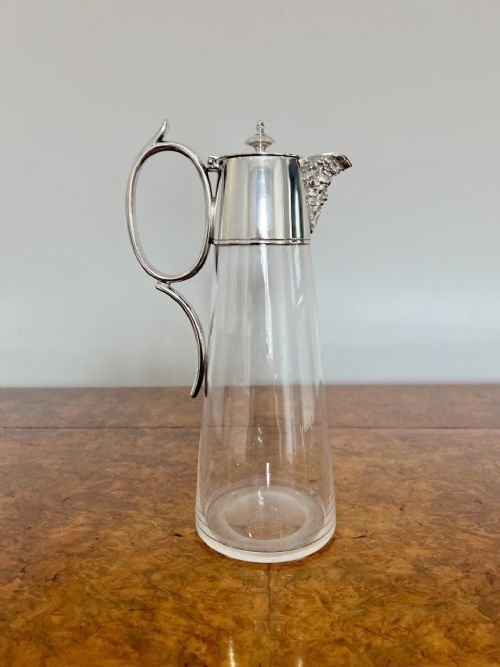
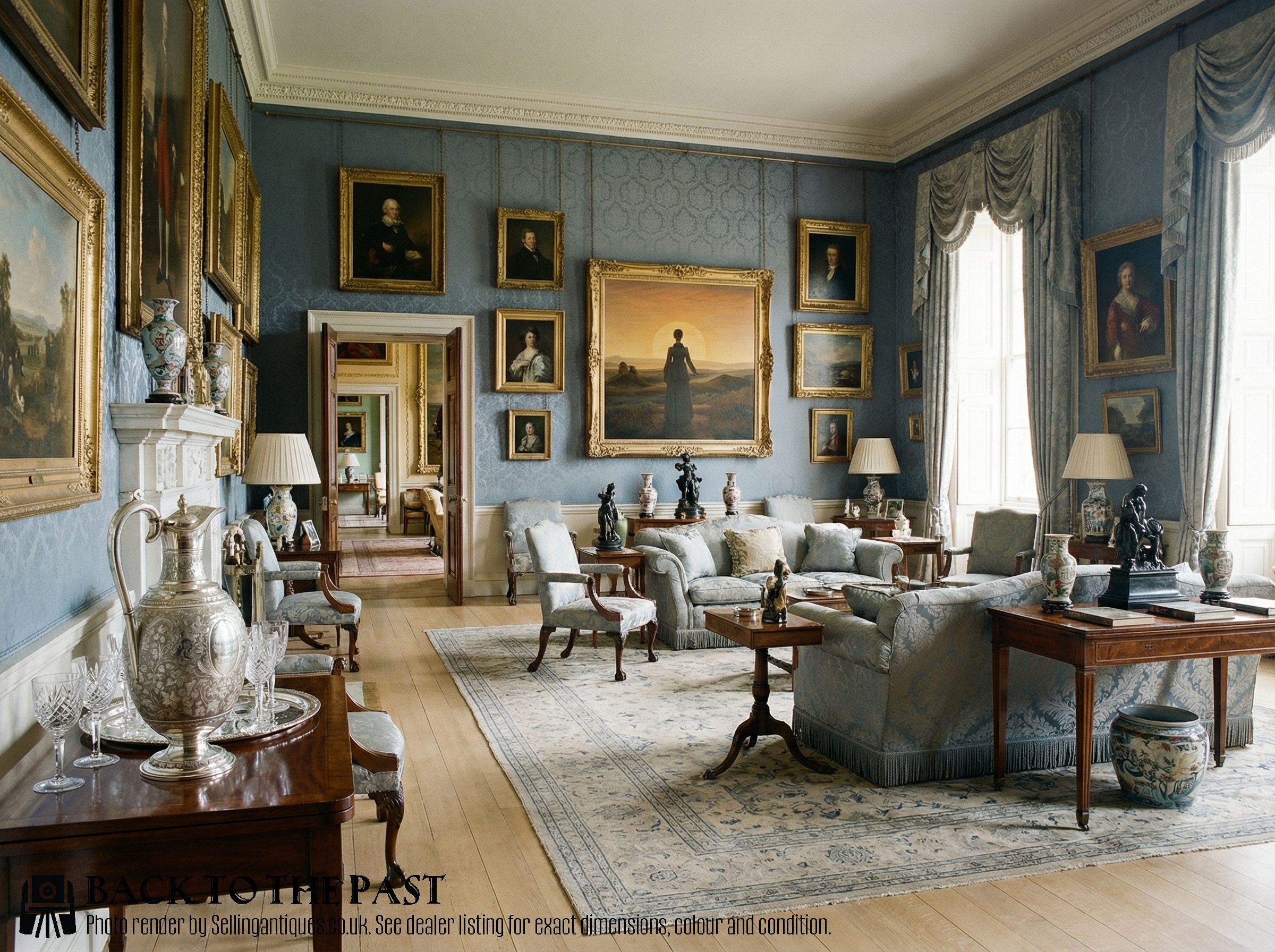
A silver wine pitcher encompasses Victorian flagons, ewers, and claret jugs designed for serving drink at the table. These vessels emerge primarily from the nineteenth century, reflecting the formal dining habits of the period.
Buyers will encounter both silver and silver plated examples among these listings. The forms range from standard pouring jugs to ornate presentation claret jugs intended for display as much as use.
The pieces on this page represent the Victorian era exclusively. They bridge the gap between functional tableware and decorative metalwork from the nineteenth century.
How they were made
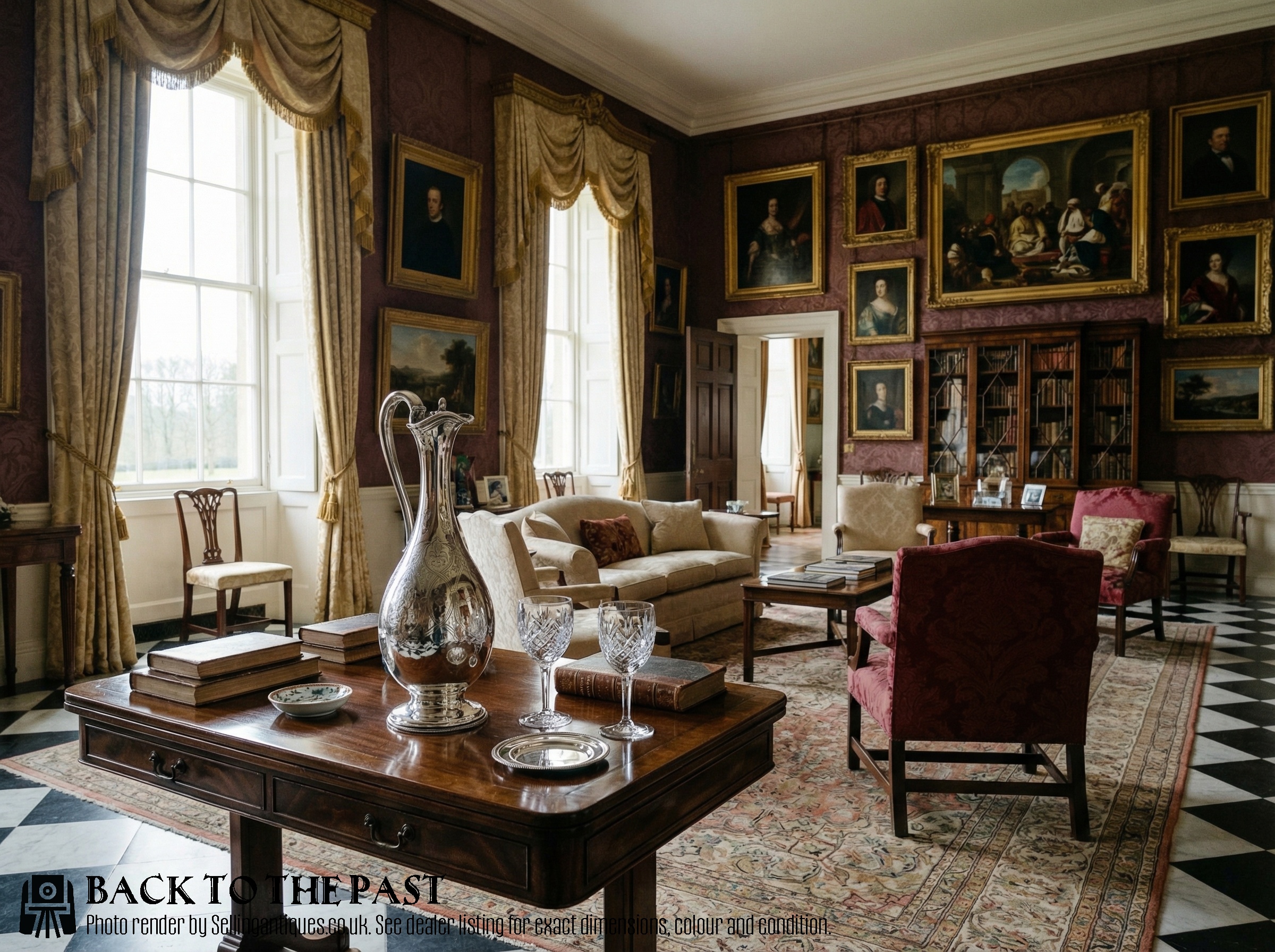
The construction utilises solid silver or metal coated in silver plate. Makers shaped these materials into substantial vessels capable of holding liquids.
Ornate decoration distinguishes the manufacturing process on select pieces. Artisans applied detailed chasing and casting techniques to achieve the Victorian aesthetic seen on presentation jugs.
All listed pieces belong to the Victorian period and the nineteenth century, utilising silver, silver plate, and metal.
What varies in quality
The distinction between standard vessels and top-tier examples lies in the depth of ornamentation and the quality of the metalwork. Ornate presentation pieces display finer hand-chased detail than plain utility jugs.
Material choice also separates the range, with solid silver commanding a different tier of craftsmanship compared to silver plated metal. The weight and balance of the handle and spout further indicate the maker's skill.
The Silver Wine Pitcher Glossary
- Claret jug
- A vessel specifically shaped for serving red wine at the table. These typically feature a hinged lid and a handle.
- Flagon
- A large drinking vessel with a handle and often a lid, used for wine or ale. Victorian examples often display robust metal construction.
- Ewer
- A large jug with a wide spout, historically used for pouring water or wine. In nineteenth-century metalwork, the term overlaps closely with decorative pitchers.
- Silver plate
- A layer of silver applied to a base metal core. This technique allowed makers to produce impressive tableware at a lower cost than solid silver.
Frequently Asked Questions
What is a silver wine pitcher used for?
These vessels serve wine at the dining table during formal meals. They function as both pouring jugs and decorative centerpieces.
Historically, hosts used them to transfer wine from storage casks or bottles to individual glasses. Today, they remain practical for serving drinks or display in a dining room.
How do I clean a silver pitcher?
Cleaning requires a specialised silver polish and a soft cloth to remove tarnish without scratching the metal. Avoid abrasive pads that can damage the surface.
For silver plated items, gentle care prevents wearing through the thin outer layer of precious metal. Regular dusting helps maintain the shine between deeper cleans.
Are these pitchers made of solid silver?
The listings include both solid silver and silver plated metal objects. Each piece's description indicates the specific material used in its construction.
Solid silver items consist entirely of the precious metal throughout the body. Silver plated pieces feature a base metal core beneath a thin exterior coating of silver.
How do I date a Victorian wine jug?
Dating relies on stylistic markers from the nineteenth century, including the specific Victorian design motifs present on the body. Maker's marks and hallmarks often provide precise clues to the year of creation.
Examining the manufacturing techniques and handle construction also helps place the piece within the Victorian period. Presentation inscriptions can offer an exact calendar year, such as eighteen seventy-seven.