




Antique Silver Wine Vessel
An antique silver wine vessel brings centuries of craftsmanship to the table, offering form and function for serving drink.
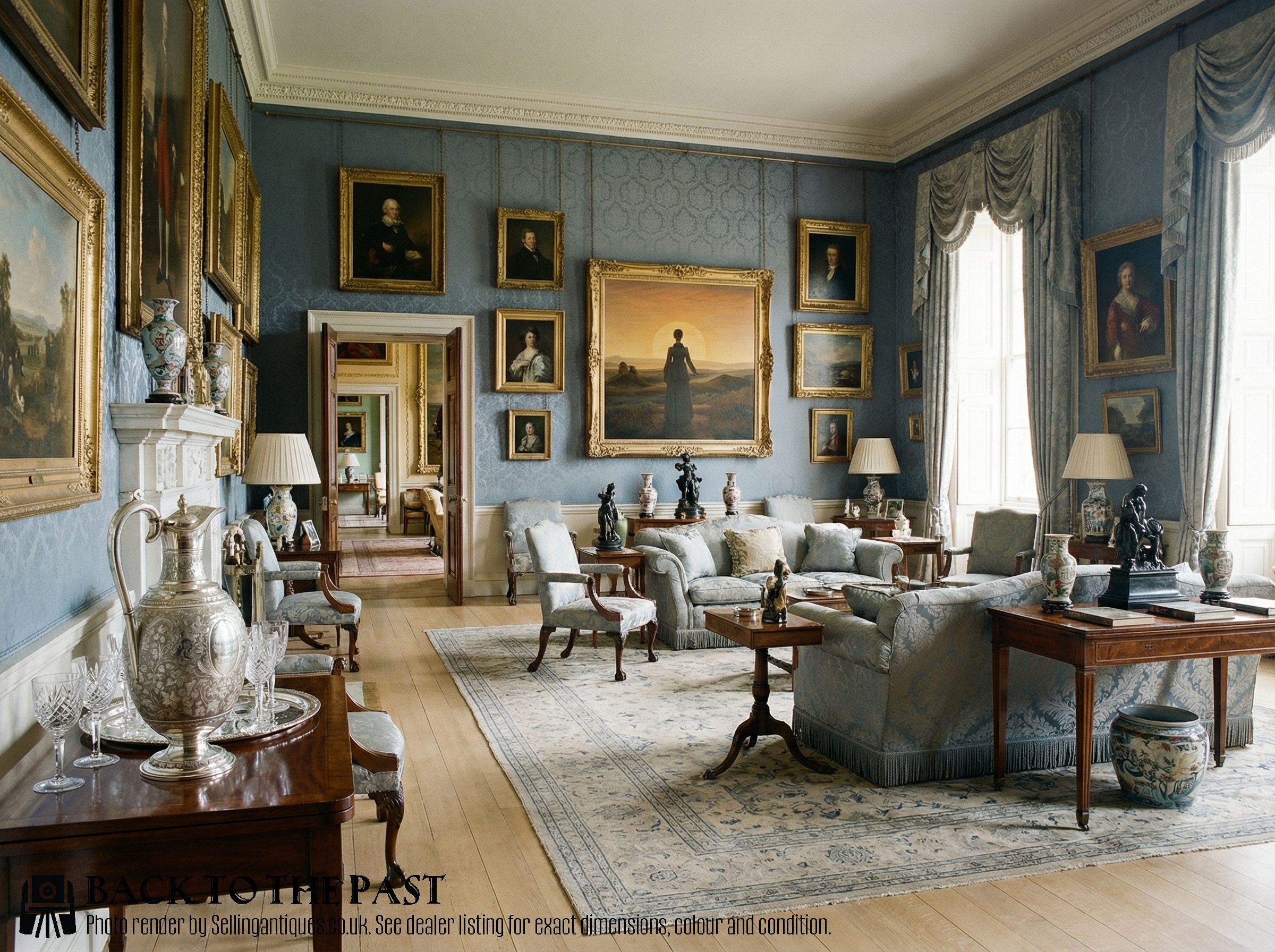
Antique Silver Wine Vessel
An antique silver wine vessel encompasses objects designed for holding and pouring wine, ranging from claret jugs to goblets and chalices. These pieces appear across periods from the seventeenth century through to the mid twentieth century, reflecting shifting dining habits.
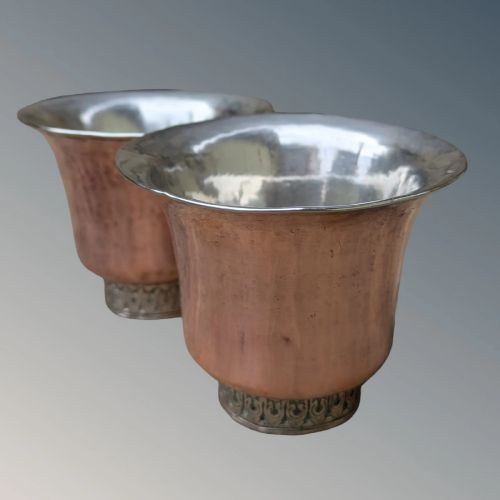
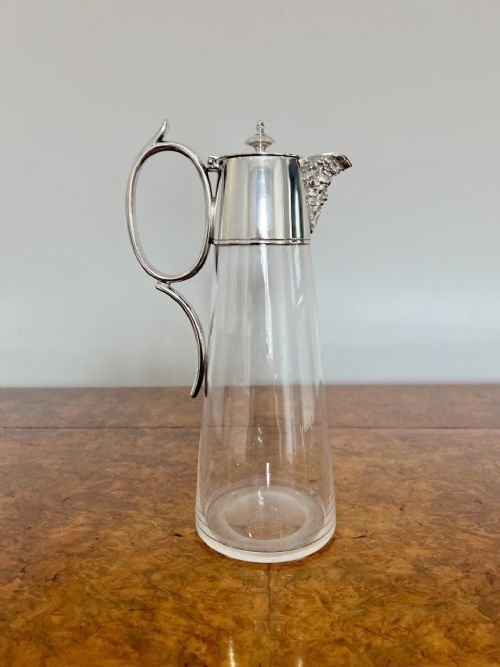
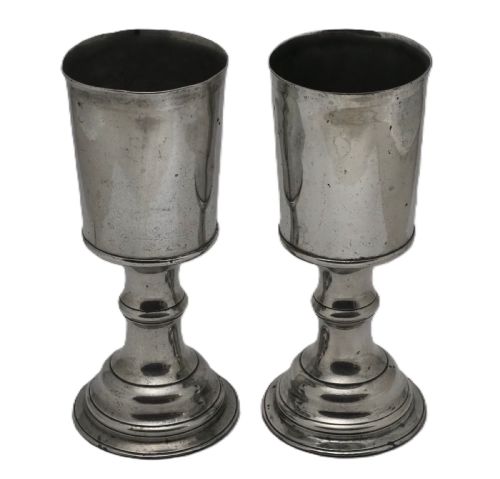
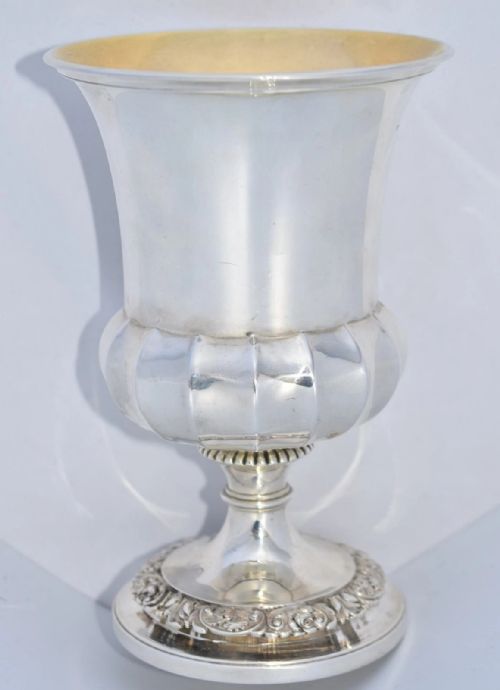
Claret jugs and wine coolers dominate the selection, often combining metal bodies with cut glass or crystal liners. Buyers will also encounter ewers, pitchers, and drinking vessels fashioned from sterling silver, silver plate, and pewter.
Victorian and Georgian examples sit alongside Edwardian pieces and items from Chinese Export workshops. Each object demonstrates the specific utility required by its period, whether for formal presentation or daily dining.
How they were made
Silversmiths utilised sterling silver and silver plate over copper, forming bodies through hammering, casting, and soldering. Handles and mounts received detailed chasing and engraving to build texture and relief.
Glass components, particularly in claret jugs and ice buckets, were mouth blown and wheel cut. Pewter objects relied on alloy casting in moulds, whilst specific items incorporated enamel work or applied ceramic elements.
A tiny fifteen seventeenth century porringer sits quietly among towering Victorian claret jugs, proving good things come in small proportions.
What varies in quality
The weight of the metal and the crispness of the chasing separate standard items from superior works. Finer vessels display deep, hand cut decoration rather than shallow stamped patterns.
The integration of mixed materials, such as the fit between a cut glass body and its silver mounts, demonstrates the maker's precision. Maker marks and clear hallmarks also contribute to the distinction of individual pieces.
Wang Hing and Co·George Unite·William Eaton·John Scofield
The Antique Silver Wine Vessel Glossary
- Claret jug
- A pitcher specifically designed for serving claret or red wine, typically featuring a glass body with a metal handle, mount, and hinged lid. These vessels became particularly popular during the Victorian era.
- Sterling silver
- An alloy containing a high proportion of pure silver combined with other metals to ensure durability for tableware. Items meeting this standard often carry official assay marks.
- Chasing
- A metalworking technique where the smith pushes metal from the front using hammers and punches to create raised decorative designs. This method adds dimension to handles, lips, and bodies.
- Old Sheffield plate
- A composite material made by fusing a thin sheet of silver to a thicker copper base, common in eighteenth and nineteenth century production before electroplating took over.
- Ewer
- A large pitcher with a flared spout and curved handle, historically used for pouring wine or water at the table. Their sculptural forms often reflect classical design influences.
Antique Silver Wine Vessel: Frequently Asked Questions
What is the difference between a claret jug and a wine cooler?
A claret jug is a pouring vessel designed to serve wine at the table, usually featuring a handle, spout, and hinged lid. It combines glass or crystal with metal mounts to hold and dispense liquid.
A wine cooler is a larger vessel intended to hold ice and bottles to lower or maintain temperature. These items are deeper and lack pouring spouts.
How do I care for antique silver and silver-plated vessels?
Maintenance requires gentle cleaning with specialised silver polishes to remove tarnish without abrading the surface. Avoid harsh chemical dips, especially on pieces with glass liners or enamel.
Store vessels in dry environments away from direct sunlight and humidity. Handling items with soft cloths prevents oils from transferring to the metal.
Can I still use these vessels for serving wine?
Many solid silver and glass vessels remain entirely functional for serving drinks today. Thorough washing with warm, soapy water prepares them for modern use.
Pieces with delicate silver plating or historic joins require careful hand washing rather than immersion in dishwashers. Pewter items suit cold beverages rather than acidic wines.
How do I identify the period of a silver wine vessel?
Hallmarks stamped onto silver components provide precise dates and assay office locations. These small marks record the year letter, maker's initials, and metal standard.
Stylistic cues such as cut glass patterns, handle shapes, and overall form also point toward specific eras like the Victorian or Georgian periods.