
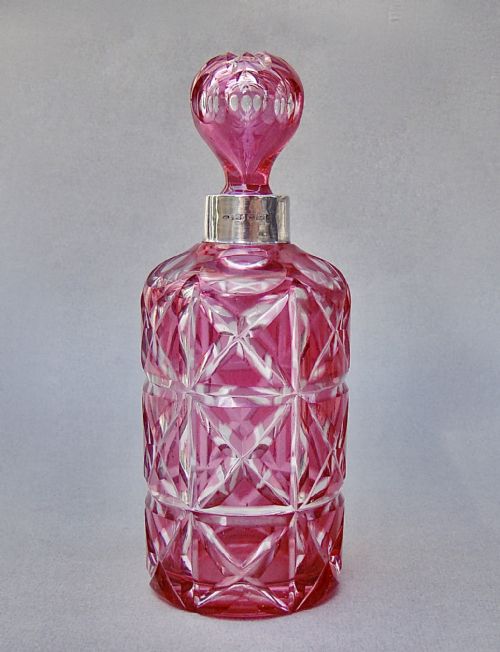


Edwardian Glass Scent Bottle
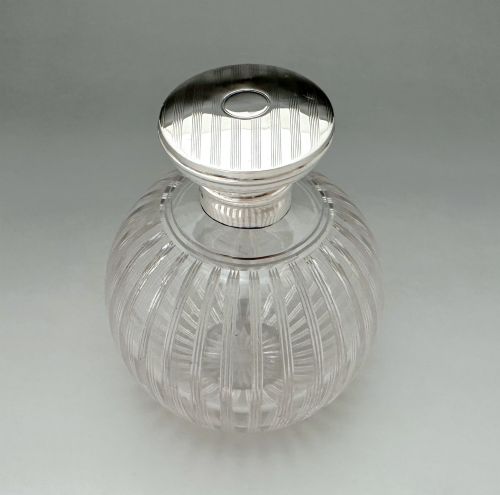
When you handle an edwardian glass scent bottle, you hold a functional vanity object defined by sterling silver mounts and coloured glass bodies.
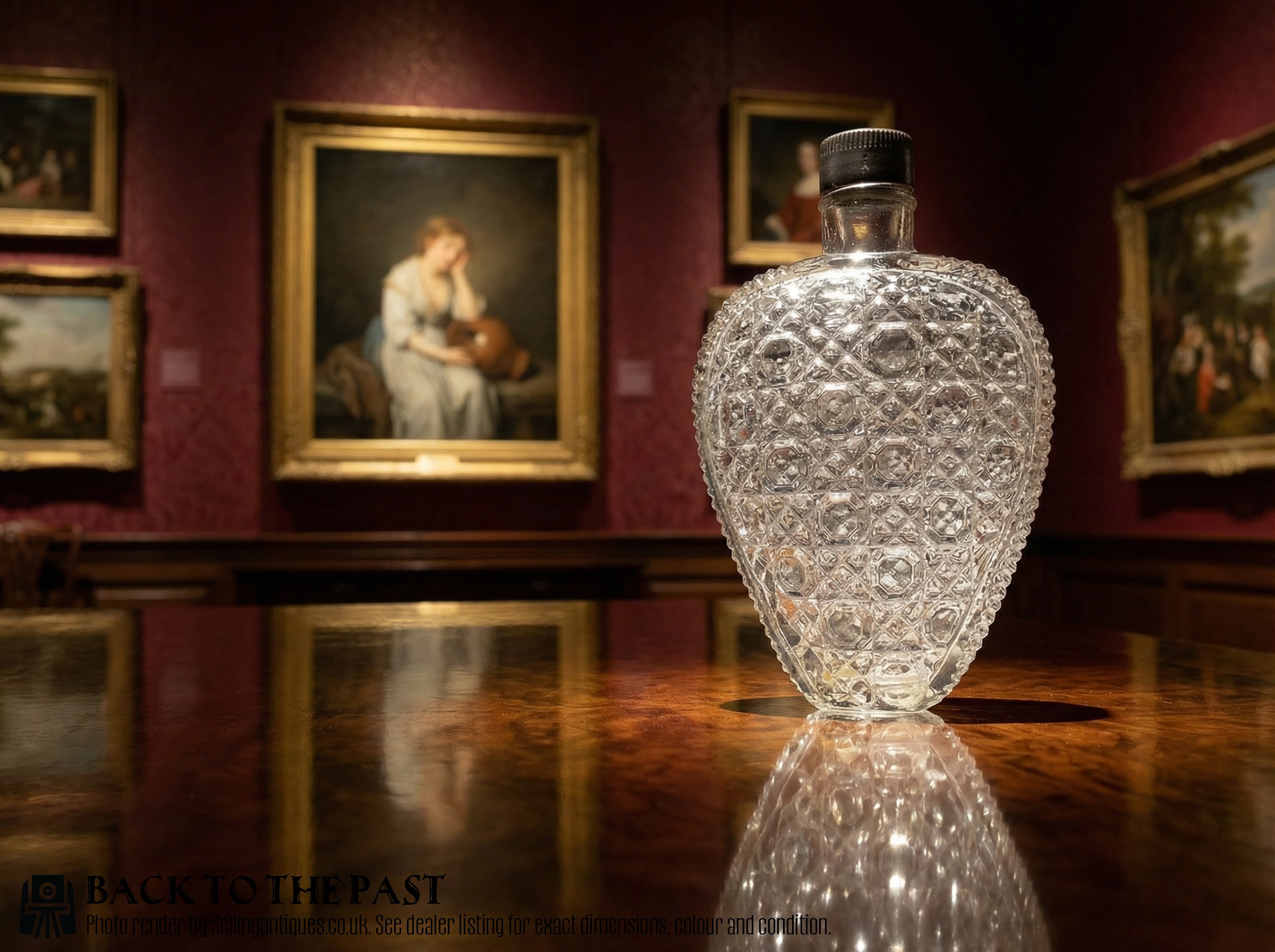
Edwardian Glass Scent Bottle Forms
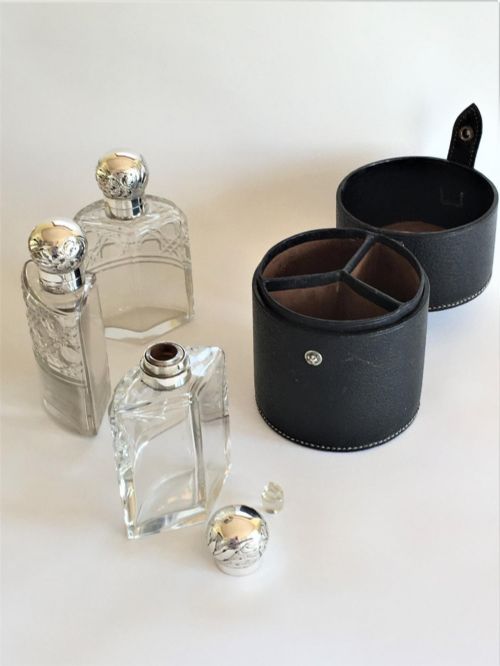
An edwardian glass scent bottle combines blown or cut glass reservoirs with hinged or screw-top silver lids, designed for pocket or dressing table use.
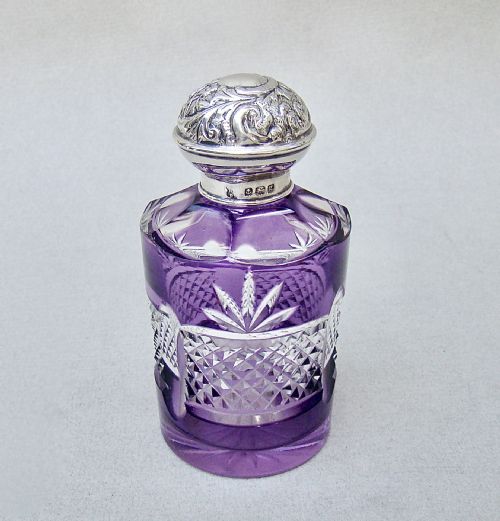
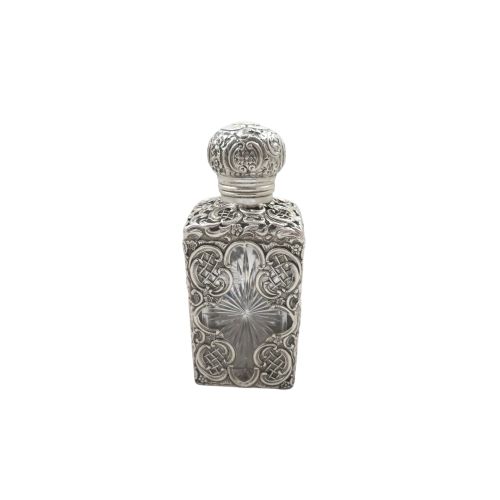
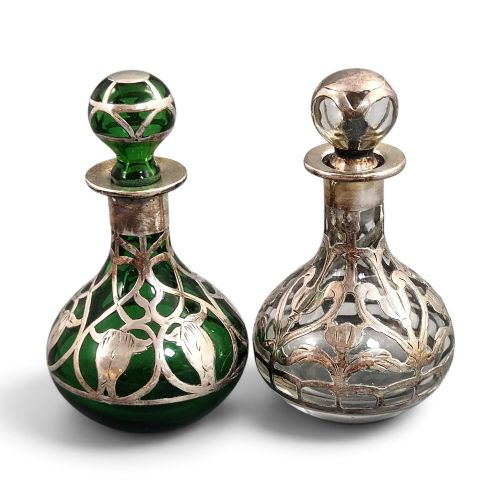
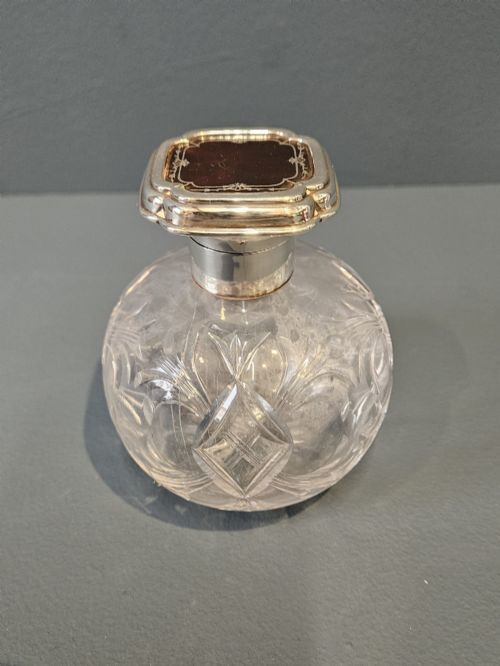
The selections here most frequently present as cut glass or coloured glass bodies encased in sterling silver overlay or fitted with hallmarked silver collars.
Makers from Birmingham and London dominate the production records, alongside Continental glassworks supplying distinctive coloured and cased vessels.
Materials and Construction
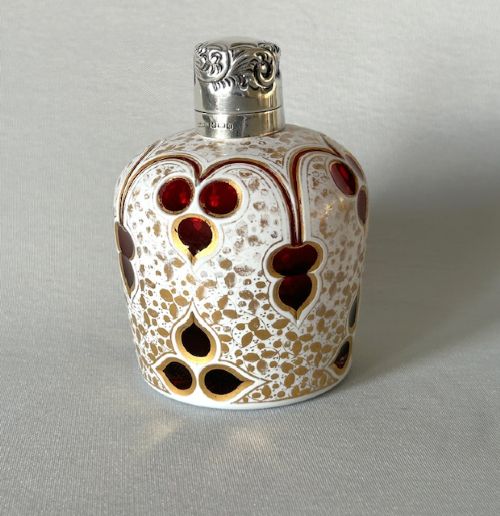
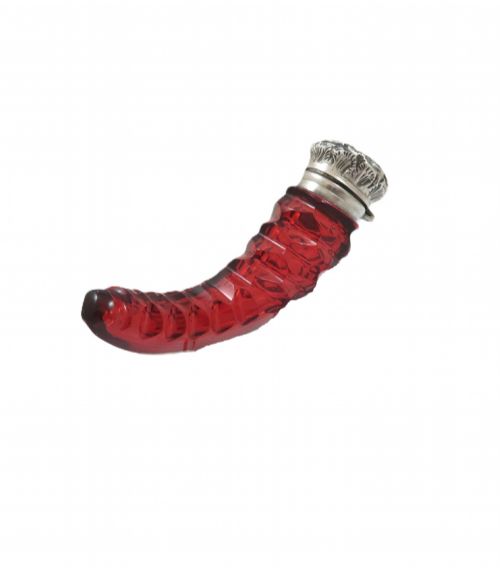
Vessels utilise blown glass bodies in shades including cranberry, amethyst, amber, and Bristol blue, often enhanced by overlay techniques or enamel painting.
Silver components are shaped, embossed, or pierced as mounts and hinged caps, bearing hallmarks for assay offices in Birmingham, Chester, London, and Sheffield.
Metal overlay is bonded directly to the glass surface in intricate floral or organic patterns characteristic of the period.
Retail Price Guide 2026
Typical UK retail prices for edwardian glass scent bottle, calculated from the Sellingantiques database of over a million retail prices indexed since 2003. This retail price guide relies exclusively on Sellingantiques data; no external sources or auction records are used, so the figures do not describe the wider market.
Listings feature Edwardian, Victorian, and Art Deco styles alongside sterling silver, cut glass, and coloured glass forms.
Distinctions in Quality
Superior examples exhibit deep, crisp wheel-cut facets on the glass and heavy gauge sterling silver mounts that fit flush without distortion.
The integration of specialised glass types, such as multi-layered cased glass or detailed hand-applied enamel decoration, elevates the manufacturing ambition.
Maker attribution via clear hallmarks and identifiable workshop stamps provides a demonstrable measure of distinction.
Gorham·Rene Lalique·Barnsley and Co·W.G. Sothers and Co·Britton Gould and Co·Charles May·George Edwin Walton·Henry Matthews·Griffith and Co·George Henry James·Arthur Fenwick·J. Grinsell and Sons·Sanders and Aguilar·Levi and Salaman·Synyer and Beddoes·J and R Griffin·Hart and Sons·Walker and Hall·Arthur Willmore Pennington·William Hutton and Sons
The Edwardian Glass Scent Bottle Glossary
- Sterling silver overlay
- Metal cut and applied to the exterior of a glass bottle. This technique creates high-contrast decorative patterns wrapping the body.
- Cranberry glass
- Transparent pink-red glass produced by adding gold chloride to the molten batch. It appears frequently in vanity wares of this era.
- Cased glass
- Multiple layers of different coloured glass fused together before blowing. The outer layer is often cut away to reveal the contrasting colour beneath.
- Hallmark
- Official stamps punched into the silver mounts denoting the maker, assay office, and year of testing. These marks establish verifiable provenance.
- Hobnail cut
- A sharp, geometric pattern cut into the glass surface resembling the head of a traditional nail. It catches the light and adds tactile grip.
Frequently Asked Questions
How do I clean an edwardian glass scent bottle?
Wash the interior gently with warm water and a mild bottle brush to remove old perfume residues without damaging the glass surface.
Keep silver polish away from the glass and enamel sections to prevent staining or chemical abrasion of delicate coloured layers.
Are these bottles safe to use for perfume today?
Many retain functional ground glass stoppers or cork-lined silver caps that seal effectively for modern use.
Check the inner stopper or cork for degradation before filling, as historic materials can dry out over decades.
How can I date an unmarked silver mount?
Look closely at the glass style, colour, and cutting patterns, which often align with documented manufacturing periods between the late Victorian era and the First World War.
Compare the silhouette and mount construction with hallmarked pieces from the same decade to narrow down the production window.
What is the difference between overlay and enamelled glass?
Overlay involves applying sheet silver or a secondary glass layer physically cut back to expose the base colour underneath.
Enamelling uses painted glass pastes fused to the surface through kiln firing to create colourful motifs and portraits.