

Antique Glass Vanity Bottle
An antique glass vanity bottle brings dressing table utility together with period craftsmanship, spanning Victorian silver mounts to geometric Art Deco designs.
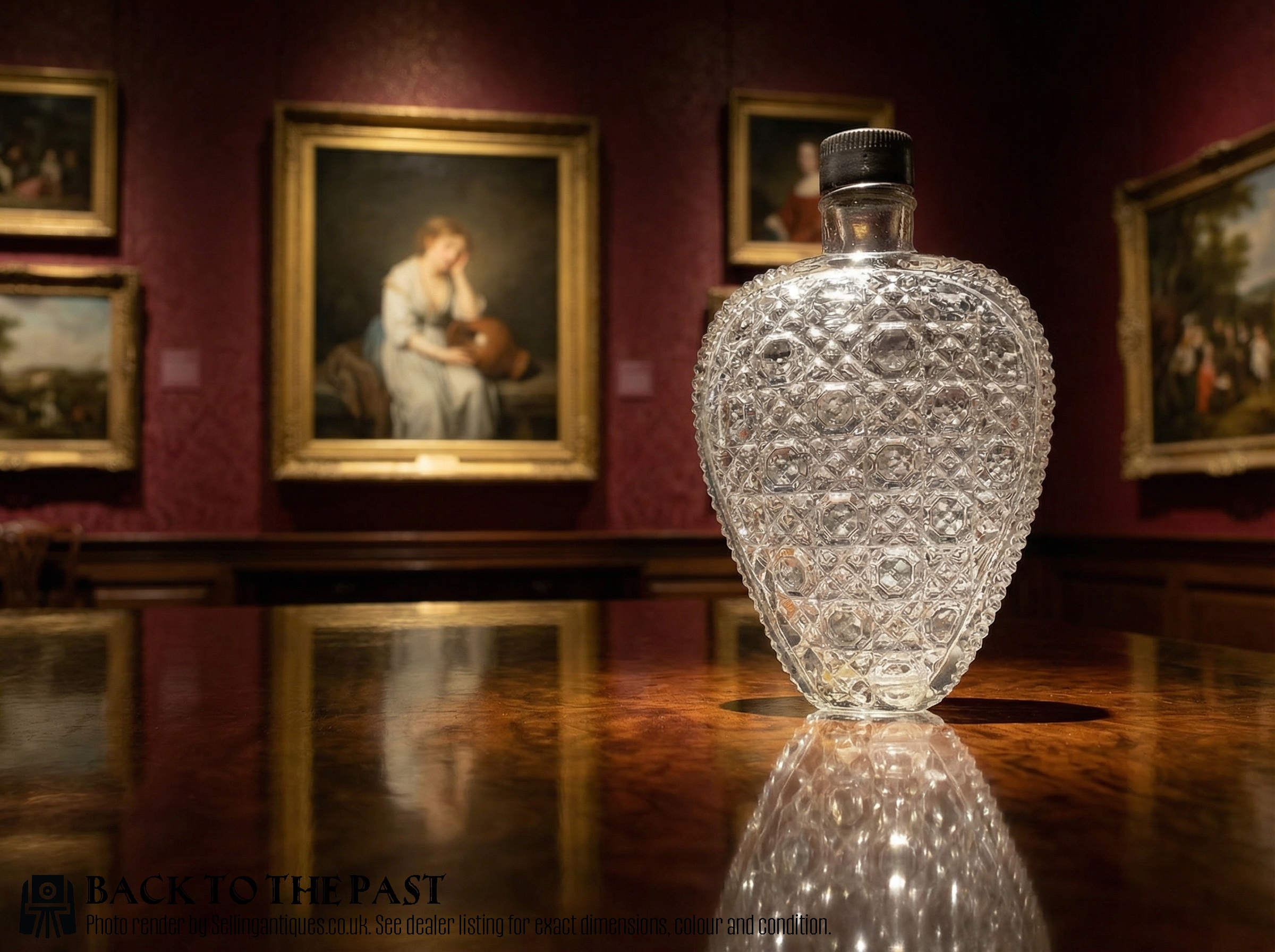
Antique Glass Vanity Bottle
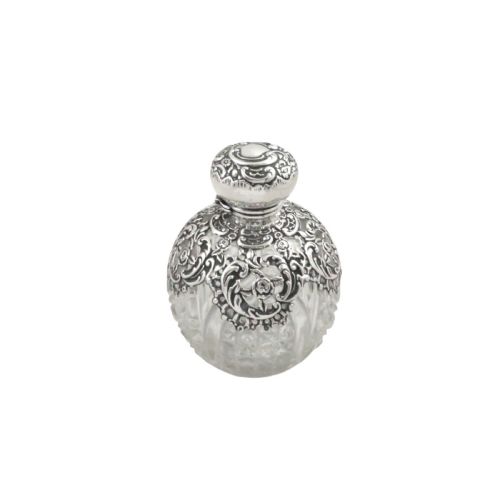
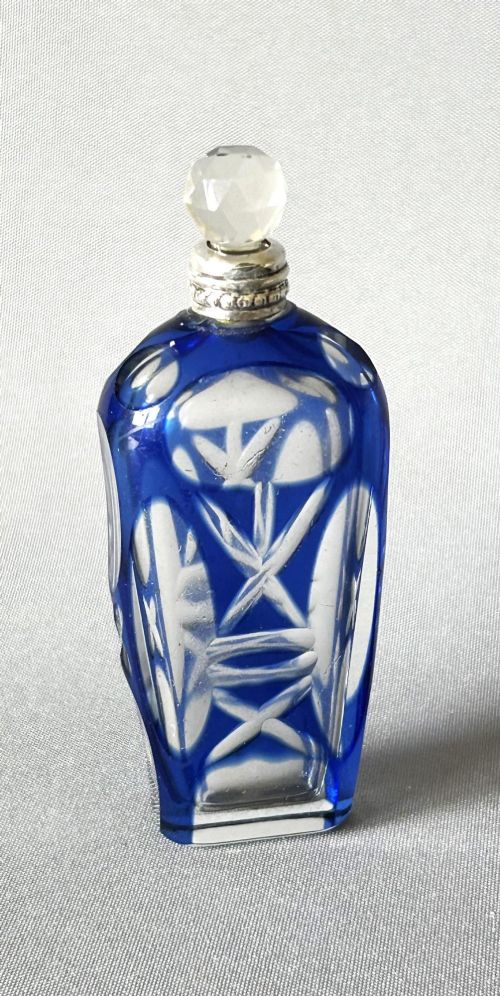
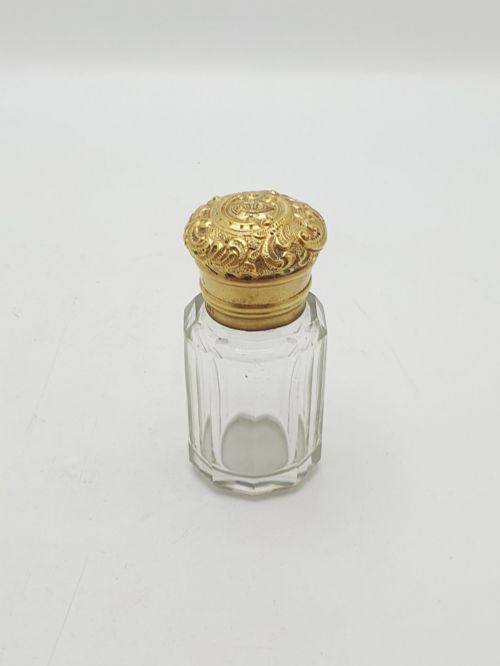
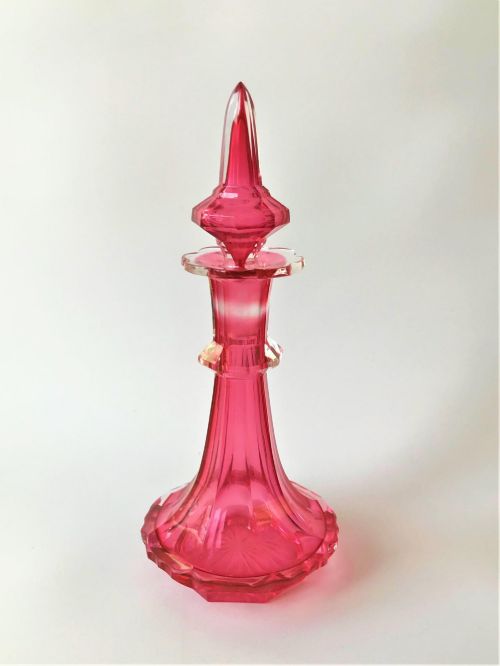
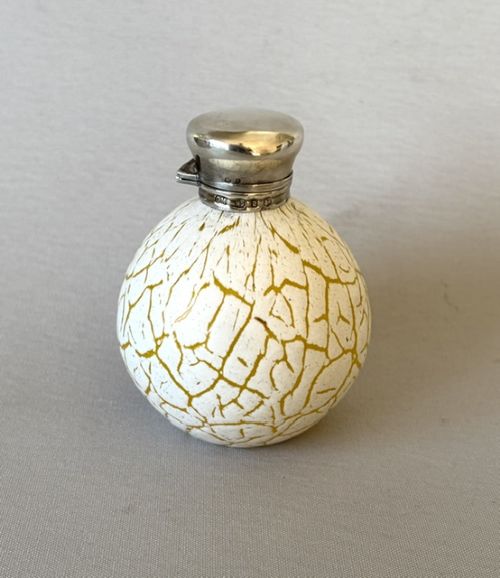
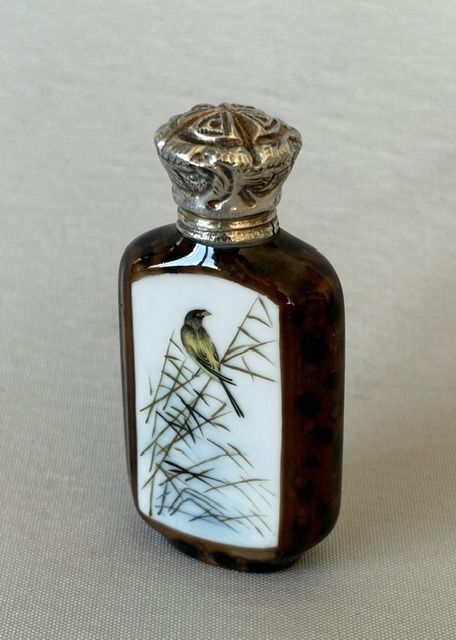
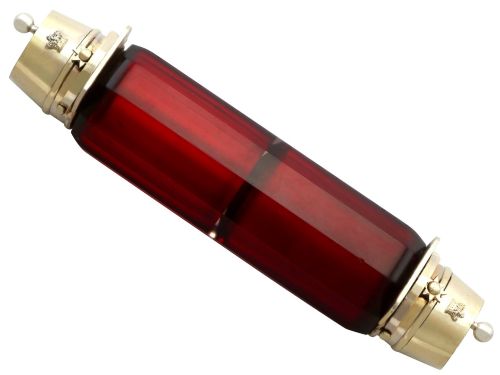
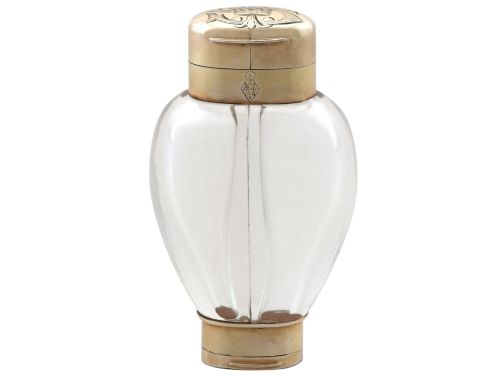
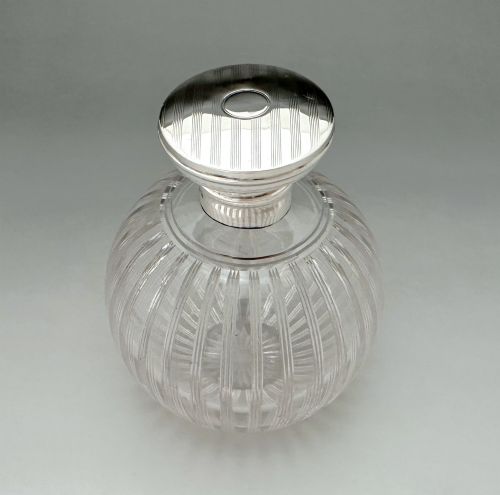
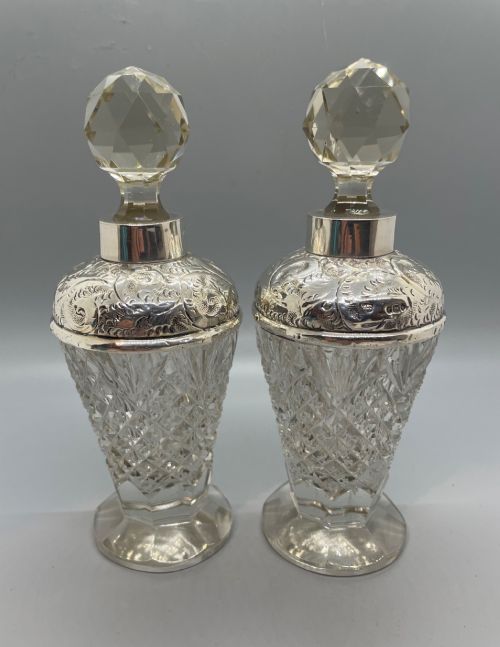
An antique glass vanity bottle encompasses scent bottles, perfume decanters and dressing table jars designed for personal grooming and fragrance storage. The items range from small pocket flasks to substantial vessels housed within fitted rosewood or walnut cased boxes.
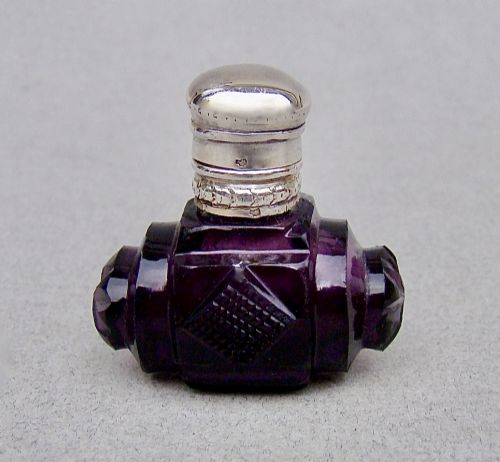
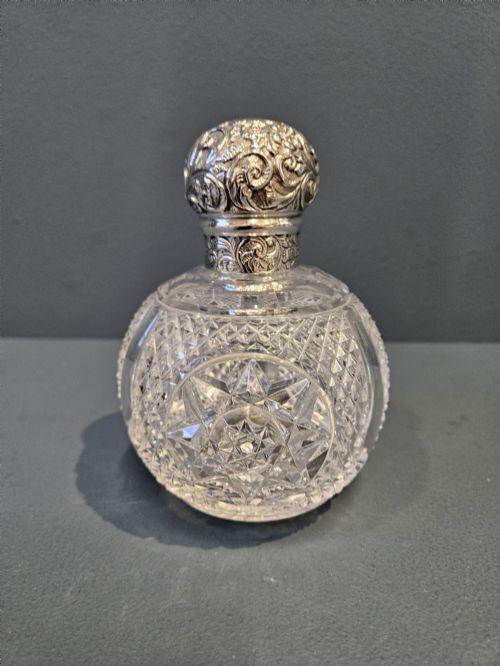
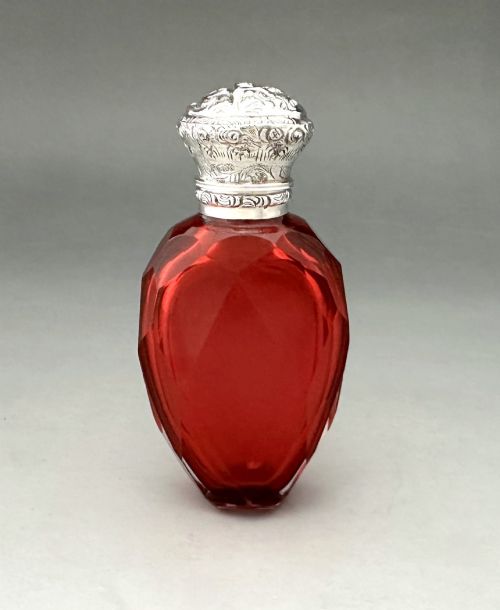
Victorian and Edwardian examples predominate on this page, frequently combining coloured glass bodies with sterling silver collars, hinged lids or pierced overlays. Pieces originating from France, Bohemia and the Czech Republic introduce alternative regional forms such as opaline bodies, ormolu mounts and guilloché enamel details.
How they were made
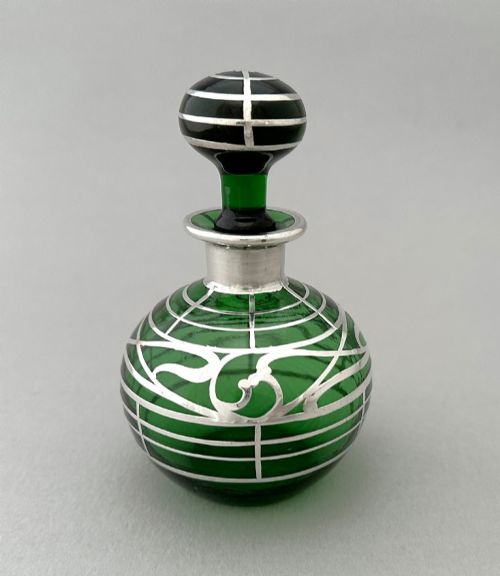
Makers utilised free-blown, mould-blown and sliced-cut glass techniques to form the bodies, incorporating rich hues like ruby, cranberry, teal and Bristol green alongside clear crystal. Silversmiths and metalworkers then added cast, chased or engraved sterling silver, silver gilt and brass mounts, screw caps and hinged lids to secure the contents.
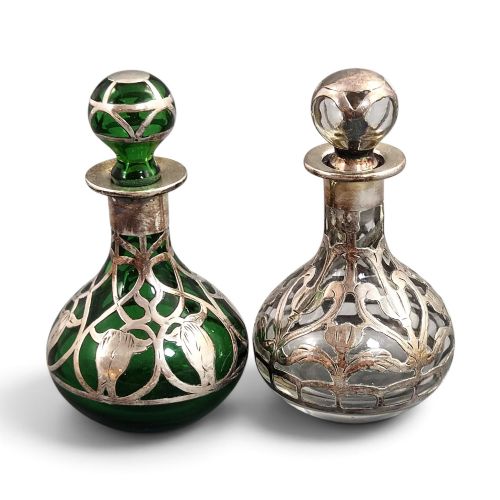
Surface decoration frequently involved applied silver overlay, enamel work, tortoiseshell panels and ormolu mounts. Glassmakers also employed frosting, geometric cutting and murrine techniques to achieve distinct visual textures.
Antique Glass Vanity Bottle Retail Price Guide 2026
Typical asking prices for glass vanity bottle among the pieces listed under this phrase on Sellingantiques today, from the lower quarter to the upper quarter. They describe what is for sale here now, not the wider market.
Materials recorded on this page include sterling silver, cut glass, ruby glass, tortoiseshell, velvet, and enamel.
What varies in quality
The degree of refinement in the glass cutting and the weight of the metal mount establish the primary tier of distinction. Thick, heavy lead crystal or saturated coloured glass paired with solid sterling silver or silver gilt mounts represents superior production.
Complexity of design also dictates standing, where standard silver collars give way to intricate silver overlays, hand-applied enamel work or multi-piece fitted travelling caskets lined in velvet.
Harold Bushell and Co·Henry Perkins·Karl Palda·Rene Lalique·Tonnel Paris
The Antique Glass Vanity Bottle Glossary
- Sterling silver
- A silver alloy containing 92.5 percent pure silver and 7.5 percent other metals, commonly utilised for bottle caps, collars and decorative overlays.
- Opaline glass
- An opaque or translucent art glass developed in various pastel shades, frequently shaped into Victorian dressing table containers.
- Guilloché enamel
- A decorative technique where a precise geometric pattern is mechanised into metal before translucent enamel layers are applied over the top.
- Ormolu
- Gilded bronze or brass mounts cast and chased to ornament French vanity boxes and scent caskets.
- Murrine
- Coloured patterns made in glass by stretching molten glass canes, seen in specialised mid-nineteenth-century bottles.
Antique Glass Vanity Bottle: Frequently Asked Questions
How were antique scent bottles used?
These vessels held liquid perfumes, colognes or smelling salts for personal hygiene and daily grooming. Many were kept on dressing tables or fitted into travelling cases for use away from home.
Smaller examples were often carried in pockets or reticules, secured by tight-fitting stoppers and hinged silver caps to prevent evaporation or spills.
What periods do these vanity bottles cover?
The selection spans from the Georgian era through the Victorian and Edwardian periods, extending into Art Deco designs of the 1920s and 1930s.
Earlier pieces often feature heavy cut crystal with simple silver collars, while later twentieth-century examples showcase geometric Czech glass and enamel work.
How do I distinguish Victorian from Art Deco bottles?
Victorian and Edwardian pieces typically rely on organic motifs, deep-colored glass like ruby or cranberry, and ornate sterling silver mounts. They frequently appear in fitted wooden boxes or caskets.
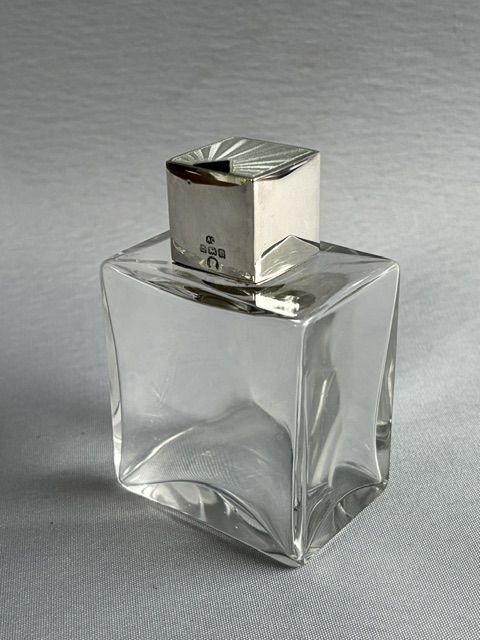
Art Deco bottles from the 1920s and 1930s favor clean geometric lines, frosted surfaces, moulded glass, and coloured enamel accents often associated with makers like Karl Palda.
How should I display antique glass vanity bottles?
They suit placement on dressing tables, mirrored trays or open shelving where light can pass through the coloured and cut glass surfaces. Keeping them away from direct, high-heat sunlight helps preserve any delicate internal residues or enamel work.
Grouped displays highlighting matching sets or contrasting glass colours create a strong visual focal point in a room.