





Red Glass Scent Bottle
A red glass scent bottle brings vibrant colour and pocket-sized utility to a dressing table.
Red Glass Scent Bottle
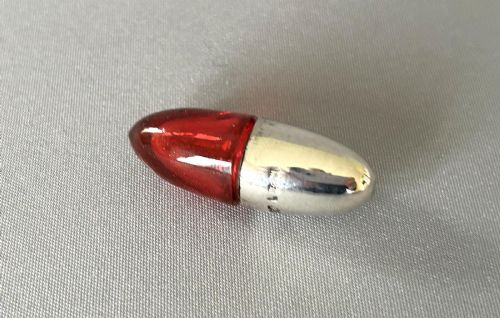
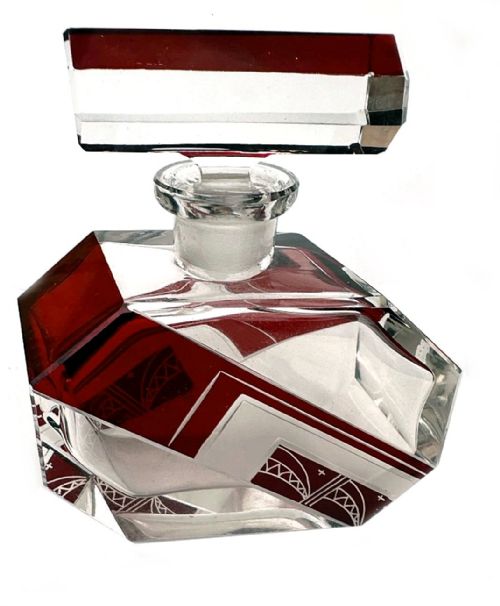
A red glass scent bottle is a small vessel designed to hold perfume, appearing in forms ranging from pocket flasks to dressing table bottles. The search phrase covers pieces from the Victorian and Edwardian periods, alongside later Art Deco designs.
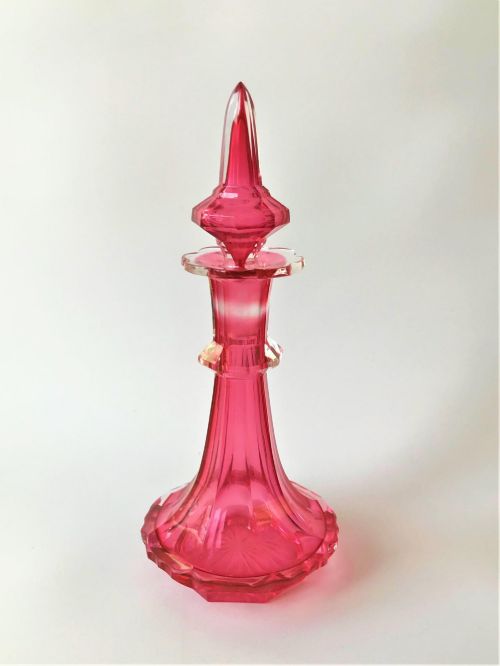
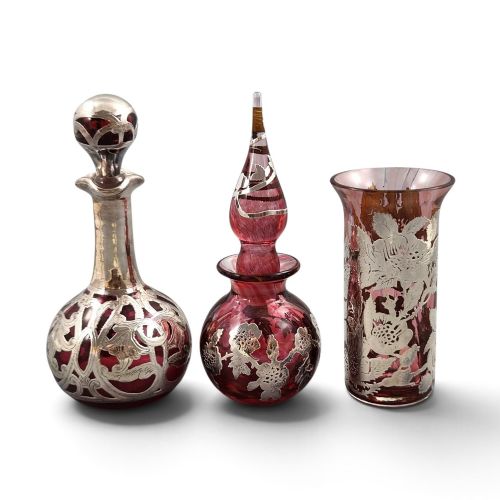
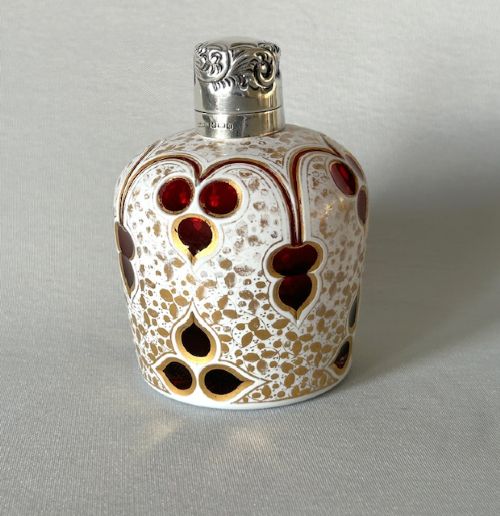
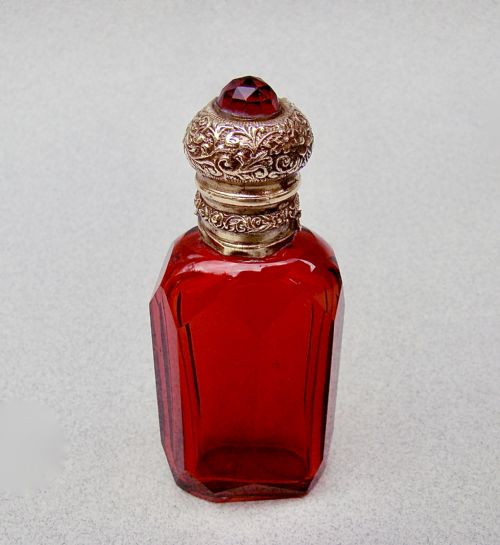
Victorian and Edwardian examples frequently combine ruby or cranberry glass with sterling silver mounts or hinged lids. French variants often incorporate ormolu, while 1930s pieces lean towards moulded or cut geometric shapes.
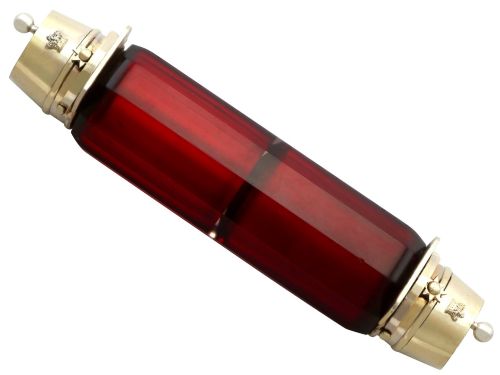
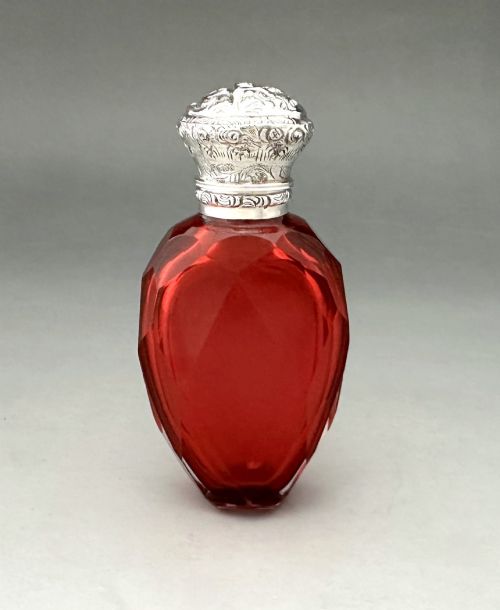
The version most commonly met on this page is the Victorian or Edwardian silver-mounted ruby or cranberry glass bottle. These pieces were made for personal use, travel, or display on a vanity set.
How they were made
Makers utilised techniques such as glass cutting, overlay, and moulding to shape the vessels. Ruby and cranberry glass achieved their rich hues through the addition of gold or copper compounds during the molten stage.
Mounts and lids were fashioned from sterling silver, often hallmarked, or embellished with enamel, gilt, and ormolu. Silver overlay was also applied directly to the glass body.
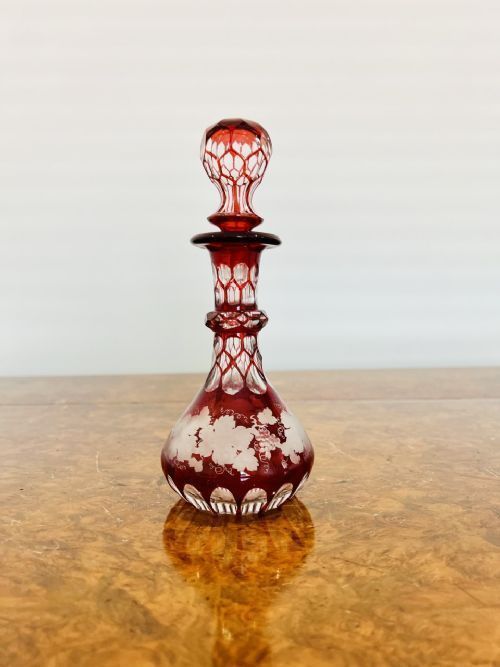
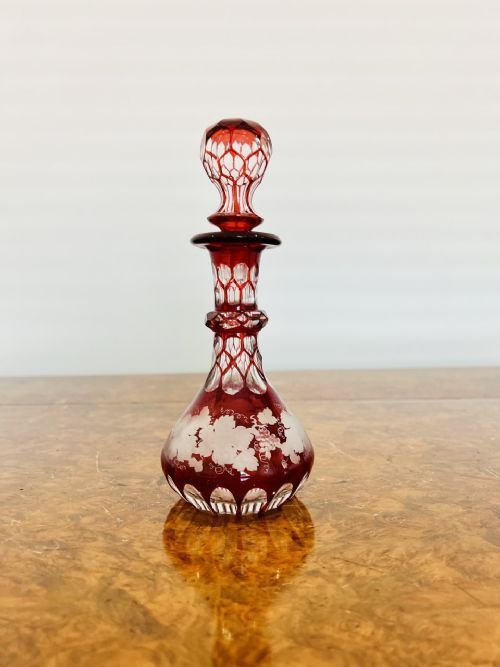
Specialised forms involved blowing glass into moulds or carving through a layered glass overlay to create contrasting clear and red patterns.
Red Glass Scent Bottle Retail Price Guide 2026
Typical asking prices for red glass scent bottle among the pieces listed under this phrase on Sellingantiques today, from the lower quarter to the upper quarter. They describe what is for sale here now, not the wider market.
Materials recorded across the inventory include sterling silver, cranberry glass, ruby glass, enamel, and gold leaf.
What varies in quality
The distinction between tiers rests upon the precision of the glass cutting, the depth of the colour, and the craftsmanship of the metalwork. Hand-cut facets on heavy glass show sharper edges and greater light refraction.
Mounts executed by known makers or bearing clear hallmarks display finer detail in embossing and engraving. The integration between the glass body and the metal collar reveals the level of care taken during assembly.
Gorham·Karl Palda·Rene Lalique·Samuel Jacobs·Frederick Davis·John Grinsell and Sons
The Red Glass Scent Bottle Glossary
- Cranberry glass
- A transparent pinkish-red glass coloured with gold chloride. It appears frequently in Victorian scent bottles.
- Ruby glass
- A deep, rich red glass created using copper or gold. It forms the body of many 19th-century and Edwardian examples.
- Overlay glass
- Glass made with two or more distinct layers of different colours. The outer layer is partially cut away to reveal the contrasting colour beneath.
- Ormolu
- Gilt bronze mounted onto decorative objects. It is often seen on French 19th-century pieces.
- Chatelaine
- A decorative belt hook worn with suspended utility items including scent bottles and chatelaine watches.
Red Glass Scent Bottle: Frequently Asked Questions
How do I date a silver mounted bottle?
Dating relies heavily on the silver hallmarks stamped onto the metal collar or lid. Assay office marks and date letters provide the exact year of manufacture.
Stylistic cues such as Art Deco geometric lines or Victorian embossed florals also point to specific decades.
What is the difference between ruby and cranberry glass?
Ruby glass tends to feature a deeper, darker red tone reminiscent of the gemstone. Cranberry glass usually presents a lighter, brighter pinkish-red hue.
Both materials were widely utilised across the nineteenth century for vanity wares.
Did these bottles come with stoppers?
Original inner glass stoppers accompanied the majority of these pieces to prevent perfume evaporation. Finding a bottle with its matching stopper intact remains an advantage for collectors.
Replacement stoppers occur frequently due to the fragile nature of the glass.
How were scent bottles used historically?
Owners carried them in pockets or chatelaines during travel and social outings for quick access to fragrance. They also sat permanently upon dressing tables as part of larger vanity ensembles.
Their secure screw or hinged caps kept volatile perfumes contained safely.