




Antique Ruby Glass Bottle
An antique ruby glass bottle brings a rich, deep crimson hue to a dressing table or cabinet, combining practical function with striking Victorian and Edwardian decorative appeal.
Antique Ruby Glass Bottle
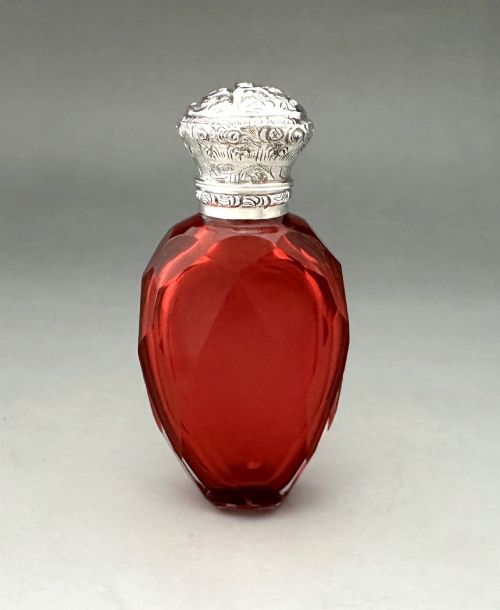
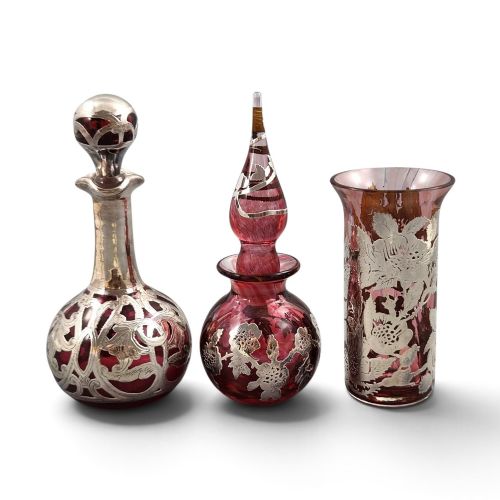
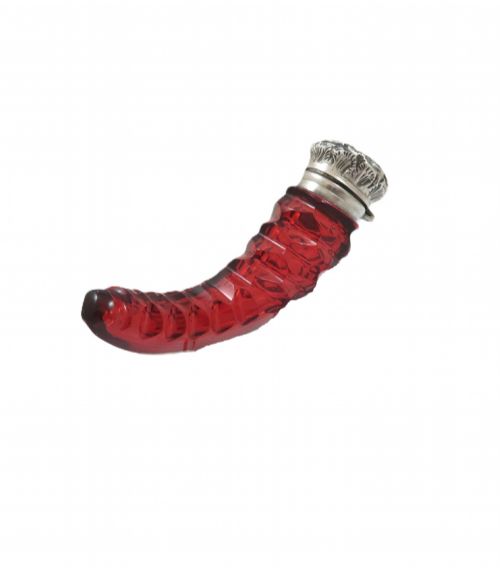
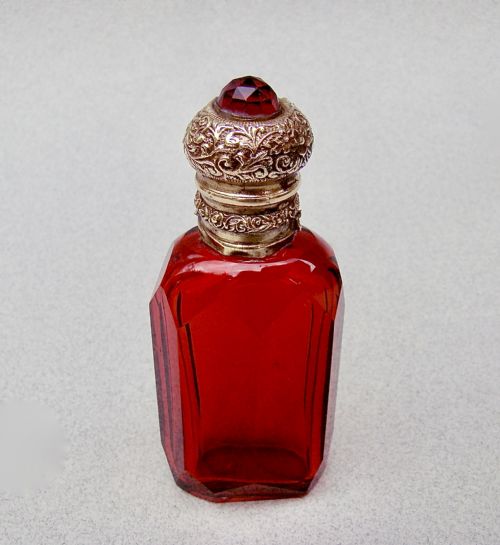
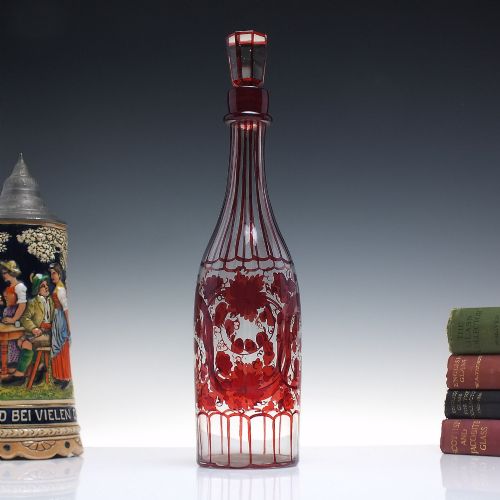
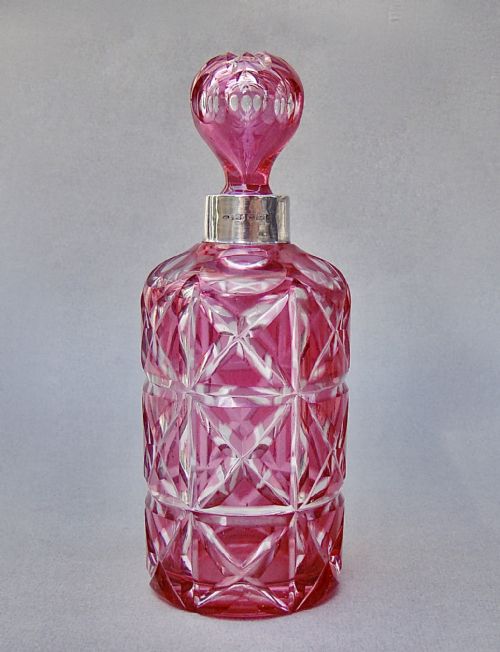
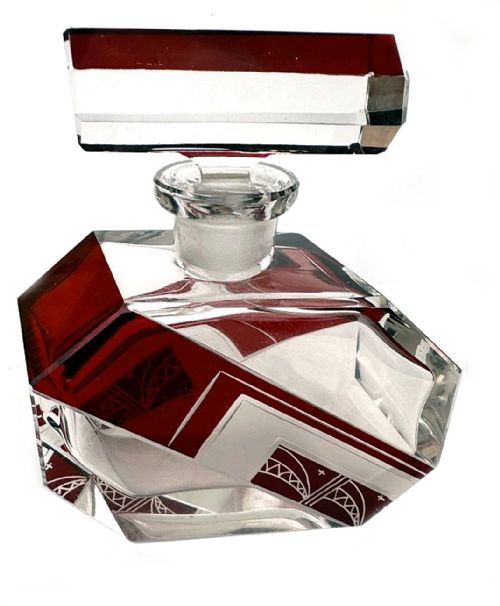
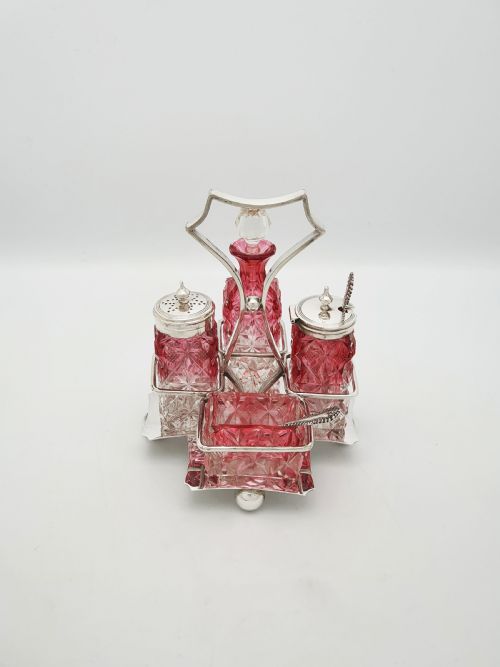
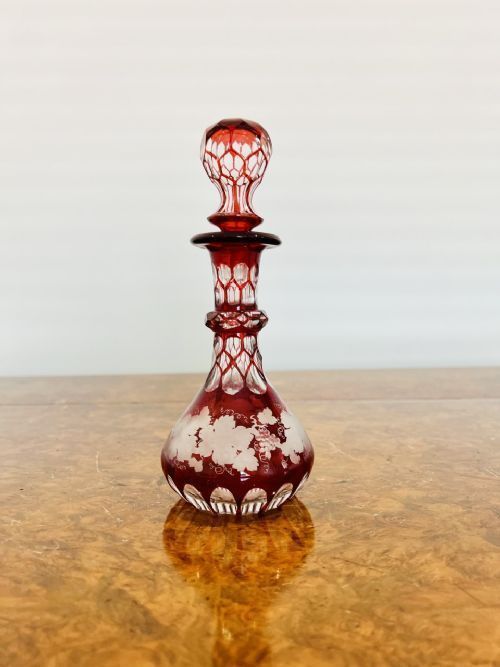
When searching for an antique ruby glass bottle, buyers encounter a diverse selection of vessels designed for dressing table use and formal dining. The most common forms on this page include scent bottles, perfume bottles, and decanters.
The objects date primarily from the nineteenth and early twentieth centuries, spanning Victorian, Edwardian, and Art Deco periods. English, French, and Bohemian origins appear frequently among the listings.
Smaller examples serve as pocket or chatelaine scent containers, while larger iterations function as decanters, carafes, and serving bottles for spirits.
How they were made
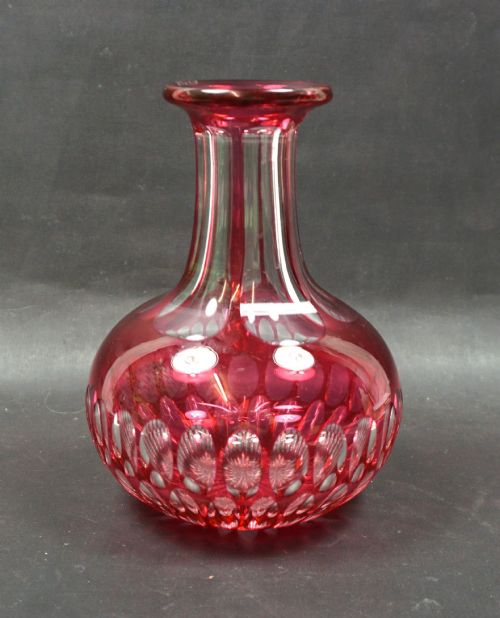
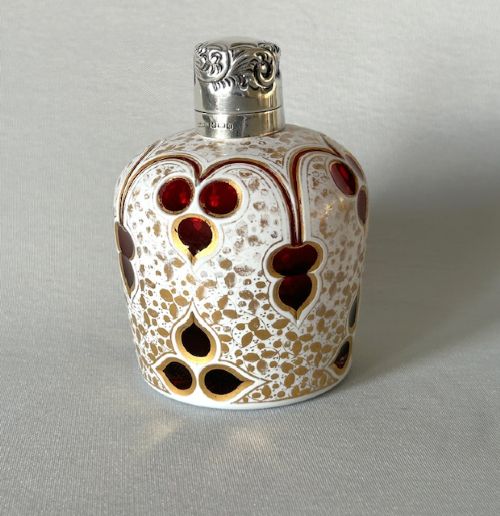
Makers utilised glassblowing and moulding techniques, often applying a ruby or cranberry overlay to a clear crystal base before cutting through the coloured layer to reveal patterns underneath. Metal mounts in sterling silver, silver plate, or gilt brass frequently secure the necks and hinged caps.
Decoration includes hand painting, gilding, and silver overlay work applied directly onto the glass surface. Specialised cutters shaped facets into the thick glass walls to enhance light refraction through the deep red tone.
The listings include Victorian, Edwardian, and Art Deco periods, utilising cranberry glass, ruby glass, sterling silver, and enamel.
What varies in quality
Quality rests upon the crispness of the glass cutting and the weight of the metal mountings used on the piece. Deeper, more even colour saturation and intact hand-gilded details elevate certain examples above standard production items.
The presence of original stoppers and fully functioning silver work, such as secure hallmarked caps or chatelaine attachments, distinguishes finer cabinet specimens from everyday utility vessels.
Harold Bushell Co·Karl Palda
The Antique Ruby Glass Bottle Glossary
- Cranberry glass
- A transparent pinkish-red glass coloured with gold chloride during manufacture. It forms the primary material for many Victorian scent bottles and decanters.
- Overlay
- A layered glass technique where a casing of ruby glass coats a clear crystal core. Craftsmen cut away sections of the outer layer to create contrasting clear and red patterns.
- Chatelaine
- A decorative belt hook worn with suspended utility fittings such as scent bottles and keys. These portable containers often feature secure hinged silver caps.
- Ormolu
- Gilded bronze mounts applied to the necks and bases of nineteenth-century French glass bottles. This decorative metalwork adds architectural weight to the piece.
- Double ended
- A scent bottle design featuring a stopper at both ends, allowing the containment of two separate liquids. These examples usually combine silver hinged lids with faceted ruby glass bodies.
Antique Ruby Glass Bottle: Frequently Asked Questions
How do I clean an antique ruby glass bottle?
Wash the glass gently using warm water and a mild detergent, avoiding harsh abrasives that might damage the surface gilding or enamel decoration.
Take special care around silver mounts and metal overlays, keeping moisture away from glued joints and old cork stoppers inside the neck.
What is the difference between cranberry and ruby glass?
Cranberry glass typically displays a lighter, pinker translucent tone achieved using gold in the glass batch. Ruby glass generally offers a deeper, more saturated crimson appearance.
Both terms appear across Victorian and Edwardian items on this page, though makers used different mineral oxides to achieve each specific shade.
Are these glass bottles safe for daily use?
While many decanters and serving bottles were made for functional dining use, antique scent bottles feature delicate stoppers and metal mounts better suited for display.
Examine the interior for residue or cloudiness before storing liquids inside any vintage vessel.
How can I date my ruby glass bottle?
Examine the silver mounts for hallmarks, which indicate the exact assay office and year of manufacture. Stylistic clues such as cut glass patterns, Art Deco geometry, or Victorian silver overlay also help narrow down the period.