

Victorian Vanity Bottle
When you search for a victorian vanity bottle, you are looking at small personal containers designed to hold perfumes and scents on a dressing table.
Victorian Vanity Bottle
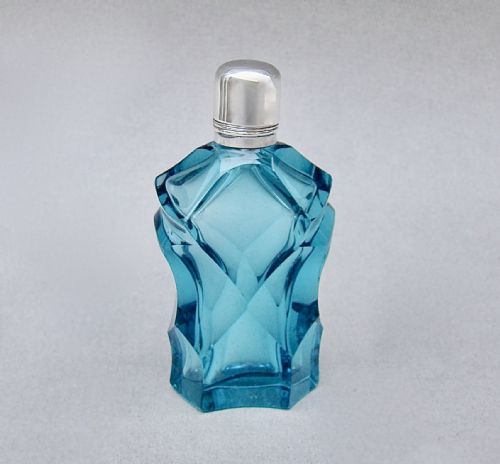
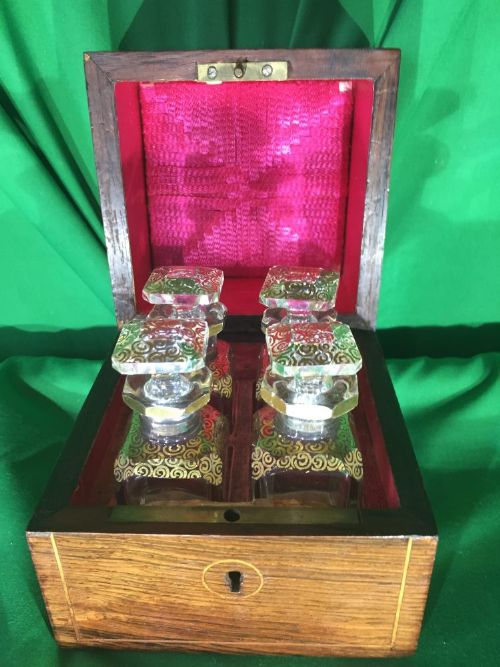
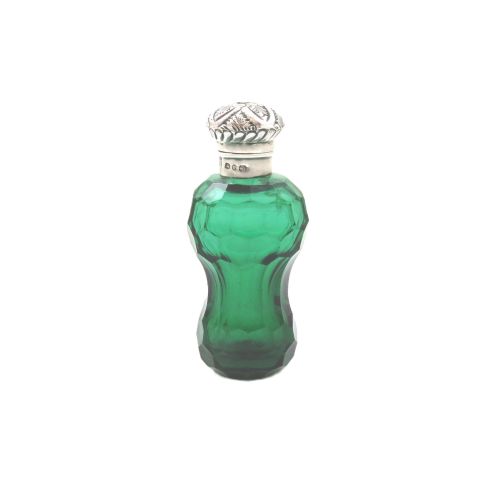
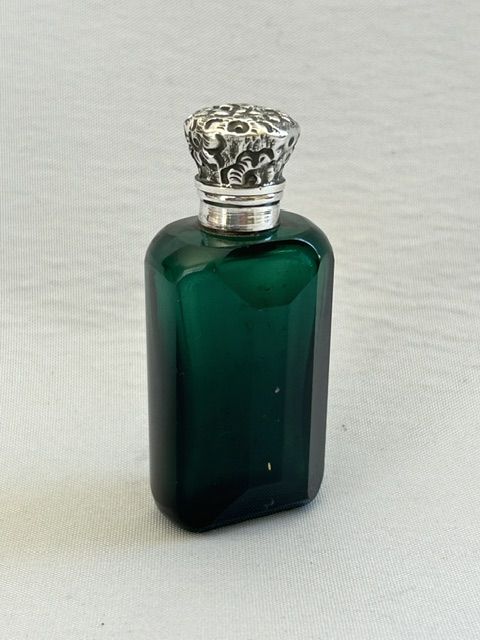
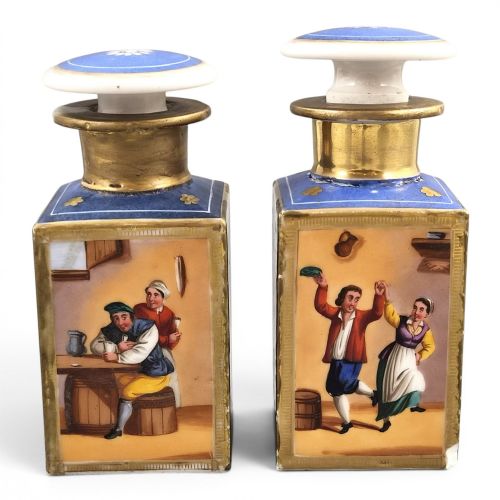
A victorian vanity bottle encompasses small glass flasks and scent bottles mounted in silver, gold, or ormolu, often housed within fitted wooden caskets or dressing cases. These pieces originate primarily from the Victorian and Edwardian periods, alongside nineteenth-century French workshops.
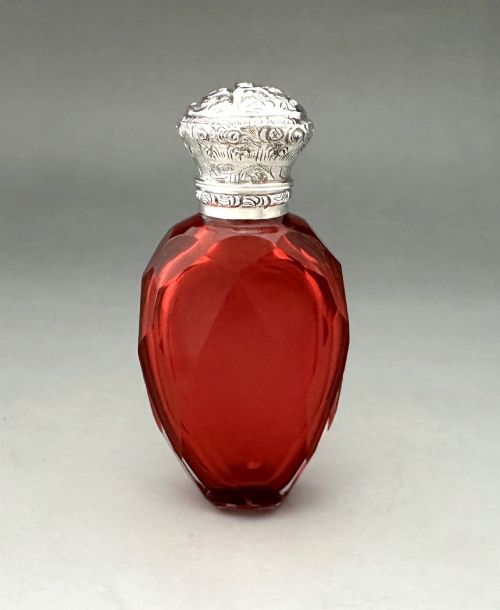
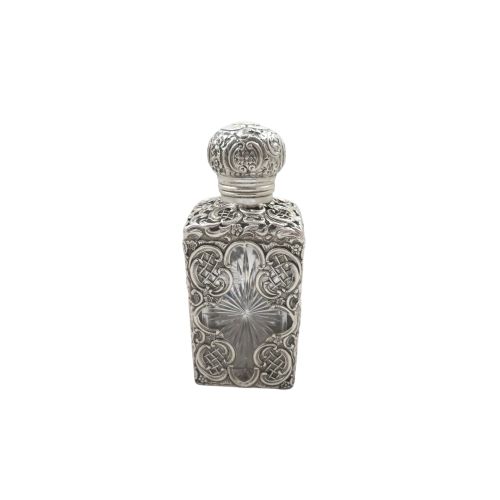
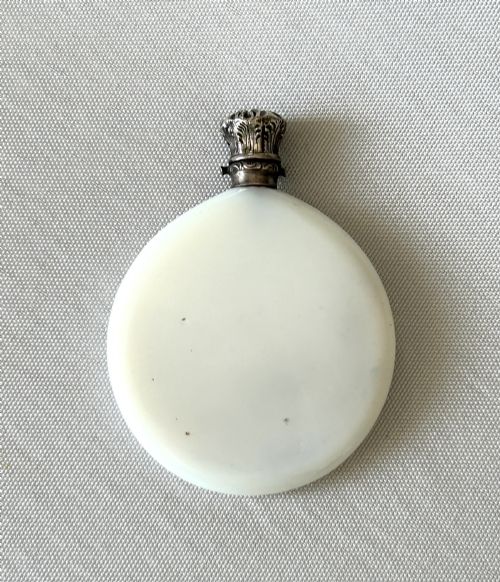
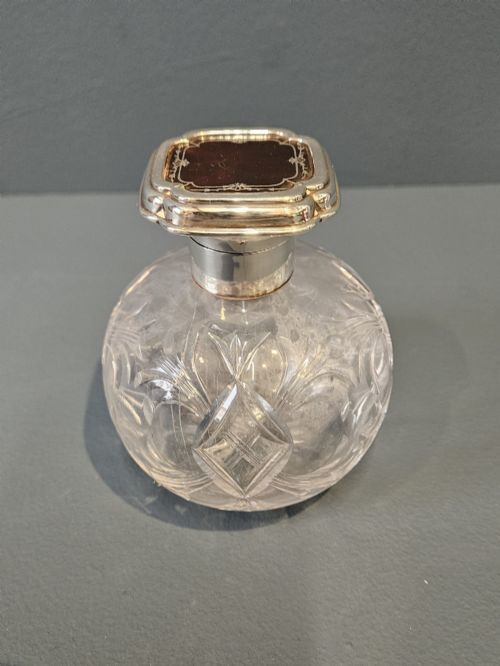
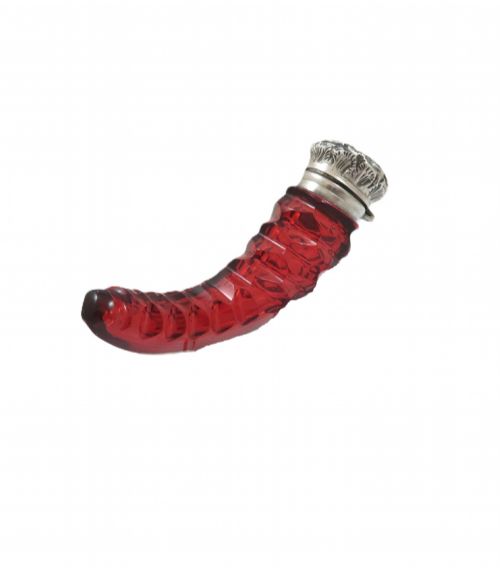
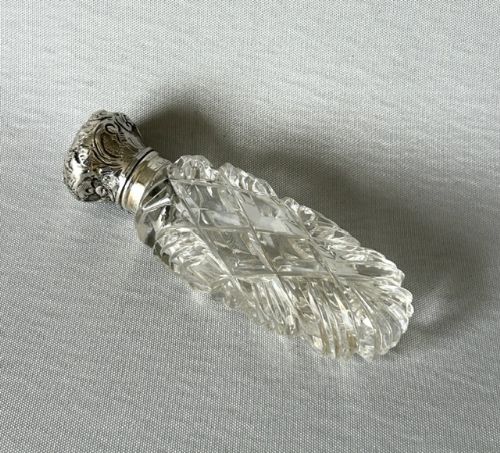
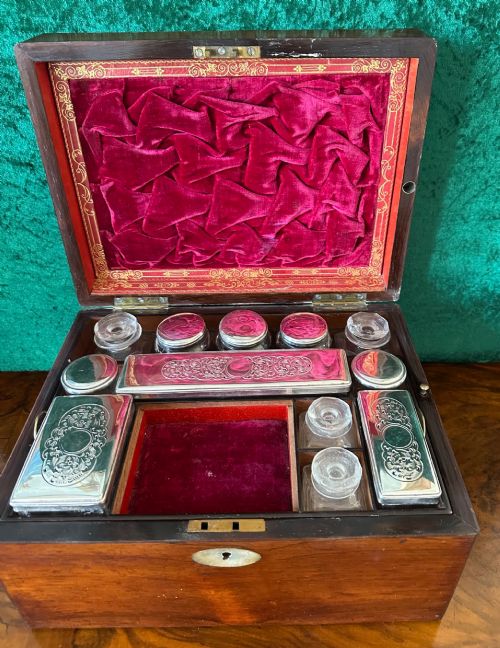
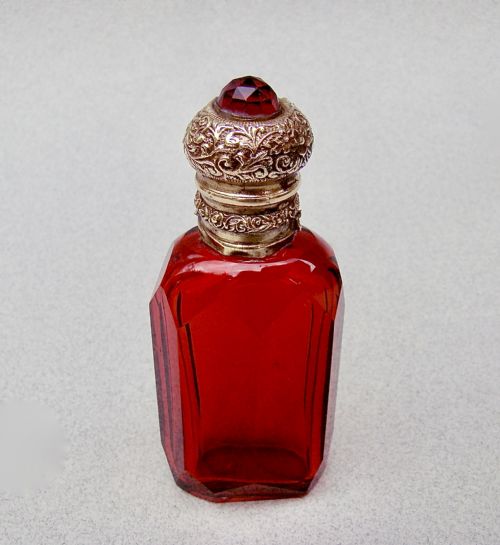
The version most commonly met on this page is the individual scent bottle featuring a sterling silver collar and cap paired with cut crystal, cranberry glass, or opaline glass. Collectors also encounter larger vanity boxes and caskets containing multiple matched glass bottles set into rosewood or coromandel frames.
Materials and Construction
Makers shaped glass through cutting, moulding, and overlay techniques, producing coloured vessels in teal, ruby, green, and amethyst hues alongside clear cut crystal. Molten glass received decorative treatments such as internal murrine patterns or flashed surface layers.
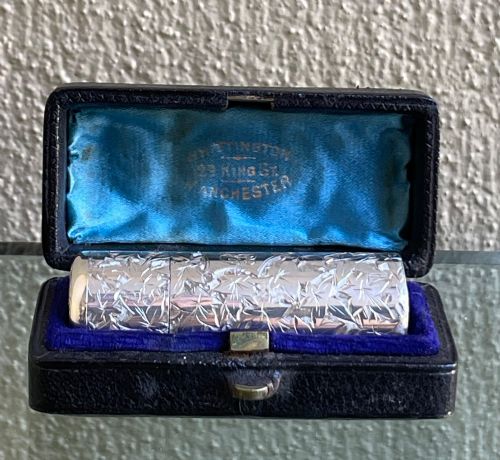
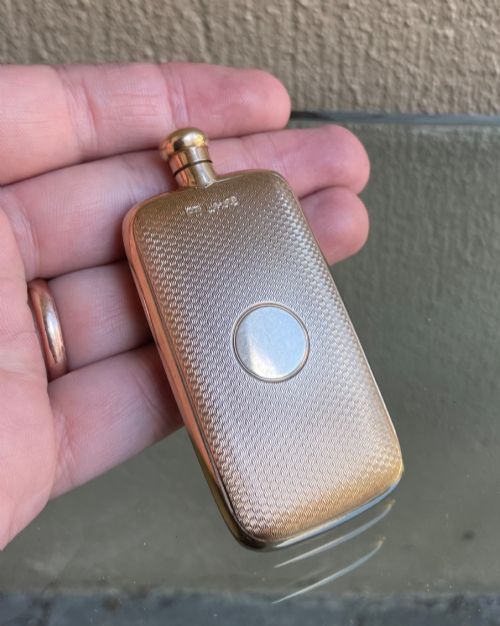
Metalwork involved sterling silver, silver gilt, brass, and ormolu mounts, frequently stamped with hallmarks or engraved with guilloche designs. Artisans secured these metal collars and caps directly onto the glass necks to house inner stoppers.
Listings feature items from the Victorian, Edwardian, and nineteenth-century French periods, utilising sterling silver, cut glass, velvet, and coromandel.
Distinctions in Quality
The distinction between standard examples and superior pieces rests on the complexity of the glasswork and the execution of the metal mounts. Heavy slice-cut crystal, intricate silver chasing, and specialised glass types such as Clichy or Murano murrine elevate a piece above simple moulded production.
Caskets and multiple-bottle sets derive additional merit from fitted exotic wood housings like coromandel or walnut, particularly when retaining their original silk linings and complete sets of matching stoppers.
Horton And Allday·Edward Smith·Jacob Petit·Franchini And Bigaglia
The Victorian Vanity Bottle Glossary
- Sterling silver
- A silver alloy containing 92.5 percent pure silver by mass, widely used for bottle caps and mountings. It frequently bears hallmarks indicating the year of assay and the maker.
- Opaline glass
- An opaque or translucent glass popular in nineteenth-century decorative items, often found in white, pink, or blue shades. This material provided a smooth, milky surface for dressing table wares.
- Ormolu
- Gilded bronze or brass applied as decorative mounts to glass bodies and wooden caskets. The technique involves coating base metal with a mercury-gold amalgam or modern electroplating.
- Guilloche
- An ornamental pattern produced by a mechanical engine-turning technique that etches precise geometric waves into metal surfaces. It appears on silver and silver gilt caps.
- Murrine
- Coloured glass cane slices heated and fused together within a clear matrix, characteristic of Venetian glass production. This technique creates complex mosaic patterns across the body of a bottle.
Victorian Vanity Bottle: Frequently Asked Questions
What is a victorian vanity bottle used for?
These vessels held concentrated perfumes, smelling salts, or liquid scents for personal grooming on nineteenth-century dressing tables.
Ladies utilised them during dressing rituals and carried smaller versions in travel cases or evening bags.
How do you clean these glass bottles?
Cleaning requires warm water and mild soap applied gently with a soft brush to protect fragile interior residue and exterior mounts.
Immersion in water should be avoided if the piece contains velvet linings, paper labels, or compromised silver cement.
Are original glass stoppers important?
Original stoppers matching the exact cut and colour of the bottle significantly support the integrity of the piece.
Many surviving bottles retain their original ground-in glass stoppers beneath outer metal caps, though replacements do occur.
How do you date these pieces?
Dating relies heavily on silver hallmarks stamped onto the metal collars, which indicate specific assay years and maker marks.
Stylistic cues such as glass colour, cutting depth, and the presence of fitted wooden caskets also help narrow the period of manufacture.