
Victorian Perfume Flask
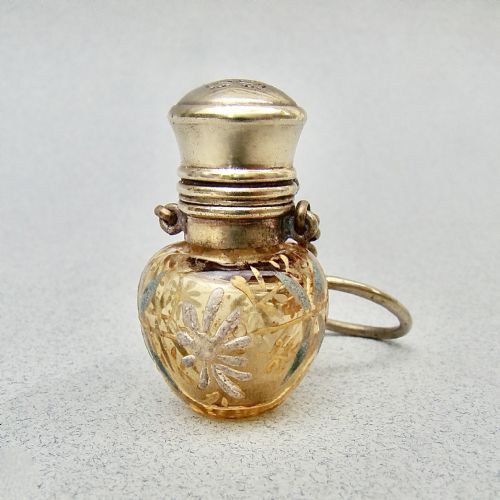
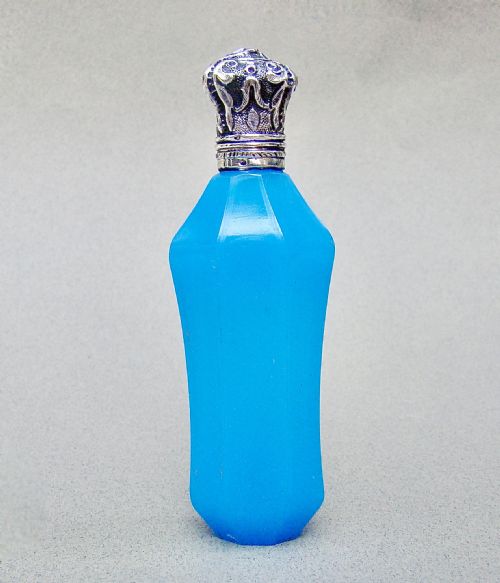
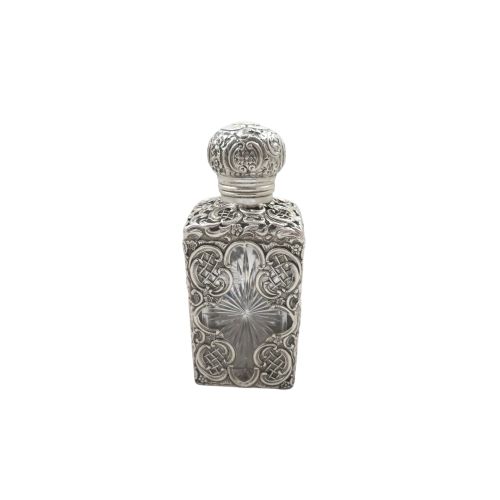
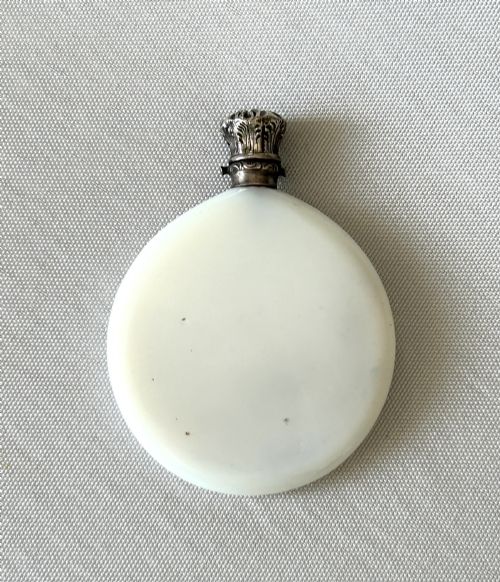
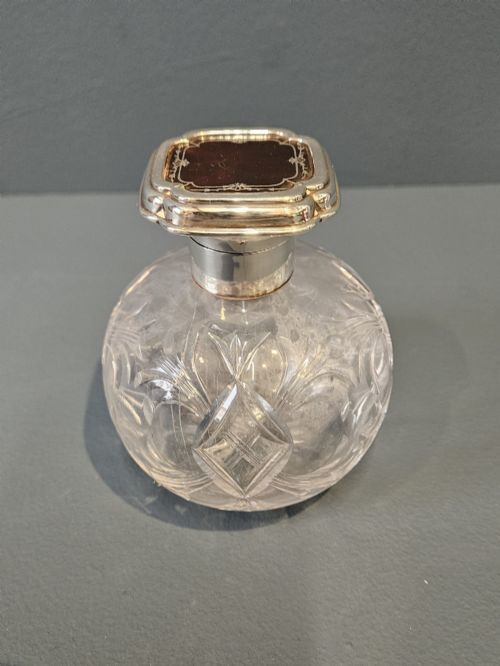
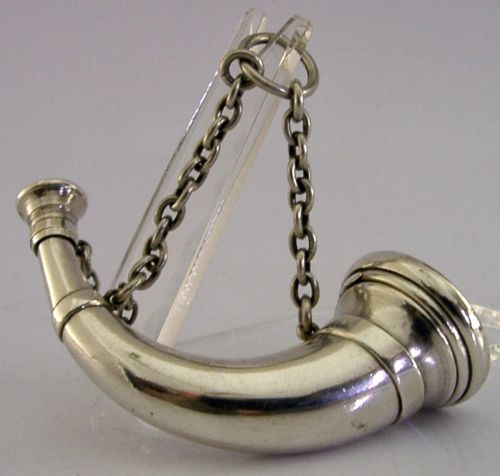
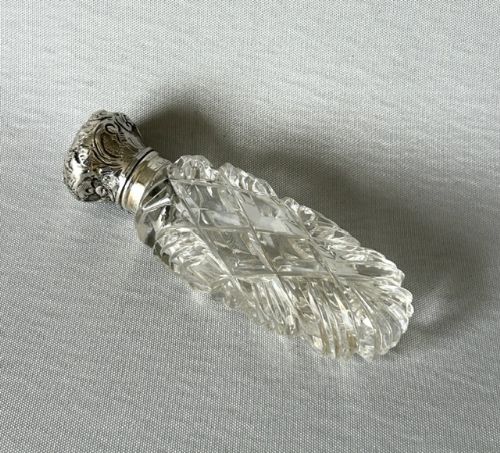
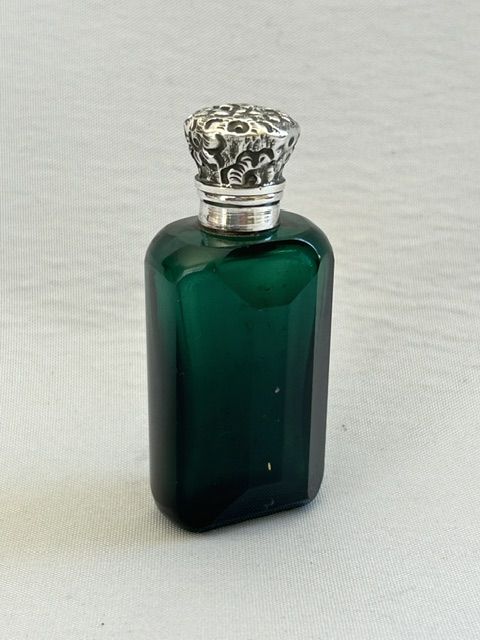
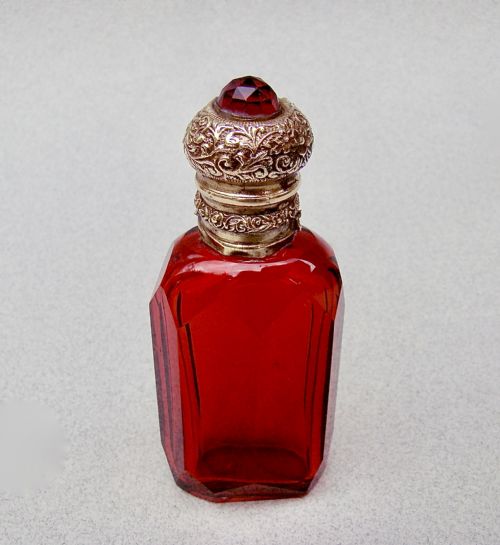
A Victorian perfume flask is a portable glass vessel mounted in silver, made for carrying scent.
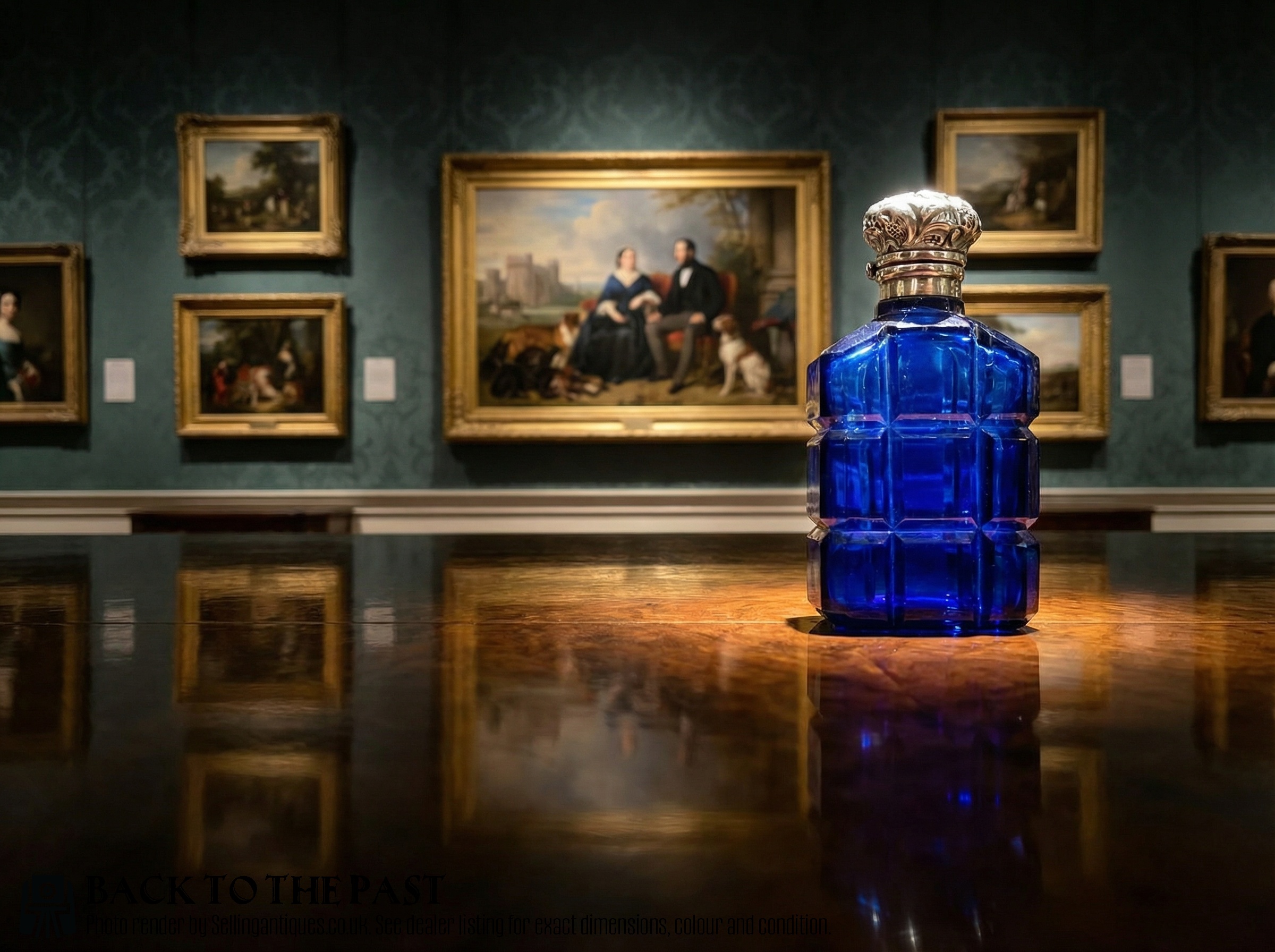
What They Are
A Victorian perfume flask combines glass and metal in a pocket-sized container designed to hold liquid fragrance securely during the nineteenth century. These items appear as scent bottles and perfume flasks, categorized under the Victorian period.
The objects seen here date from the late nineteenth century, including specific years around eighteen ninety, eighteen ninety-two, eighteen eighty-eight, eighteen eighty-five, and eighteen eighty-four. They bridge the gap between practical vanity accessories and decorative metalwork.
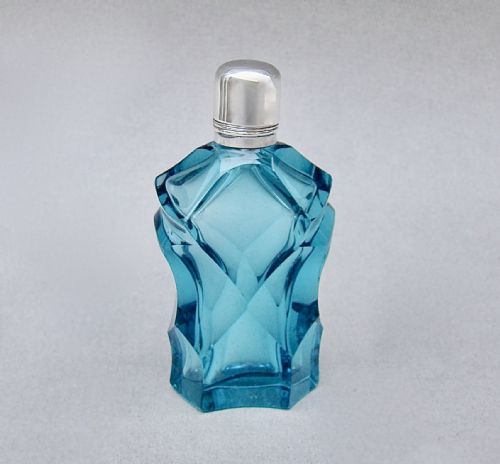
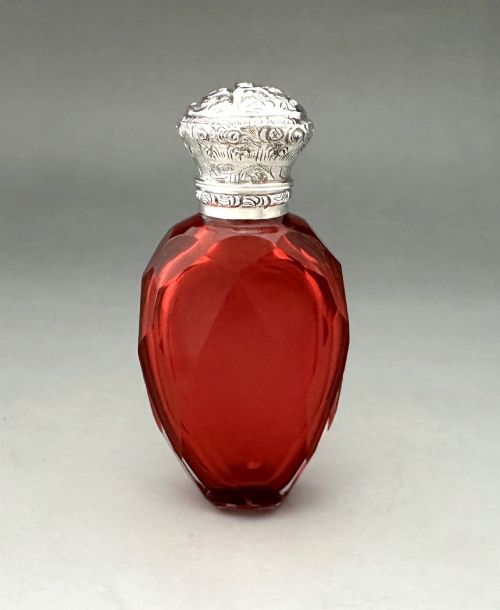
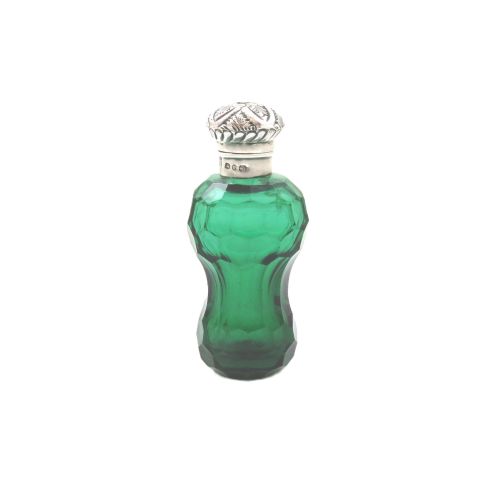
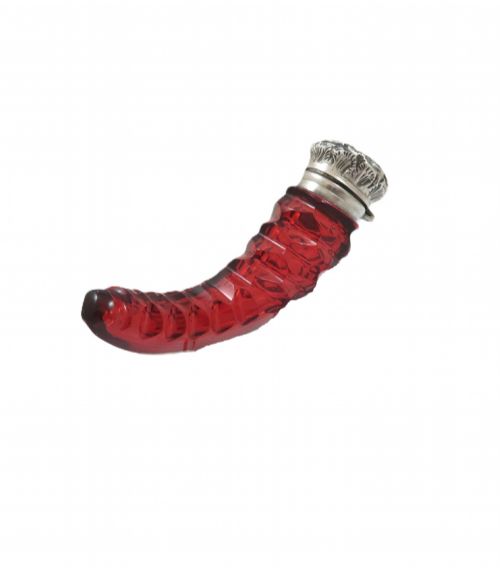
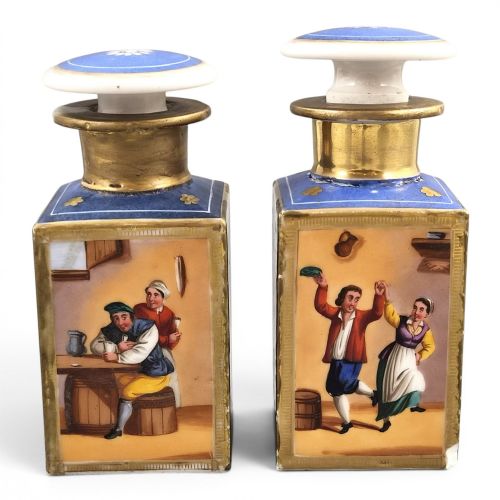
Buyers encounter forms that pair cut glass, opaline glass, cobalt glass, cranberry glass, or green glass with sterling silver and silver mounts. Some examples incorporate miniatures and funnels into their design.
How They Were Made
Craftsmen shaped vessels using glass techniques such as cutting, overlay, and coloration to produce opaline, cobalt, cranberry, and green glass bodies. These glass components provide a colourful or transparent reservoir for the liquid.
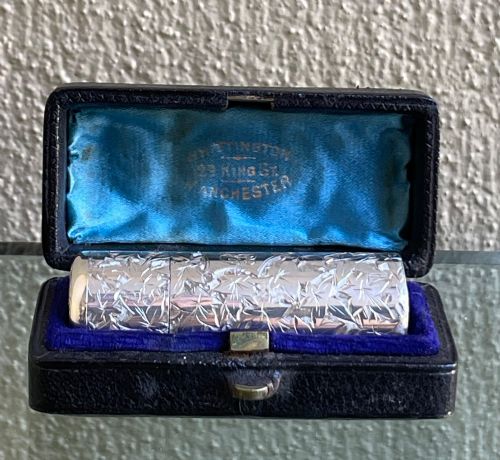
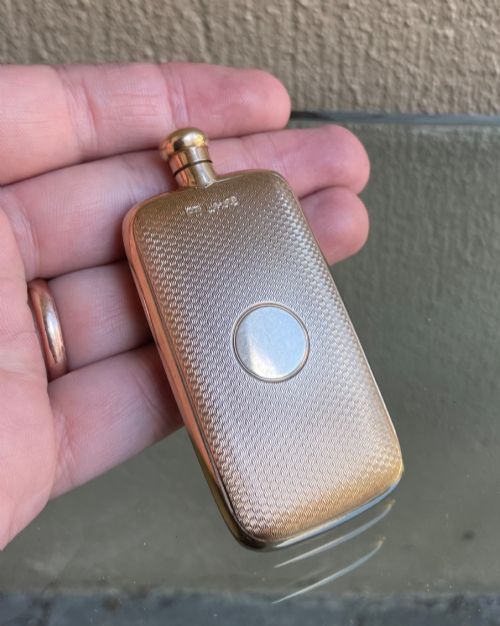
Silversmiths encased and mounted the glass bodies in sterling silver and silver, creating secure collars, caps, and hinged lids. Hallmarks on pieces from locations like Birmingham record the assay office and date.
Listings for a Victorian perfume flask feature sterling silver, cut glass, opaline glass, cobalt glass, cranberry glass, and green glass.
What Varies in Quality
The standard of a Victorian perfume flask rests on the complexity of its glass body and the weight of its silver mount. Intricate cut glass and layered overlay techniques distinguish finer production from plain vessels.
Maker attribution elevates certain pieces, particularly when associated with established workshops like Sampson Morden. The precision of the silver mount and the integrity of the glass form determine the standing of each example.
Sampson Morden
The Victorian Perfume Flask Glossary
- Sterling silver
- A silver alloy containing ninety-two point five percent pure silver by mass, utilised for the protective mounts and caps on these flasks.
- Opaline glass
- An opaque or translucent pale glass developed during the nineteenth century, frequently used for the bodies of scent bottles.
- Cranberry glass
- A rich red glass created by adding gold chloride to the molten batch, seen across various Victorian scent containers.
- Overlay
- A glassmaking technique involving a layer of coloured glass casing a contrasting base layer, often cut away to reveal the colour beneath.
Frequently Asked Questions
What is a Victorian perfume flask?
A Victorian perfume flask is a small glass container fitted with a silver mount, designed to carry liquid fragrance.
These pieces date from the nineteenth century and combine glass bodies in colours like cranberry and opaline with sterling silver.
How were these scent bottles used?
Owners carried these flasks in pockets or bags to dispense liquid scent during daily outings.
The secure silver caps and mounts prevented leakage while allowing access to the fragrance.
What materials make up these flasks?
The pieces consist of glass bodies paired with sterling silver or silver mounts.
Glass types recorded include cut glass, opaline, cobalt, cranberry, and green Bohemian overlay.
How do you identify a Victorian flask?
Identification relies on observing the characteristic styles of the Victorian period alongside material combinations like silver and coloured glass.
Assay office marks, such as those from Birmingham, and specific dates help narrow the chronology.