


Victorian Silver Scent Bottle
These pocket companions combine precious sterling metal with colourful glass to hold fragrant oils.
Victorian Silver Scent Bottle
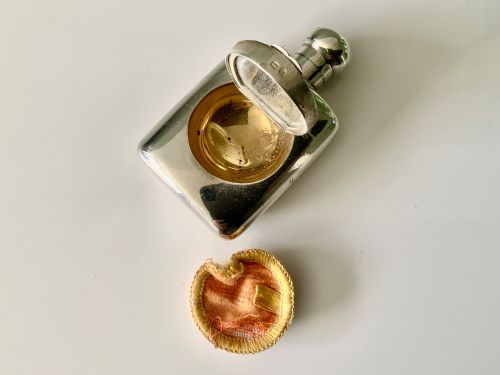
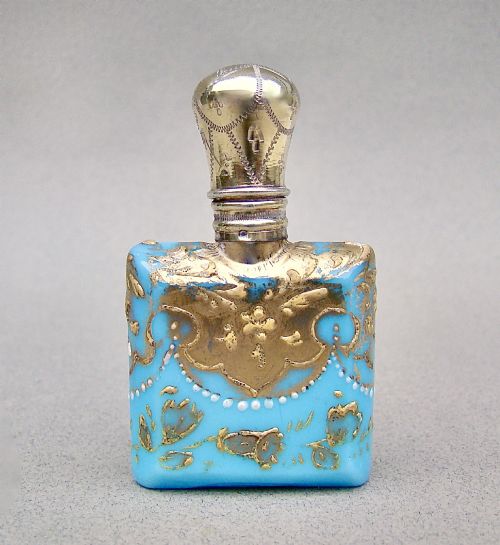
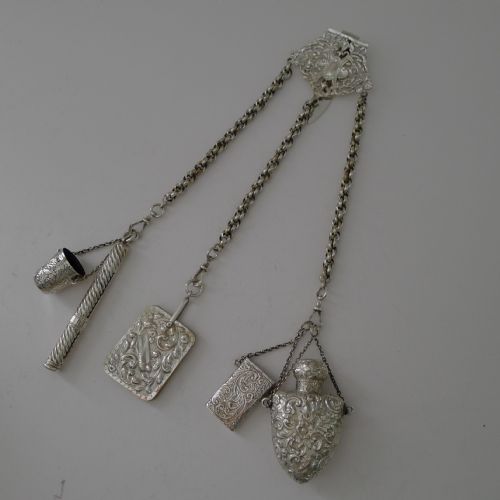
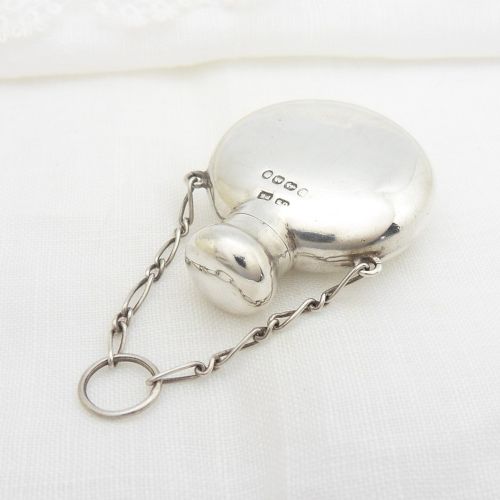
When searching for a victorian silver scent bottle, collectors encounter small personal containers designed for pocket, purse, or chatelaine carriage. The most common survivals combine sterling metal mounts with cut, cased, or opaline glass vessels.
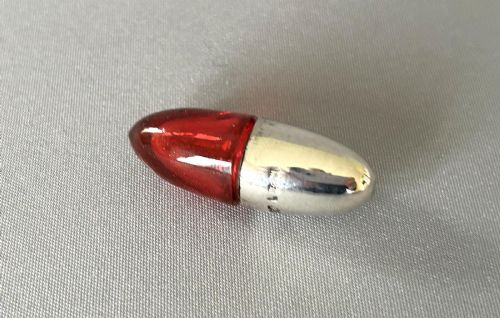
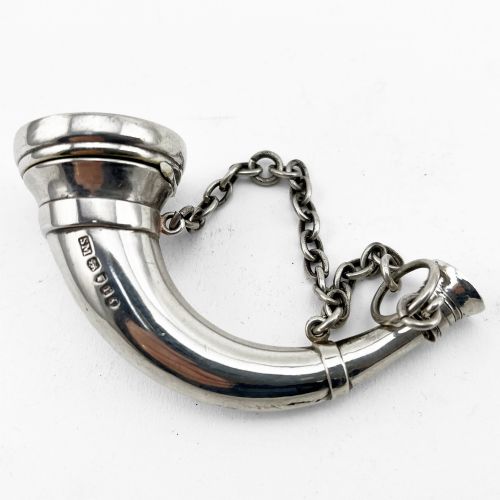
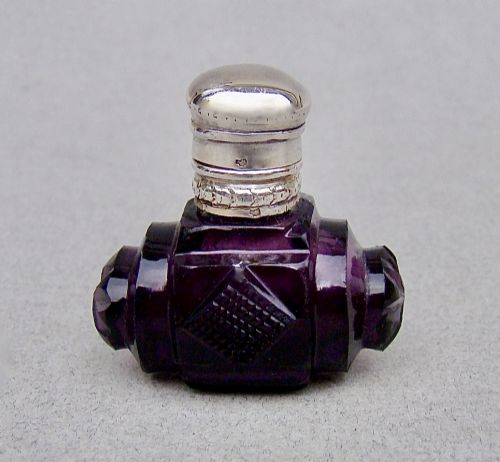
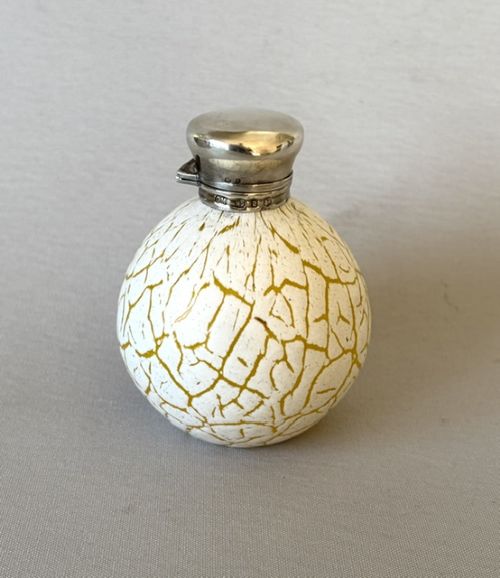
Forms range from simple cylindrical flasks and sliced-cut glass to novelty shapes modelled as hunting horns or eggs. Many examples date from the nineteenth century, including specific years like eighteen eighty and eighteen ninety, alongside Edwardian productions.
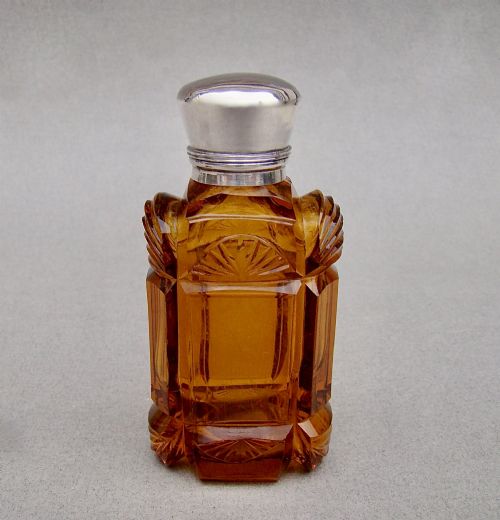
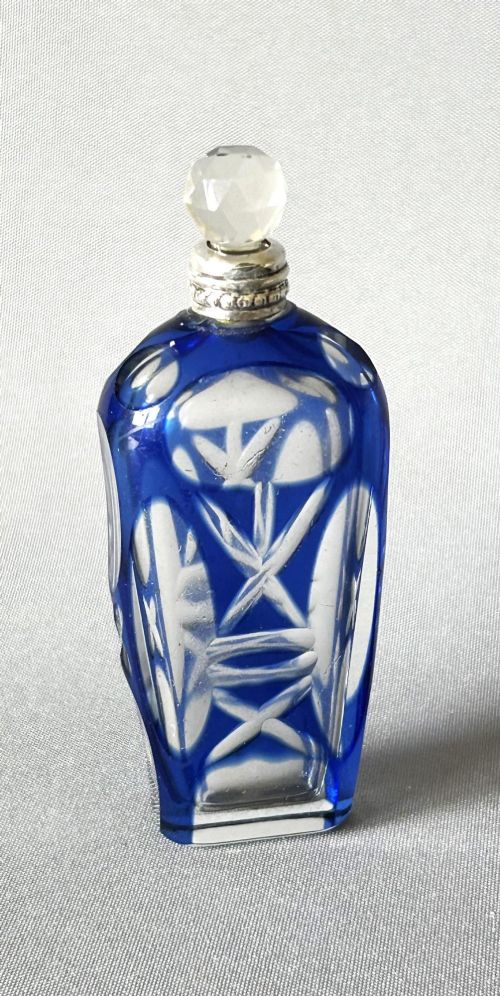
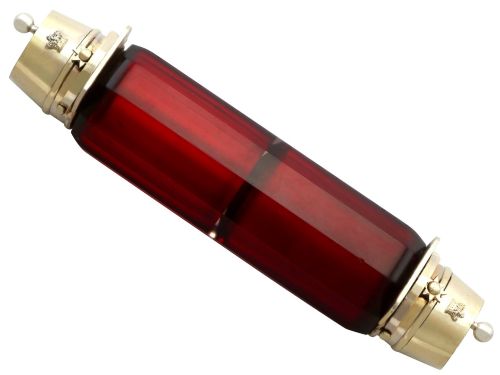
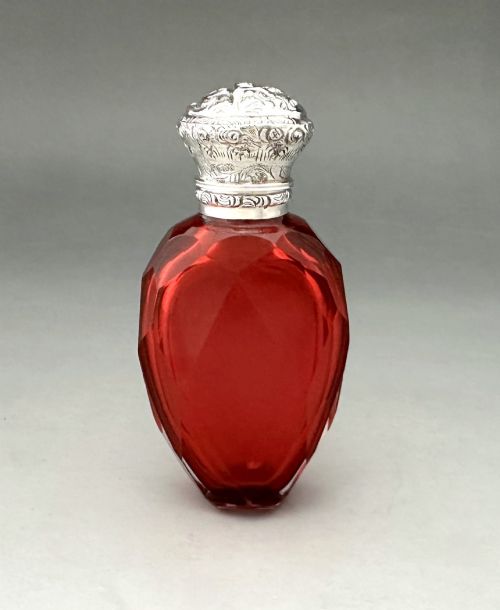
Makers utilised diverse glass techniques, producing cranberry, amber, vaseline, and multi-layered overlay vessels. Buyers also find vinaigrettes, which house a pierced internal grille soaked in aromatic vinegar rather than liquid perfume.
How They Were Made
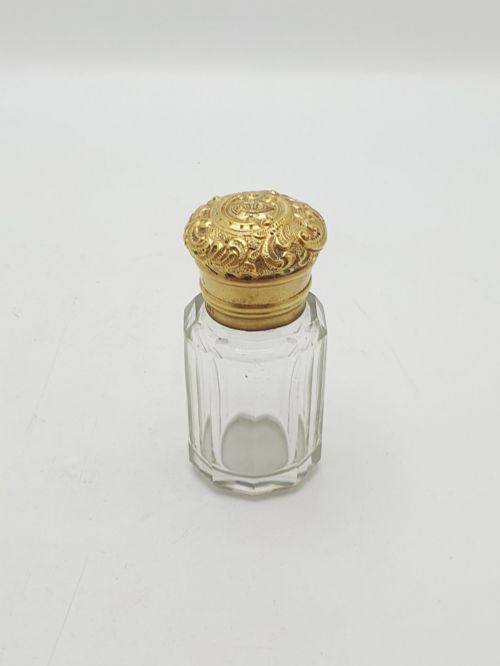
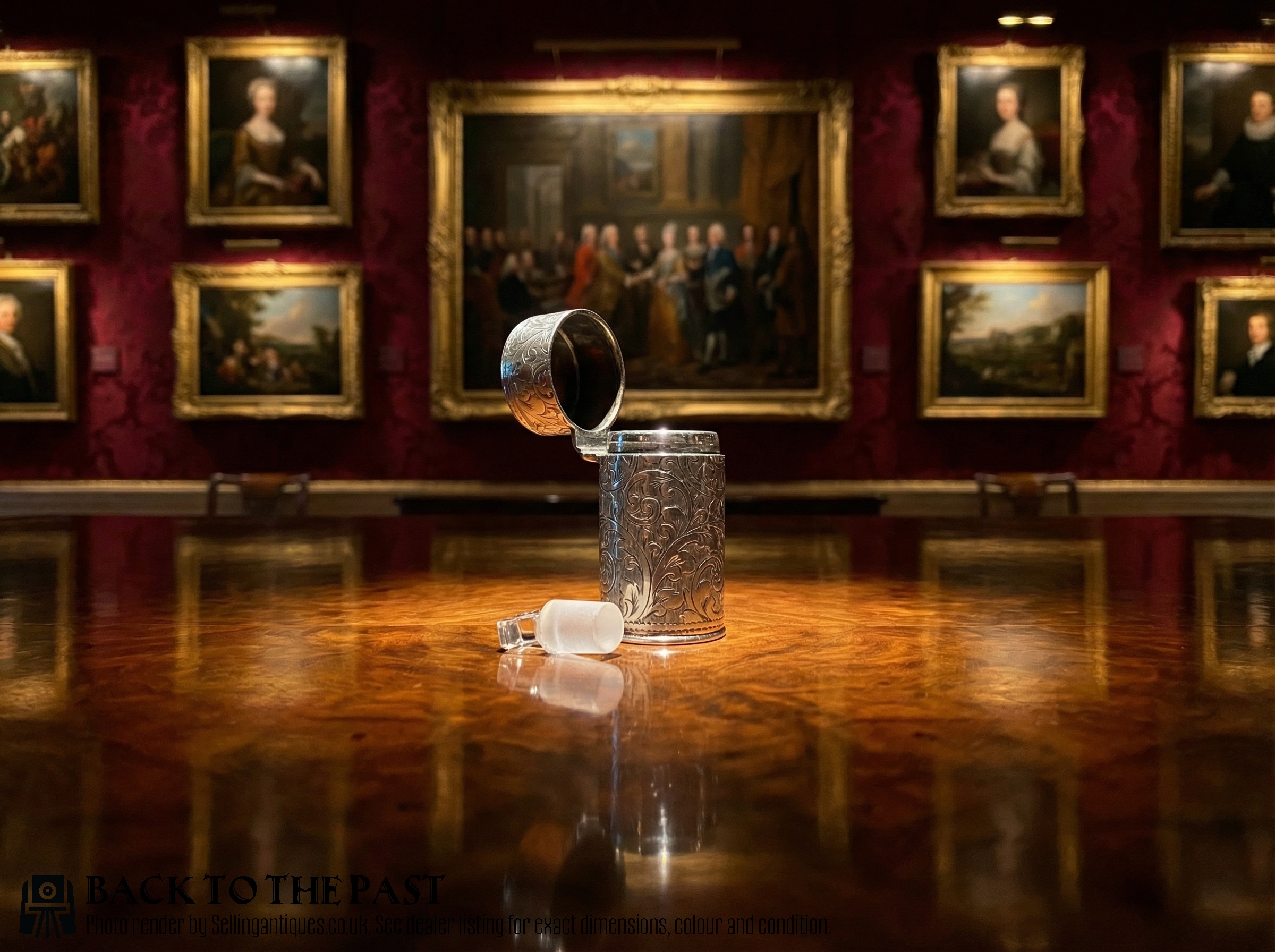
Silversmiths constructed hinged caps, collars, and repoussé mounts from sterling grade metal, often incorporating gilt washes or engraved detailing. Glasshouses blew vessels into moulds or gathered multiple coloured layers before cutting through the exterior to reveal contrasting hues beneath.
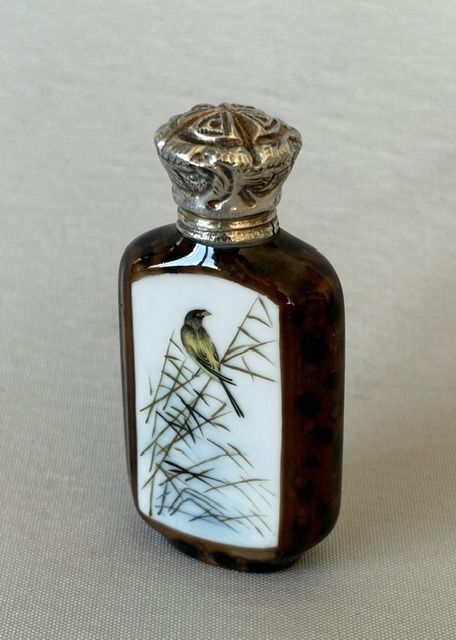
Specialist techniques involved casing glass with contrasting overlays, applying murrine patterns, or mounting natural materials like tortoiseshell and porcelain. Screw-fit or hinged silver lids required precision engineering with cork or rubber liners to prevent leakage.
Victorian Silver Scent Bottle Retail Price Guide 2026
Typical asking prices for victorian silver scent bottle among the pieces listed under this phrase on Sellingantiques today, from the lower quarter to the upper quarter. They describe what is for sale here now, not the wider market.
Some Victorian owners carried glass shaped precisely like speckled eggs or miniature hunting horns.
What Varies in Quality
Quality rests upon the crispness of the metalwork engraving and the depth of the glass cutting. Superior examples exhibit heavy gauge sterling mounts that close securely against the collar without play in the hinge.
The sophistication of the glass body elevates a piece, particularly complex multi-layered overlays and scarce colours such as vaseline or uranium glass. Signed work by recognised makers commands greater attention than unmarked domestic containers.
Horton And Allday·Sampson Mordan·Edward Smith·Franchini And Bigaglia·James Fenton·Henry Bourne·Charles Boyton·The Mousley Brothers·Charles May·Grinsell And Sons
The Victorian Silver Scent Bottle Glossary
- Chatelaine
- A decorative belt hook worn from the waist with suspended chains carrying utility items. Scent bottles hung from these attachments for easy daily access.
- Vinaigrette
- A small container holding a sponge soaked in aromatic vinegar. These feature internal pierced grilles rather than stoppers for liquid perfume.
- Sterling Silver
- An alloy of silver containing ninety-two point five percent pure silver by mass. This standard metal forms the protective mounts and caps.
- Opaline Glass
- An opaque or translucent glass developed in pale tints. It provides a smooth surface for silver collars.
- Overlay Glass
- Glass created by fusing layers of different colours together. Artisans cut through the top layers to expose the contrasting base glass.
Victorian Silver Scent Bottle: Frequently Asked Questions
What is the difference between a scent bottle and a vinaigrette?
Scent bottles contain liquid perfume sealed with a stopper or screw cap. Vinaigrettes hold solid aromatics or vinegar on a sponge beneath a pierced metal grille.
Collectors often group them together due to their similar size and silver mounts.
How do I clean a antique glass perfume bottle?
Wash the glass gently using warm soapy water and a soft bottle brush. Avoid submerging silver mounts for extended periods to protect internal cork liners.
Dry the interior thoroughly before replacing the stopper.
Were these bottles carried in pockets or handbags?
Victorian ladies carried these vessels inside pocketbooks, reticules, or suspended from waist chatelaines. Their robust silver mounts protected the delicate glass during daily travel.
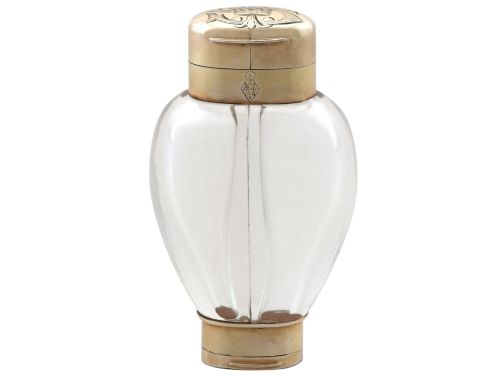
Double ended versions allowed two different fragrances in one portable container.
How can I tell the date of a silver mount?
British pieces typically feature hallmarks stamped into the metal, indicating the assay office, standard mark, and a specific date letter. Makers' marks provide the identity of the silversmith or workshop.
Unmarked continental items rely on style, glass characteristics, and manufacturing technique for dating.