
Silver Mounted Glass Bottle
Discover a silver mounted glass bottle for practical elegance on your dressing table or bar, drawing on Victorian and Edwardian craftsmanship.
Silver Mounted Glass Bottle
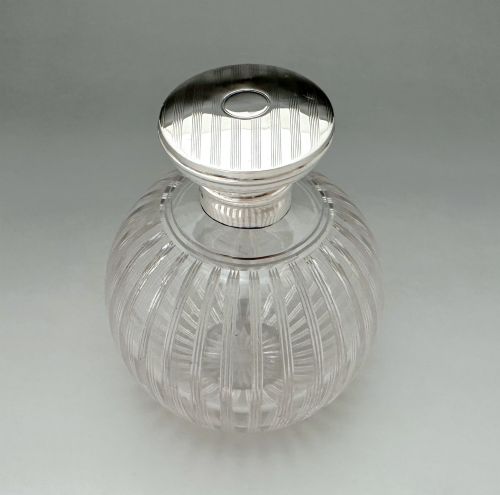
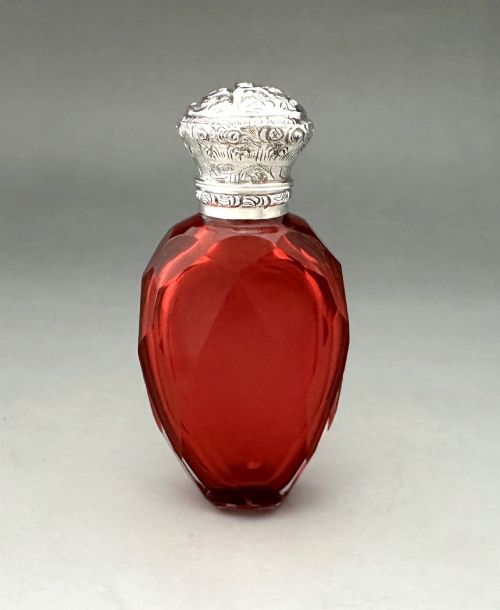
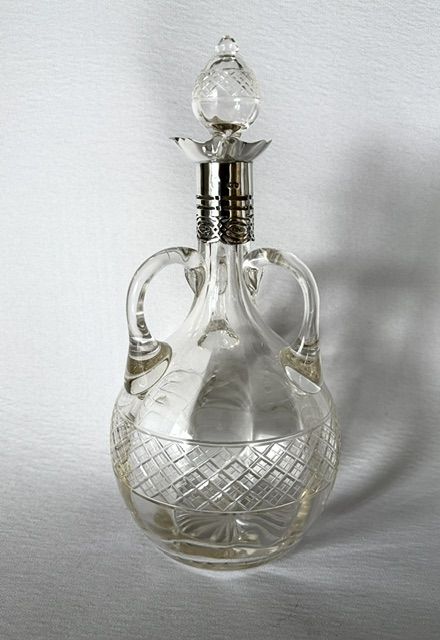
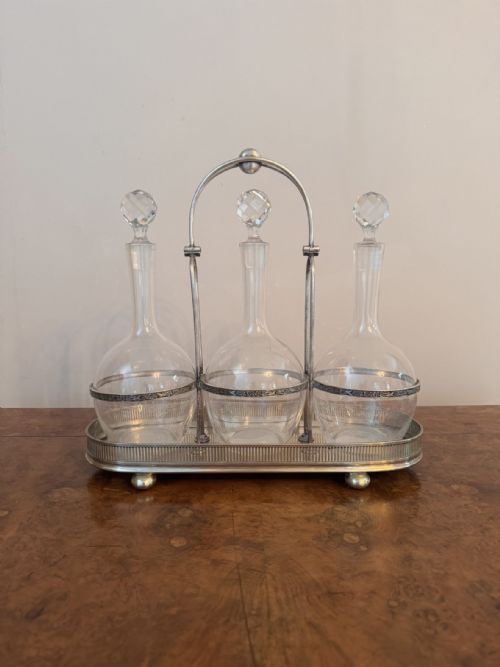
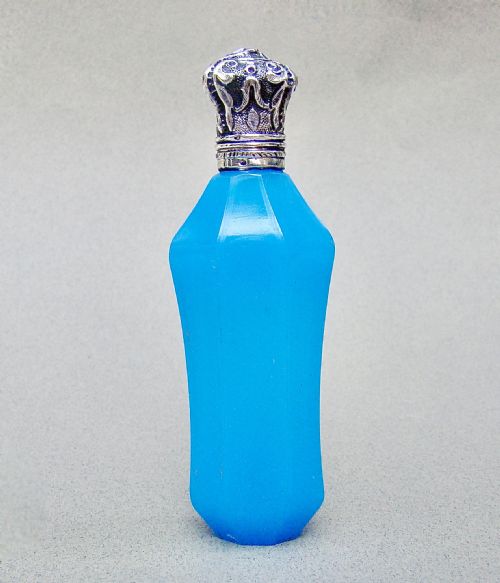
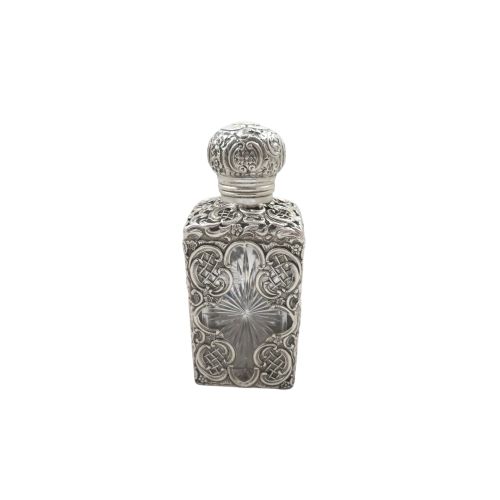
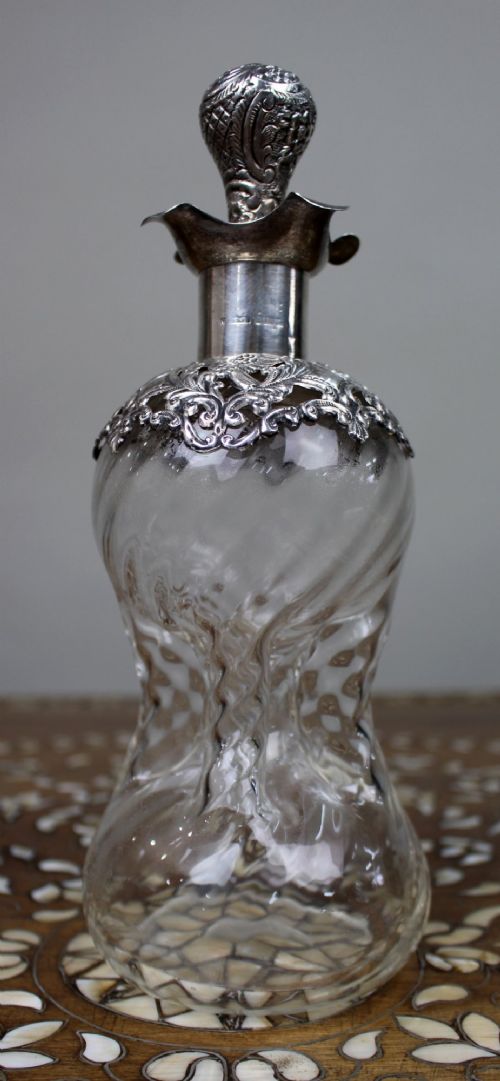
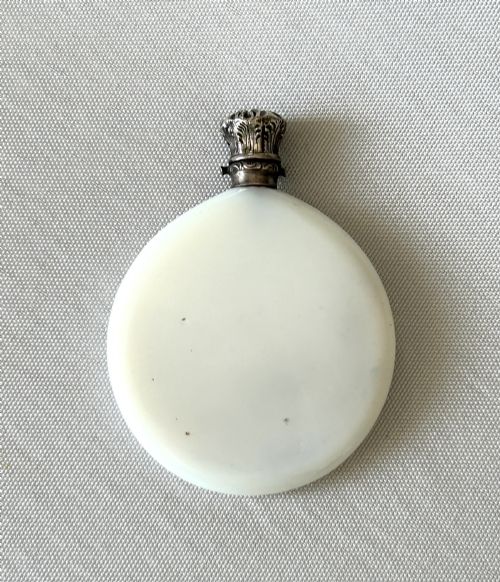
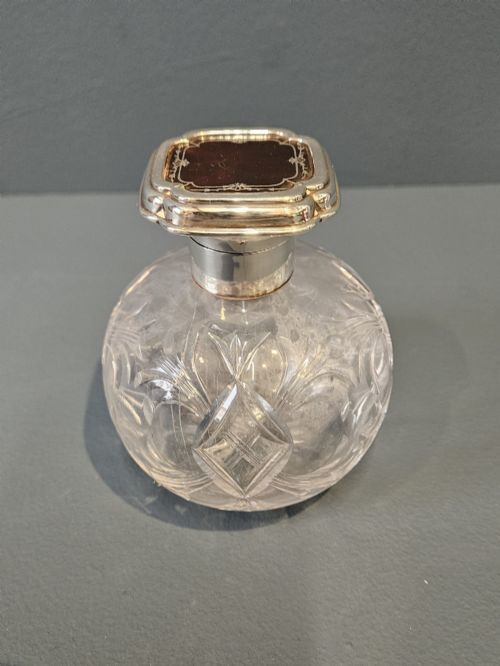
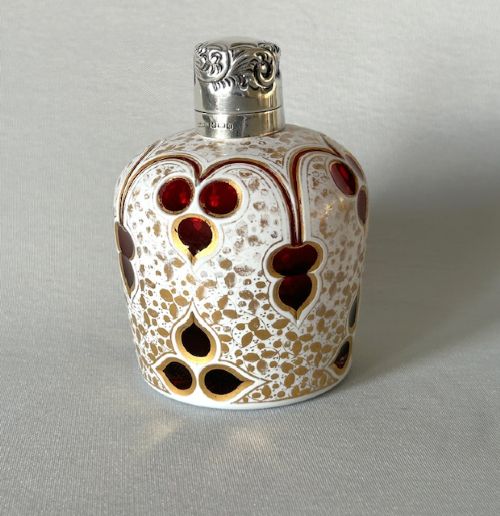
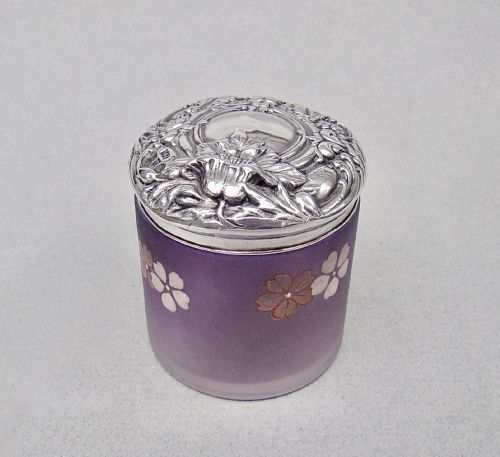
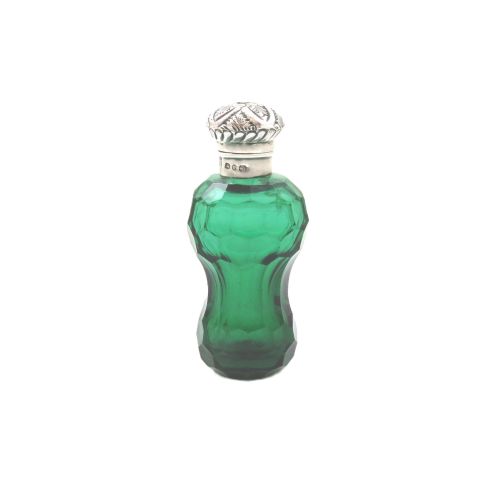
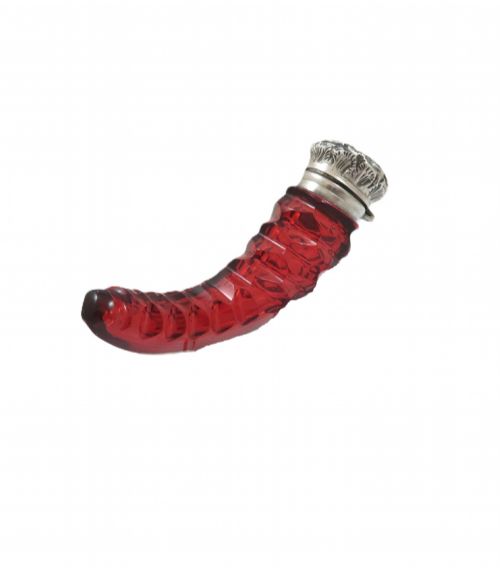
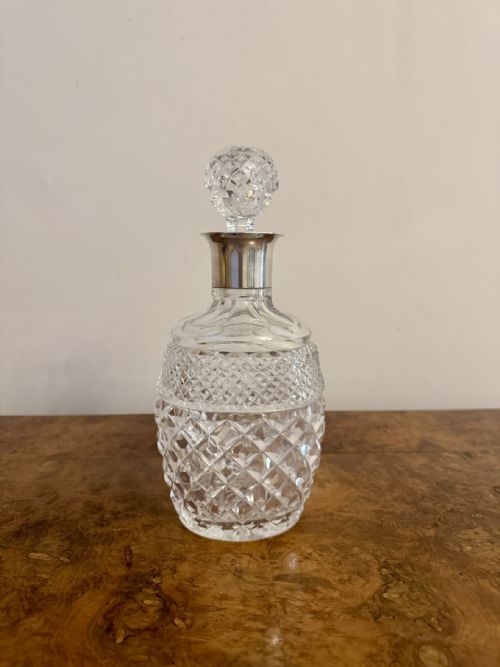
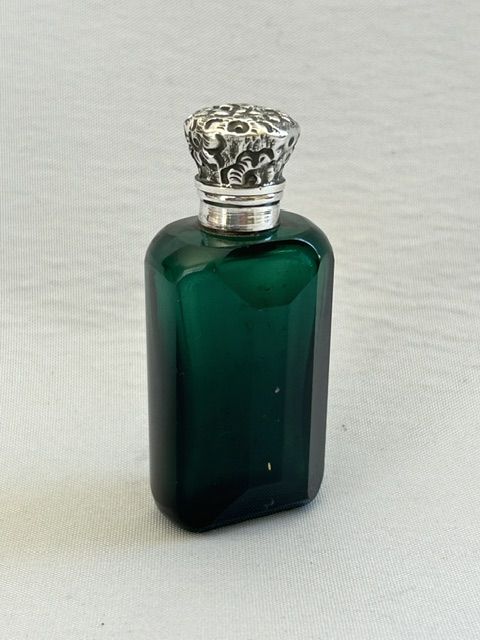
A silver mounted glass bottle combines functional glassware with precious metal collars, lids, and mounts. These pieces range from pocket perfume phials and dressing table jars to sizeable spirit decanters and tantalus sets.
Victorian and Edwardian examples dominate the selection, showing substantial sterling silver or plated mounts fitted to colourful or clear glass bodies. Collectors frequently encounter smaller scent bottles alongside larger beverage decanters and whisky noggins.
Originating primarily from British workshops and continental glasshouses during the nineteenth and early twentieth centuries, these items served daily domestic rituals. They survive as portable luxuries or decorative table accessories.
How They Were Made
Glass bodies were formed through blowing, moulding, or cutting, utilising rich materials such as ruby glass, cranberry glass, uranium glass, and heavy lead crystal. Coloured glass varieties often employed complex chemical additions during melting to achieve vibrant hues.
Silversmiths then fashioned bespoke mounts, collars, and hinged lids from sterling silver or silver plate, frequently adding intricate repoussé decoration or hallmark stamps. These metal components were secured to the glass necks using specialised adhesives or tight mechanical fits.
Silver Mounted Glass Bottle Retail Price Guide 2026
Typical asking prices for silver mounted glass bottle among the pieces listed under this phrase on Sellingantiques today, from the lower quarter to the upper quarter. They describe what is for sale here now, not the wider market.
Victorian ladies relied on tiny scent bottles tucked into pockets to fend off the pungent odours of nineteenth-century city streets.
What Varies in Quality
Quality depends upon the clarity and depth of the glass work, from simple moulded vessels to deeply hand-cut crystal and sophisticated art glass techniques like millefiori or latticino. The weight and purity of the glass dictate the primary tactile appeal.
The craftsmanship of the metal mounts distinguishes superior items, visible in crisp hallmarks, robust hinges, and securely fitting stoppers. Maker attribution and the preservation of original leather cases or matching silver labels elevate the standing of individual pieces.
Harold Bushell & Co·James Fenton·W.G. Sothers & Co·Britton Gould & Co·Charles May·Grinsell & Sons·The Mousley Brothers·Levi & Salaman
The Silver Mounted Glass Bottle Glossary
- Hallmark
- Official stamps punched into precious metal to indicate the standard of silver, assay office, and date letter. These marks provide verifiable historical context for the metalwork.
- Moser glass
- Artistic coloured glass produced by the Bohemian manufacturer Ludwig Moser, known for heavy gilt and enamelled decoration. Collectors prize these pieces for their rich tones.
- Tantalus
- A locking wooden frame designed to hold spirit decanters securely while preventing unauthorised access to the contents. They often incorporate fine silver plate or brass hardware.
- Nailsea glass
- Nineteenth-century British blown glass characterised by whimsical looped or swirled white glass threads within a clear or coloured ground. It originated in Somerset.
- Vinaigrette
- A small ornamental container featuring an internal perforated grille, designed to hold a sponge soaked in aromatic vinegar. They were tucked into pockets or bags during the Victorian era.
Silver Mounted Glass Bottle: Frequently Asked Questions
How do I clean a silver mounted glass bottle?
Wash the glass interior gently with warm soapy water and a bottle brush, avoiding harsh abrasives on coloured or enamelled surfaces. Polish the metal mounts carefully with a specialist silver cloth while keeping moisture away from antique cement joints.
Allow the bottle to dry completely with the stopper removed before storage. This prevents trapped humidity from clouding the interior glass over time.
Were these bottles meant for travel?
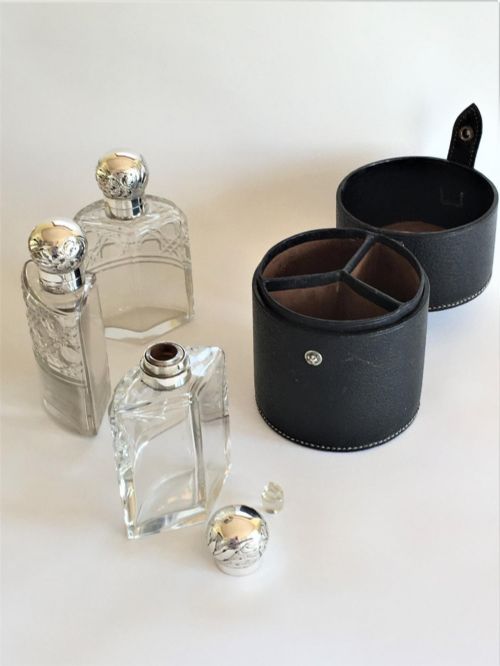
Many smaller perfume and cologne bottles were designed for carriage in fitted leather travel cases or vanity bags. Heavy decanters and spirit noggins remained stationary on dining sideboards or within locked tantalus frames.
Travelling flasks featured secure screw tops or tight collars to prevent leakage during transit. Cased trios allowed owners to carry multiple scents simultaneously.
How can I date a silver mount?
British sterling silver mounts usually feature a set of hallmarks indicating the assay office, standard mark, and a specific date letter. These stamps allow collectors to determine the exact year the metal component was tested and registered.
Stylistic cues in the glass cutting and overall silhouette also help narrow down the production period. Comparing the maker's mark against historical records confirms the manufacturing origin.
Are original stoppers important?
Original stoppers matched specifically to the glass neck greatly enhance the integrity and collectability of a piece. Finding a replacement stopper that fits the exact hand-blown dimensions can prove challenging.
Matching numbers etched onto the base and stopper confirm originality in finer decanters. Their presence ensures the bottle retains its intended functional design.