
Antique Glass Barware
Antique glass barware brings together nineteenth-century decanters, silver-mounted spirit noggins, and Art Deco cocktail shakers for serious home entertaining.
Antique Glass Barware
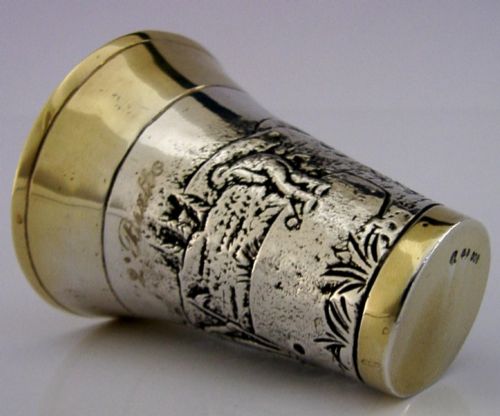
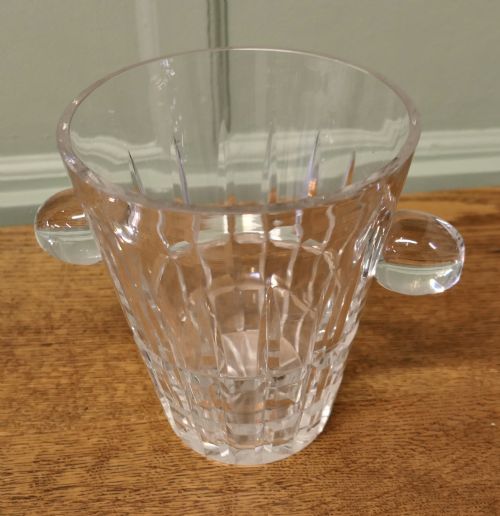
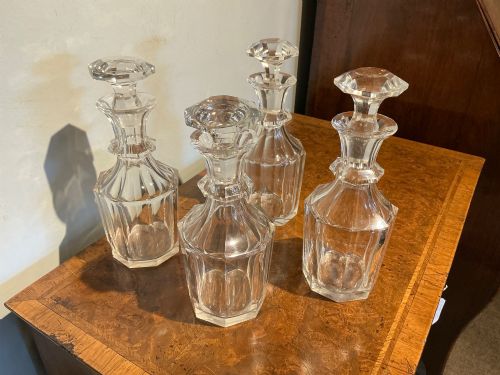
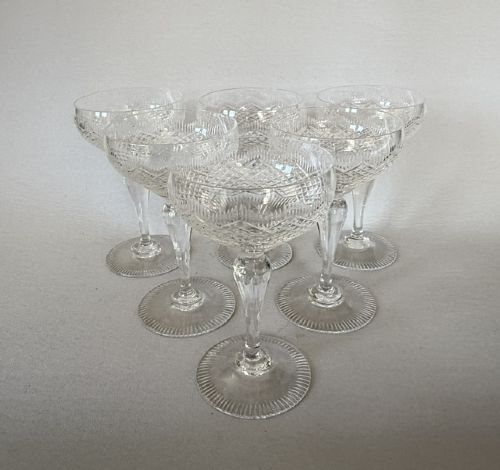
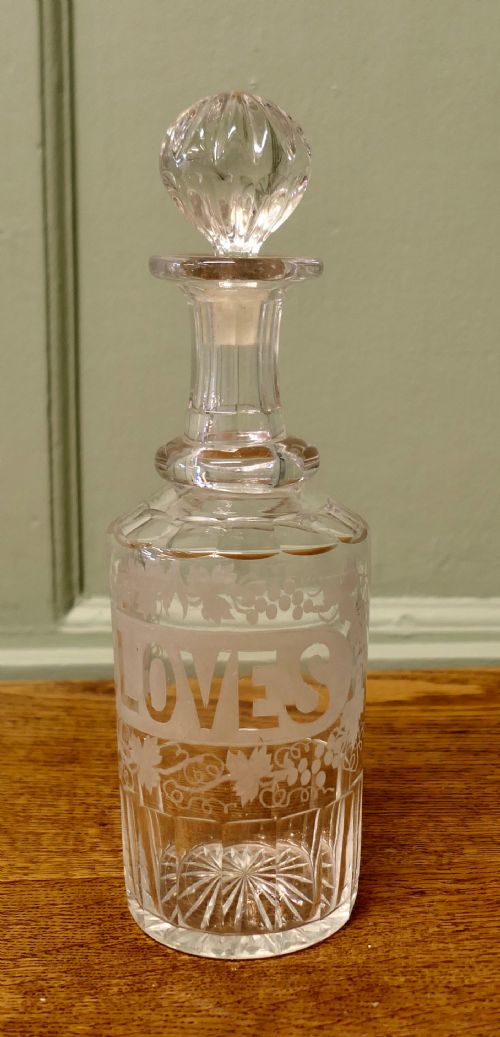
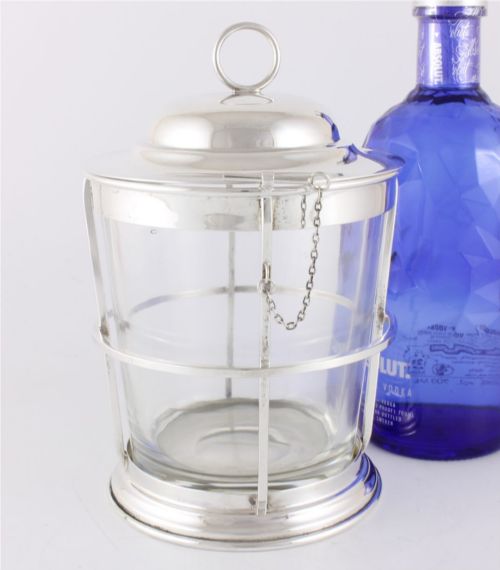
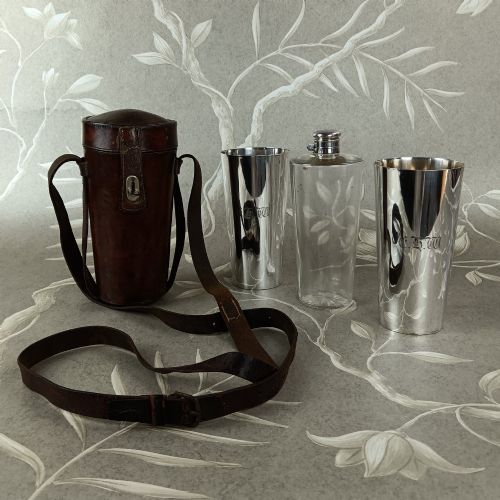
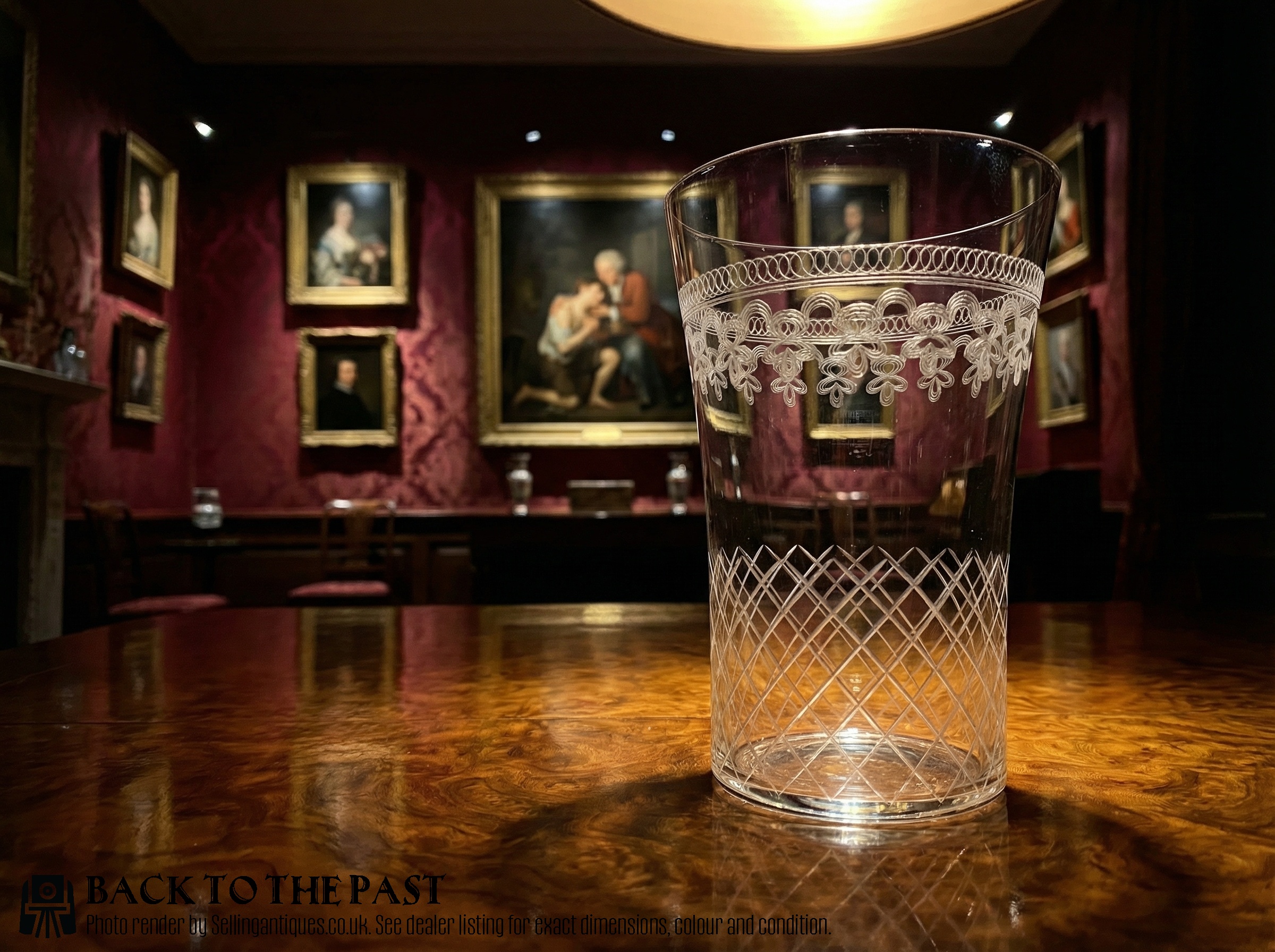
When you search for antique glass barware, you encounter a wide selection of functional items designed for serving and consuming spirits, wines, and mixed drinks. The most common pieces include cut glass decanters, crystal champagne bowls, silver-mounted noggins, and locking tantalus sets from the Victorian and Edwardian eras. These objects reflect the changing social drinking habits across the nineteenth and early twentieth centuries, moving from heavy dining room decanting to portable campaign sets and jazz-age cocktail hours.
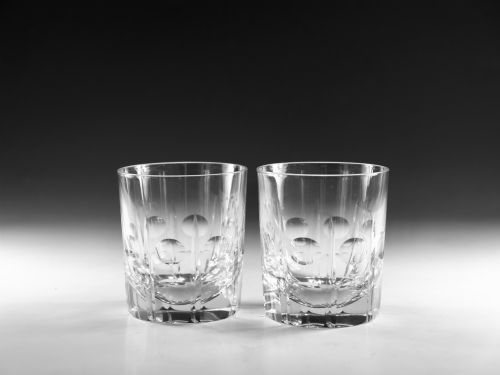
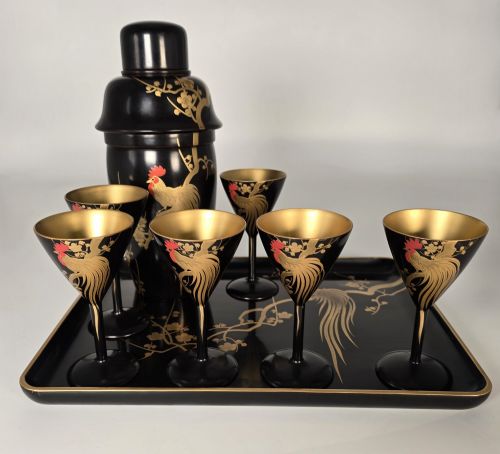
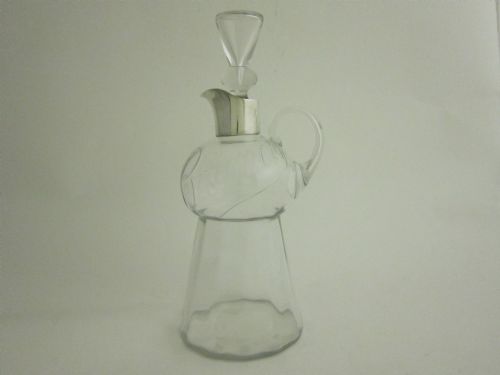
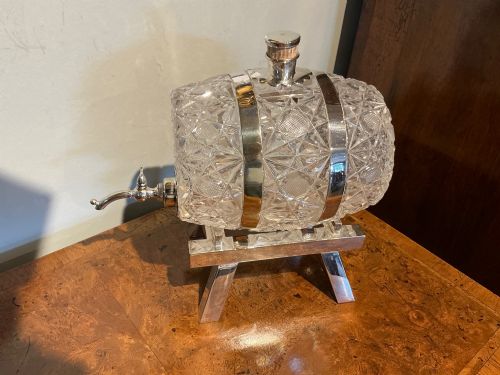
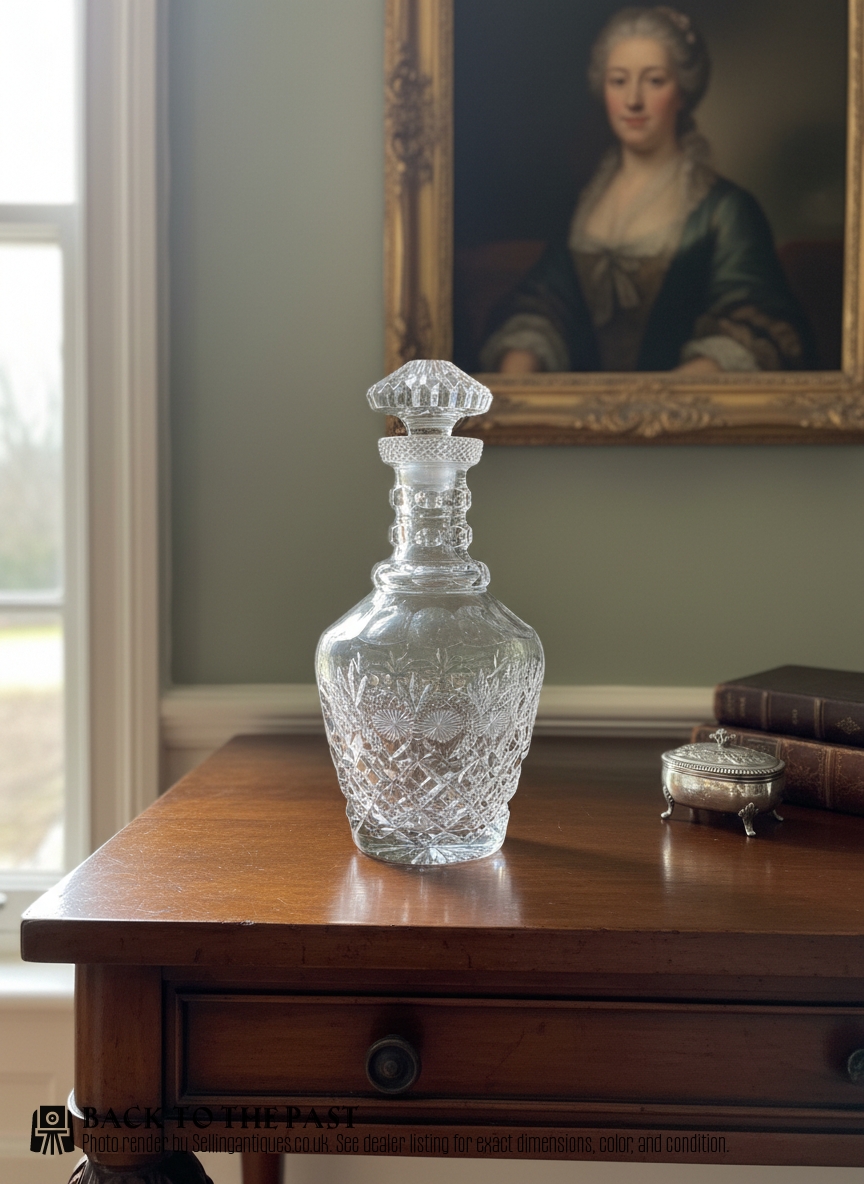
The assortment spans diverse utilitarian forms, from tall shoulder decanters and ruby glass vessels to compact spirit barrels and French Art Deco cocktail shakers. Many pieces feature sterling silver collars, mounts, or stoppers added by prominent makers, while others rely entirely on heavy lead crystal or cut glass bodies. Buyers will find both individual drinking vessels, such as engraved tumblers and coupes, and complete matched sets housed in fitted boxes.
Crystal, silver and glass techniques
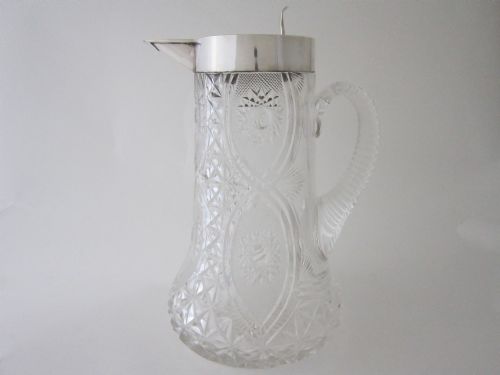
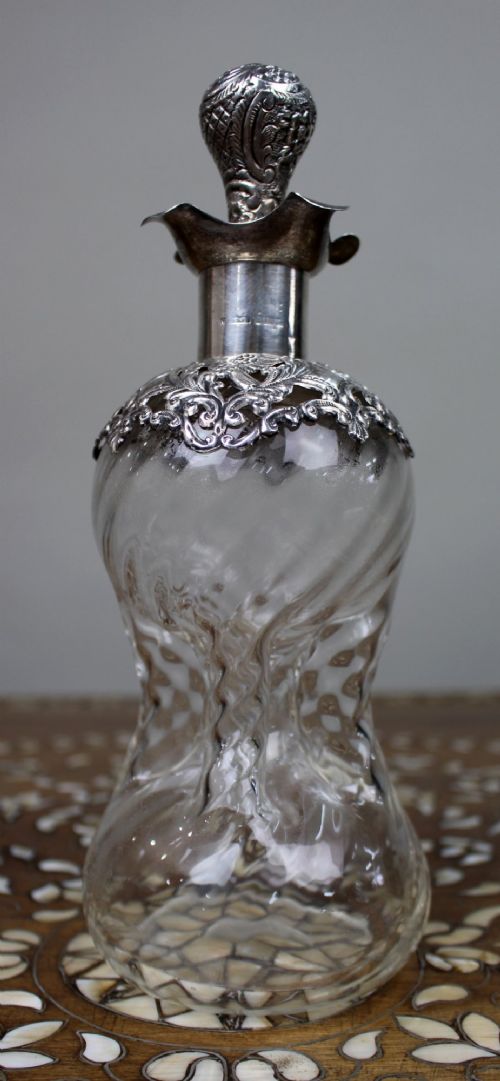
The pieces combine blown or moulded glass with precious metals, using lead crystal, cut glass, sterling silver, and silver plate as primary materials. Artisans shaped molten glass by hand into decanter bodies and tumblers, frequently applying wheel-cut facets, geometric engravings, or colourful overlays such as Bristol blue, cranberry, and ruby glass. Silver components, including mounts, collars, and hinged locking frames for tantalus sets, were cast, hammered, and hallmarked separately before being fitted to the glass.
Specialised techniques distinguish different periods, from the deep hand-cutting seen on Victorian crystal to the sleek, geometric silver plating and crackle glass characteristic of 1930s Art Deco pieces. Makers also utilised acid-etching, hand-painting, and enamelling to decorate surfaces with labels, monograms, or foliate motifs. The resulting objects join sturdy utilitarian construction with intricate decorative detailing designed to withstand regular domestic use.
Antique Glass Barware Retail Price Guide 2026
Typical asking prices for glass barware among the pieces listed under this phrase on Sellingantiques today, from the lower quarter to the upper quarter. They describe what is for sale here now, not the wider market.
Listings feature items spanning the Victorian era through the 1930s, utilising clear cut crystal, sterling silver, and coloured glass.
Weight, clarity and mounts
Quality in antique glass barware is determined by the purity and weight of the crystal, the precision of the cutting, and the craftsmanship of any metal mounts. Superior pieces display exceptional clarity, crisp facet edges that catch the light sharply, and thick walls that give a resonant ring when tapped. Inferior examples often feature cloudy glass, moulded rather than hand-cut patterns, and lightweight base materials.
The metalwork provides a further distinction, where heavy sterling silver mounts with clear Birmingham or London hallmarks elevate a piece above standard silver-plated alternatives. Original matching stoppers, fully functioning locking mechanisms on tantalus boxes, and intact hand-engraved details separate everyday utilitarian vessels from collector-grade examples.
TIFFANY & Co·James Dixon & Sons·Walker & Hall·Asprey London·PH Vogel
The Antique Glass Barware Glossary
- Noggin
- A small vessel used for serving a single measure of spirits, typically featuring a sturdy glass body and a sterling silver rim or handle. These portable measures often include a small matching silver-topped stopper.
- Coupe
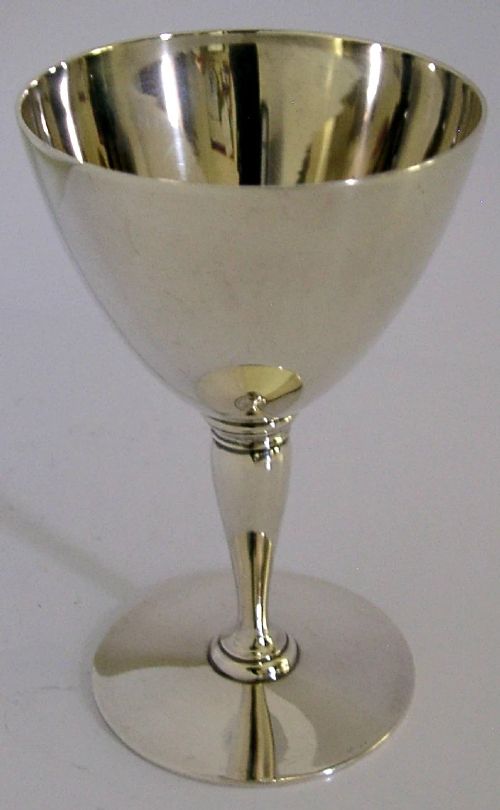
- A broad, shallow stemmed drinking glass traditionally used for champagne, featuring a wide bowl designed to showcase the effervescence and colour of the wine. Victorian and Edwardian examples frequently display facet-cut stems.
- Mell decanter
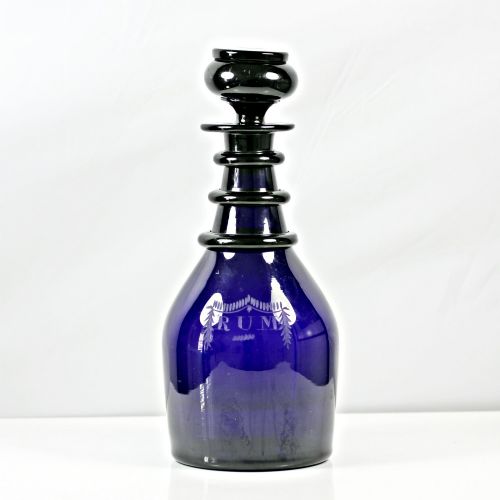
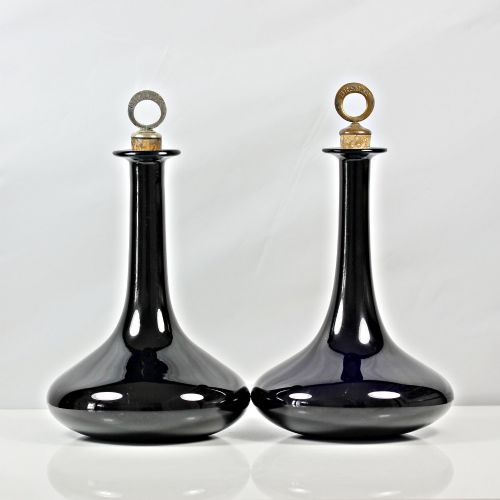
- A specific decanter shape with a bulbous lower body and a tapering neck, often associated with nineteenth-century Bristol blue glass and marked with three distinct rings around the neck.
- Cave a liqueur
- A fitted wooden box or casket containing a set of small liqueur decanters and matching glasses, lined with velvet or silk for safe transport and presentation.
Antique Glass Barware: Frequently Asked Questions
How do I date an antique decanter?
Dating relies on inspecting the base for pontil marks, the shape of the neck rings, and the style of any silver mounts. Pontil scars indicate hand-blown glass from the nineteenth century or earlier, while moulded seams suggest later machine production.
Silver collars often bear hallmarks with date letters that pinpoint the exact year of manufacture. Additionally, stopper shapes and cutting styles help assign pieces to specific periods like the Victorian, Edwardian, or Art Deco eras.
Are antique decanters safe for holding wine?
Most antique glass decanters remain safe for holding wine and spirits, provided they are thoroughly cleaned. Lead crystal can leach small amounts of lead over long periods, so storing liquids in them permanently is discouraged.
Serving wine during a dinner or evening event poses no health risk. Inspect the interior first to ensure there is no stubborn haze or chemical residue from past use.
What is a tantalus used for?
A tantalus was used in wealthy nineteenth-century households to secure expensive spirits from unauthorised consumption by servants or guests. The locking wooden frame traps the glass stoppers so the decanters cannot be opened or removed.
Only the homeowner holding the key could release the mechanism. Today, these locking cases function primarily as decorative and practical centrepieces for home bars.
How do I clean cloudy antique glass?
Cloudiness inside old decanters is typically caused by mineral deposits or liquid residue etching the interior surface over many decades. Gentle washing with warm water, mild soap, and specialised bottle brushes can remove organic buildup.
For stubborn mineral films, collectors sometimes use non-abrasive cleaning beads with warm water, avoiding harsh chemicals that might damage delicate glass. Professional restoration is rarely required unless the interior surface has suffered deep chemical damage.