


Vintage Glass Stopper Bottle
A vintage glass stopper bottle combines utilitarian purpose and decorative artistry, offering a secure seal alongside brilliant pressed, cut, or blown forms.
Vintage Glass Stopper Bottle
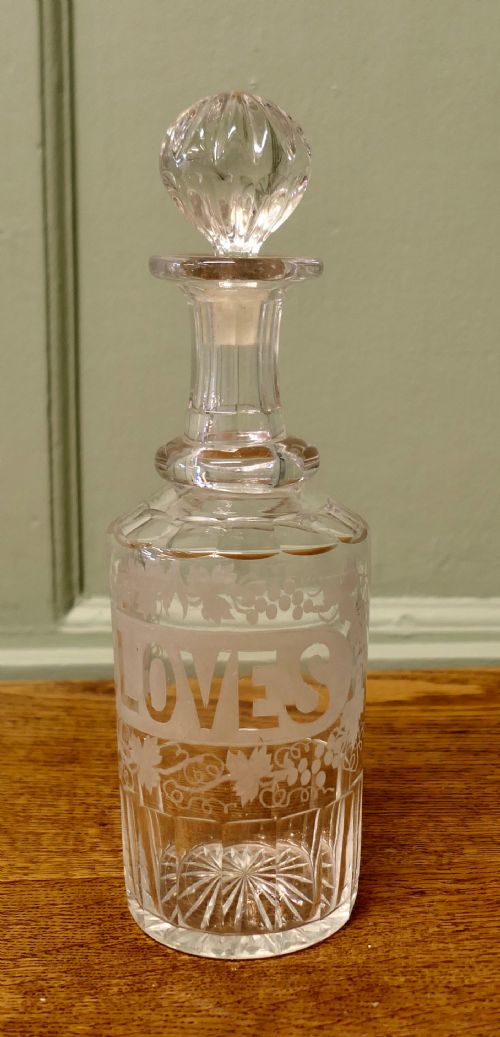
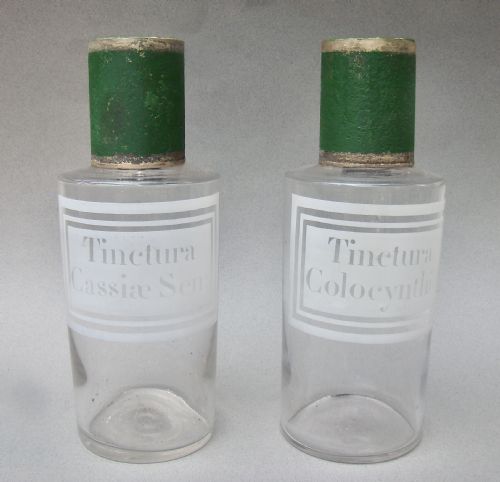
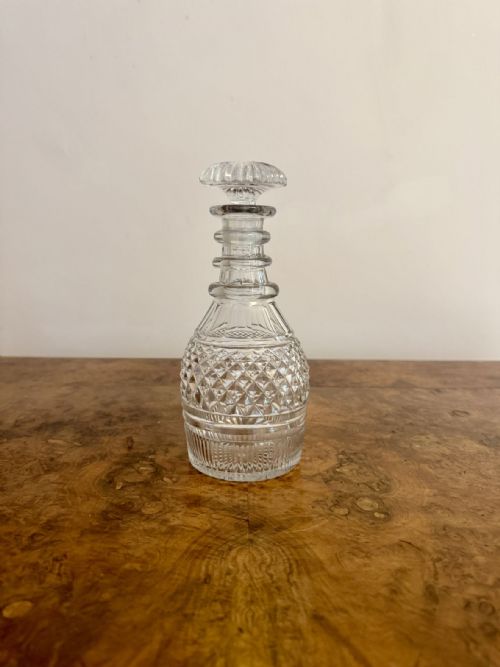
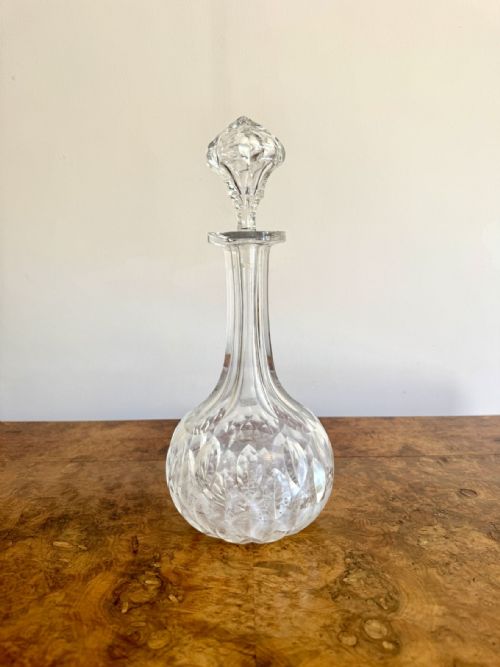
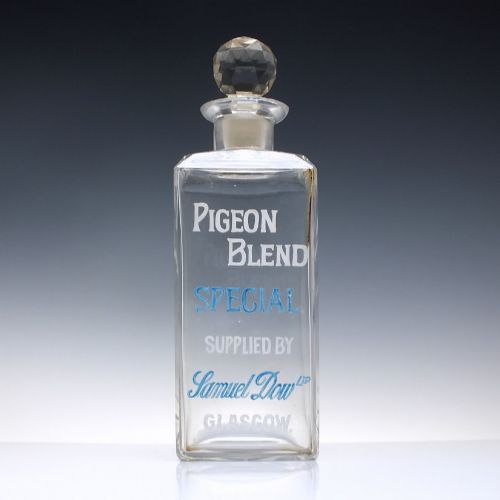
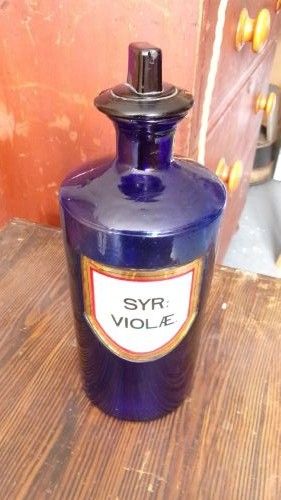
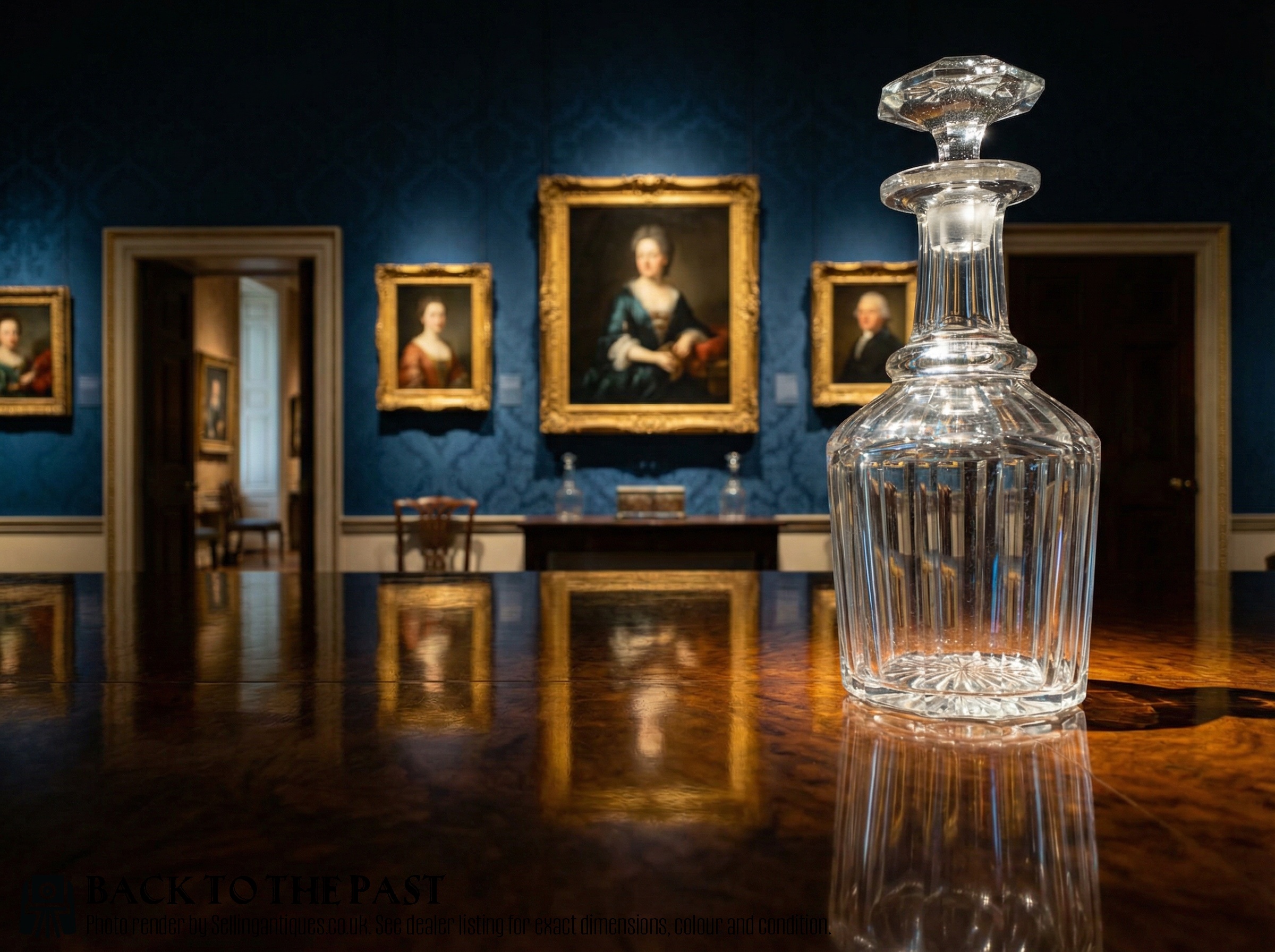
When searching for a vintage glass stopper bottle, collectors encounter a diverse array of forms including decanters, scent bottles, and pharmacy jars spanning the Victorian, Edwardian, and Art Deco periods. The selection frequently includes heavy cut glass spirit decanters from 1900 and nineteenth-century apothecary vessels.
Originating from English, French, Bohemian, and Venetian workshops, these pieces served domestic drinks, stored chemist preparations, and held perfumes. The survival of the matching stopper remains a key characteristic across these functional categories.
How they were made
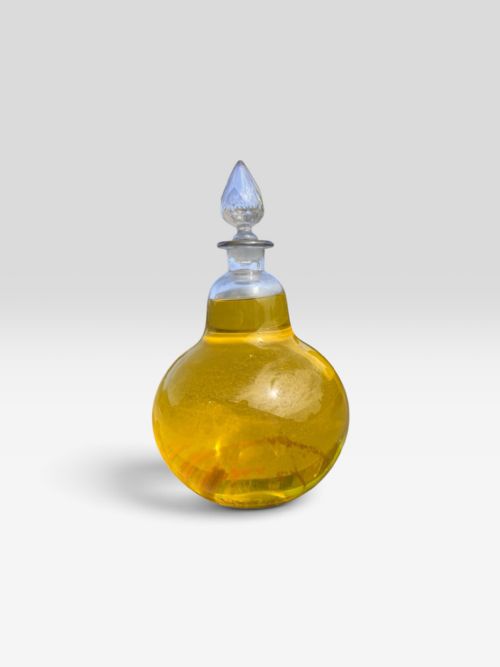
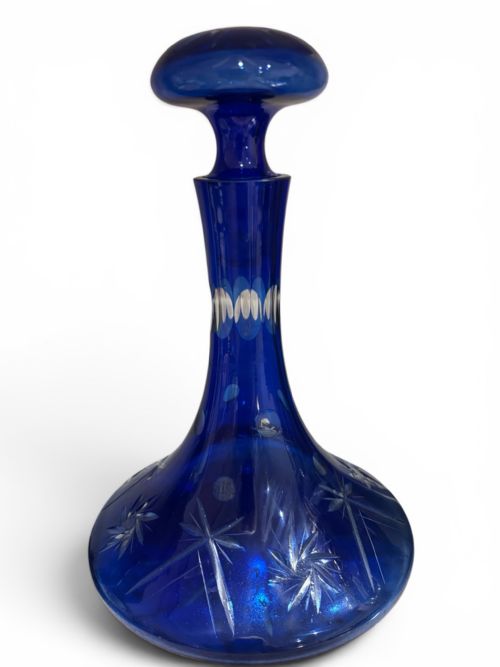
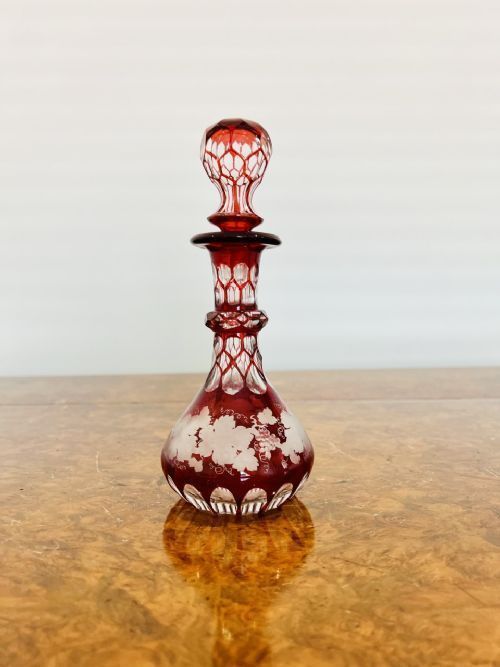
Glassmakers utilised techniques such as hand blowing, mould pressing, and wheel cutting to shape clear glass, lead crystal, and coloured variants like amber, cobalt, and Bristol blue. Skilled hands formed bulbous bodies, shaft and globe profiles, and heavy lollipop stoppers.
Metals such as silver and silver plate frequently formed collars and mounts, while enamel decoration and gold leaf added surface colour to nineteenth-century and Art Deco pieces.
Vintage Glass Stopper Bottle Retail Price Guide 2026
Typical asking prices for vintage glass stopper bottle among the pieces listed under this phrase on Sellingantiques today, from the lower quarter to the upper quarter. They describe what is for sale here now, not the wider market.
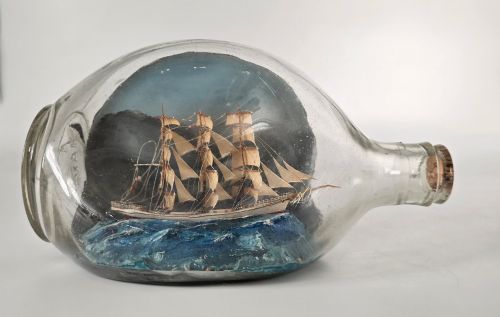
Intricate folk art ships sail permanently inside sealed glass bottles, defying the puzzle of how their tiny wooden masts ever passed through the narrow neck.
What varies in quality
The precision and depth of wheel-cut facets separate standard utilitarian vessels from finer decorative examples, where crisp patterns catch the light. Hand-blown pieces show individual character through subtle bubbles and tool marks rather than mechanical uniformity.
The integration of precious metal mounts, maker attributions, and the original matching glass stopper significantly influence the standing of an individual bottle within its period.
Karl Palda·Rene Lalique·Stevens and Williams
The Vintage Glass Stopper Bottle Glossary
- Stopper
- The ground-glass closure designed to fit the neck of a bottle precisely, preventing evaporation.
- Carboy
- A large bulbous glass container used in pharmacies and laboratories, often fitted with a protective basket or standing alone.
- Latticinio
- A Venetian glass technique incorporating fine white or coloured glass threads twisted within clear glass.
- Nailsea type
- Glassware characterised by looped or trailed opaque white threads applied over a coloured or clear ground.
- Cut glass
- Glass decorated by holding the vessel against a rotating abrasive wheel to carve decorative facets and patterns.
Vintage Glass Stopper Bottle: Frequently Asked Questions
How do I date a glass stopper bottle?
Dating relies on observing the manufacturing technique, such as pontil marks on the base of older pieces, alongside stylistic cues from the Victorian, Edwardian, and Art Deco eras.
Silver collars often feature British hallmarks containing date letters that provide an exact year of manufacture.
Are the stoppers original to the bottles?
Original stoppers typically share identical glass colour, matching wear patterns on the ground stem, and harmonising cut or moulded design motifs.
Because stoppers were easily swapped or broken over generations, matching pairs require careful inspection of the ground-glass fit.
What is the difference between a decanter and a scent bottle?
Decanters are larger vessels built to hold wine, whisky, or spirits, featuring robust bases and sturdy handles or necks suited to frequent pouring.
Scent and perfume bottles are considerably smaller, designed for vanity tables to hold concentrated fragrances.
How should I clean an antique glass bottle?
Cleaning requires warm water and mild detergent, avoiding sudden temperature changes that can crack fragile historical glass.
Harsh abrasives and metal brushes should be kept away from delicate enamel work and gilded surfaces.