

Antique Liquor Bottle
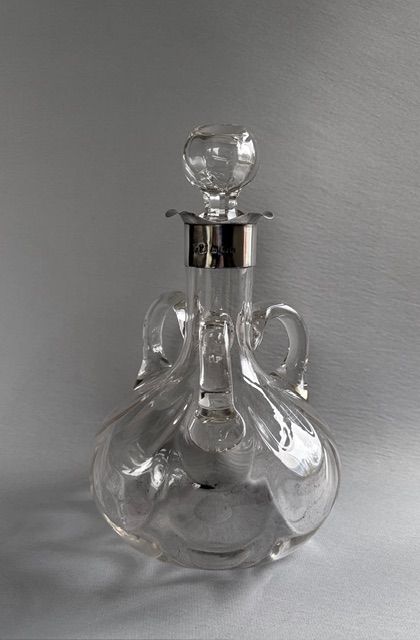
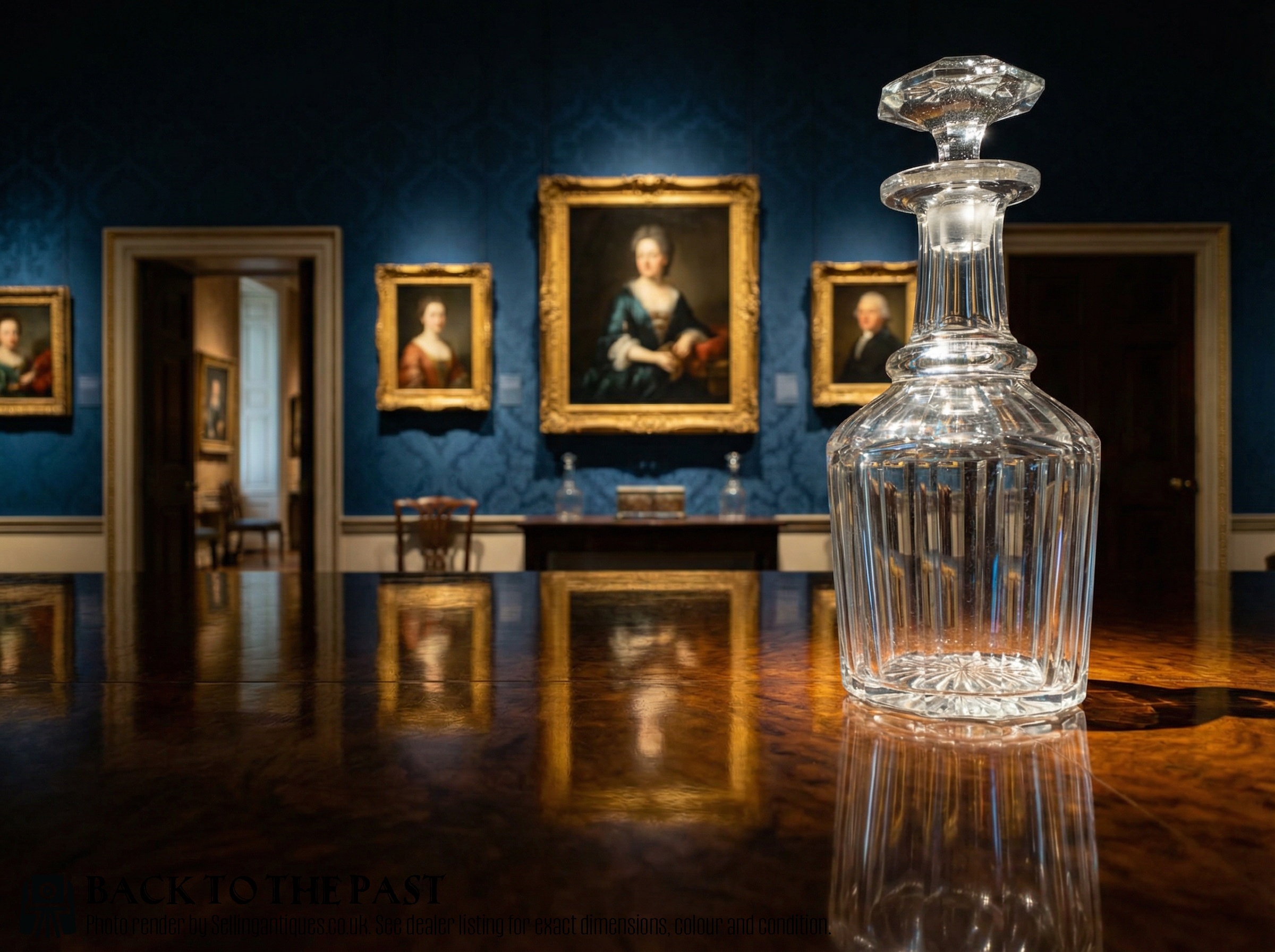
An antique liquor bottle provides a tangible link to historical dining habits, uniting decorative glass and precious metal mounts in a single functional object.
Antique Liquor Bottle
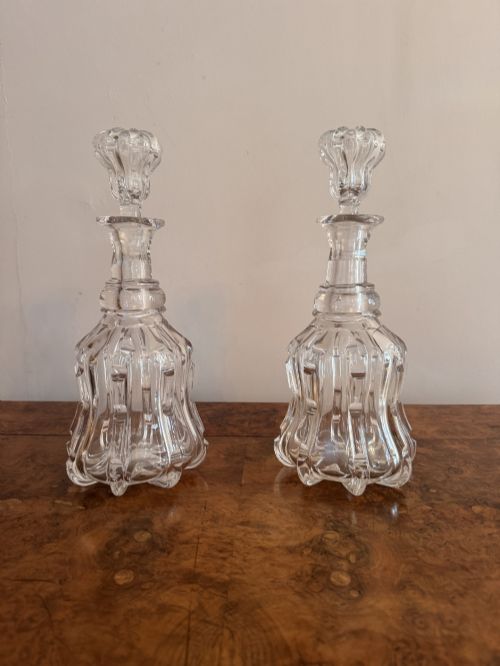
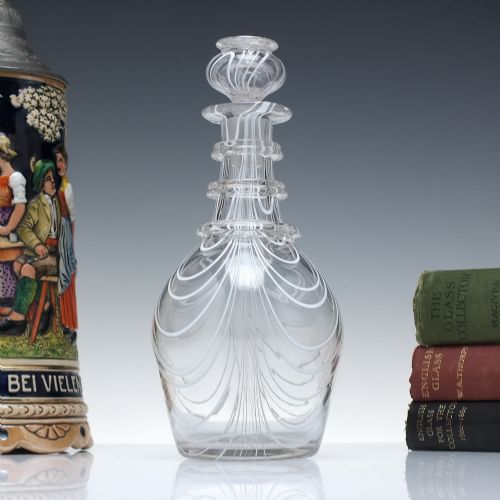
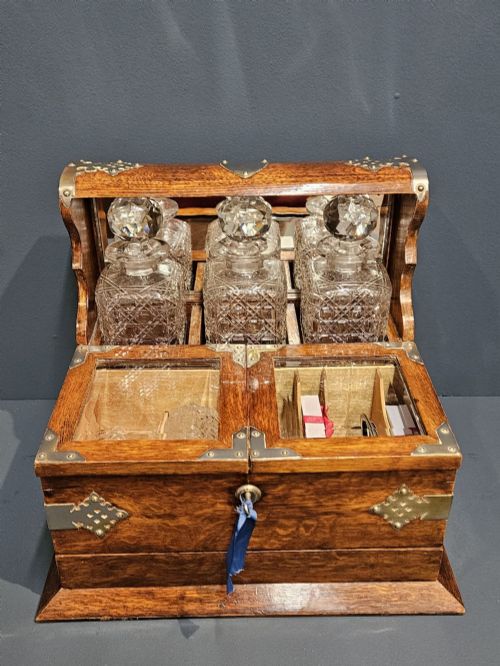
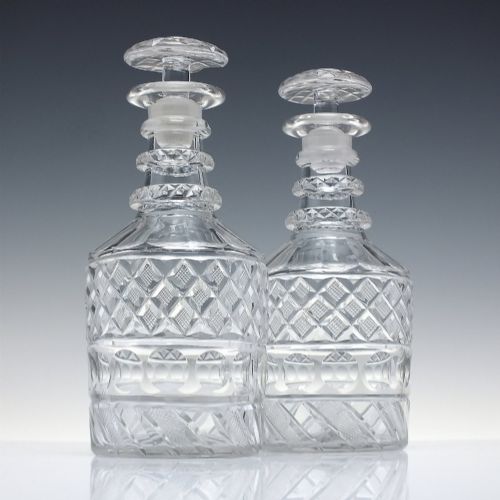
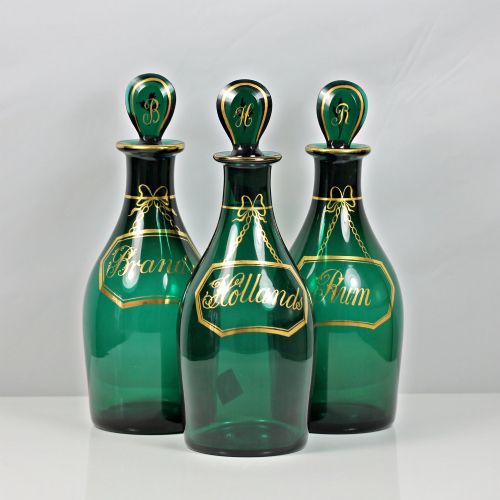
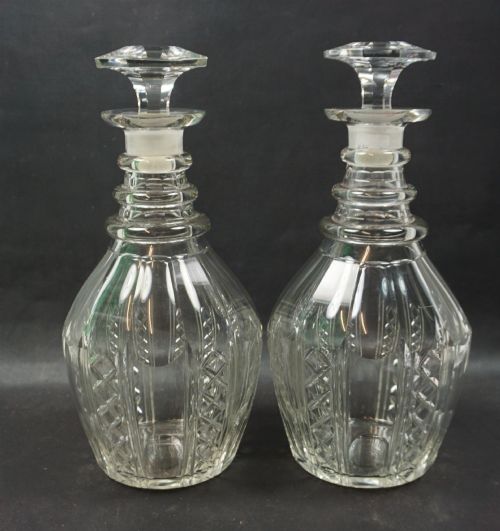
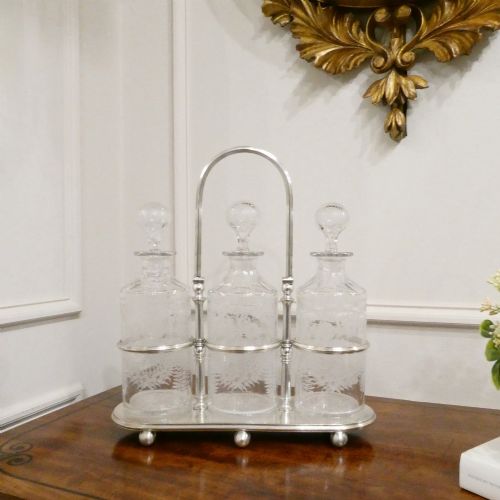
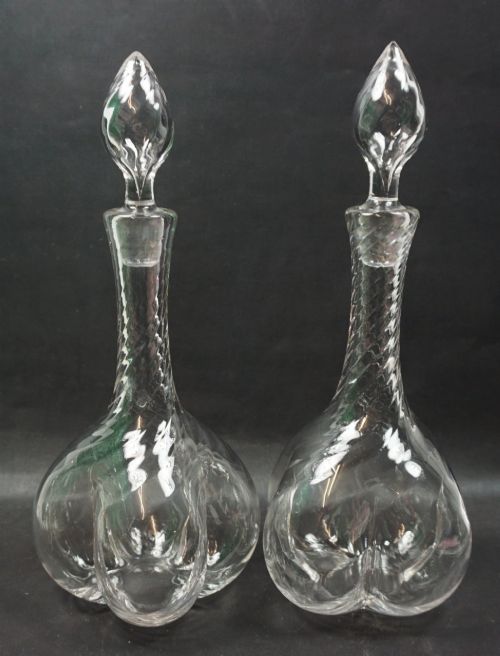
When a buyer searches for an antique liquor bottle, they encounter a diverse array of vessels, decanters, and spirit containers spanning the Georgian, Victorian, and Edwardian eras. These objects range from heavy cut glass spirit flagons and Bristol blue decanters to secure tantalus sets housed in oak or coromandel frameworks.
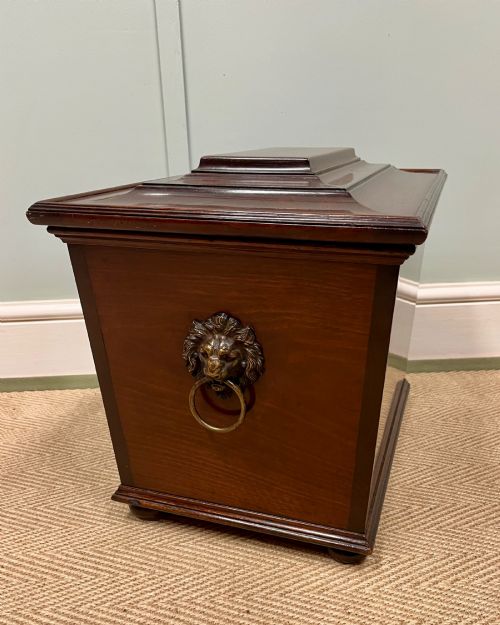
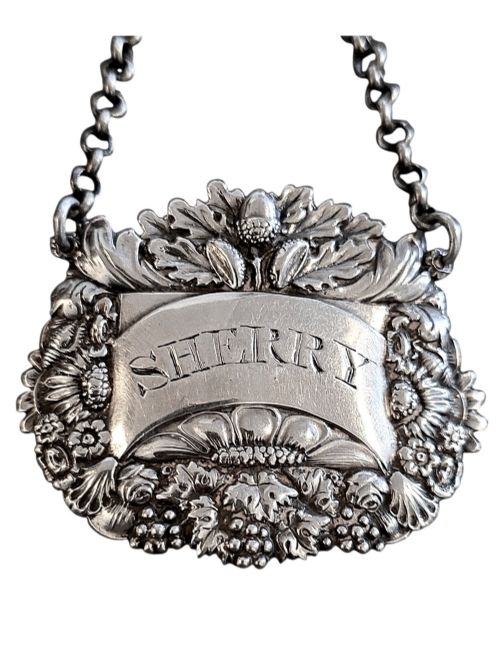
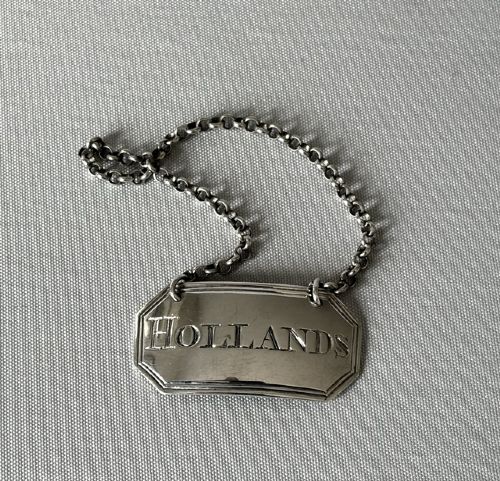
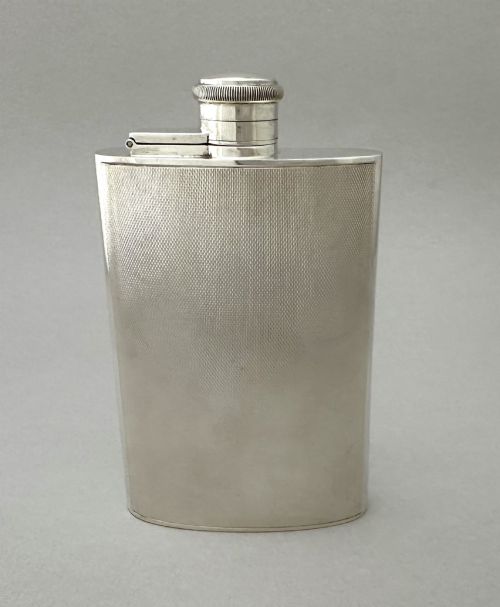
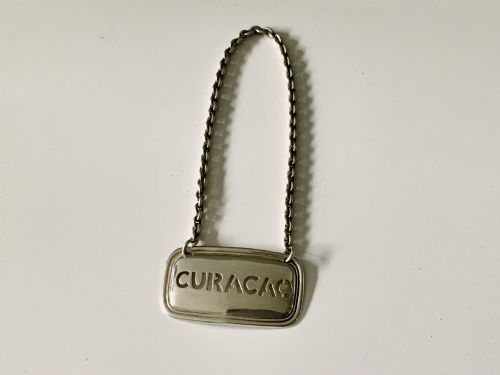
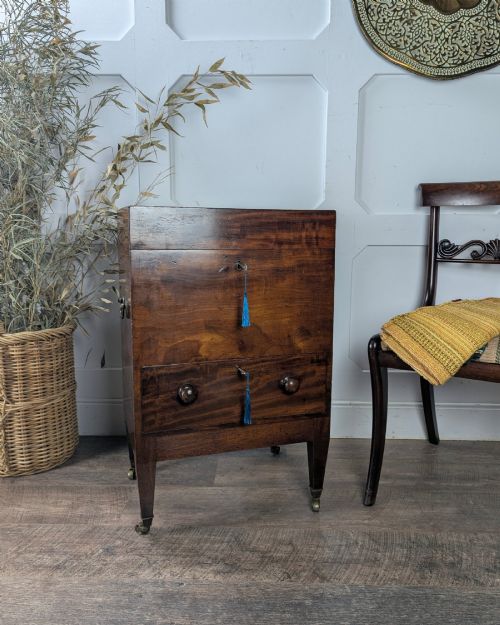
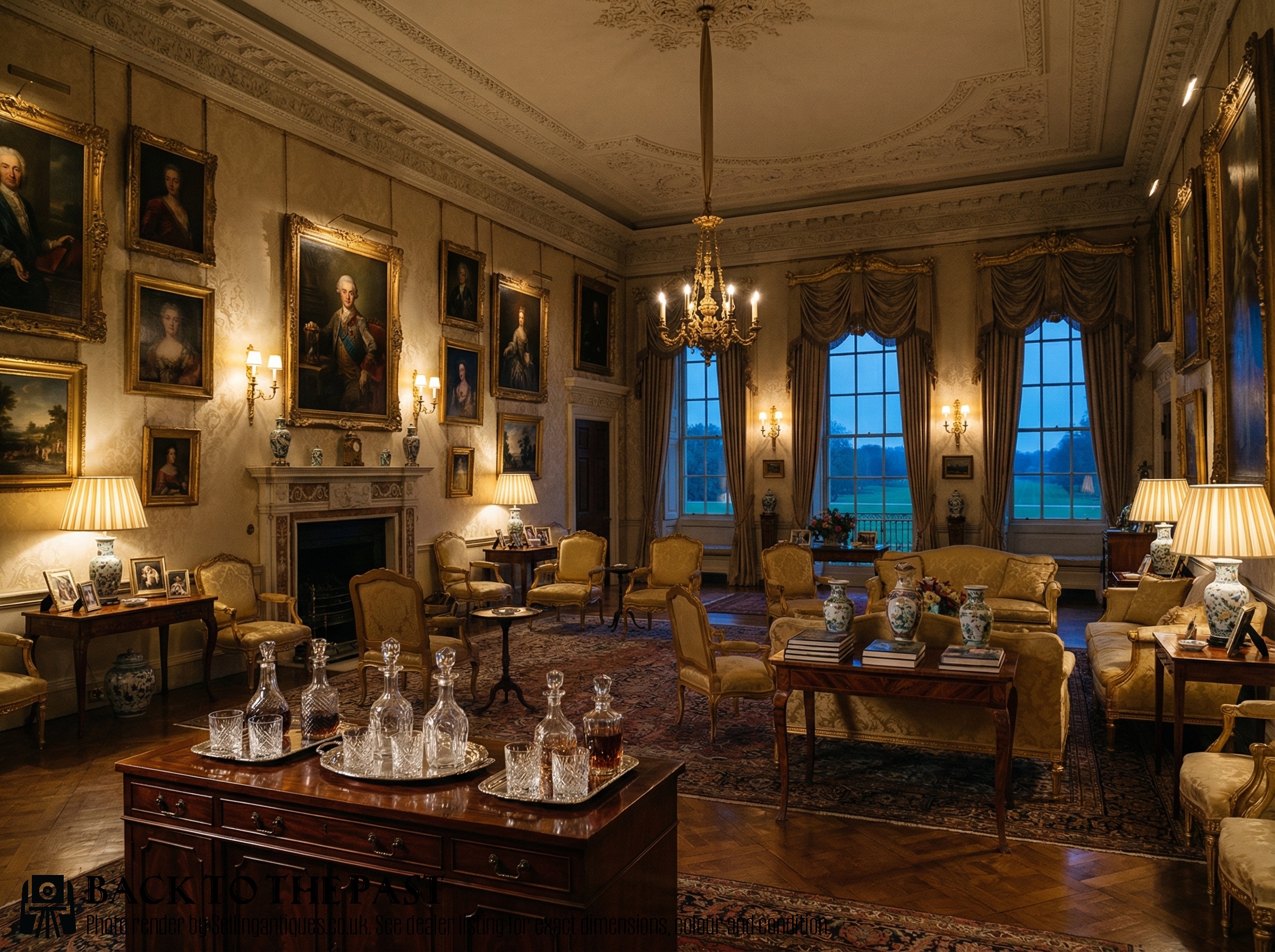
The assortment on this page also includes portable sterling silver hip flasks for personal use and substantial mahogany or satinwood cellarettes designed to store multiple bottles in dining rooms. Many vessels retain their original silver or silver plated decanter labels inscribed with names like rum, Madeira, or sherry.
Origins stretch from English workshops to Anglo-Indian cabinets and Scottish silversmiths, showing a steady development in how alcoholic spirits were stored and served across the eighteenth, nineteenth, and early twentieth centuries.
Glassblowing, cabinetmaking and silversmithing
Makers shaped the glass vessels through blowing and hand-cutting, producing deep facets, bell shapes, and richly coloured ruby, cranberry, and green tones. Lead crystal provided the heavy, refractive quality seen in many Edwardian and Victorian examples.
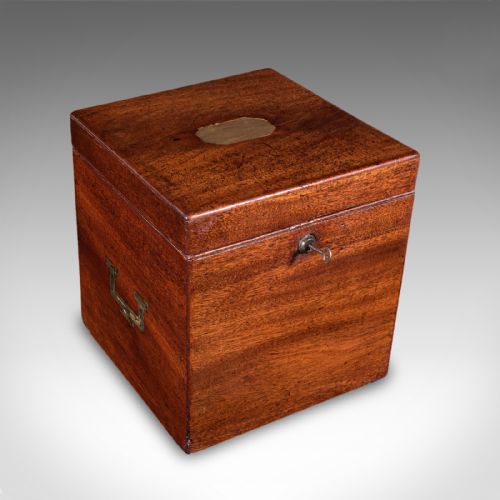
Cabinetmakers utilised dense timbers like mahogany, oak, coromandel, and satinwood to construct cellarettes and wine coolers, frequently incorporating brass mounts and inlaid details. Meanwhile, silversmiths hammered and engraved sterling silver and silver plate to create neck mounts, hinged caps, and hanging spirit labels.
Antique Liquor Bottle Retail Price Guide 2026
Typical asking prices for liquor bottle among the pieces listed under this phrase on Sellingantiques today, from the lower quarter to the upper quarter. They describe what is for sale here now, not the wider market.
Material depth and structural integrity
Quality rests upon the weight and clarity of the glass, the depth of hand-cutting, and the richness of colour in ruby, green, or blue specimens. Superior timber cellarettes display careful figuring in the mahogany or pollard oak alongside sound original joinery.
The presence of fully functioning locking mechanisms with working keys on a tantalus, or crisp hallmarks on sterling silver labels and hip flasks, elevates an item's standing. Harmony between the glass bottle, its stopper, and any fitted silver mount distinguishes masterwork productions from standard utilitarian wares.
Elizabeth Morley·Tiffany·Digby Scott Benjamin Smith·Walker And Hall·Gillows·Betjemann
The Antique Liquor Bottle Glossary
- Cellarette
- A lockable cabinet, box, or freestanding pedestal designed to hold wine bottles and liquor securely within a dining room. These containers often feature fitted interiors lined for individual bottles.
- Tantalus
- A locking wooden frame holding decanters visible to guests but prevented from removal without a key. This device protected expensive spirits from domestic staff.
- Decanter label
- A small silver or silver-plated tag hung by a chain around the neck of a liquor bottle to identify the contents. Examples frequently name specific drinks such as rum, sherry, or Madeira.
- Hip flask
- A thin, curved container engineered to fit against the body in a pocket for carrying spirits privately. These pieces commonly feature sterling silver construction with screw caps.
- Lead crystal
- Heavy glass containing metallic oxides that increase brilliance, density, and resonance. This material allowed deeper, sharper cutting than standard glass.
Antique Liquor Bottle: Frequently Asked Questions
What is an antique liquor bottle?
An antique liquor bottle typically refers to a decanter, spirit flagon, or pocket flask produced during the Georgian, Victorian, or Edwardian periods. These vessels were made to hold and serve alcoholic beverages at the table or for personal travel.
Materials range from clear and coloured glass to lead crystal, complemented by sterling silver mounts, stoppers, and hanging bottle tickets.
How did people use a tantalus?
A tantalus held two or three crystal decanters inside a secure wooden framework fitted with a locking metal bar across the stoppers. Householders kept the key to prevent domestic staff from sampling the contents.
The design allowed guests to admire the ruby, green, or clear glass bottles while keeping the liquor physically inaccessible.
How do I identify a Georgian decanter?
Georgian decanters, produced during the eighteenth and early nineteenth centuries, often feature hand-blown glass with kick-up bases, polished pontil marks, and distinct geometric or hobnail cutting. They frequently accompany matching sterling silver decanter labels naming specific contents.
Timber cellarettes from the same era employ solid mahogany or inlaid satinwood with robust brass handles and heavy panel construction.
What are decanter labels?
Decanter labels are small pieces of silverware suspended by chains around the necks of liquor bottles to indicate the specific spirit contained within. Eighteenth and nineteenth-century silversmiths engraved titles like Madeira, Sherry, and Rum onto them.
Collect collectors prize these items both independently and when paired with their original glass decanters.
How do I care for antique glass bottles?
Antique glass requires gentle cleaning with warm water and mild soap, avoiding sudden temperature changes that can crack aged material. Wooden cellarettes and frames benefit from occasional application of appropriate furniture wax to preserve the finish.
Keep silver mounts polished with a soft cloth to prevent tarnish without abrasive compounds.