


18th Century Glass Bottle
These 18th century glass bottle examples bring tactile history to a room, offering functional vessels shaped by early hand-blown techniques.
Identifying an 18th Century Glass Bottle
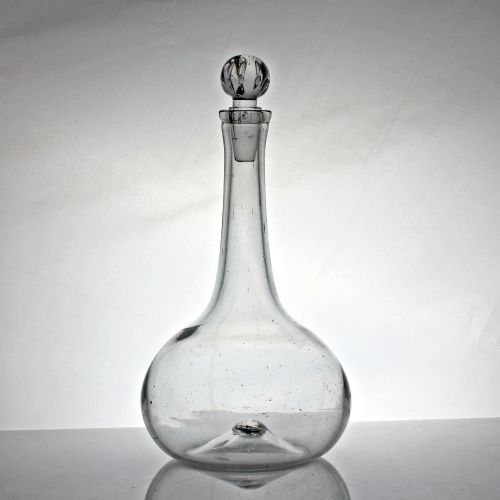
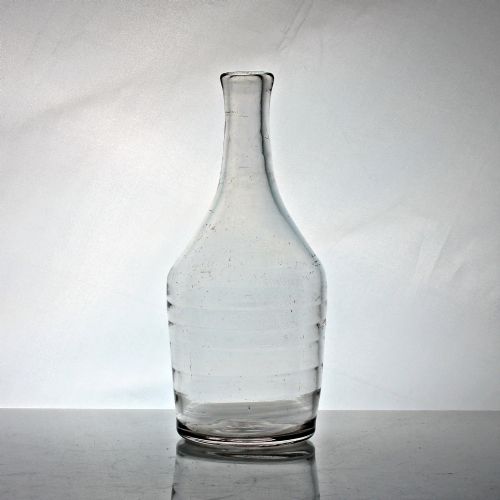
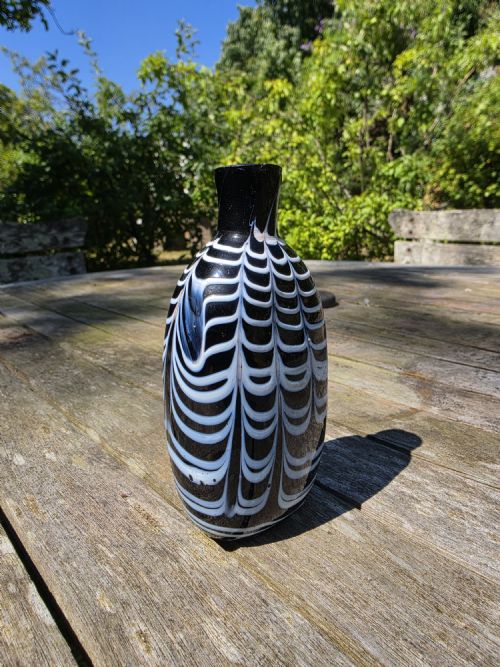
When you search for an 18th century glass bottle, you are looking at hand-blown vessels designed for storing and serving wine, spirits, or medicinal liquids. The selection ranges from robust utilitarian wine bottles in dark green, amber, or black glass to decorative flasks and decanters.
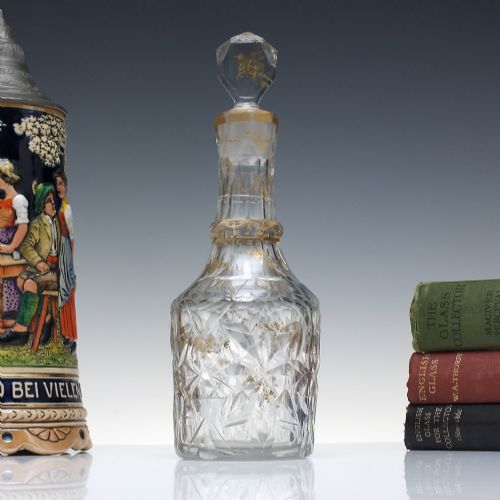
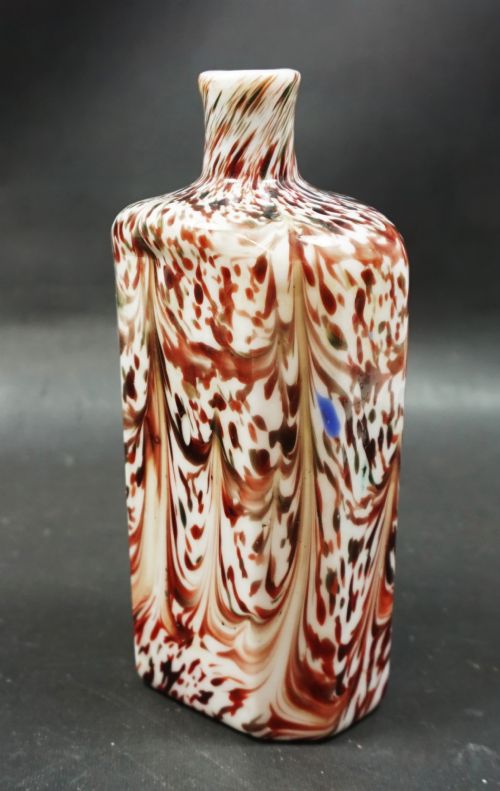
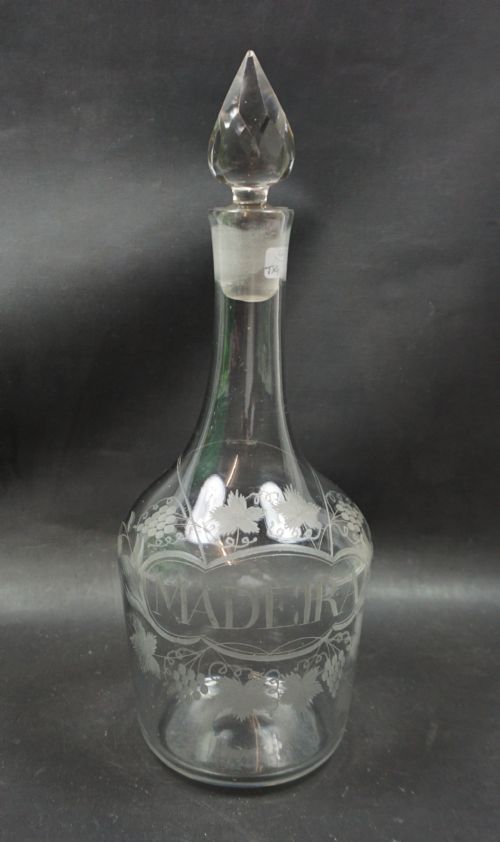
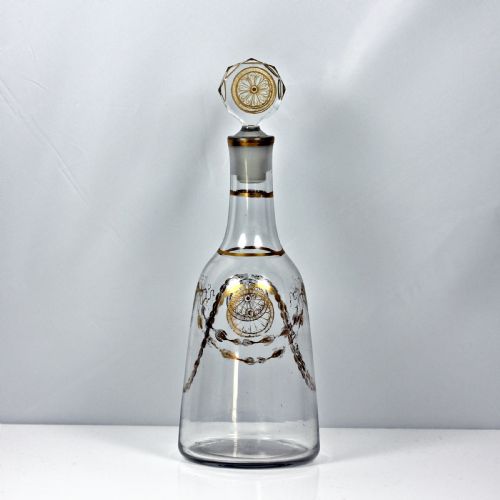
You are most likely to meet sturdy green glass wine bottles shaped as onions, mallets, or cylinders, alongside finer Bohemian and European enamel-decorated flasks or crystal carafes. These objects bridge the gap between everyday domestic utility and cabinet display.
The periods represented span from the early seventeen hundreds through the Georgian era up to around eighteen hundred. Continental European and English origins predominate, showing distinct regional differences in weight, hue, and intended use.
Materials and Manufacture
Vessels are formed from blown glass, utilising materials such as lead crystal, dark green glass, milk glass, and opaline glass. Artisans often incorporated coloured glass frit, enamel, and polychrome detailing to adorn decorative flasks and carafes.
The shaping process leaves distinct physical traits, from the heavy substance of an English three-ring carafe to the iridescent surfaces acquired by buried green glass wine bottles over time.
Retail Price Guide 2026
Typical UK retail prices for 18th century glass bottle, calculated from the Sellingantiques database of over a million retail prices indexed since 2003. This retail price guide relies exclusively on Sellingantiques data; no external sources or auction records are used, so the figures do not describe the wider market.
The archive includes early onion wine bottles alongside late Georgian serving bottles and apothecary vessels.
Factors of Quality
The upper tier of these vessels is defined by the precision of the glassblower's hand and the preservation of delicate surface ornamentation, such as applied enamel work or splattered decoration on milk glass. Weight and clarity in lead crystal carafes also set superior examples apart.
Simpler utilitarian wine bottles are judged by the integrity of their pontil marks, the depth of colour in the dark green or amber metal, and the characteristic asymmetry that comes from free-blowing without a full mould.
The 18th Century Glass Bottle Glossary
- Pontil mark
- The rough scar left on the base of a vessel where the punty rod was snapped off after blowing. It serves as a primary indicator of hand-blown manufacture.
- Carafes
- Unhandled glass vessels used for serving wine or water at the table. They frequently feature heavy crystal construction and rings around the neck for a secure grip.
- Opaline glass
- A semi-opaque white glass popular in European decorative pieces during the latter half of the eighteenth century. It provides a smooth ground for painted enamel details.
- Mallet bottle
- An early form of wine bottle characterised by a cylindrical body and sloping shoulders resembling a wooden mallet. This shape dominated utility cellars through the middle decades of the period.
Frequently Asked Questions
How were these bottles used originally?
Utilitarian vessels held wine, beer, schnapps, or apothecary preparations in domestic cellars and taverns. Finer decanters and enamelled flasks served spirits and cordials directly at the dining table.
Over time, many sturdy wine bottles ended up buried in privy pits or cellars, while decorative tablewares were preserved in cabinets by collectors.
How do I date an old bottle?
Dating relies on observing changes in form, such as the transition from squat onion shapes to elongated cylinder wine bottles across the century. Metal colour, neck rings, and pontil characteristics also help narrow the decade of production.
Comparing the piece against documented examples from English, Bohemian, and continental workshops confirms the likely period.
How should I display them at home?
Place them on deep windowsills where natural light can pass through the dark green, amber, or coloured glass. Grouping utilitarian wine bottles with finer milk glass flasks creates a striking textural contrast.
Ensure shelves are sturdy enough to support heavier lead crystal carafes and thick-walled serving bottles.
What is the difference between a flask and a decanter?
Flasks are typically smaller, portable containers often featuring decorative enamel work, opaline surfaces, or splattered glass patterns intended for personal spirits. Decanters are larger table vessels designed to hold and aerate wine before pouring.
Decanters often display heavier crystal bodies and distinct neck rings for handling, whereas flasks prioritize decorative or pocket-sized utility.