


Hand Blown Glass Bottle
These hand blown glass bottle examples offer tangible history, shaped by centuries of glassmaking skill and ready to enrich any room.
What these hand blown glass bottle pieces are
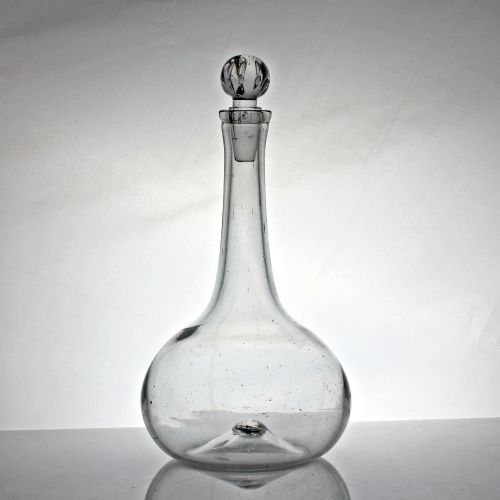
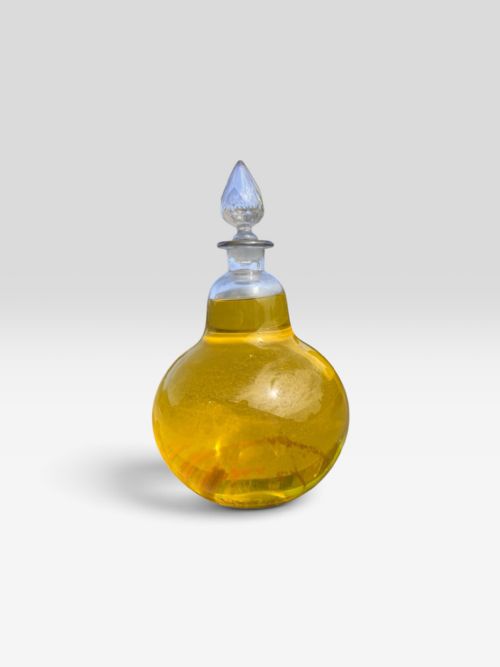
When you search for hand blown glass bottle, you encounter vessels that served practical purposes in kitchens, pharmacies, and cellars before becoming display items. The examples seen here range from utilitarian storage jars and serving containers to decorative pieces spanning the Georgian, Victorian, and 19th-century periods.
The most common forms on this page include serving bottles, decanters, apothecary jars, pickling jars, and large demijohns or carboys. Origins span English and French traditions, reflecting both domestic household use and commercial trade during the 18th and 19th centuries.
Vessels such as the 18th-century cylinder wine bottles and Calvados bottles show the sturdy proportions required for ageing and transporting spirits. Meanwhile, pharmacy carboys and Bristol blue decanters demonstrate how functional glass transitioned into more decorative domestic objects.
How they were made
Makers utilised traditional free-blowing and mould-blowing techniques using glass, hand-blown glass, cranberry glass, dark green glass, and olive glass. The molten material was gathered on a blowpipe and shaped by hand, resulting in organic irregularities and individual character on every piece.
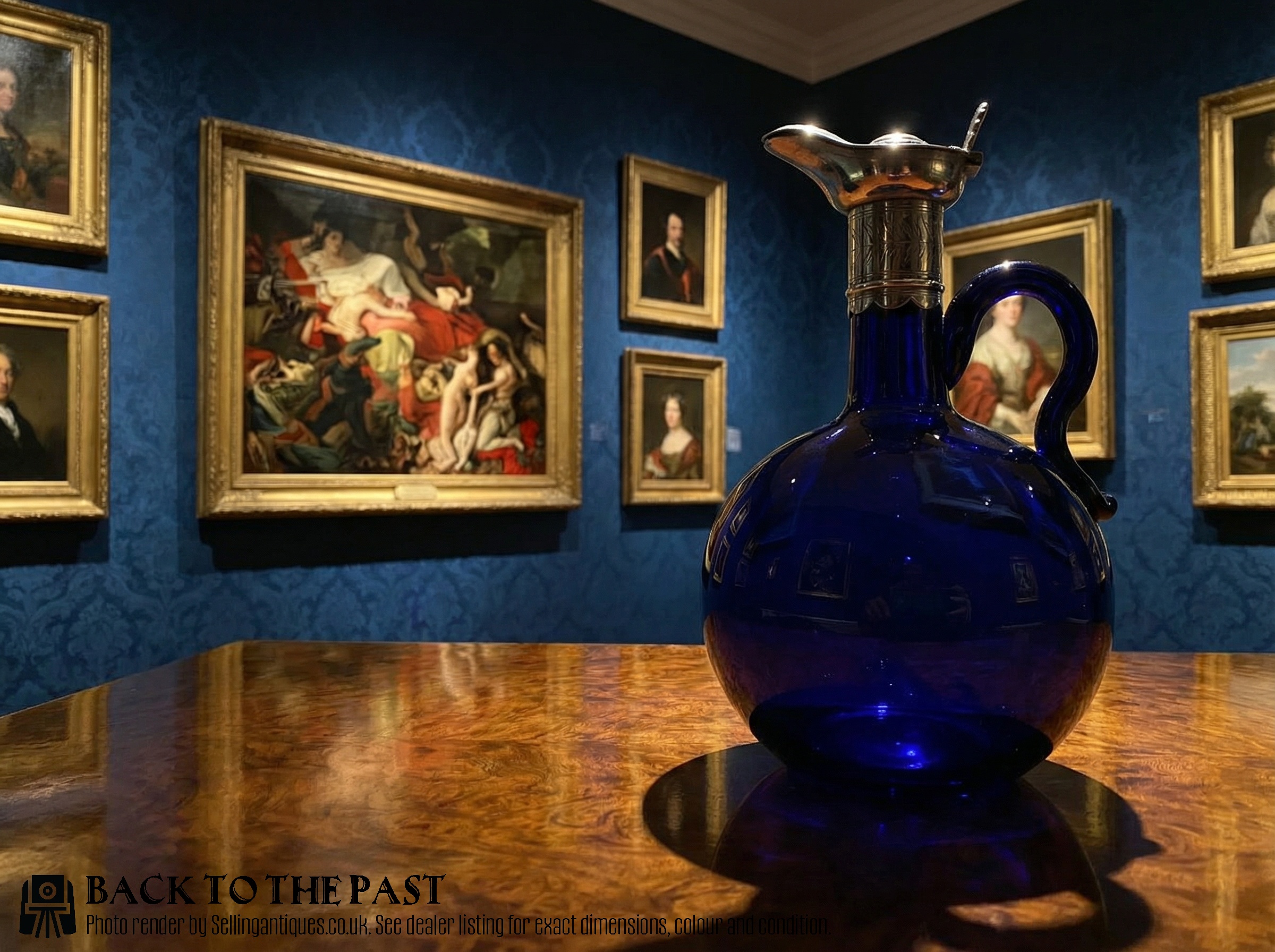
Specific finishes involved applying silver plate mounts to functional bodies or working rich colour directly into the molten batch, as seen in Bristol blue examples. Surface traits like iridescence developed naturally over centuries of burial or chemical interaction within the glass matrix.
Retail Price Guide 2026
Typical UK retail prices for hand blown glass bottle, calculated from the Sellingantiques database of over a million retail prices indexed since 2003. This retail price guide relies exclusively on Sellingantiques data; no external sources or auction records are used, so the figures do not describe the wider market.
Some bottles carry centuries-old liquid memories, having stored everything from French Calvados to medicinal tonics.
What varies in quality
The distinction between ordinary and superior examples rests on the harmony of proportion, depth of colour, and the purity of the metal. Heavier, thicker walls on carboys and demijohns indicate robust utility, whereas delicate handling distinguishes fine decanters and scent bottles.
Surface effects such as natural iridescence or deep coloration in cranberry and olive glass elevate a piece beyond standard utilitarian ware. The presence of original fitted elements, such as silver plate collars, further separates standard containers from finer collector pieces.
The Hand Blown Glass Bottle Glossary
- Carboy
- A large, bulbous glass bottle with a narrow neck, traditionally used for holding liquids or chemicals.
- Demijohn
- A large, narrow-necked glass vessel enclosed in a wicker basket or left bare, built for storing wine or spirits.
- Cranberry Glass
- A rich red transparent glass coloured with gold chloride, popular during the Victorian period.
- Pontil Mark
- The rough scar left on the base of a vessel where the punty rod was snapped off after blowing.
Frequently Asked Questions
What were hand blown glass bottles used for?
These vessels served diverse functions ranging from storing wines and spirits in cellars to holding preserves, pickles, and medicines in domestic or apothecary settings.
Larger formats like carboys and demijohns managed bulk liquids, while smaller decanters and serving bottles brought contents directly to the dining table.
How can I date an old glass bottle?
Dating relies on observing manufacturing traits such as pontil marks, tool marks, and the presence of natural bubbles or impurities within the glass. Context clues like specific colour palettes, including olive green or Bristol blue, alongside stylistic proportions help align pieces with Georgian or Victorian eras.
Are these bottles safe to use for liquids today?
While many historical vessels remain structurally sound, centuries of use and internal residue mean they suit decorative display better than modern culinary service.
Careful cleaning is necessary if holding water or flowers, as old glass can be sensitive to rapid temperature changes.
How do I display carboys and demijohns?
Their substantial size and organic silhouettes make large carboys effective as floor-standing decor or focal points near windows where light catches the tinted glass.
Smaller serving bottles and decanters look best grouped on open shelving or mantels to highlight variations in colour and form.