
19th Century Glass Bottle
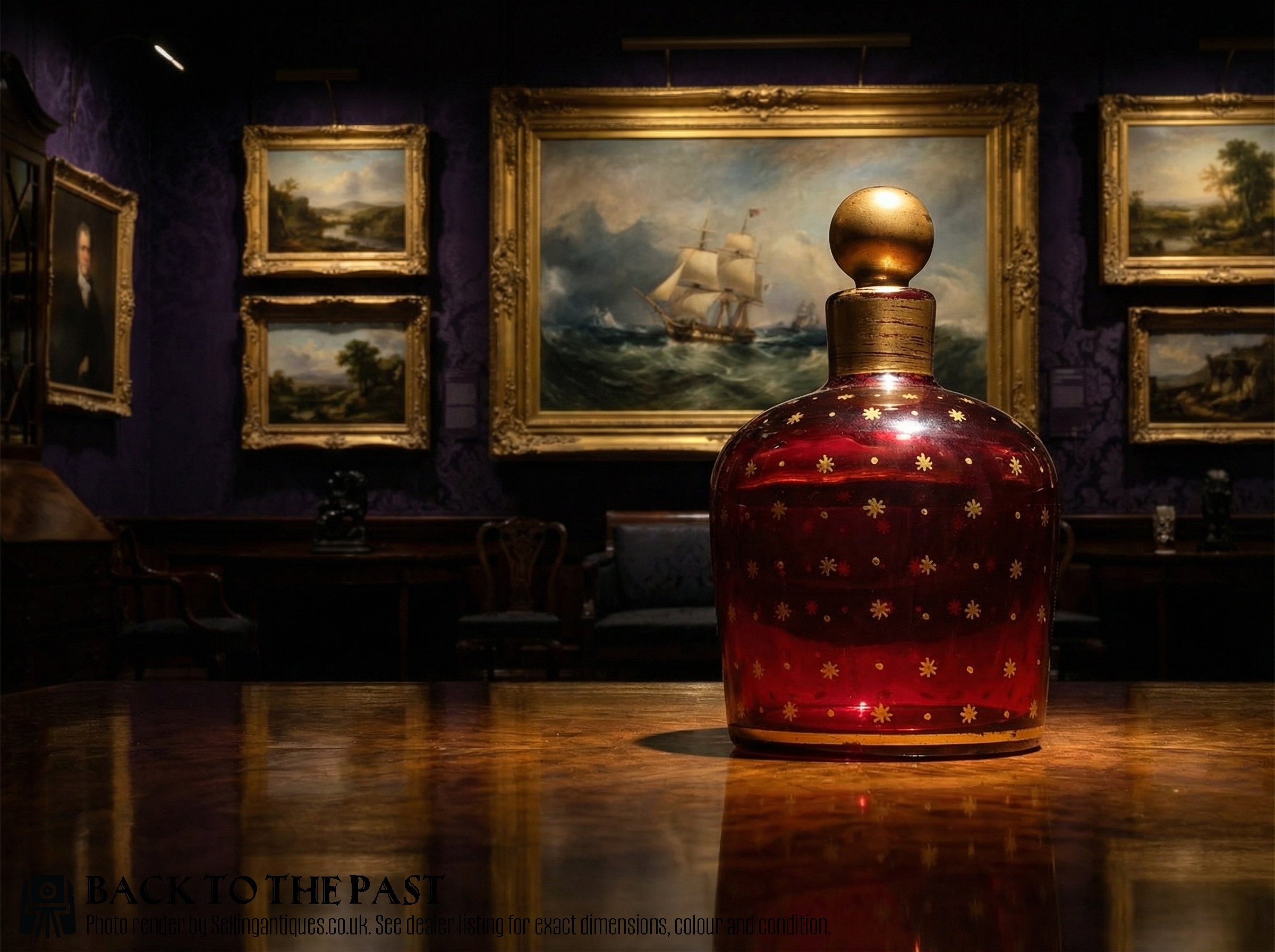
A 19th century glass bottle brings weight, rich colour and utility to a room through centuries of skilled handiwork.
Defining the 19th century glass bottle
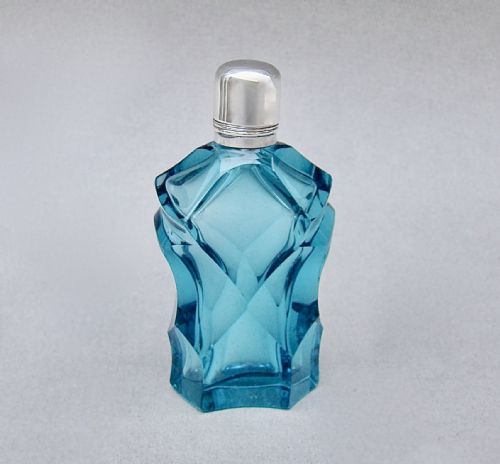
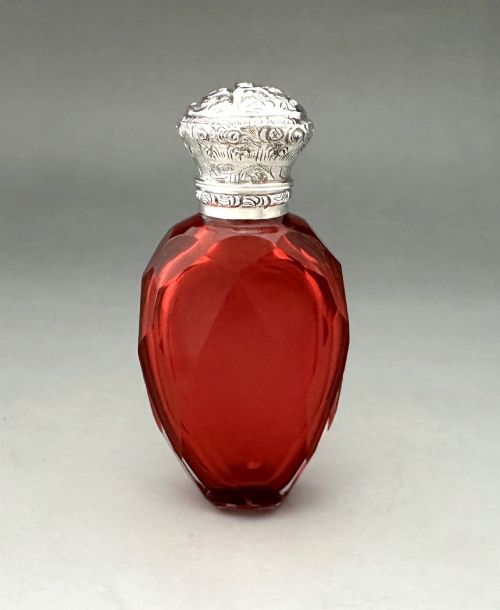
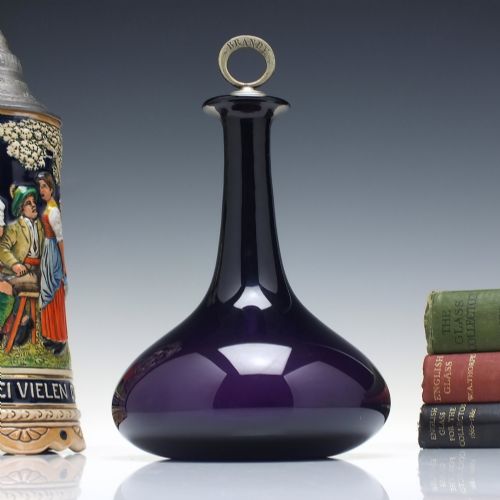
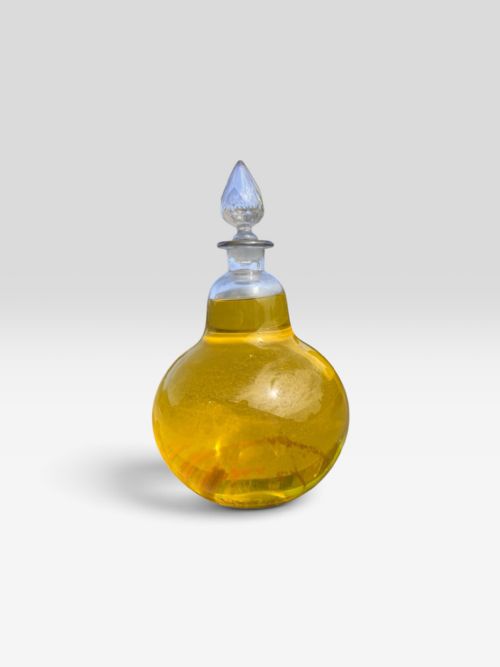
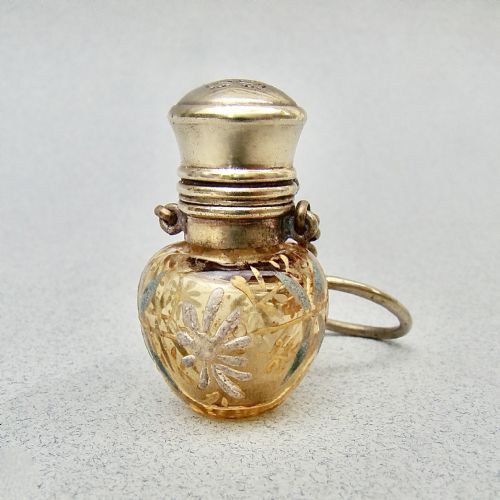
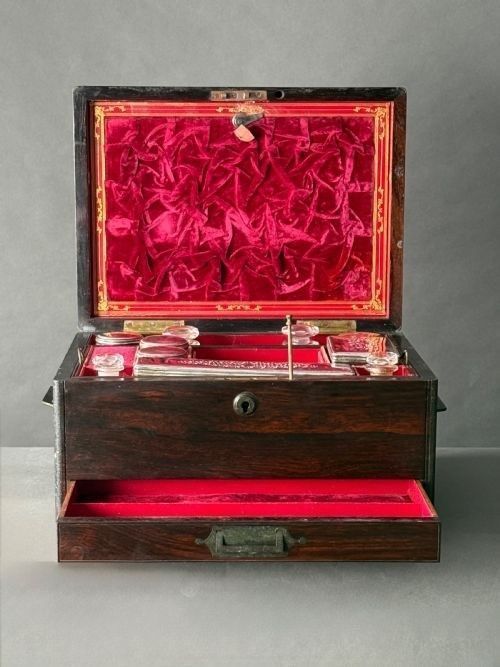
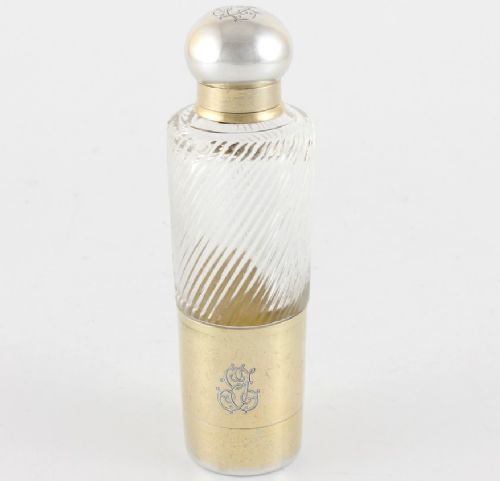
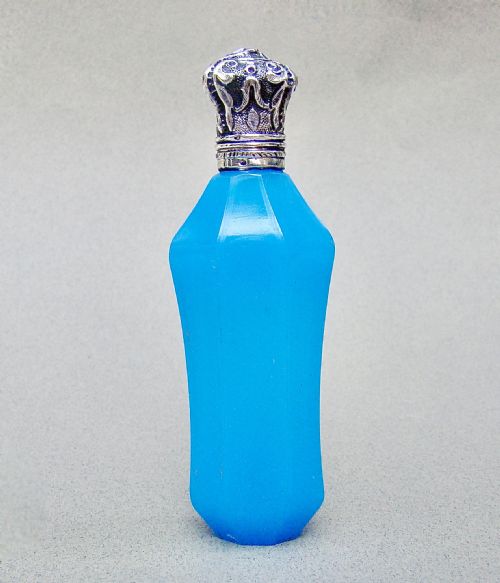
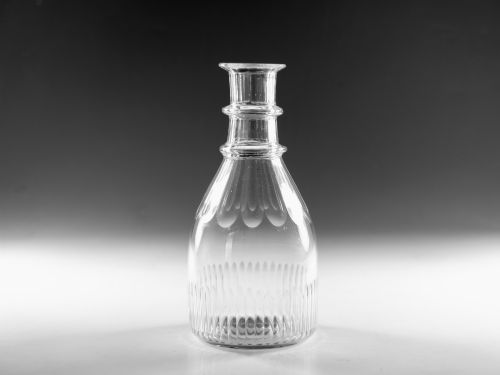
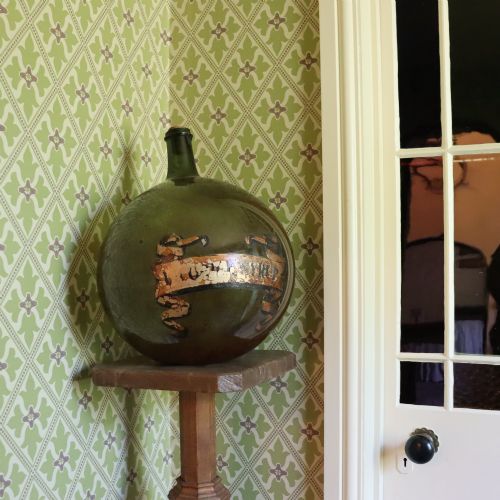
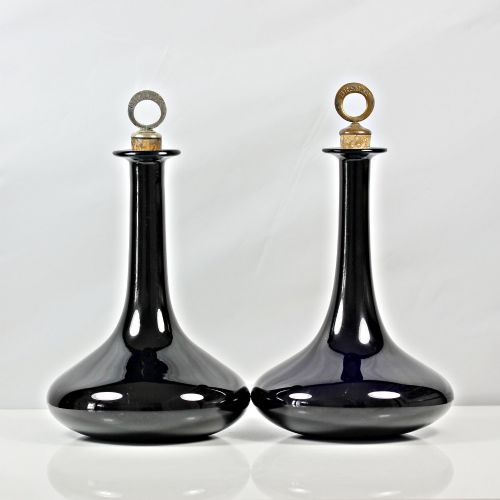
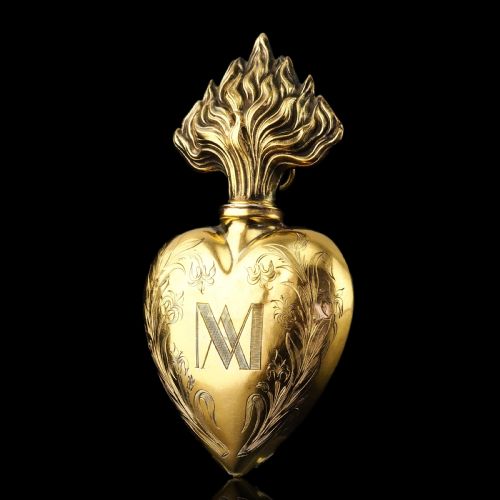
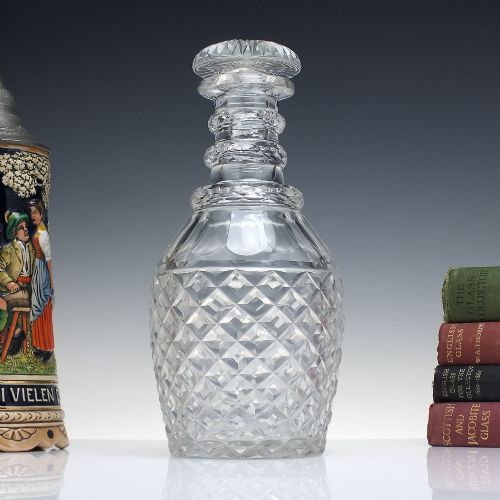
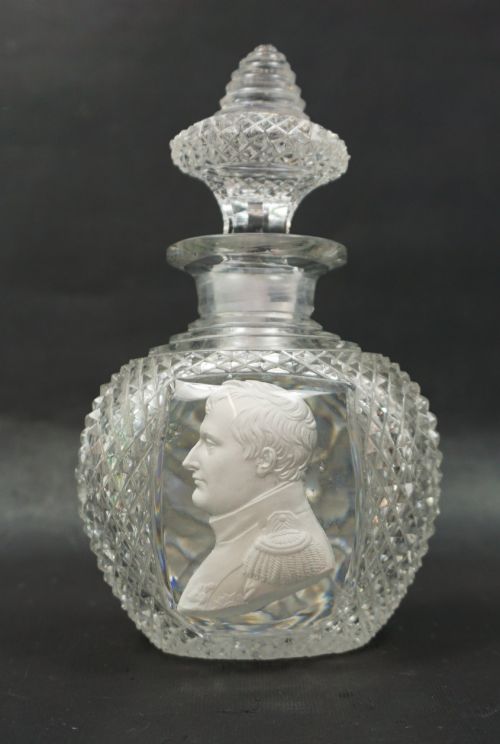
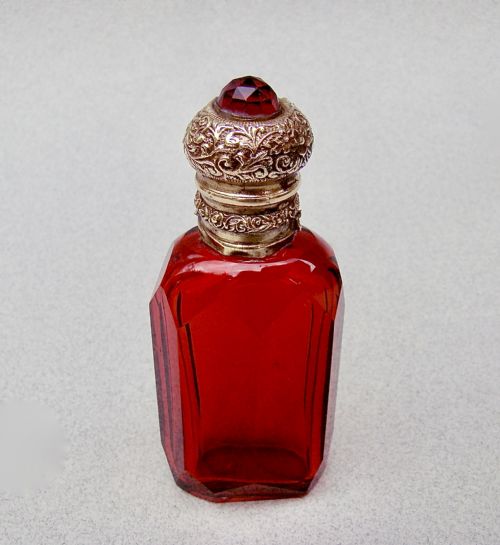
A 19th century glass bottle encompasses diverse forms used for serving, scent and display across Georgian and Victorian periods. The selection on this page ranges from robust serving decanters to delicate pocket flasks and perfume bottles.
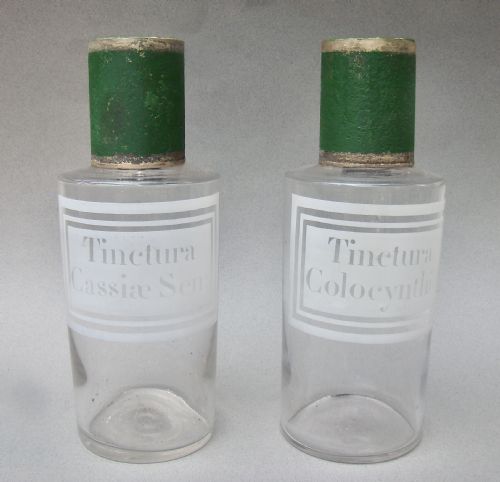
Makers across England, France, Venice and Bohemia shaped these vessels for daily dining, apothecary use and vanity tables. Buyers will encounter serving bottles alongside decorative flasks in shades of cobalt, cranberry, amethyst and clear lead glass.
The utility of these vessels matched their aesthetic appeal, functioning variously as spirit decanters, whiskey containers and cologne bottles. Surviving examples demonstrate the domestic and personal habits of the era.
Craft and material
Glassmakers utilised traditional techniques including free blowing, mould blowing and heavy cutting to form lead and potash glass. Molten material took shape through iron blowpipes before workers applied handles, collars and bases.
Decoration involved surface manipulation such as ribbing, wrythen twisting and latticino work, alongside applied gold leaf, enamel painting and silver mounts. Engraving and wheel cutting produced facets and patterns that caught ambient light.
Retail Price Guide 2026
Typical UK retail prices for 19th century glass bottle, calculated from the Sellingantiques database of over a million retail prices indexed since 2003. This retail price guide relies exclusively on Sellingantiques data; no external sources or auction records are used, so the figures do not describe the wider market.
Some Victorian pocket flasks assumed a bellows shape, perfect for a discreet dram of spirits on a carriage ride.
Distinctions in standard
Quality rests upon the clarity and weight of the metal, the precision of the hand-cutting and the finesse of any applied enamel or metalwork. Heavier lead glass carries a deeper ring and sharper refractive qualities than ordinary soda glass.
Design execution separates standard utility wares from exhibition pieces, visible in the symmetry of wrythen twists, the crispness of wheel engraving and the secure integration of silver or gilt mounts.
Richardsons·Moser
The 19th Century Glass Bottle Glossary
- Decanter
- A vessel designed for holding and serving wine or spirits at table, usually fitted with a stopper. These often feature heavy cut crystal or moulded panels.
- Wrythen
- A spiral moulding technique applied while the glass is hot, creating a twisted rib pattern around the body of the bottle. This imparts dynamic movement to the profile.
- Lithyalin
- An opaque, marbled glass developed in Bohemia that imitates hardstones like jasper or agate. It presents complex multi-coloured surfaces.
- Mell
- A specific nineteenth-century decanter shape with a tapered body and broad shoulders. It is frequently associated with Irish whiskey service.
- Latticino
- An Italian technique incorporating fine white or coloured glass threads within clear glass. It produces intricate lace-like patterns across the vessel.
Frequently Asked Questions
How do I clean an old bottle?
Wash gently in warm soapy water using a soft bottle brush without abrasive pads.
Avoid soaking silver mounts or gilded surfaces to preserve the original finish.
Were these used for wine or perfume?
Both functions were common depending on the size and shape of the vessel.
Large heavy vessels served spirits at the table while smaller flasks held scent.
Can I use these decanters today?
Many serving bottles remain entirely suitable for holding and pouring drinks.
Check the interior for residue and ensure stoppers fit securely before use.
How to tell Georgian from Victorian pieces?
Georgian items often display heavier pontil marks and deep cobalt or amethyst tones.
Victorian pieces frequently incorporate brighter colours like cranberry alongside mechanical press-moulding.