
Antique Glass Wine Bottle
An antique glass wine bottle brings centuries of craftsmanship to the table, offering a tangible connection to historical dining traditions.
Antique Glass Wine Bottle
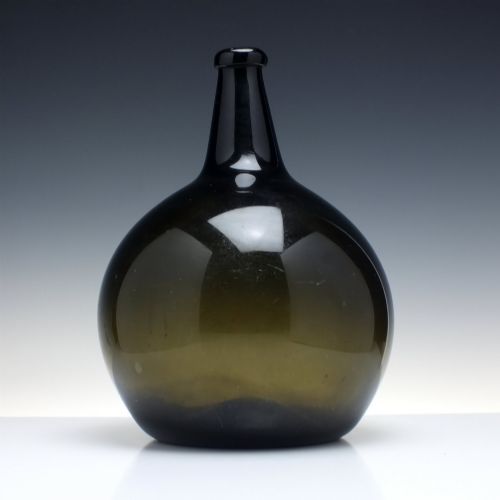
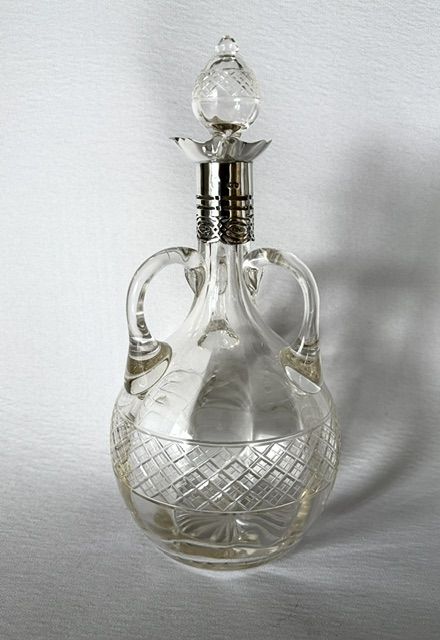
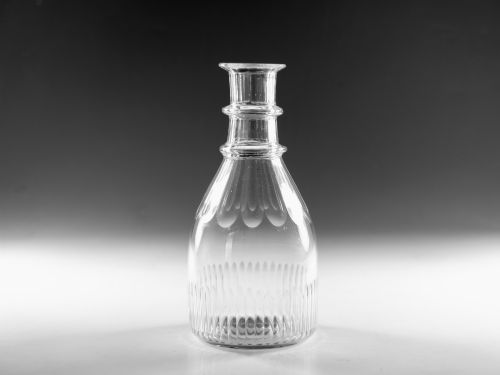
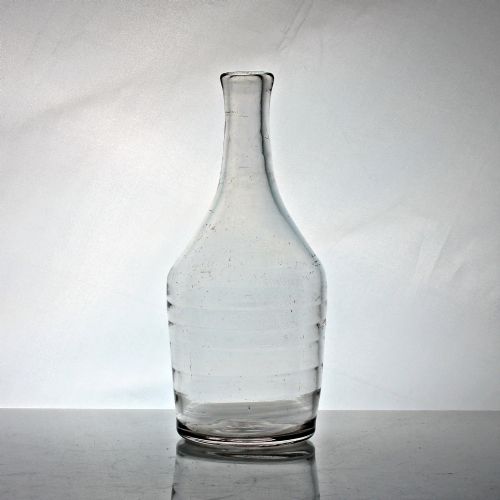
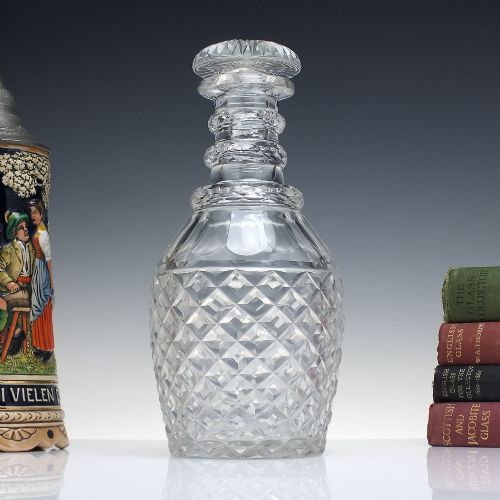
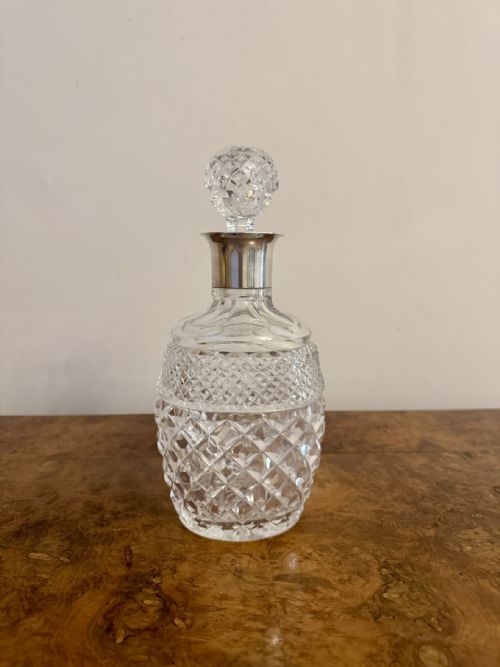
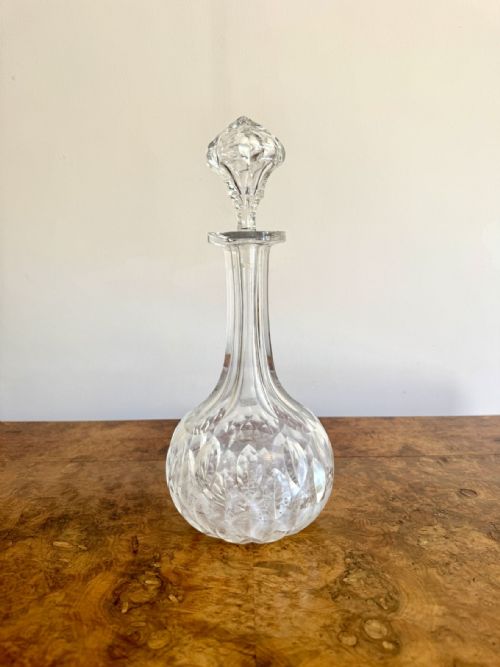
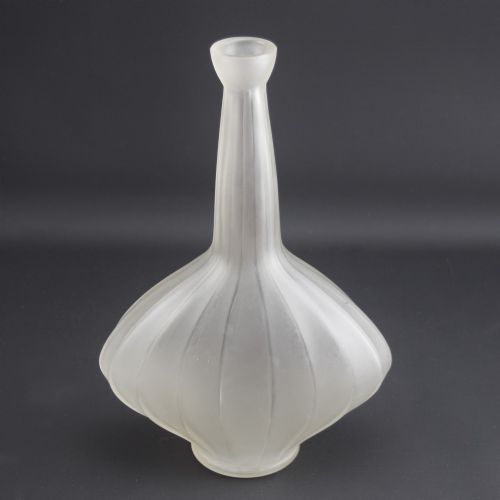
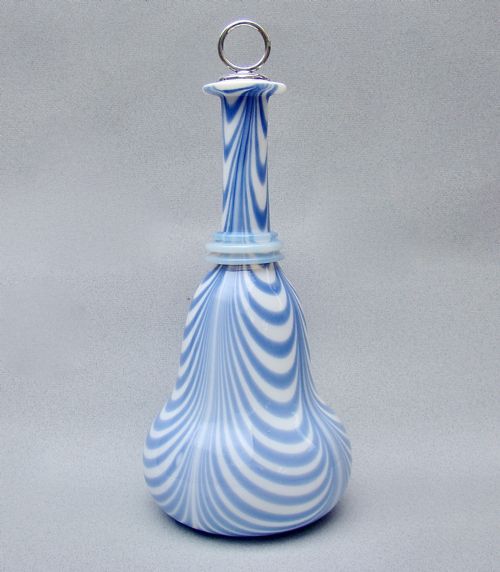
When searching for an antique glass wine bottle, buyers encounter a diverse selection of decanters, carafes, and serving vessels spanning the Georgian, Victorian, and Edwardian eras. These pieces range from early mallet-shaped vessels and sealed wine bottles to later cut crystal decanters outfitted with silver collars.
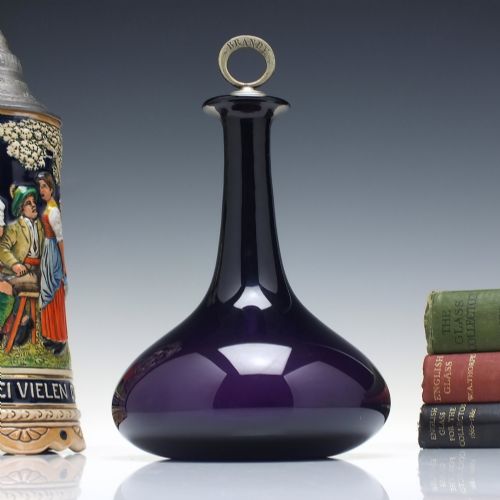
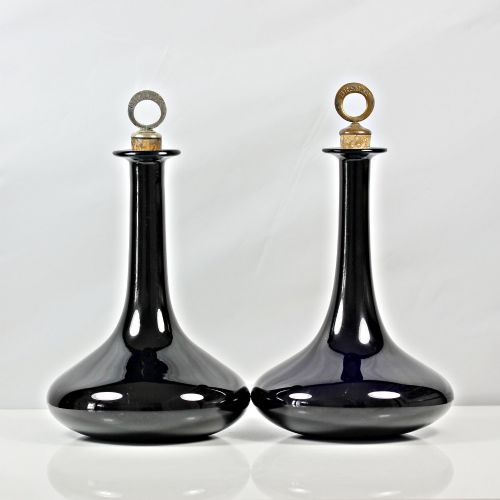
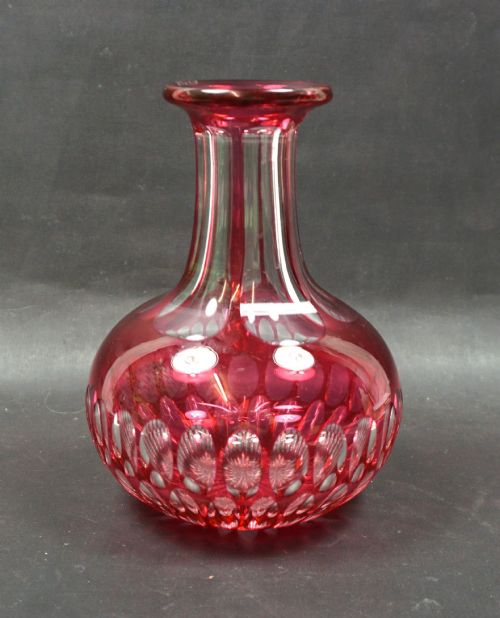
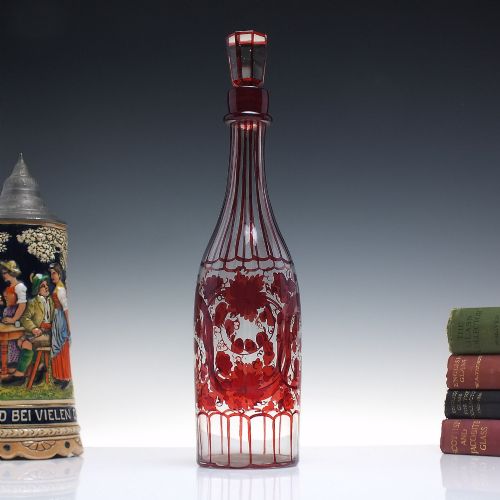
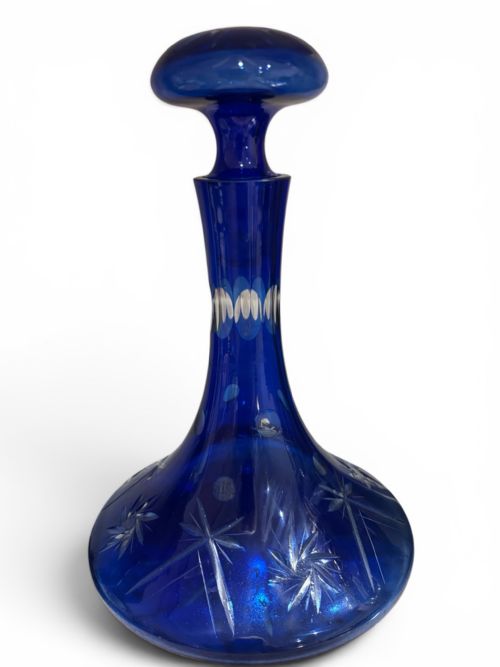
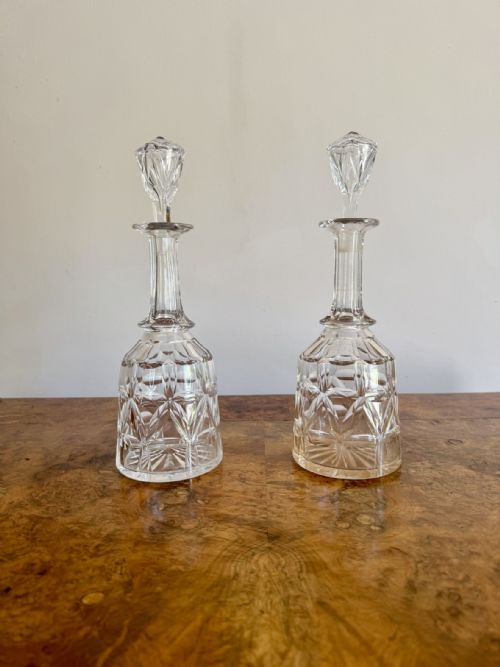
The version most commonly met on this page is the 19th-century or Edwardian cut glass decanter, often paired with matching stoppers and occasionally featuring engraved spirit labels or silver plate mounts. Alongside these, collectors find coloured glass examples in shades of cranberry, amethyst, and Bristol blue.
Originating predominantly from English and Bohemian workshops, these vessels served practical roles at the dining table for decanting and serving wine. Their surviving forms reflect changing domestic habits across the eighteenth, nineteenth, and early twentieth centuries.
Materials and Techniques
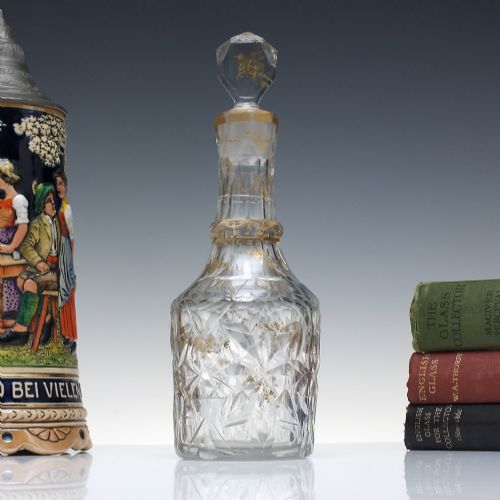
Makers utilised lead crystal and clear glass, shaping vessels through free-blowing, mould-blowing, or optical blowing before applying decorative techniques such as wheel-cutting and hand-painting. Heavy lead crystal provided the necessary weight and clarity for deep geometric cutting, while specialised glass batches yielded rich cranberry and cobalt hues.
Many pieces incorporate metal elements, including silver plate collars and Old Sheffield Plate mounts, alongside gilded embellishments applied by skilled ateliers. Engraving and enamel work further individualized the vessels, as seen in pieces decorated with named spirit labels or delicate floral motifs.
Antique Glass Wine Bottle Retail Price Guide 2026
Typical asking prices for glass wine bottle among the pieces listed under this phrase on Sellingantiques today, from the lower quarter to the upper quarter. They describe what is for sale here now, not the wider market.
Early glassmakers occasionally applied whimsical glass seals bearing personal initials to wine bottles, ensuring nobody else at the dinner table claimed the contents.
Design and Execution
Quality rests in the crispness of the cutting, the weight and purity of the metal content in lead crystal, and the proportional harmony of the body and neck. Superior examples display sharply defined facets and well-balanced forms without optical distortion in the glass.
The presence of matching original stoppers, refined engraving, and documented atelier work, such as pieces associated with James Giles or Stevens & Williams, elevates an object. Finer items also show superior handling of coloured glass layers, particularly in flash-crunched or over-crystal pieces.
James Giles·Stevens & Williams·James Powell
The Antique Glass Wine Bottle Glossary
- Decanter
- A vessel used for holding and serving wine, typically fitted with a stopper. These bottles allow wine to breathe and separate sediment from the liquid.
- Lead Crystal
- Glass containing a high percentage of lead oxide, which increases brilliance, weight, and suitability for deep cutting. This material characterises many finer Georgian and Victorian pieces.
- Lynn Ring
- Applied glass ridges encircling the neck of a decanter or carafe. They provide a secure grip for the hand during pouring.
- Mell Decanter
- A decanter with a heavy, rounded body and a tapering neck, often associated with nineteenth-century forms. The shape provides stability on the dining table.
- Seal Bottle
- A heavy glass bottle impressed with a personal or estate glass seal, commonly found on eighteenth-century examples. These seals often bear initials or family crests.
Antique Glass Wine Bottle: Frequently Asked Questions
How do I date an old wine bottle?
Dating relies on observing manufacturing marks, pontil scars, body shape, and stylistic indicators such as cut glass patterns or silver mounts. Earlier eighteenth-century bottles often display mallet forms and deep pontil marks, while Victorian and Edwardian examples show machine-polished bases and standardised collars.
Comparing the vessel against documented periods like the Georgian era or the Arts and Crafts movement helps narrow the timeline. Examining any engraved labels or accompanying stoppers provides further contextual clues regarding the date of manufacture.
Are these old bottles safe to use?
Most antique decanters and serving bottles can be utilised for serving wine today, provided they are thoroughly cleaned and inspected for internal residue. Lead crystal pieces should not store liquids for extended periods, but brief use during dining is standard practice among collectors.
Gentle hand washing with warm water and specialised cleaning beads preserves the interior without scratching the historic glass. Avoid sudden temperature changes to protect the fragile material from thermal shock.
What is the difference between a decanter and a carafe?
Decanters traditionally feature a fitted glass stopper designed to seal the contents, whereas carafes are open-topped vessels meant for immediate table service. Decanters often display heavier cut crystal or engraved decoration suited for spirits and aged wines.
Carafes tend to have simpler, sleeker profiles intended for water or young table wines. Both forms appear frequently across the Victorian and Edwardian listings.
How should I display my antique glass?
Displaying antique glass benefits from placement near natural light sources that highlight the clarity, colour, and geometric cutting of lead crystal and coloured varieties. Secure shelving with adequate depth ensures that heavy pieces like shoulder decanters remain stable.
Keeping the vessels away from direct, intense heat sources prevents stress on the historic material. Grouping matched pairs or varying colour runs, such as cranberry and Bristol blue, creates an engaging visual arrangement.