
19th Century Blue Glass
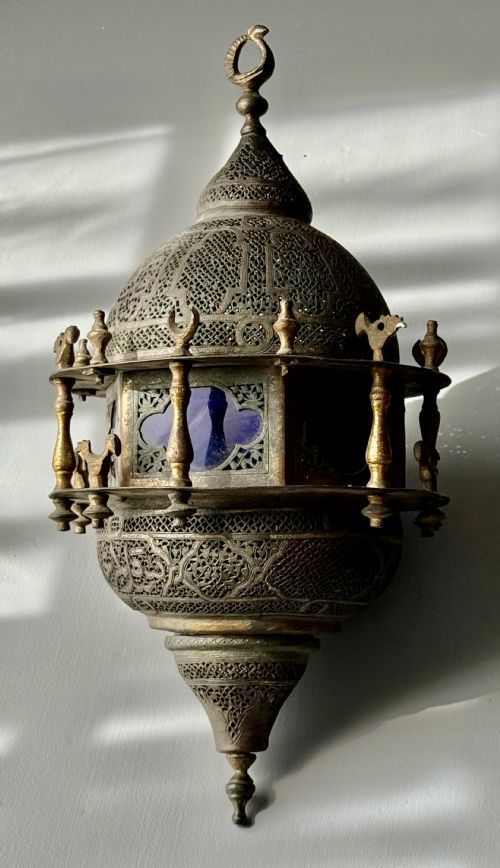
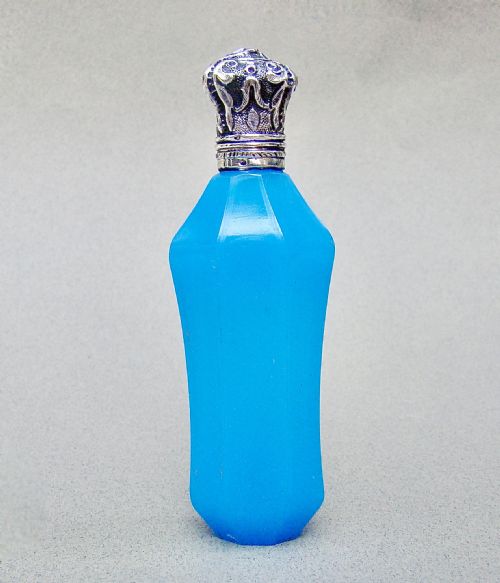
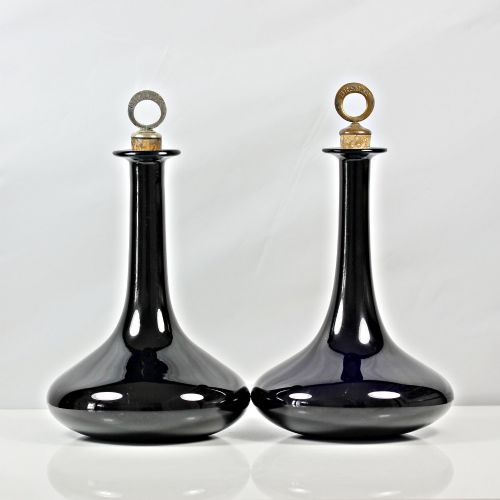
These nineteenth-century blue glass pieces bring vivid cobalt, turquoise, and Bristol hues into a room through decanters, scent bottles, and decorative vessels.
19th Century Blue Glass
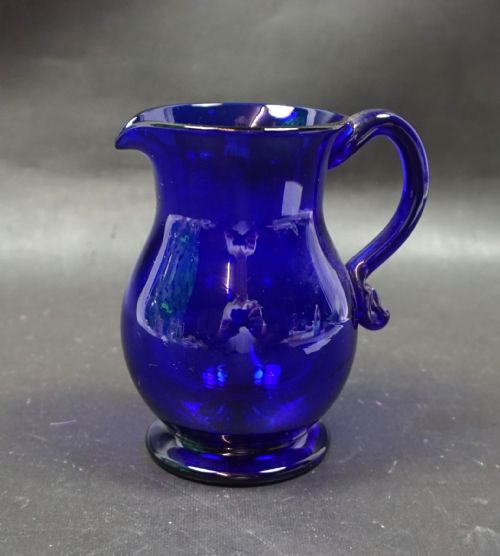
Buyers exploring nineteenth-century blue glass encounter a diverse selection of functional and decorative items originating from British, French, and Bohemian workshops. The category encompasses deeply tinted vessels designed for dining, dressing tables, and display, ranging from humble cream jugs to elaborate cased scent bottles.
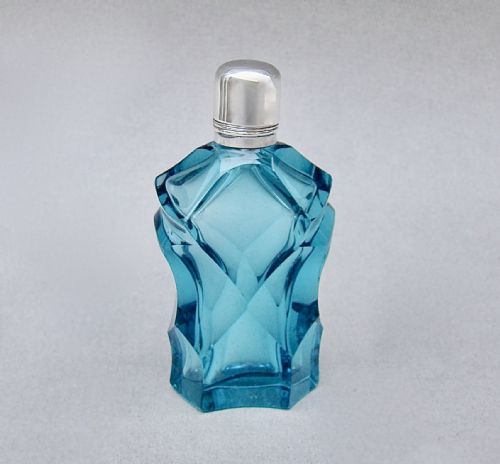
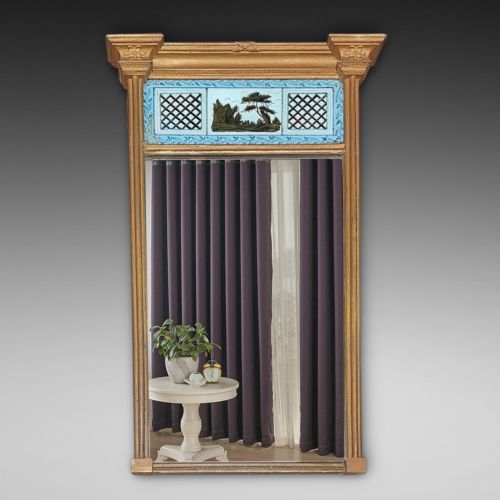
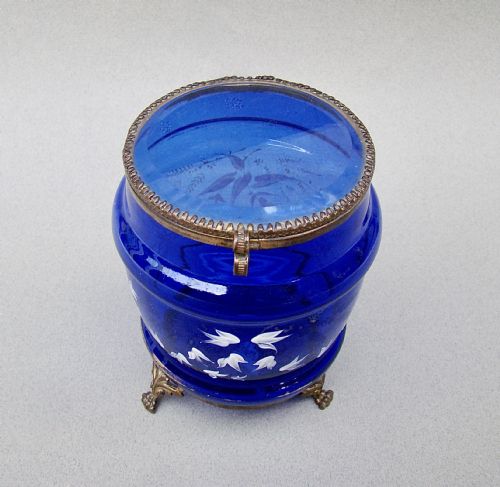
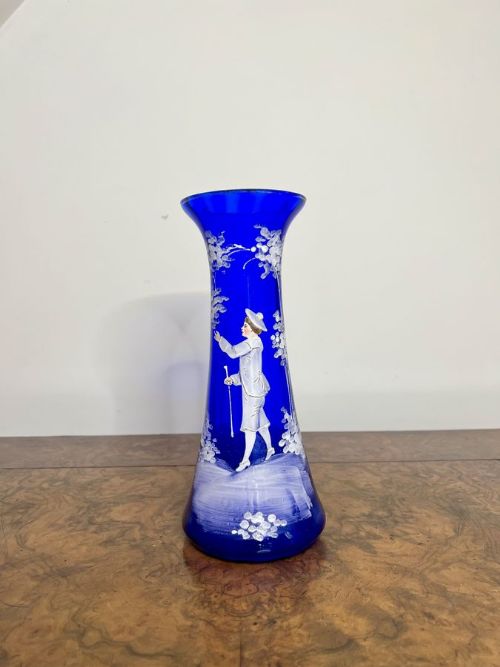
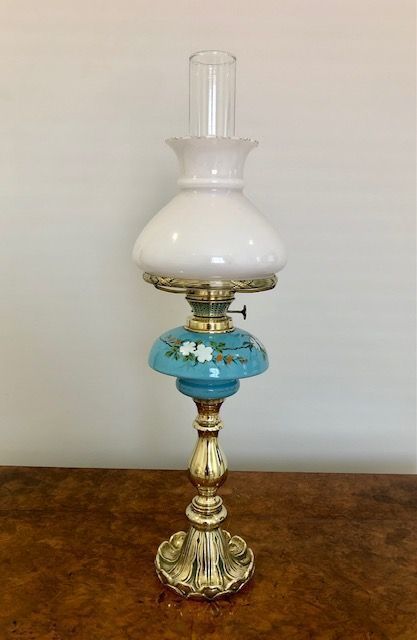
Tableware forms frequently appear as decanters, wine glasses, and finger bowls, while vanity items comprise trinket boxes, perfume flasks, and jars. Larger decorative statements take the form of mantel vases, oil lamps, and framed wall mirrors featuring blue glass elements.
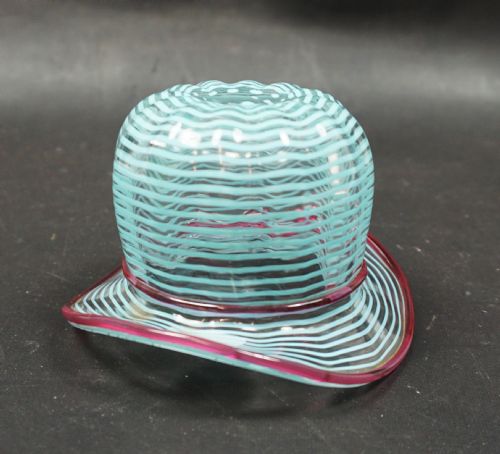
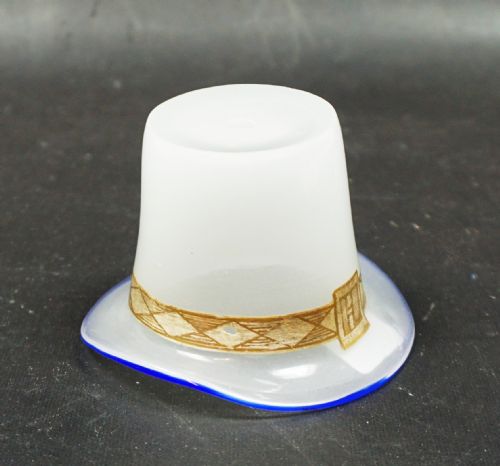
English production often highlights Bristol and Nailsea traditions, while French pieces showcase opaline glass and gilt bronze mounts. Bohemian manufacturers contribute heavily carved and cased objects, completing the primary regional styles found in this selection.
Materials and Making Techniques
Glassmakers achieved the characteristic deep coloration by introducing metallic oxides, principally cobalt, into the molten batch during manufacturing. Molten metal was then hand-blown into moulds or free-blown, frequently utilising pontil marks on the base to indicate the detachment of the iron rod.
Surface ornamentation involved multiple specialised techniques including wheel-cutting, enamel painting, and gold gilding. Overlay vessels were constructed by fusing multiple layers of glass together before cutting away the outer stratum to reveal contrasting colours beneath.
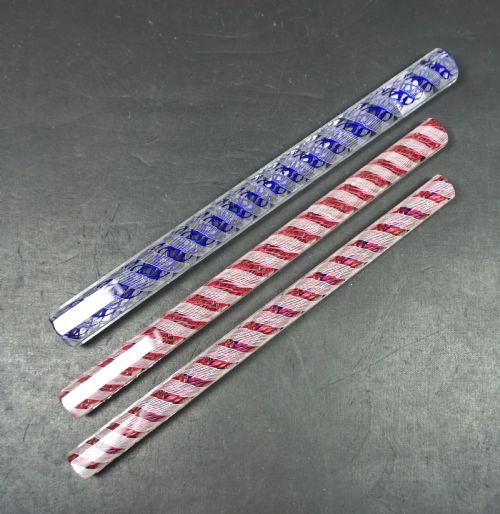
Many portable items required supplementary housing, combining the blue glass body with fitted mounts in brass, silver, or ormolu. Glass canes and trailed threads were also applied while hot to create contrasting rims and decorative patterns such as loops and latticinio work.
What Varies in Quality
Excellence in these objects rests upon the depth and uniformity of the glass colour, alongside the crispness of any wheel-cut or engraved detailing. Superior execution shows clean facet cutting with sharp edges and well-balanced proportions that respect the natural weight of the material.
The refinement of secondary mounts significantly influences overall standard, distinguishing simple utilitarian items from luxury pieces intended for wealthy patrons. Intricate chased ormolu frames, hallmarked silver collars, and hand-painted enamel flowers executed with precision elevate the stature of an individual piece.
FRANCHINI & BIGAGLIA·Baccarat·St. Louis
The 19th Century Blue Glass Glossary
- Bristol Blue
- A deep cobalt-blue glass traditionally associated with the West Country of England, though widely produced across Britain and Europe during the period.
- Opaline Glass
- An opaque or semi-translucent glass developed in pastel shades of blue, turquoise, and white, frequently decorated with gilding and enamel.
- Pontil Mark
- The rough scar left on the underside of a hand-blown glass object where the pontil rod was snapped off after shaping.
- Cased Glass
- Glass made by fusing two or more distinct layers of different colours together, allowing artisans to cut away sections to create contrast.
- Mell Decanter
- A specific nineteenth-century bottle shape featuring a wide shoulder tapering down to a flat base, commonly used for serving wine or spirits.
19th Century Blue Glass: Frequently Asked Questions
What is Bristol blue glass?
Bristol blue is a deeply saturated cobalt-tinted glass historically produced in English manufacturing centres. It gained renown through table decanters, wine glasses, and apothecary jars.
While originally linked to Bristol, similar rich cobalt formulations were made across Britain and Europe throughout the nineteenth century.
How can I tell French opaline glass apart?
French opaline glass is distinguished by its dense, translucent pastel body and frequent pairing with gilt bronze or ormolu mounts. These pieces often take the form of vanity jars and perfume bottles.
English equivalents often emphasise rich transparent cobalt or Nailsea trailing, whereas French opaline leans towards softer turquoise and white tones with painted floral enamel.
Were these decanters meant for daily use?
Nineteenth-century decanters and serving bottles were manufactured for functional dining service, intended to hold wine, spirits, or water on the table. Their robust lead-glass construction suited active household employment.
Over generations, many transitioned into decorative display items, particularly those featuring delicate gilding or hand-painted enamel that benefits from careful handling.