

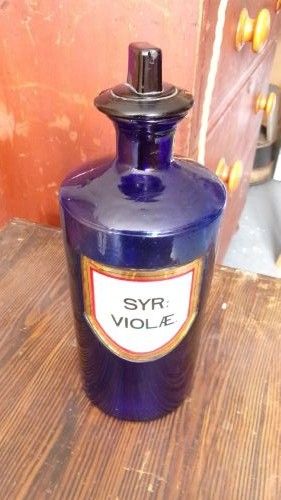


Victorian Bristol Blue Glass
These rich cobalt pieces of victorian bristol blue glass bring deep colour and nineteenth-century character to any room.
Victorian Bristol Blue Glass
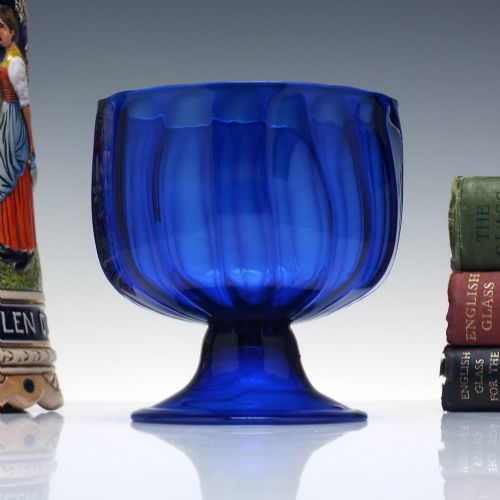
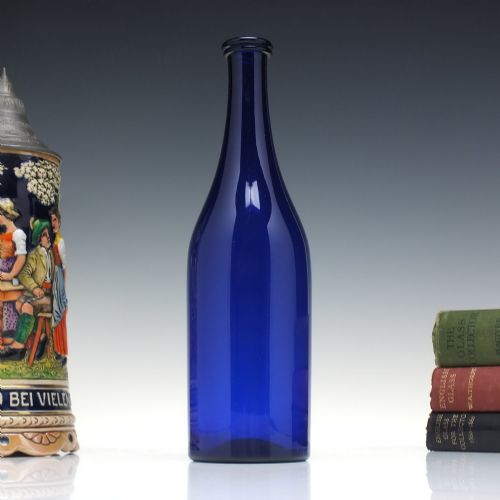
When you search for victorian bristol blue glass, you encounter a striking variety of vessels spanning decanters, apothecary bottles, sugar bowls, and trinket boxes. These items date primarily from the nineteenth century, including specific pieces from the Victorian and William IV eras.
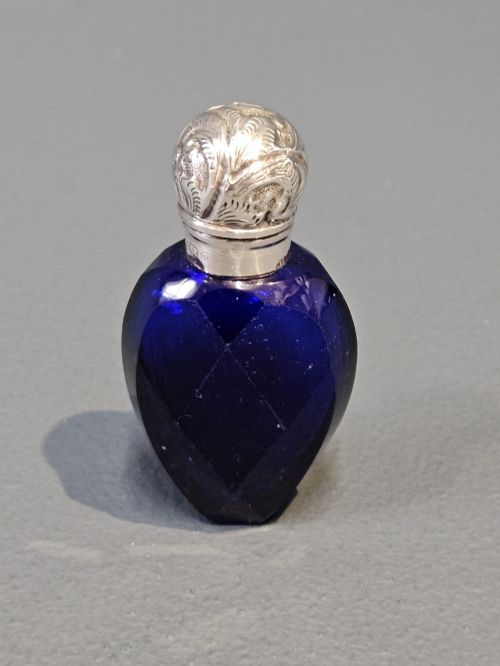
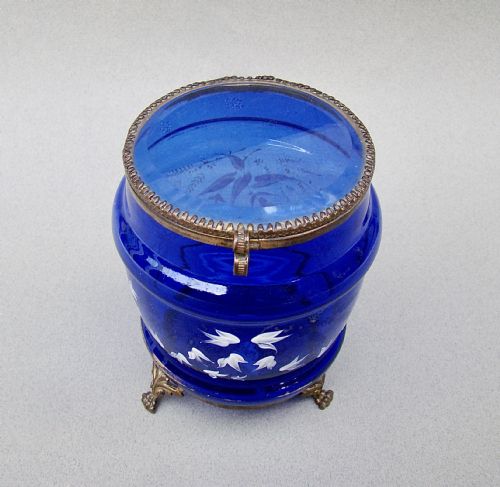
The objects on this page range from utilitarian pharmacy containers like chemist bottles and spittoons to decorative dressing table jars and scent bottles with silver tops. Many of these items reflect English craftsmanship, alongside 19th-century French mounts and enamelling.
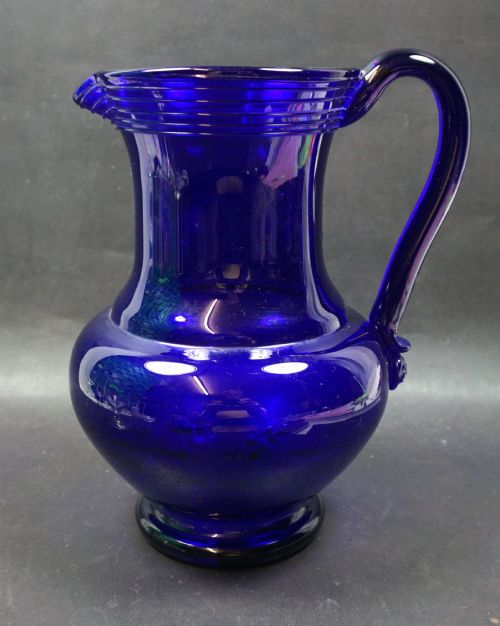
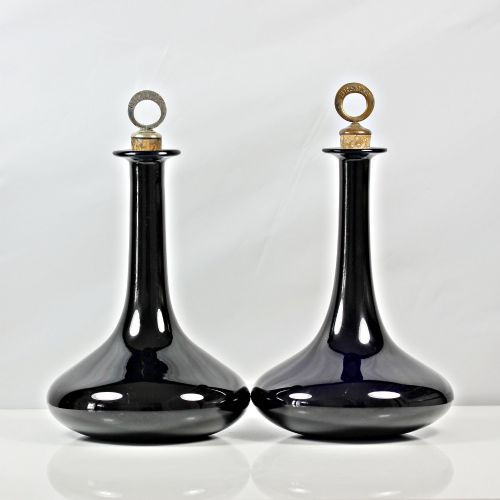
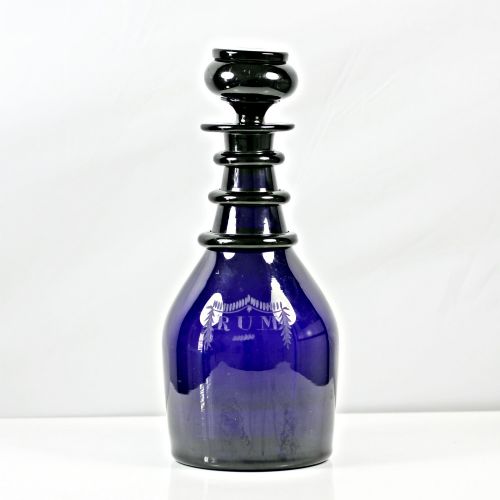
You are most likely to meet serving bottles and decanters amongst these selections, often featuring ribbed designs or three-ring necks. The collection also includes larger display jugs and sugar bowls shaped during the mid to late nineteenth century.
How they were made
Makers utilised rich cobalt glass and lead glass to achieve the signature deep blue tone characteristic of these pieces. Hand-blowing techniques created the fundamental body of vessels such as decanters and apothecary bottles, resulting in subtle variations in thickness and form.
Artisans applied surface decoration through gold leaf accents, detailed enamel work, and fitted sterling silver tops. Metal mounts, including French ormolu, were secured to glass trinket boxes and dressing table jars to complete the functional objects.
Victorian Bristol Blue Glass Retail Price Guide 2026
Typical asking prices for victorian bristol blue glass among the pieces listed under this phrase on Sellingantiques today, from the lower quarter to the upper quarter. They describe what is for sale here now, not the wider market.
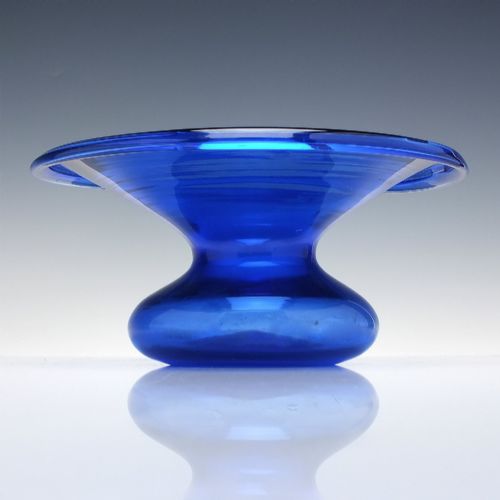
Some nineteenth-century establishments utilised these intense blue glass spittoons, proving that even utilitarian medical accessories once demanded vibrant interior decoration.
What varies in quality
The distinction between standard items and superior examples lies in the depth of the cobalt colour and the clarity of the hand-blown glass. Heavier metal mounts, such as cast ormolu or hallmarked sterling silver tops, elevate the finish of dressing table pieces.
Refined surface detailing, including precise enamel work and intact gold leaf, separates decorative scent bottles and jars from plain utilitarian apothecary containers. The integrity of original stoppers on decanters and serving bottles also influences the overall standard of a piece.
The Victorian Bristol Blue Glass Glossary
- Cobalt glass
- Glass coloured deeply blue by the addition of cobalt oxide during the melting process. This material forms the solid body of all pieces described here.
- Decanter
- A stoppered glass vessel used for serving wine or spirits. Nineteenth-century examples often feature three neck rings for a secure grip.
- Ormolu
- Gilded bronze or brass mounts used extensively in nineteenth-century French decorative arts. These metal frames enclose glass trinket boxes and jars.
- Apothecary bottle
- A utilitarian container utilised by chemists and pharmacists for storing medicinal liquids or powders. These often feature distinctive glass stoppers or white labels.
- Enamel
- Opaque vitreous material fused to the glass surface through heat. It provides decorative motifs on dressing table jars and scent bottles.
Victorian Bristol Blue Glass: Frequently Asked Questions
What is bristol blue glass?
It is a deep cobalt-tinted glassware produced in England during the eighteenth and nineteenth centuries. The colour is achieved by adding metallic oxides to the molten batch.
Items made from this glass range from practical apothecary bottles and serving decanters to decorative trinket boxes and scent bottles.
How do I identify a Victorian piece?
Victorian items typically display the heavy, hand-blown characteristics of nineteenth-century manufacturing. Look at the pontil mark on the base and the weight of the lead glass.
Stylistic cues such as William IV ribbed bodies or nineteenth-century French ormolu mounts also help date these objects accurately.
Were apothecary bottles used in homes?
Chemist and apothecary bottles served primarily in professional dispensaries and shops to store ingredients securely. Large stoppered bottles held liquids behind pharmacy counters.
Over time, many of these utilitarian glass containers transitioned into decorative domestic collections due to their intense colour.
How should I display cobalt glass?
Position these vessels near natural light sources to illuminate the rich blue pigment effectively. Placing them on windowsills or open shelving allows sunlight to pass through the translucent material.
Keep pieces with silver tops or enamel work away from damp environments to preserve the metal and surface decoration.