66,046  PAGES BROWSED TODAY PAGES TODAY • 254 ANTIQUES UPLOADED TODAYNEW ARRIVALS
GIFTS
254 ITEMS ADDED TODAY
Sort Order
Items Per Page
Browse Categories
Sort order
Relevant Links
Items per page
ID #SA1241376
FOR SALE
£175
Email Phone
Save
Large 19th Century Bristol Blue Glass Spittoon C1850
For sale by Exhibit Antiques
for sale €205     $222
£175
Exhibit Antiques

Exhibit Antiques

Sellingantiques Verified Since Mar 2019
Browse dealers 156 items
  • About Us
    Specialists in 18th & 19th century antique glass
Id #SA1241376
PDF SHARE
SAVE

Large 19th Century Bristol Blue Glass Spittoon C1850

19th century
For Sale by Exhibit Antiques
Description

Description

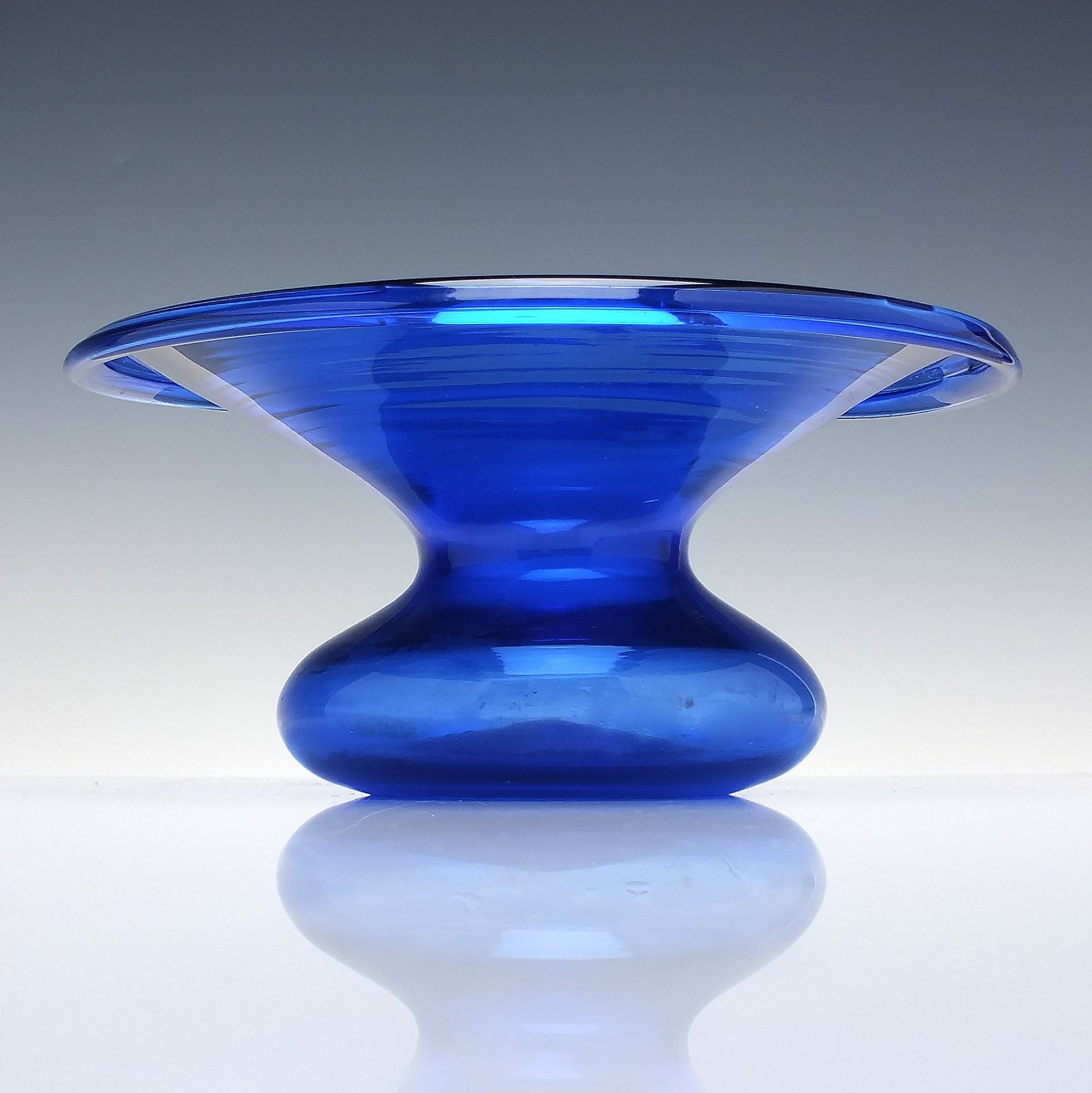
A fine mid 19th century Bristol Blue lead glass spittoon, dating to c1850.

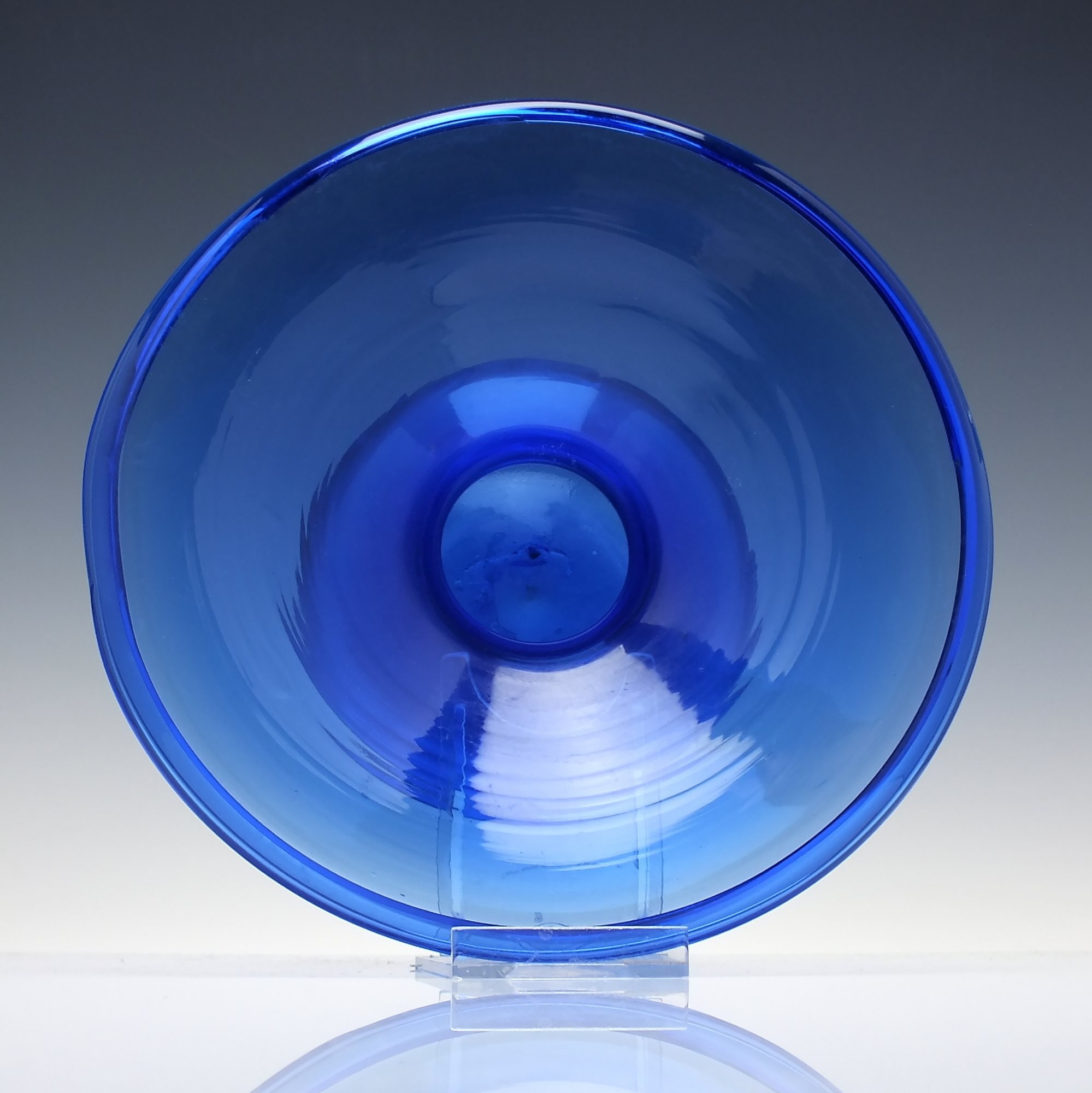
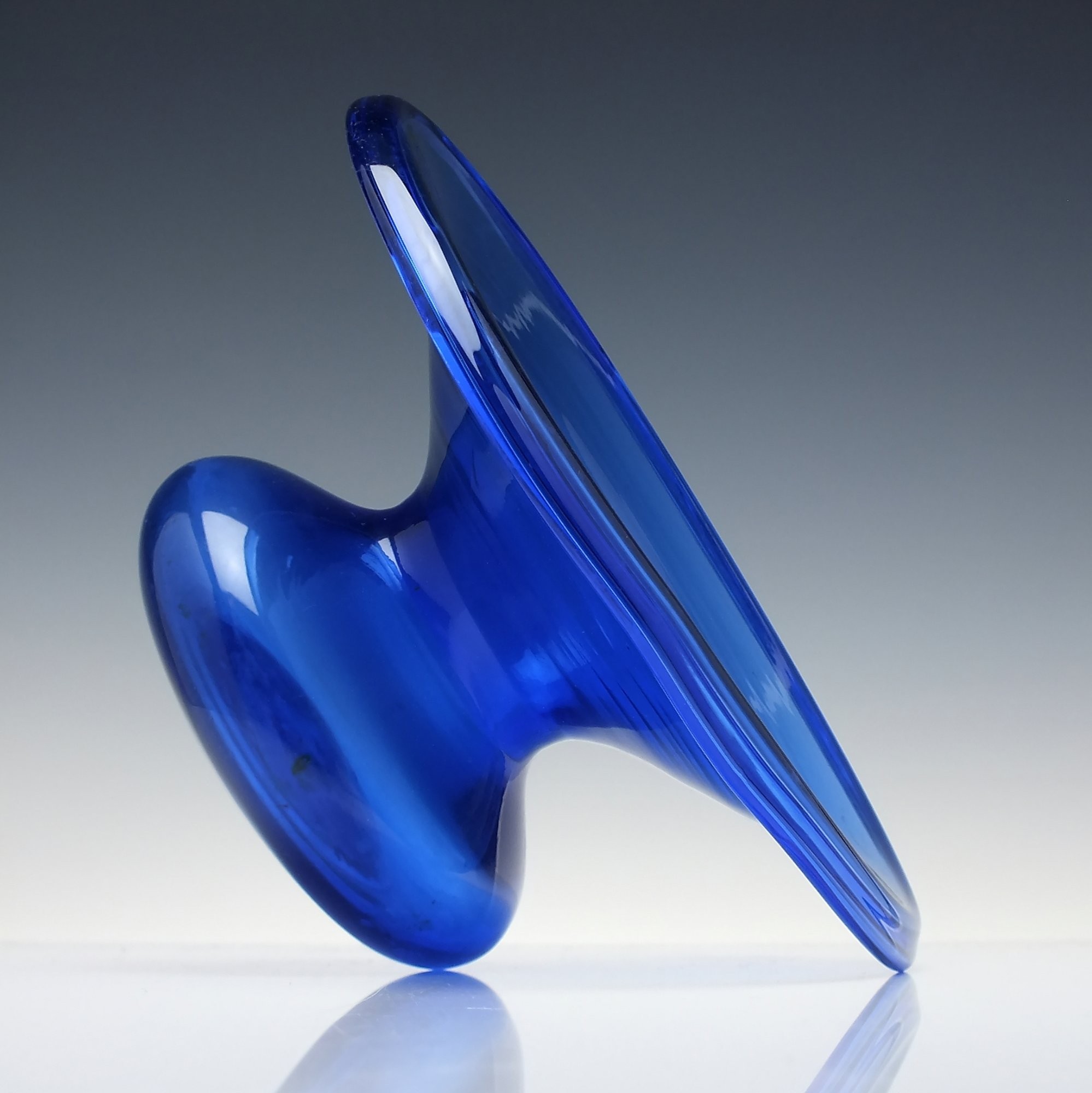
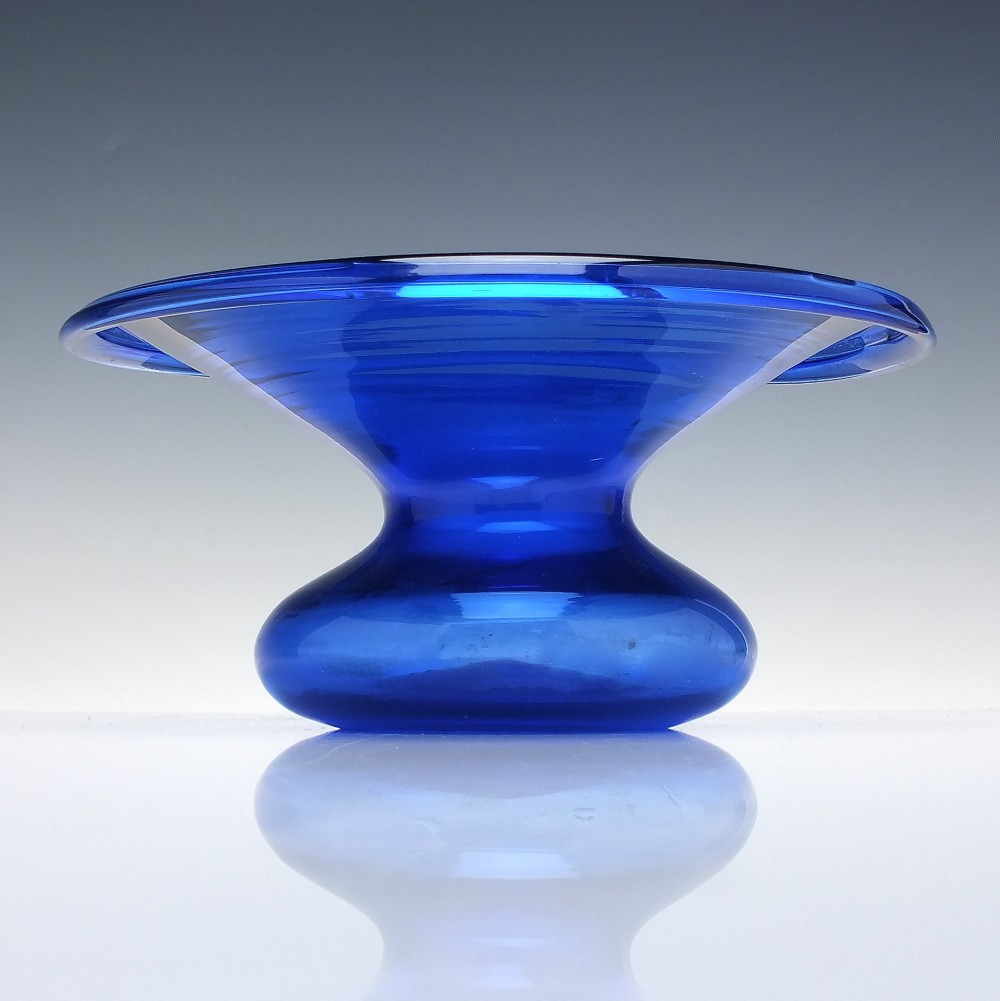
It has a compressed bulbous reservoir rising through a narrow waist into a broad, deeply dished funnel, with a central aperture leading into the reservoir below. The broad rim has been heavily folded underneath, producing a substantial rounded edge.
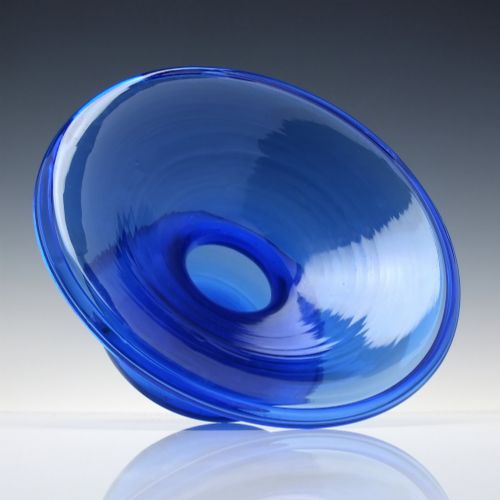
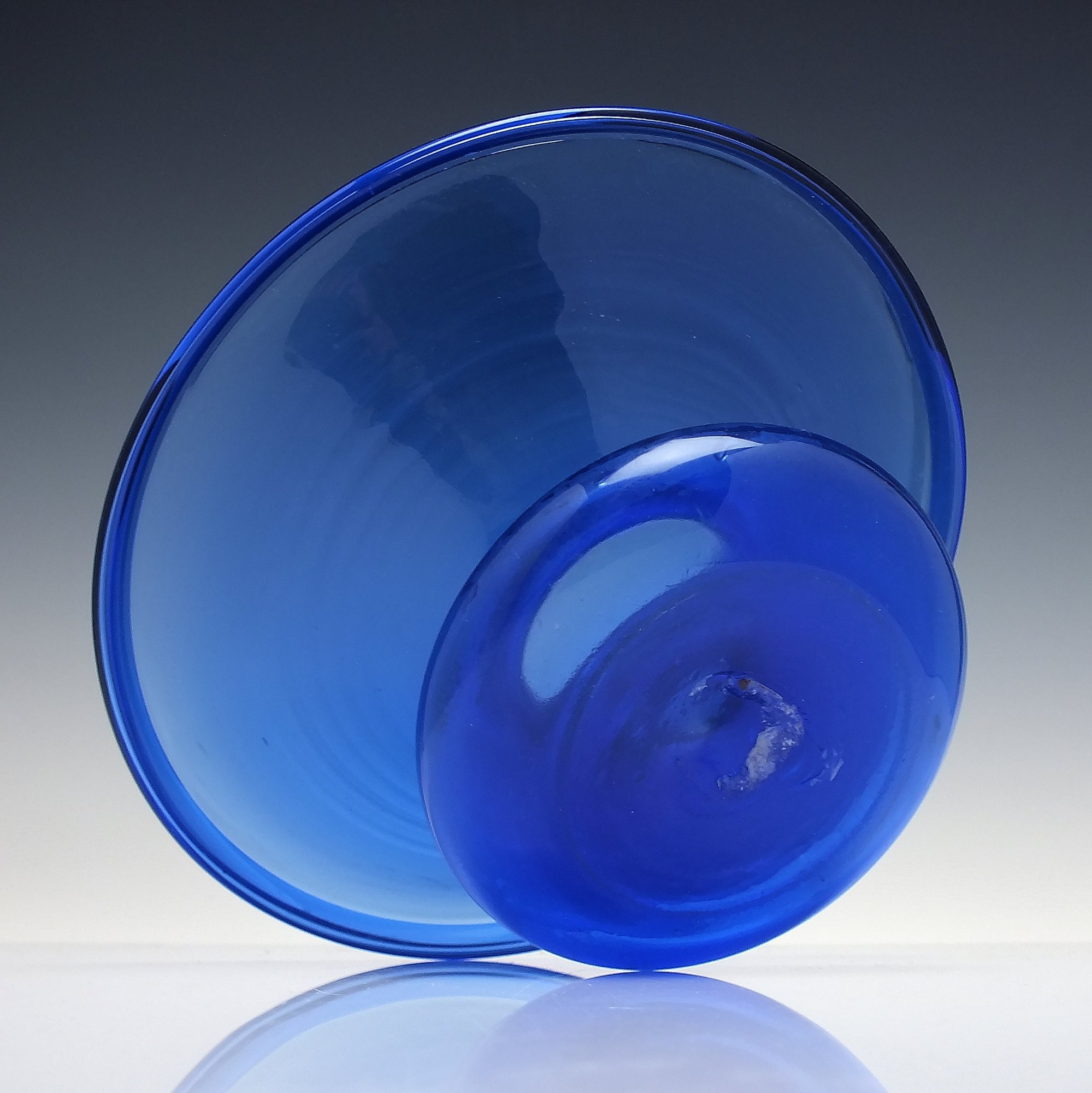
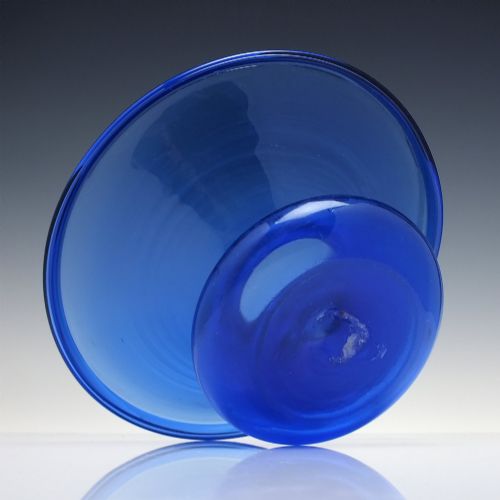
Hand blown in a rich Bristol Blue lead glass, the metal contains small irregularities consistent with early to mid 19th century manufacture. The underside has a rough snapped pontil and displays extensive genuine age-related wear... exactly what we would hope to see on a functional glass of this age.
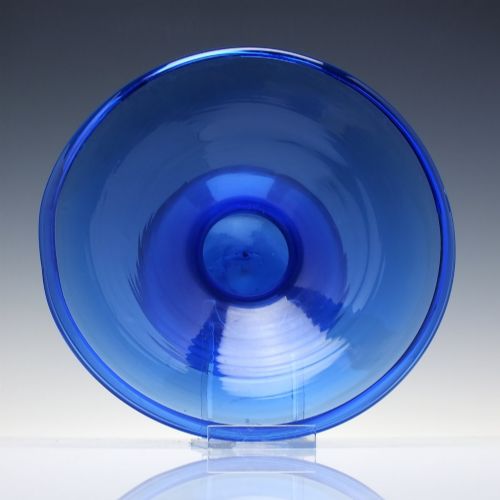
At 22cm in diameter, this is a substantial and genuinely practical example of the form, the broad dished rim providing a considerably larger receiving area than the smaller personal spittoons which were also produced during the 19th century.
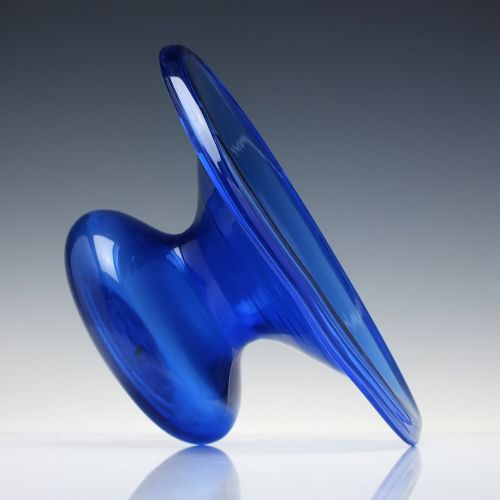
Almost certainly designed for table or bar use....see Historical Context.

Date & Origin

England, c1850, Period of Queen Victoria.

Condition

Excellent. No chips, cracks or restoration. Good genuine wear to the foot.
Dimensions

Height: 10 cm

Diameter: 22 cm

Weight: 788 grams

Historical Context

Spittoons, also known as cuspidors, were genuinely functional objects and were widely used during the 19th century. The broad funnel-shaped upper section was designed to receive saliva and direct it through the central aperture into the reservoir below.

Their use was particularly associated with tobacco chewing, although spittoons had a much wider role at a time when spitting was considerably more socially acceptable than it would become later in the century. They could be found in homes, inns, public buildings and other communal spaces, while smaller personal examples and specialised medical and dental versions were also produced.

They were made in a surprisingly wide variety of materials and ranged from purely utilitarian vessels to highly decorative objects in ceramic, metal and glass.

Blue glass examples are well documented. Of particular relevance, the Science Museum collection contains an English Bristol Blue glass dental spittoon dated 1830–1860.

A particularly interesting survivor of Victorian social history.

Declaration

Exhibit Antiques has dated this Bristol Blue Glass Spittoon to the Victorian era.

Reference Numbers
Sellingantiques Reference
SA1241376
Dealers Internal Reference
2026082574
Description
Description

A fine mid 19th century Bristol Blue lead glass spittoon, dating to c1850.

“
It has a compressed bulbous reservoir rising through a narrow waist into a broad, deeply dished funnel, with a central aperture leading into the reservoir below.
Exhibit Antiques

The broad rim has been heavily folded underneath, producing a substantial rounded edge.

fig 1. A 19th-century cobalt blue glass spittoon with a wide flared rim and a rounded bulbous base.
fig 1. Large 19th Century Bristol Blue Glass Spittoon C1850

Hand blown in a rich Bristol Blue lead glass, the metal contains small irregularities consistent with early to mid 19th century manufacture. The underside has a rough snapped pontil and displays extensive genuine age-related wear... exactly what we would hope to see on a functional glass of this age.

fig 2. A 19th-century cobalt blue glass spittoon with a wide flared rim and a rounded bulbous base.
fig 2. Large 19th Century Bristol Blue Glass Spittoon C1850

At 22cm in diameter, this is a substantial and genuinely practical example of the form, the broad dished rim providing a considerably larger receiving area than the smaller personal spittoons which were also produced during the 19th century.

fig 3. A 19th-century cobalt blue glass spittoon with a wide flared rim and a rounded bulbous base.
fig 3. Large 19th Century Bristol Blue Glass Spittoon C1850

Almost certainly designed for table or bar use....see Historical Context.

Date & Origin

England, c1850, Period of Queen Victoria.

Condition

Excellent. No chips, cracks or restoration. Good genuine wear to the foot.

fig 4. A 19th-century cobalt blue glass spittoon with a wide flared rim and a rounded bulbous base.
fig 4. Large 19th Century Bristol Blue Glass Spittoon C1850

Dimensions

Height: 10 cm

Diameter: 22 cm

Weight: 788 grams

Historical Context

Spittoons, also known as cuspidors, were genuinely functional objects and were widely used during the 19th century. The broad funnel-shaped upper section was designed to receive saliva and direct it through the central aperture into the reservoir below.

Their use was particularly associated with tobacco chewing, although spittoons had a much wider role at a time when spitting was considerably more socially acceptable than it would become later in the century. They could be found in homes, inns, public buildings and other communal spaces, while smaller personal examples and specialised medical and dental versions were also produced.

They were made in a surprisingly wide variety of materials and ranged from purely utilitarian vessels to highly decorative objects in ceramic, metal and glass.

Blue glass examples are well documented. Of particular relevance, the Science Museum collection contains an English Bristol Blue glass dental spittoon dated 1830–1860.

A particularly interesting survivor of Victorian social history.

Date of Manufacture

Exhibit Antiques has dated this Bristol Blue Glass Spittoon to the Victorian era.

Reference Numbers
Sellingantiques Ref
SA1241376
Dealers Internal Ref
2026082574
Exhibit Antiques
Exhibit Antiques
Sellingantiques verified Since Mar 2019

Specialists in 18th & 19th century antique glass

Dealer Profile

You can view the stock and full dealer information on the Exhibit Antiques Profile Page
PDF SHARE
SAVE
A 19th-century cobalt blue glass spittoon with a wide flared rim and a rounded bulbous base.
1 / 5
Archive I A 19th-century cobalt blue glass spittoon with a wide flared rim and a rounded bulbous base.

Large 19th Century Bristol Blue Glass Spittoon C1850
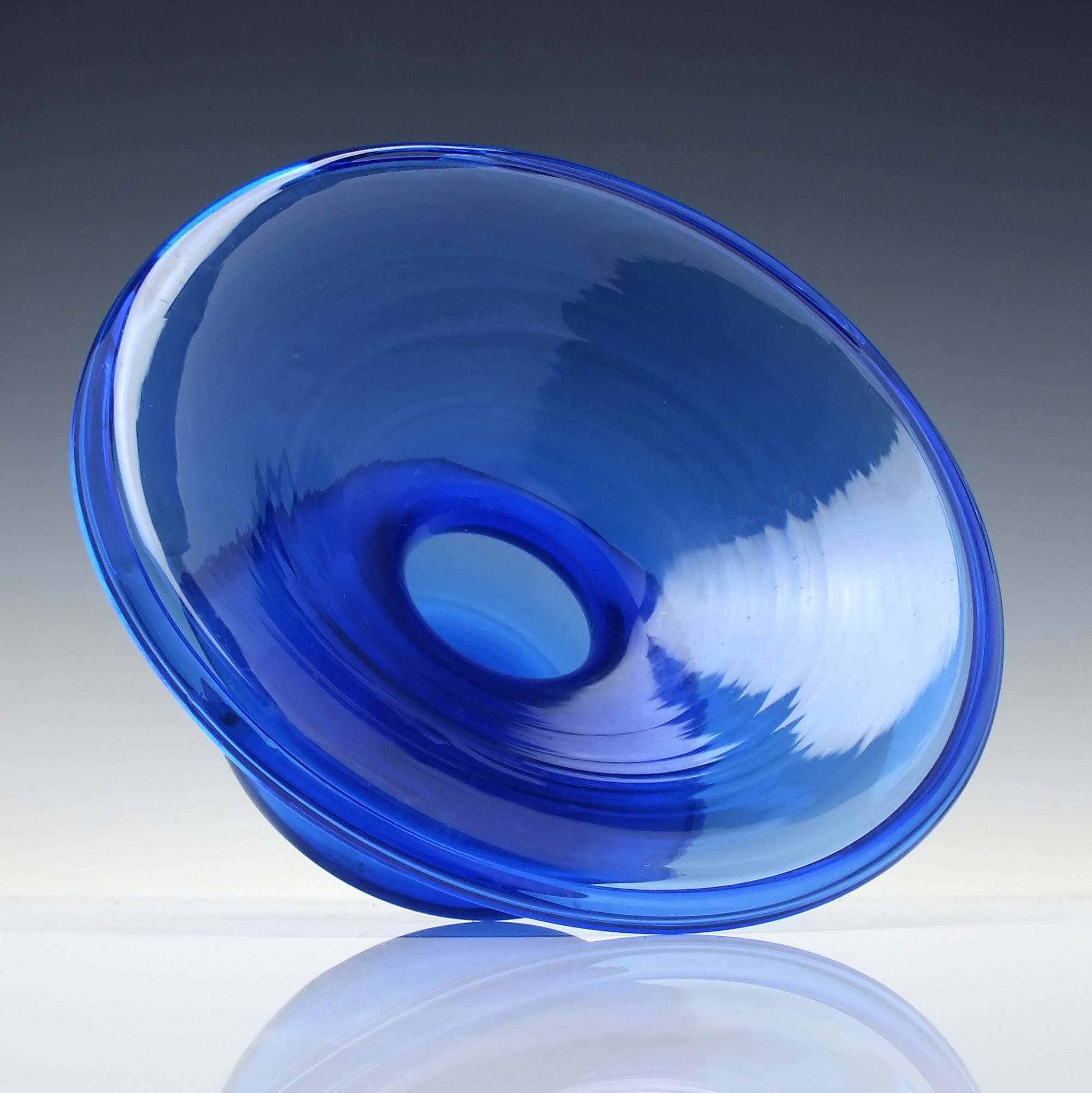
Archive II A 19th-century cobalt blue glass spittoon with a wide flared rim and a rounded bulbous base. View II
Archive III A 19th-century cobalt blue glass spittoon with a wide flared rim and a rounded bulbous base. View III
Archive IV A 19th-century cobalt blue glass spittoon with a wide flared rim and a rounded bulbous base. View IV
Archive V A 19th-century cobalt blue glass spittoon with a wide flared rim and a rounded bulbous base. View V
Enlarged Archival View
Telephone 01501 228 282
Location
Glasgow
Scotland
United Kingdom
Verified Since Mar 2019
Items For Sale 156
Items Sold 2,195
Exhibit Antiques
Exhibit Antiques
Verified Since Mar 2019
View Dealer Info
Location: Glasgow, Scotland, United Kingdom
Verified
Mar 2019
For Sale
156
Sold
2,195
A 19th-century cobalt blue glass spittoon with a wide flared rim and a rounded bulbous base.
Large 19th Century Bristol Blue Glass Spittoon c1850
Ref: SA1241376
A 19th-century cobalt blue glass spittoon with a wide flared rim and a rounded bulbous base.
Detail View 1
Detail View 2
Detail View 3
Detail View 4
Archival Detail
Every single antique dealer on our platform is individually approved by our internal team. We verify their professional trade history, ethical standards, and photographic quality to ensure a secure, high-standard buying environment. Upon joining, every dealer agrees to a strict 9-point code of conduct. While issues can occasionally arise, our dealers typically resolve them swiftly and directly with the buyer. In fact, since our founding in 2002, Sellingantiques has only had to step in to help resolve an issue on roughly five occasions—a true testament to the quality of our dealers and their dedication to your happiness.
Our dealers are highly experienced in packing and shipping fragile, high-value antiques. Because you are in direct contact with the dealer, you will be able to easily go through all available shipping and insurance options together to ensure your item arrives safely.
Antiques are the ultimate green purchase. By choosing historical pieces over newly manufactured goods, you completely eliminate the carbon footprint of modern mass production while preserving exceptional, timeless craftsmanship.
Written by Sellingantiques from the dealer’s photographs and listing
  • ObjectSpittoon
  • Period19th century
  • StyleVictorian
  • MaterialGlass
  • ColourCobalt Blue
  • MotifsFlared rim, Bulbous body, Hand-blown glass, Pontil mark base

Bristol blue glass gained prominence in Britain during the late 18th and 19th centuries, named after the port city through which cobalt oxide was imported. Glassmakers added small quantities of cobalt oxide to lead glass to achieve a rich, deep blue tone widely used for decorative and functional household wares.

These vessels were hand-blown using lead or soda-lime glass infused with mineral oxides for colouration. Artisans shaped the items using blowpipes, pontils, and hand tools to form the wide, flared rims and bulbous bases characteristic of functional spittoons.

Authentic pieces generally display a snapped or ground pontil mark on the underside where the glassmakers rod was detached. They often exhibit slight irregularities in shape, subtle air bubbles (seeds) within the matrix, and natural wear patterns on the base rim.

Display coloured glass near natural light sources, such as window sills or sunlit shelving, to highlight the hue and translucency. Combining cobalt blue glass with neutral backdrop materials like untreated wood, stone, or polished brass creates a balanced visual contrast.

Wash hand-blown antique glass carefully using lukewarm water and a mild detergent, avoiding harsh chemical cleaners or abrasive sponges. Ensure the item is thoroughly dried with a lint-free cloth and kept away from extreme temperature fluctuations to prevent thermal shock.
items
Add keywords to the filter
Price
£100
£250000
Era
Period
Style
Material
Origin
Stock Location
Recently Added
Online Payments
Categories