




Antique Paperweights
A small, heavy desk object in glass, made to hold loose paper down, and on this site most often a moulded French figure of the 1920s and 30s rather than a millefiori dome.
Antique Paperweights
Glass weights arrived as a commercial form in the mid-19th century, when loose paper correspondence created a use for something small, heavy and decorative on a desk. Continental and English houses made them in millefiori and in cheap bottle glass. Moulded and pressed glass later allowed figural models, and from the 1920s the related radiator mascots for motor cars.
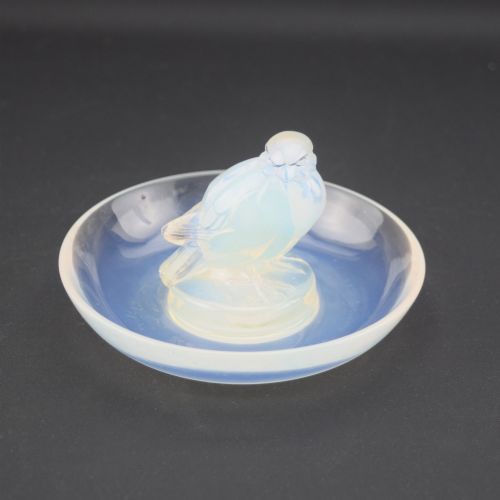
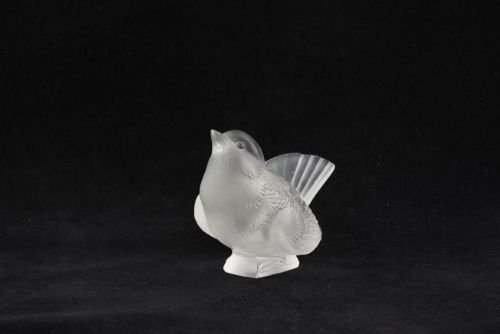
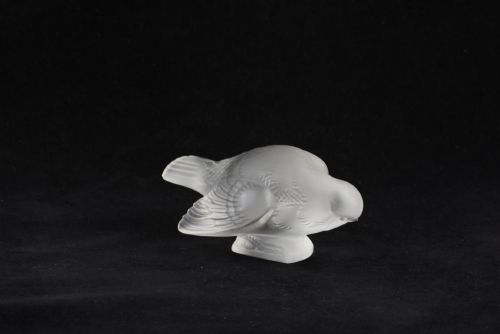
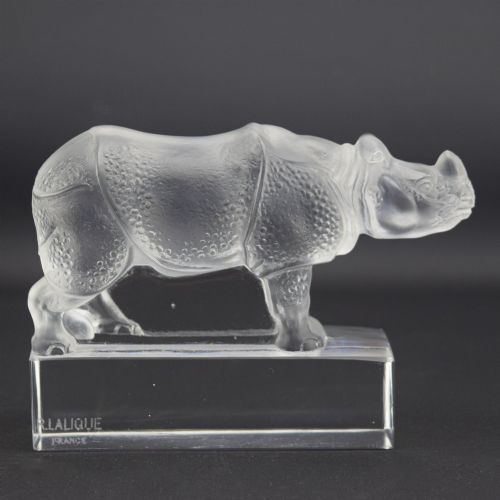
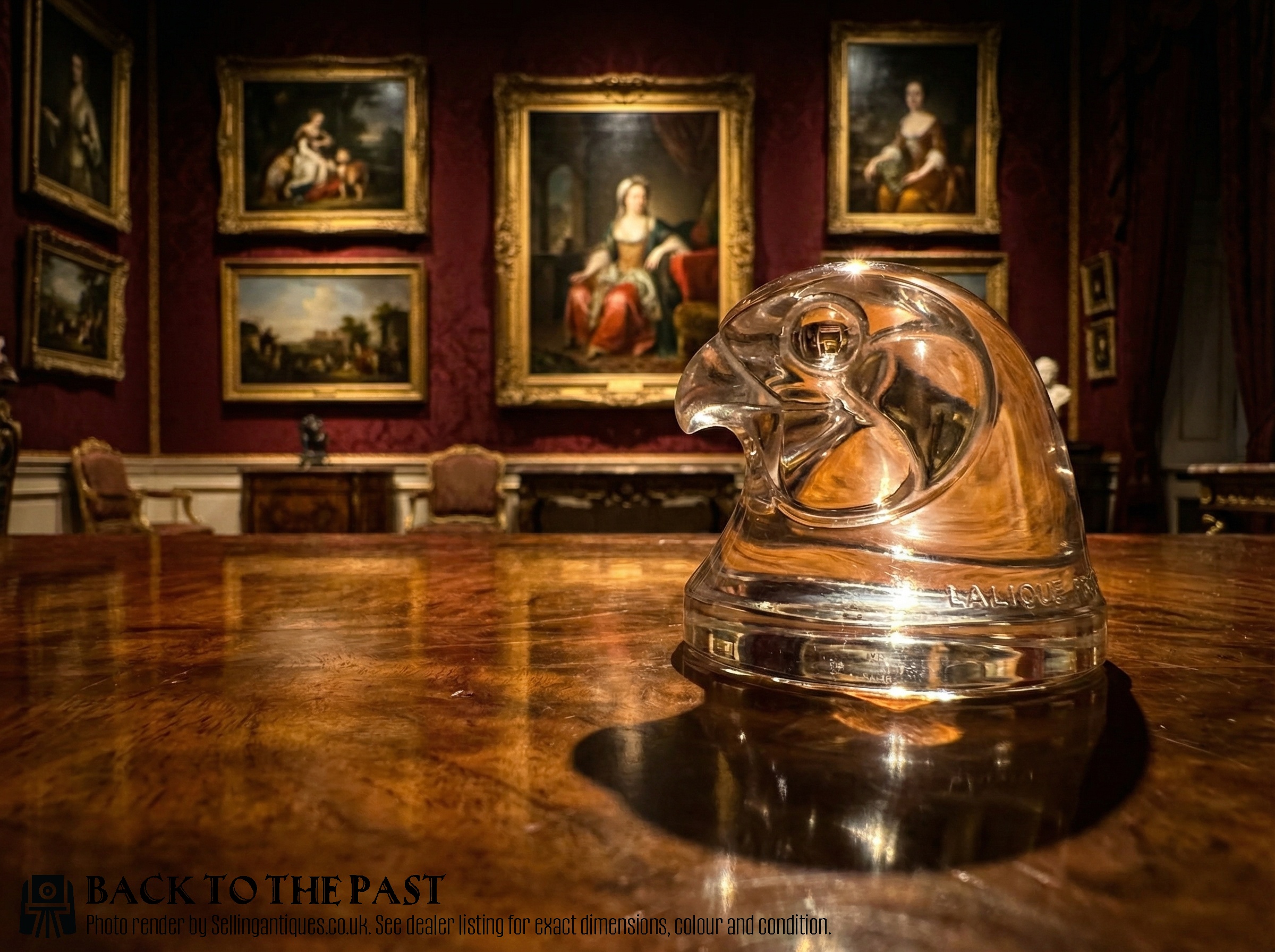
The category on Sellingantiques is dominated by moulded French glass. Of 91 titles, 59 name Lalique, and the bulk of those are small animal, bird and flower weights of the 1920s and 30s. The same firm's car mascots are listed here too, in 13 titles. The commonest models are the Anemone flower, described as fermée or ouverte, and the Moineau sparrow in its named poses: hardi, timide, fier, sournois, moqueur.
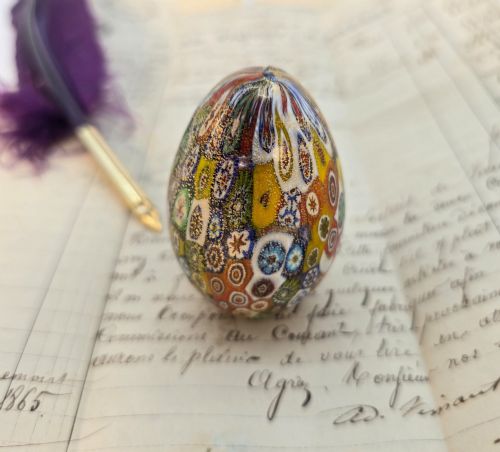
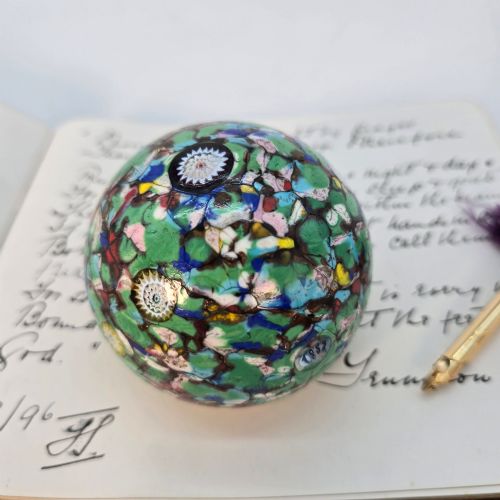
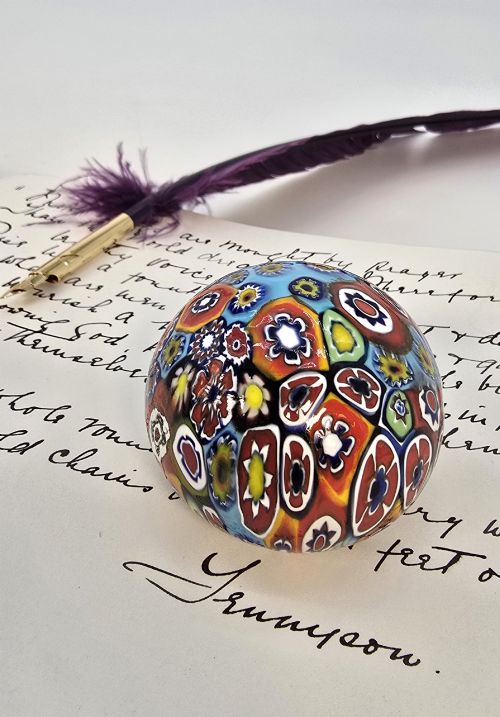
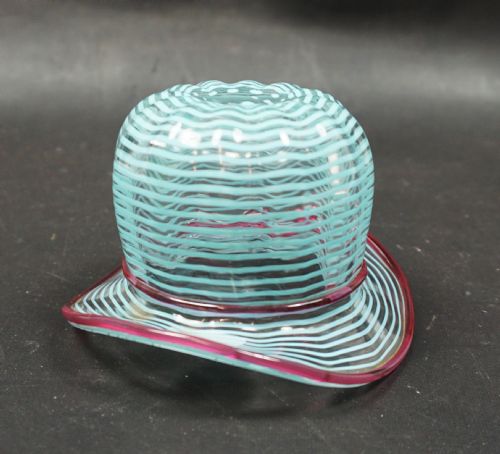
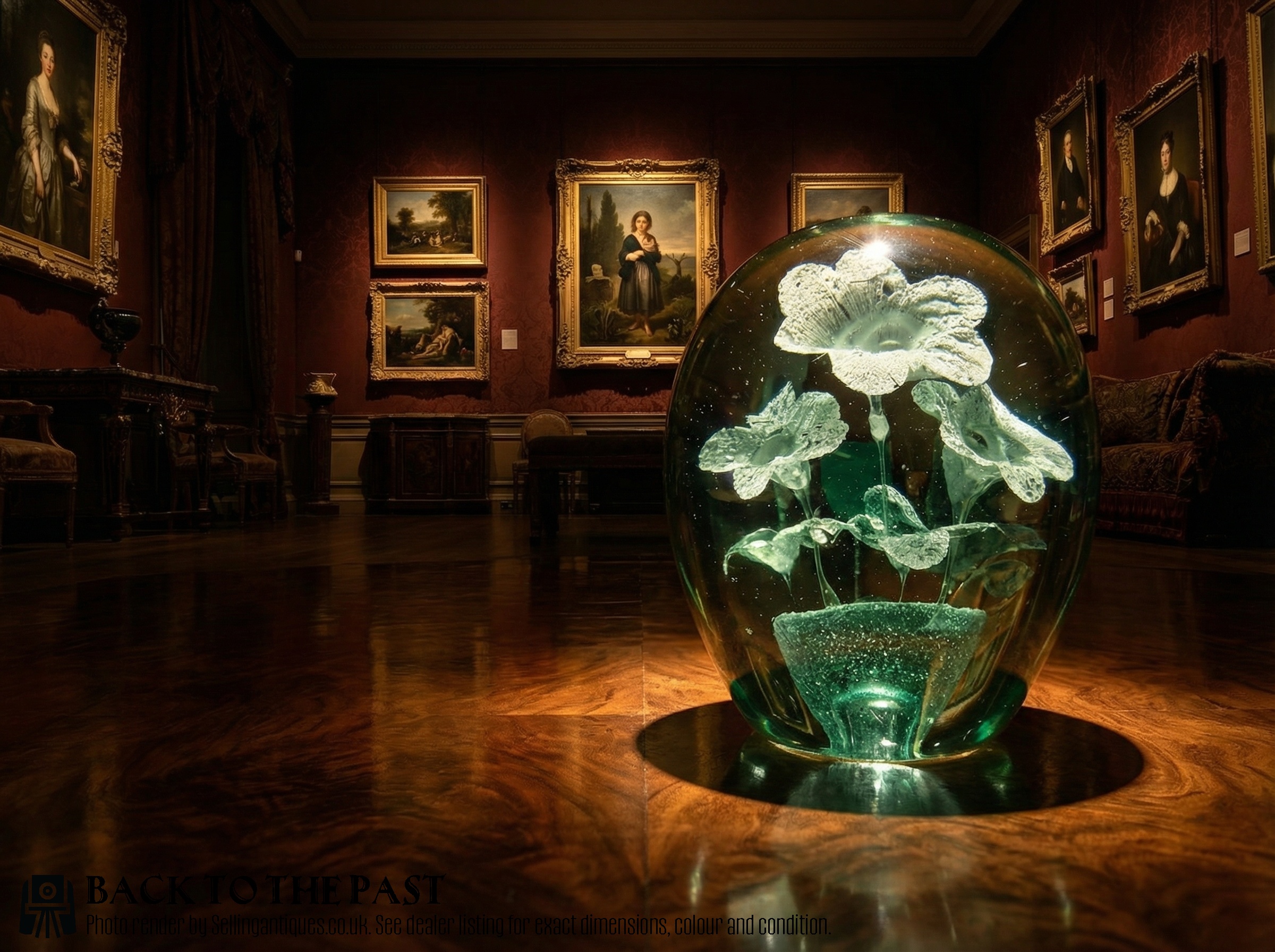
The rest divides between English Victorian dumps in green, blue and amethyst bottle glass with flowers or bubbles trapped inside, Murano and other millefiori domes, and a scatter of desk objects filed here: brass magnifiers, cut-glass rulers, a fossil, an ashtray, a pin dish. Sizes are not given in titles, so form is the guide to scale.
Dating runs 1860 to 1950, weighted hard to the interwar decades: 38 listings dated to the 1930s and 15 to the 1920s, against 11 across the 1860s to 1880s. The Lalique titles often carry a specific model year, and c1931 alone turns up in 12 of them. Victorian dumps are placed more loosely, several dated only Victorian or 19th century.

Where The Range Sits
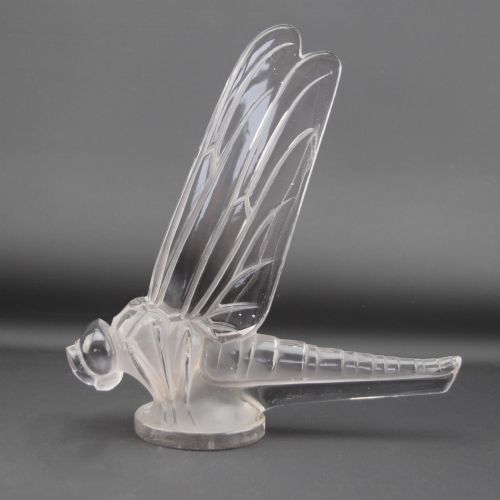
Within the Lalique group, how often a model appears tracks where it sits. Anemone and Moineau weights recur throughout the archive and cluster at the bottom of that range. Models that turn up once, Cinq Chevaux, Grande Libellule, Coq Houdan, Tête de Paon, sit at the very top, an order of magnitude above the Victorian dumps.
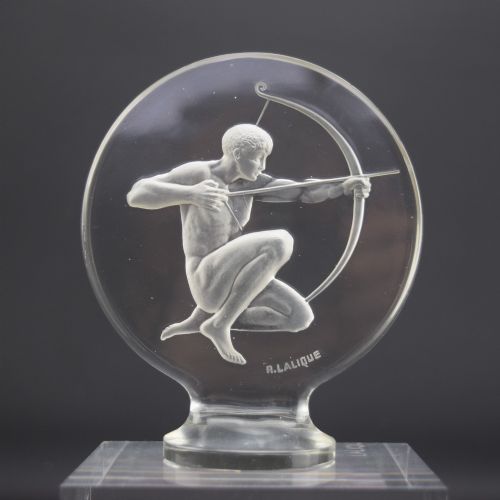
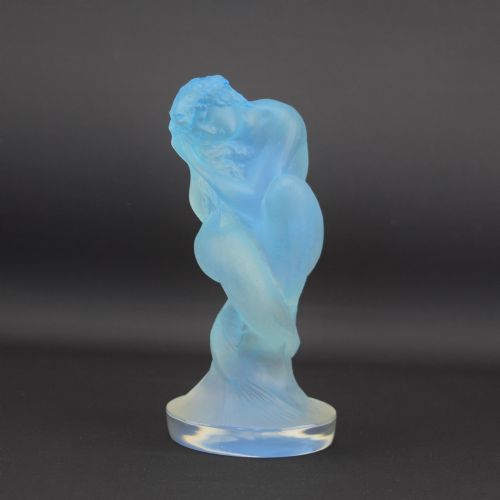
Mascots outrank weights. The 13 car mascot titles occupy almost the whole upper half of the sampled range, while plain paperweight models sit below them. Surface treatment pushes the same way: opalescent glass is named in 8 titles, and topaz or blue stained descriptors attach to Naiade, Sirène, Perche, Antelope and Sanglier examples, all above the middle.
Among the English dumps, what is trapped in the glass does the work. Plain and single-flower green dumps sit at the bottom; multiple-flower, blue, amethyst and sulphide versions are listed higher. Scale and number lift things generally, a large green dump, a large Murano millefiori crown, a pair of Murano weights all above their plain single counterparts.
Antique Paperweights Retail Price Guide 2026
Typical UK retail prices for paperweights, calculated from the Sellingantiques database of over a million retail prices indexed since 2003. This retail price guide relies exclusively on Sellingantiques data; no external sources or auction records are used, so the figures do not describe the wider market.
Dated paperweight listings on Sellingantiques run from 1860 to 1950, so the whole span sits inside a century.
The Antique Paperweights Glossary
- Dump
- A heavy English weight of dark bottle glass, usually green, with bubbles or flowers trapped inside. Twelve titles use the word, dated between 1860 and 1890.
- Millefiori
- Thousand flowers. Sliced rods of coloured glass set in clear glass to form a patterned dome.
- Opalescent
- Milky-blue glass that shifts to amber against the light. Named in 8 titles, almost all moulded French pieces.
- Anemone fermée / ouverte
- The closed-petal and open-petal versions of the Anemone flower weight, which accounts for 13 titles.
- Car mascot
- A radiator-cap ornament in moulded glass, catalogued alongside paperweights and appearing in 13 titles.
- Sulphide
- A white ceramic cameo enclosed in the glass. It surfaces once, in a Victorian dump holding an English rose and a Scottish thistle.
Antique Paperweights: Frequently Asked Questions
What sort of paperweights come up most often?
Moulded French glass of the interwar years dominates. Of 91 titles on Sellingantiques, 59 name Lalique, and within those the Anemone flower and the Moineau sparrow recur more than anything else.
English Victorian bottle-glass dumps make up about one in eight, and Murano and other millefiori domes roughly one in ten.
Why are car mascots listed as paperweights?
Dealers file them in the same category because they come from the same moulded-glass output and sit on a desk just as easily. Thirteen titles carry the word mascot.
Models named include Naiade, Sirène, Tête de Paon, Tête d'Aigle, Coq Houdan, Archer, Grande Libellule, Cinq Chevaux, Perche and Sanglier. They hold the top of the range.
How old are the pieces in this category?
The dated field runs from 1860 to 1950, with 68 of 91 listings carrying a clean year.
It leans heavily interwar: 38 listings in the 1930s and 15 in the 1920s. The 1860s dumps are the earliest cluster and a single 1950s entry is the latest thing recorded.
What does fermée mean on an Anemone weight?
Closed. The Anemone flower model was made with the petals closed and with them open, listed as fermée or refermée and ouverte.
Most of the 13 Anemone titles are dated 1930 or c1931.
Are millefiori weights common on this site?
Less common than the moulded French glass. Murano millefiori appears in single figures, including one crown weight with twisted ribbons radiating from the top and one pair.
A St Louis attribution turns up twice across the whole archive.
How many paperweights come to market each year?
Roughly a dozen, listed by twenty dealers over the life of the archive, so the category turns over slowly.
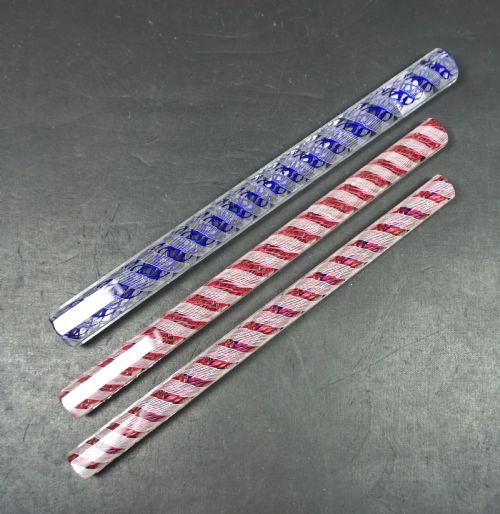
Alongside the glass sit a few oddities filed here: brass desk magnifiers, a fossil, a set of three cut-glass rulers, an ashtray and a pin dish.