
Antique Glass Jars
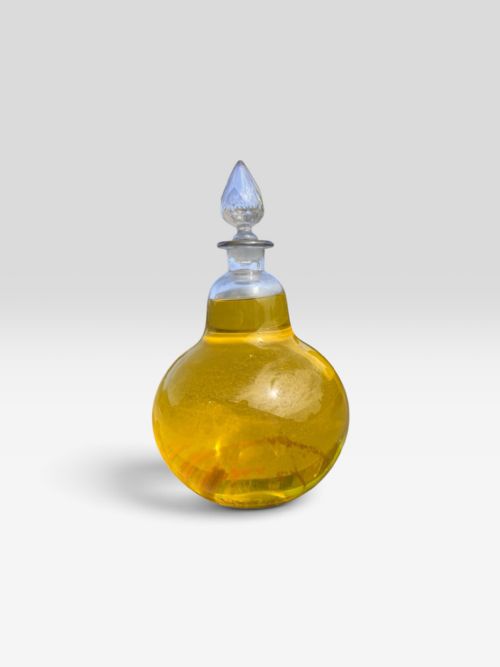
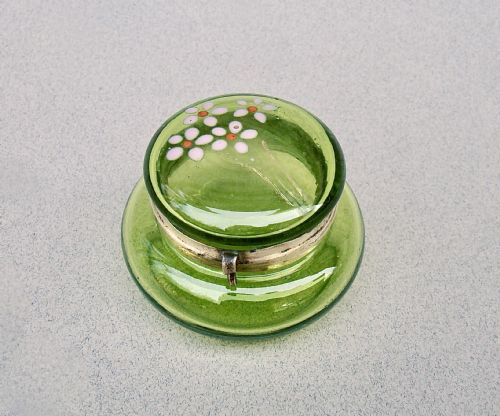
Lidded and stoppered glass vessels made for storing things in view: pharmacy stock behind a shop counter, preserves and biscuits on a table, powder and cream on a dressing table.
What Are Antique Glass Jars?
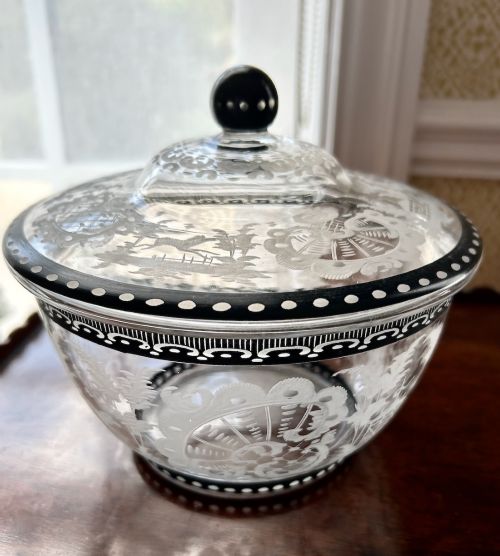
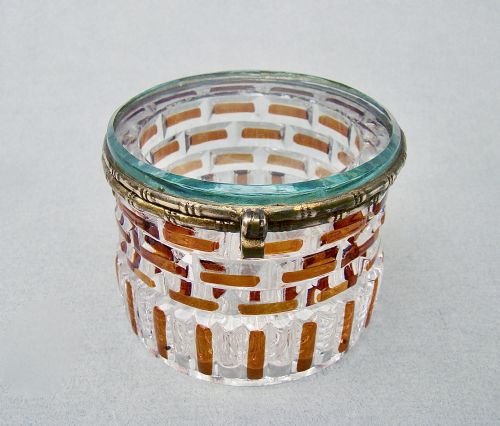
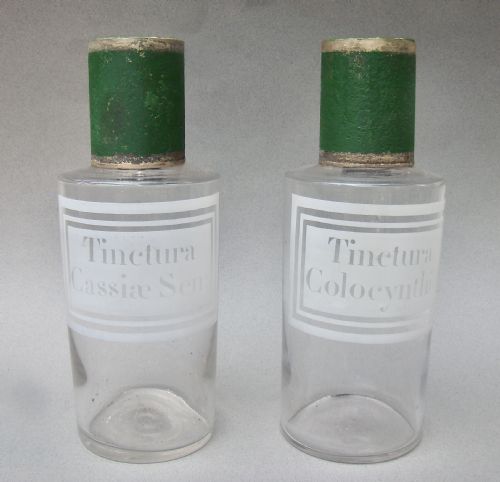
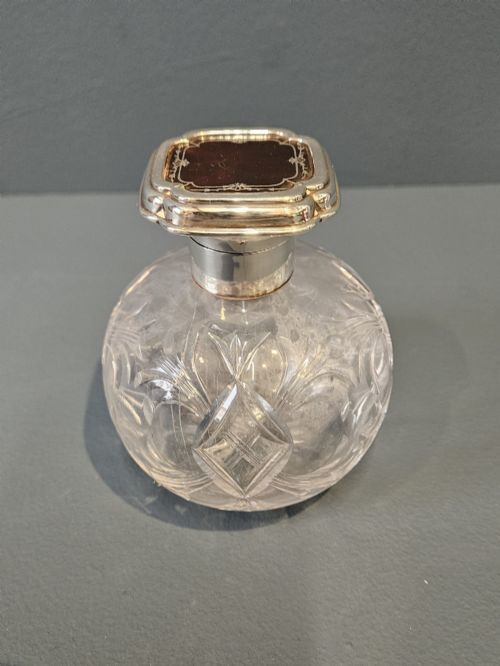
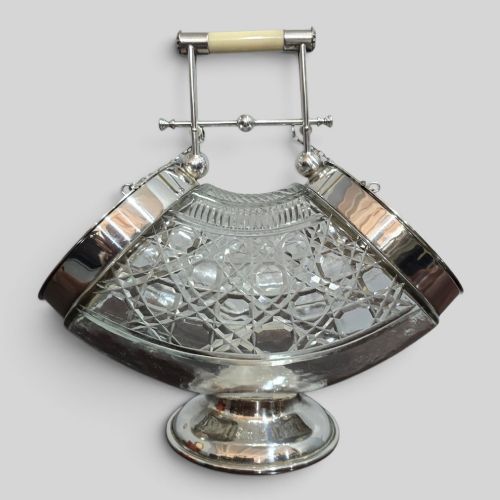
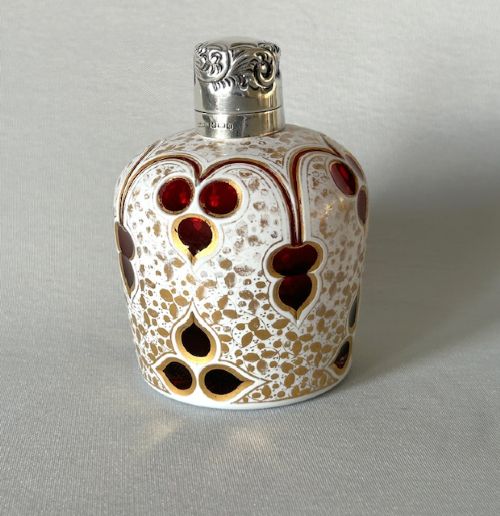
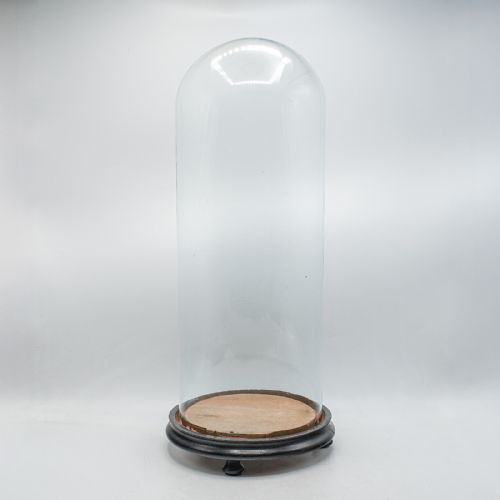
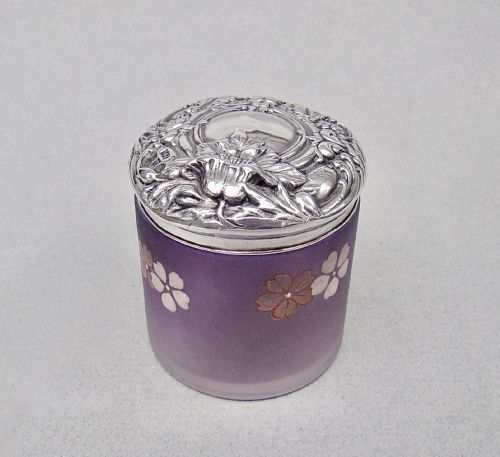
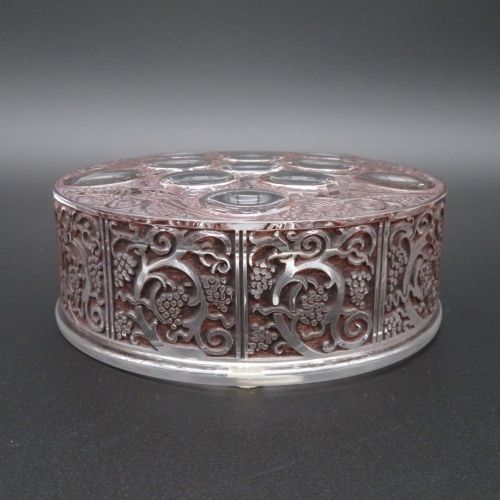
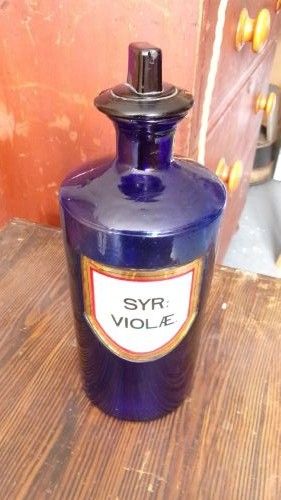
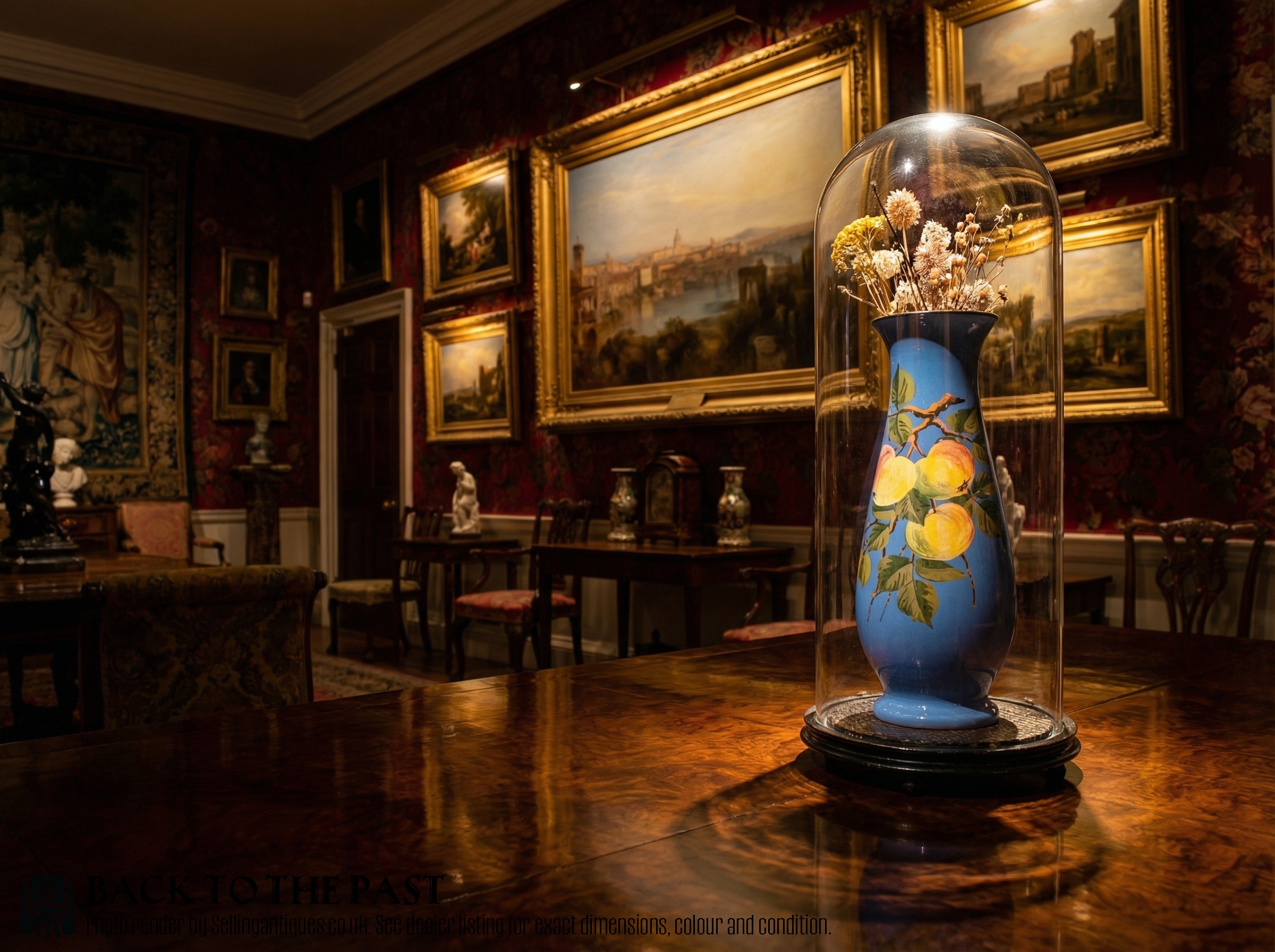
The heading covers three main groups. Labelled shop and pharmacy jars are the commonest thing a buyer meets, with "apothecary" in roughly a quarter of titles and "chemist" behind it. Then come cut-glass table jars for preserves, pickles, sweetmeats and biscuits, and small silver-mounted jars for the dressing table.
Glass storage jars with ground or fitted covers were made from the 18th century onward to keep foodstuffs and pharmacy stock airtight and visible. The labelled shop jar and the domestic covered preserve or biscuit jar both settled into standard form during the 19th century, as cut and pressed glass production widened.
Dating tends to be broad rather than exact. "19th Century" and "Victorian" together outweigh every decade label, though titles often narrow it to circa 1890 or c1880. The dated field runs from 1750 to 1940, with Georgian and 18th-century pieces scarce, and two Roman glass entries sitting outside the run altogether.
France is the commonest stated origin after Britain, named in around 53 titles: mostly circa 1890 apothecary jars in clear, amber, turquoise and Bristol blue, plus green pickling bocals and cornichon jars. Scale runs from trinket and powder jars a few inches high up to carboys, demi-johns and bar dispensers.
Where The Range Splits
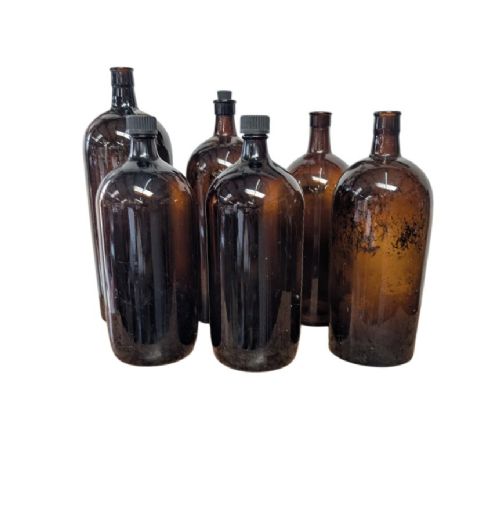
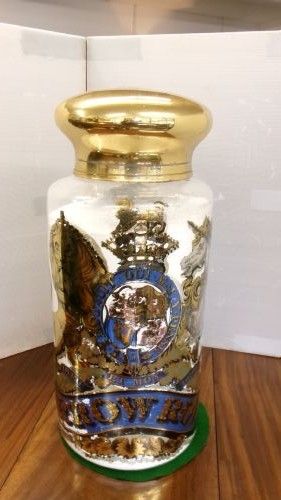
Size and shop presence do most of the work at the top. Large Victorian pharmacy display jars and covers, gilded apothecary jars, brandy and grog dispensers and carboys sit well above the domestic run. Number counts too: pairs appear in two dozen titles, and sets of three, six, nine, ten, twelve and one of twenty-nine chemist jars occupy the upper reaches.
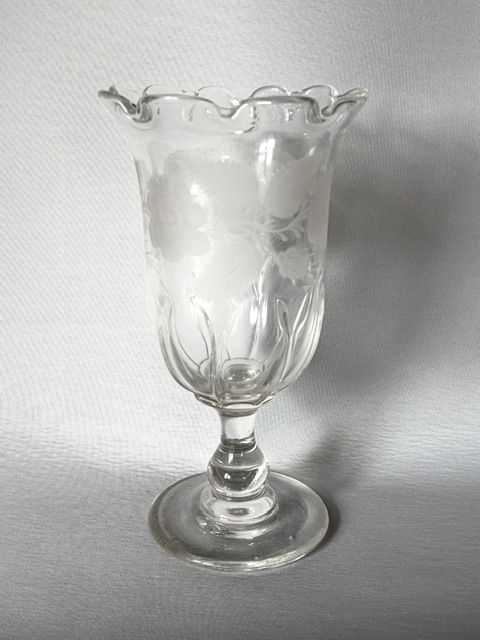
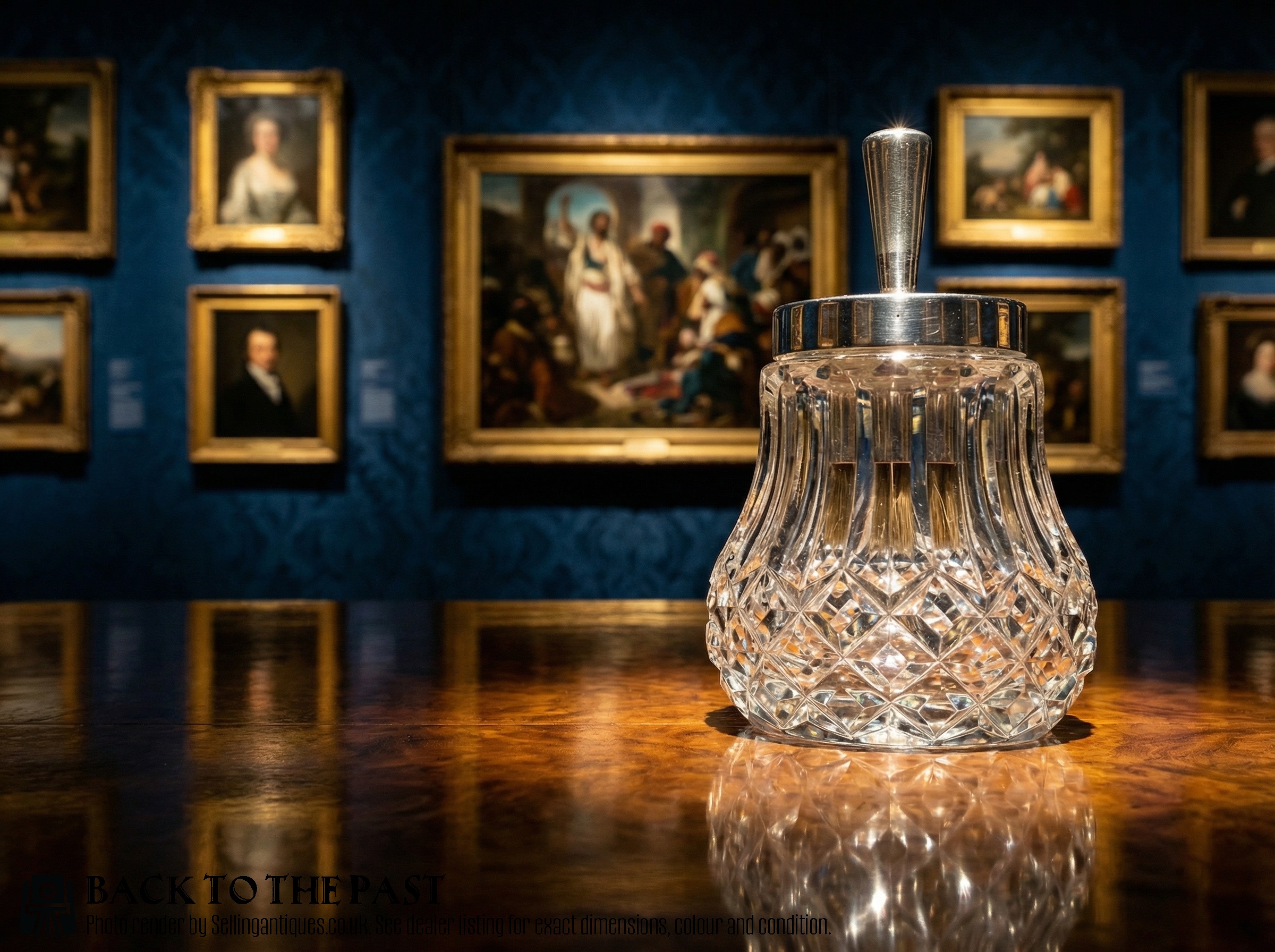
Decoration separates otherwise similar jars. Gilt-label, white-label and coat-of-arms pharmacy jars are titled apart from plain clear ones, as are coloured examples in amber, turquoise, Bristol blue, cranberry and opaline. On table jars, plain or moulded pickle jars sit low, while named cutting such as hobnail, strawberry diamond and Anglo-Irish cut, or cut-and-etched bon-bon jars, sit far higher.
Among the small dressing-table jars, the mount carries the piece. Hallmarked silver tops with assay towns and years named in the listing, and guilloche enamel covers, sit at the higher end; plated and unmarked mounts sit below them.
Retail Price Guide 2026
Typical UK retail prices for glass jars, calculated from the Sellingantiques database of over a million retail prices indexed since 2003. This retail price guide relies exclusively on Sellingantiques data; no external sources or auction records are used, so the figures do not describe the wider market.
19th Century is the period label used most on Sellingantiques for glass jars, with Victorian next and 1900s third.
The Antique Glass Jars Glossary
- Apothecary jar
- A pharmacy storage jar, usually with a domed or stoppered cover and a named drug label. The single commonest form under this heading.
- Label
- The drug name applied to the jar, painted directly, gilded, or set under glass. Gilt-label and white-label examples are titled apart from plain ones.
- Cut glass
- Decoration cut into the blank on a wheel, named in about a sixth of titles, sometimes as hobnail or strawberry diamond.
- Carboy
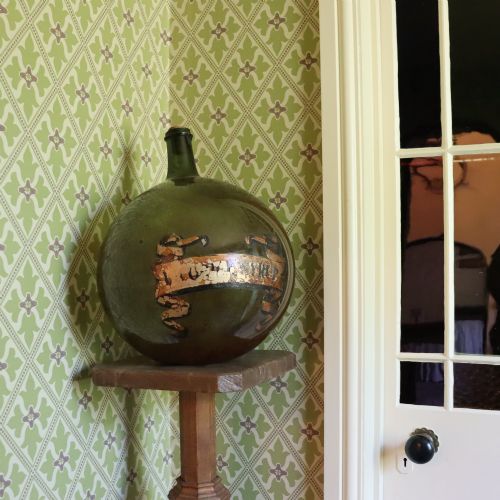
- A very large glass vessel used in pharmacy and storage, sitting at the top of the size range alongside demi-johns and bar dispensers.
- Bocal
- French term used for green pickling or truffle jars; a cornichon jar is the version made for gherkins, in green blown glass.
- Leech jar
- A lidded medical jar for keeping live leeches. The rarest medical form recorded, named in nine titles, one dated to the late 18th century.
Frequently Asked Questions
How many come up for sale each year?
About 35 come to market in a year on Sellingantiques, and 85 different dealers have listed one.
So no single specialist controls the field. The supply arrives in ones and twos from general dealers as much as from glass specialists.
What is the commonest type?
The labelled apothecary or chemist jar. "Apothecary" appears in roughly a quarter of titles, with "chemist" and "label" behind it.
A large block of these are near-identical French examples dated circa 1890, in clear, amber, turquoise and Bristol blue glass. Cut-glass preserve and pickle jars and silver-topped dressing-table jars follow.
Which colours turn up?
Blue leads, then cranberry, amber and green. Bristol blue is named in several apothecary and dressing-table titles.
Turquoise, opaline and amethyst are the scarcest, each named only a handful of times.
Are sets of chemist jars really sold together?
Yes, sets are a genuine feature of this category rather than an accident of cataloguing. Groups of three, five, six, nine, ten and twelve chemist jars all appear.
One lot runs to twenty-nine. Pairs of shop display jars are also recorded, in around two dozen titles.
How old do these get?
The dated field spans 1750 to 1940, with 113 listings carrying a clean year. The earliest of those is a French hand-blown cornichon pickling jar dated 1750.
Georgian and 18th-century pieces appear but are scarce. Two entries sit outside the antique run entirely, filed as Before 1700: Roman glass, including a set of four unguentaria dating to the 2nd to 3rd century AD.
What unusual pieces have appeared?
The largest things are not domestic jars at all. A brandy fountain made for a Watford brewery, a whisky bar dispenser and a Navy grog jar inscribed God Save the King sit at the top of the size range.
One-off curiosities include a glass owl tobacco jar, cast-brass cats with glass eyes mounted on jars, a curling-stone preserve jar and a shop retail jar for crisps.