

Antique Bohemian Glass
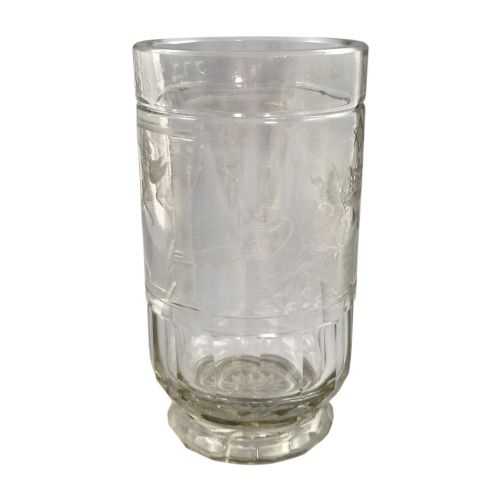
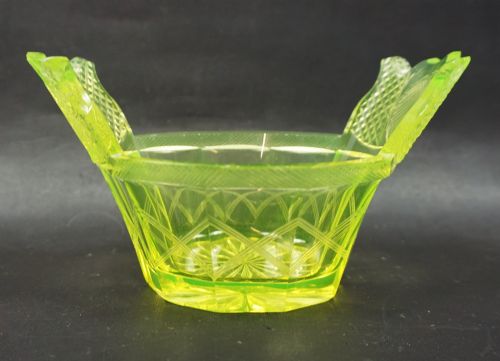
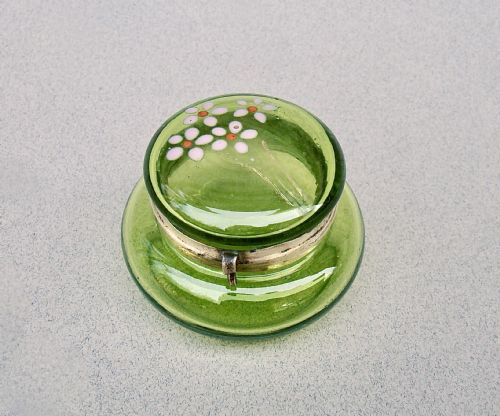
Coloured, cased and decorated glass made in the Bohemian tradition: vases, decanters, scent bottles, goblets and drinking sets, made for the table, the dressing table and the mantelpiece across roughly two centuries.
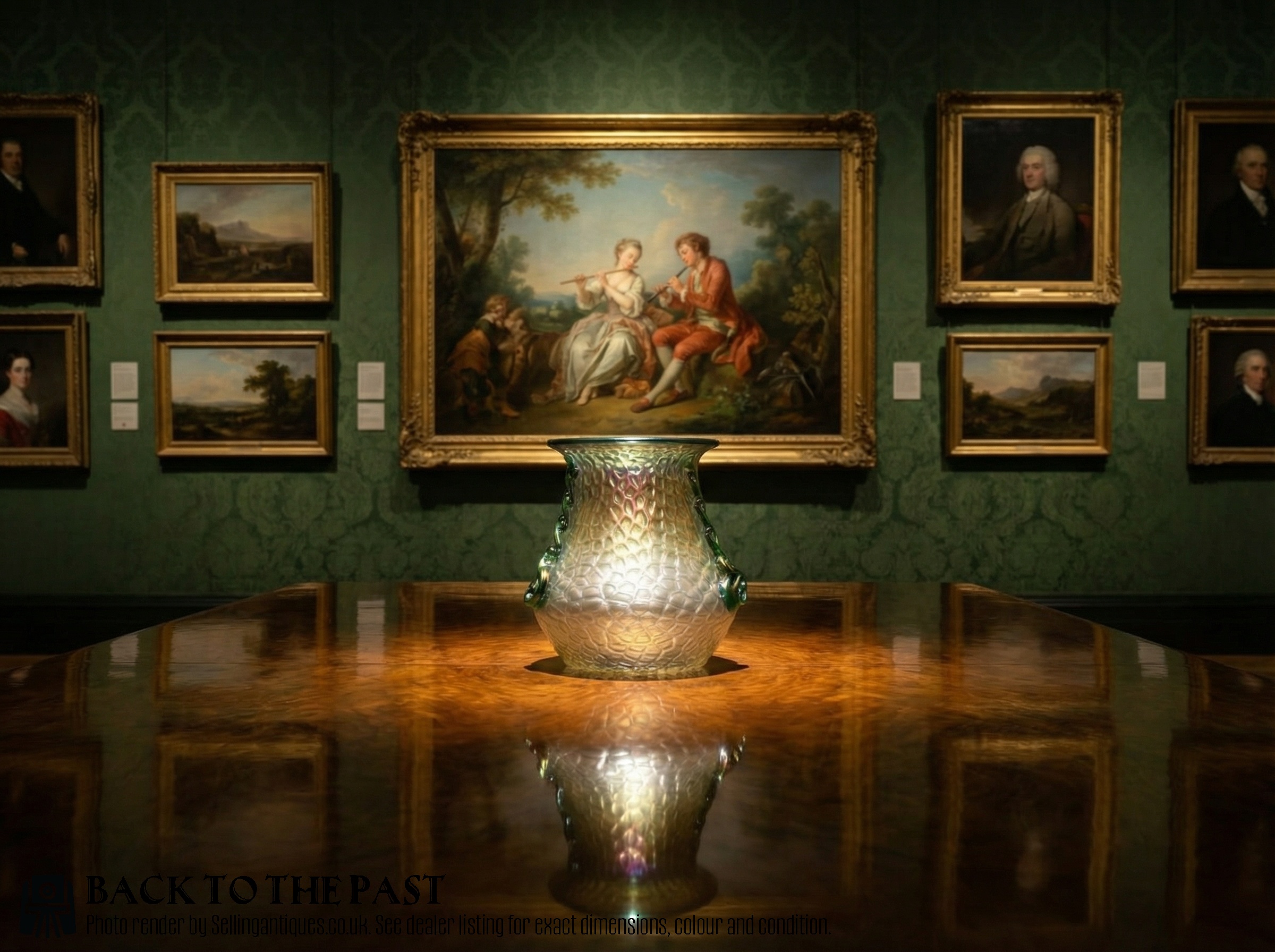
Antique Bohemian Glass
Glassmaking grew up in the wooded uplands of central Europe on timber, sand and potash, and by the 17th and 18th centuries the region was known for a hard, clear potash-lime glass that took deep cutting and engraving. In the 19th century its houses turned to coloured, flashed and cased glass for a wide export trade, and production carried on through the 20th century under Czech ownership.
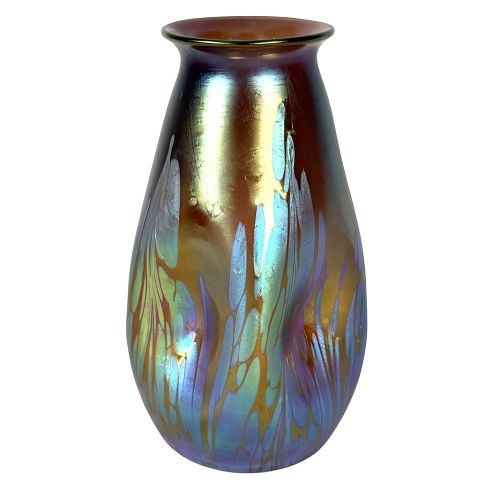
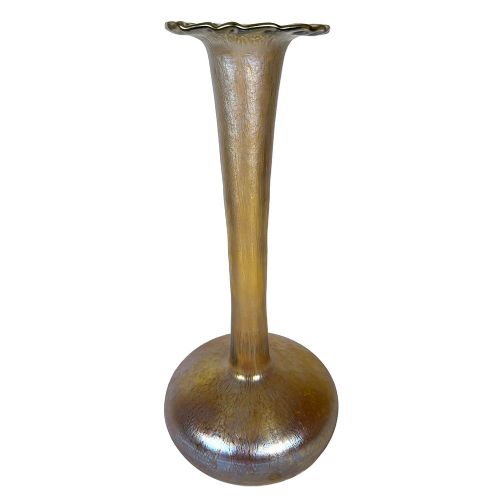
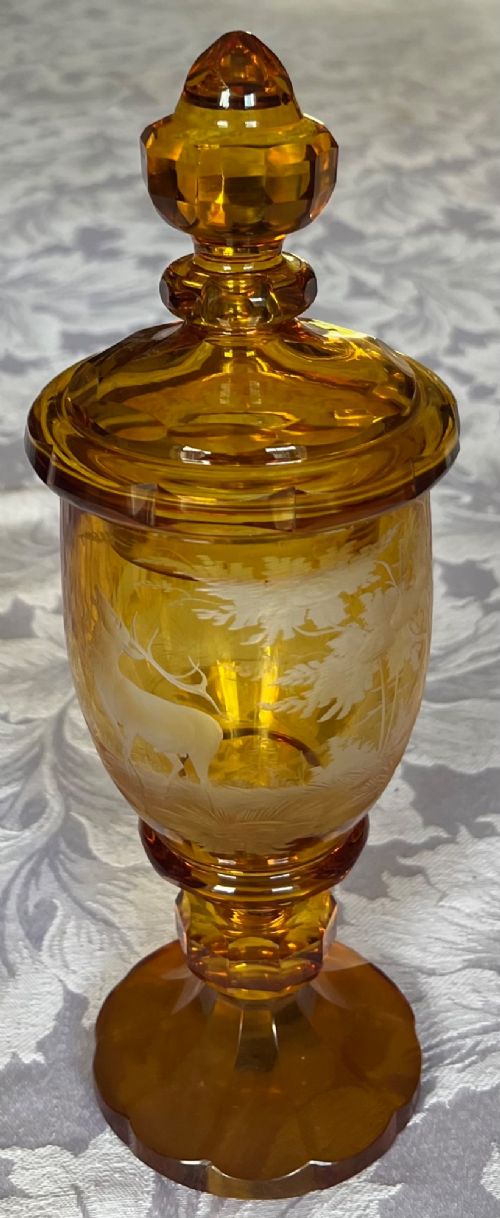
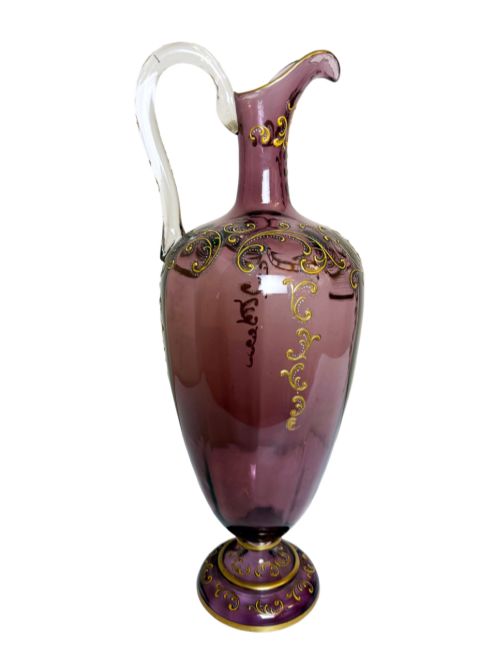
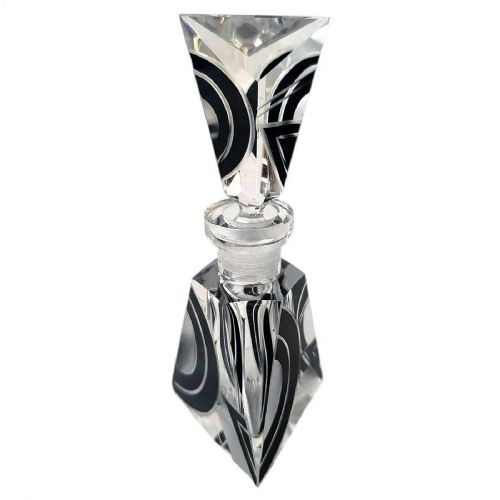
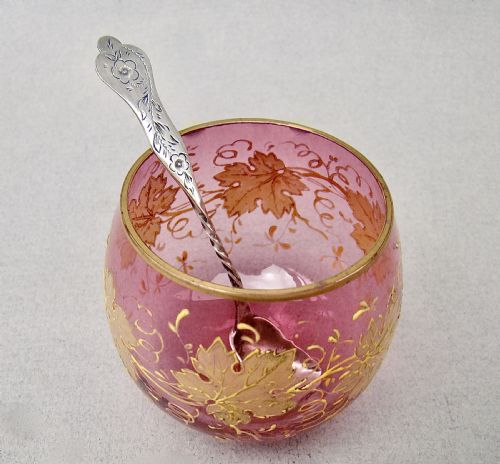
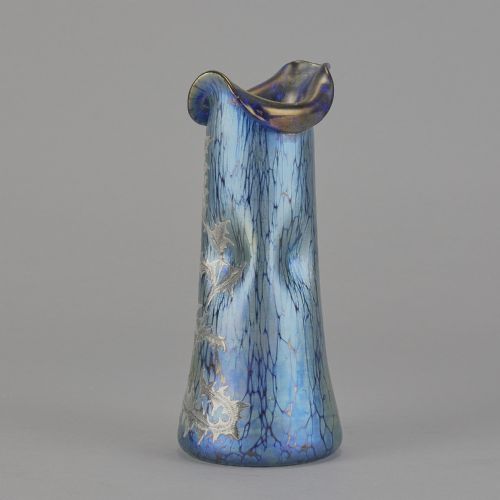
The archive splits into two strands. The 19th-century one is ruby, cranberry, amber and blue, flashed or cased and cut back through the colour, then engraved, gilded or hand-enamelled. The 20th-century one runs from Art Nouveau iridescent art glass to the hand-enamelled geometric Art Deco decanter sets and perfume bottles of about 1930.
These are vessels rather than ornaments. Vase leads the titles, with bottle, decanter, glasses and wine behind it, and the single most likely encounter is a coloured or cased vase, or a scent or perfume bottle, of the 19th century. Titles carry colour, technique and form far more often than a maker's name.
Dating is often approximate. Of 285 listings on Sellingantiques, 184 carry a clean year, and the field runs 1700 to 1950; the rest sit under "Victorian", "19th Century", "Georgian" or "Edwardian", and title dates usually come prefixed "c" or "circa". The 1930s is the most crowded decade, ahead of Victorian. Eighteenth-century material is a thin seam.
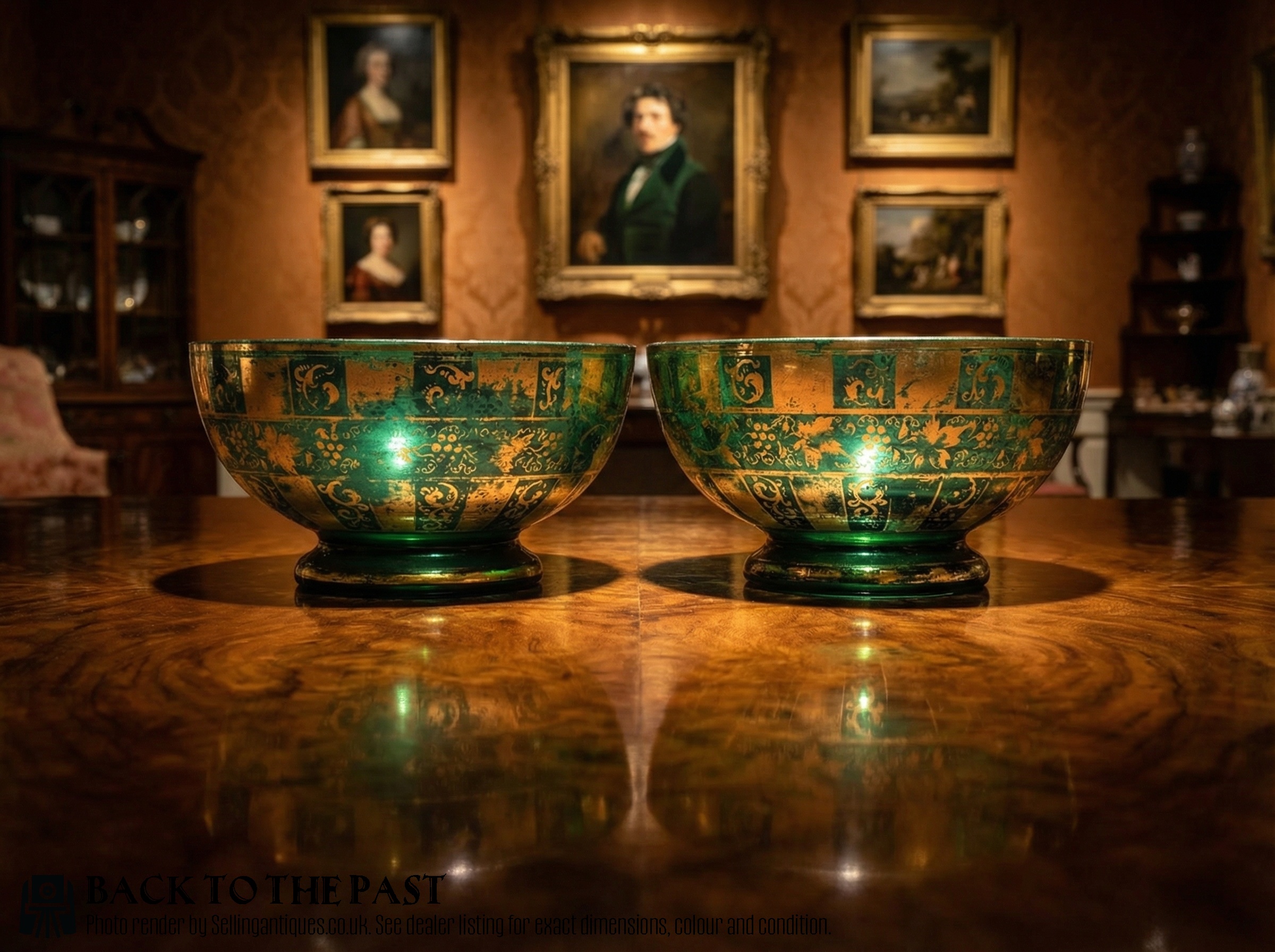
Where The Range Sits
Colour work is the first divide. A thin flash of ruby over clear, as on shot glasses and simple vases, sits at the bottom; multiple cased layers cut back through to clear, triple-cased gilt goblets and overlaid panelled vases sit at the top. The amount of glass cut away, and the number of layers under the cutting, is what separates them.
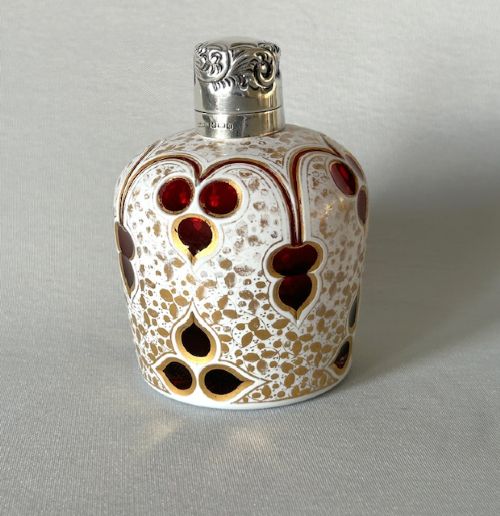
Hand decoration does the rest. Figurative and armorial enamelling, painted portraits and gilding push a piece upward, while plainly painted decoration stays in the middle. Silver mounts count too, and bring a hallmark with them, so a collar or top assayed at Exeter, London, Birmingham or Chester puts a date on a category that otherwise dates by eye.
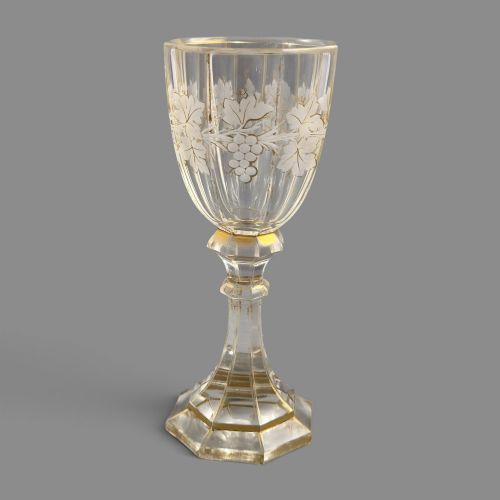
Completeness and date finish the argument. Pairs and sets of six recur as a unit, and a decanter with its six matching glasses and tray sits well above a single tot or tumbler. Early pieces climb: facet-cut goblets of about 1730, engraved tumblers of the 1720s and 30s, an armorial goblet given to c.1710-20. So does a named glasshouse or decorator in the title, though such names appear on single pieces rather than across the category.
Antique Bohemian Glass Retail Price Guide 2026
Typical UK retail prices for bohemian glass, calculated from the Sellingantiques database of over a million retail prices indexed since 2003. This retail price guide relies exclusively on Sellingantiques data; no external sources or auction records are used, so the figures do not describe the wider market.
The oldest piece to pass through Sellingantiques is an engraved wine goblet given to about 1680, with an armorial lidded goblet of about 1710 close behind.
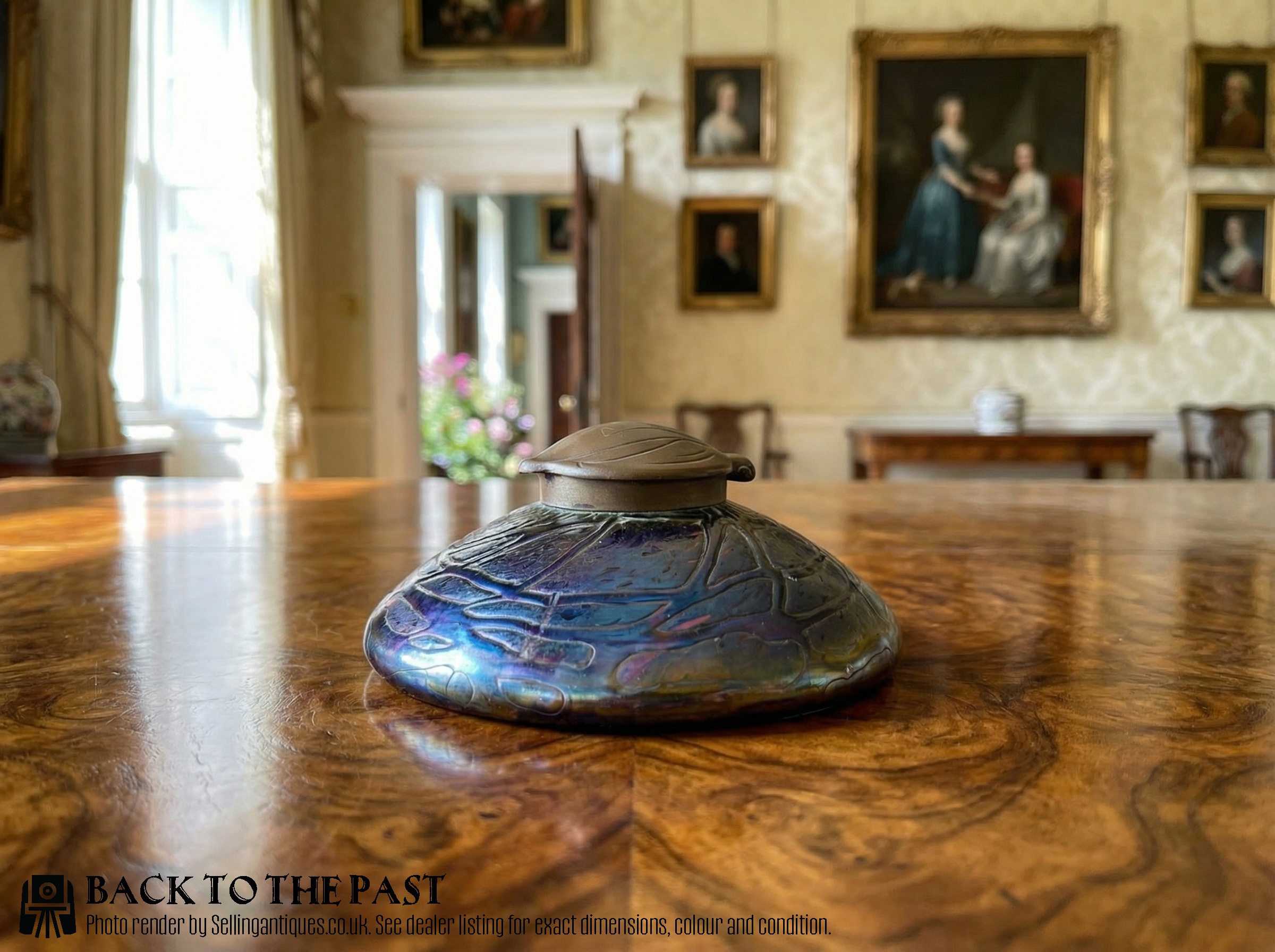
The Antique Bohemian Glass Glossary
- Overlay or cased
- A layer of coloured glass laid over clear, or over another colour, then cut back through. Listings also use overlaid, cased and triple cased.
- Flashed
- A thin film of colour on the surface rather than a thick casing. Ruby flash is the common form of the term in titles.
- Cut to clear
- Cutting through the coloured layer to show the clear body beneath, the standard effect of overlay glass.
- Cranberry and ruby
- The pink-red and the deeper red that dominate the 19th-century strand, and the two colour words that appear most in titles.
- Harlequin set
- A set of matching glasses each in a different colour, seen in sets of six hock or wine glasses.
- Mary Gregory
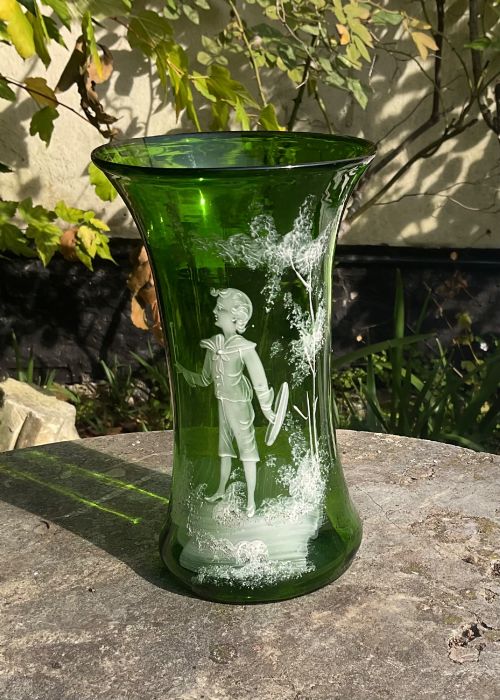
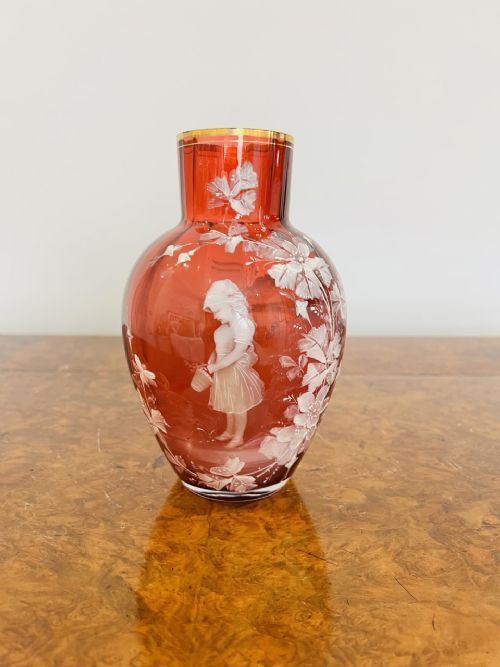
- A trade name for coloured glass painted with white enamel figures, usually children. It describes a decoration, not a workshop.
Antique Bohemian Glass: Frequently Asked Questions
What forms turn up most often?
Vases lead, well ahead of everything else, with bottles, decanters, drinking glasses and wine glasses behind. Scent and perfume bottles together make about a seventh of the archive, many with silver collars or tops.
One-off forms do appear. A decanter modelled as a dog, a crackle-glass serpent jug, a Jack in the Pulpit vase, a cigarette box, an inkwell, a chatelaine scent bottle and a glass bell pull each show up once and nowhere else.
How old is most of this glass?
The dated field runs from 1700 to 1950. The 1930s is the largest single bucket, ahead of listings marked simply Victorian, then the 1900s, a vague "19th Century", and the 1860s.
Earlier glass is thin on the ground. The earliest in the sampled titles is an engraved wine goblet given to about 1680, with an armorial lidded goblet of c.1710-20 and facet-cut goblets of c.1730 close behind.
Why do so few pieces carry a maker's name?
Titles describe colour, technique and form far more often than they name a firm. Overlay, ruby, cranberry, engraved, cut, enamelled and gilded do most of the work of identification.
Where a glasshouse or decorator is named, it tends to be one dealer's stock rather than a name running across the category. Those pieces sit in the upper half of the range.
What is Art Deco Czech glass?
It's the 20th-century strand, dated by dealers to about 1930, and it makes up much the largest share of current stock. Hand-enamelled geometric decoration on decanter sets and perfume bottles is the recurring form.
About a sixth of the archive falls here. Art Deco appears in 44 titles, Czech in 20.
Do drinking glasses come as sets?
Sets of six recur as a unit: six hock glasses, six wine glasses, six liqueur glasses, and decanter sets sold with six matching glasses. Pair appears in 32 titles.
Harlequin sets, where each of the six is a different colour, turn up among the hock and wine glasses. Roemers and single goblets appear on their own as well.
Was Bohemian glass made for markets outside Europe?
Yes. A cobalt decanter enamelled for the Persian Qajar market appears in the archive, as does a pair of royal blue jewelled hookah bases painted with portraits of Mozaffar al-Din Shah and dated 1315 Hijri.
The region's houses worked for a wide export trade from the 19th century, and pieces made to foreign taste surface among the more familiar vases and decanters.