

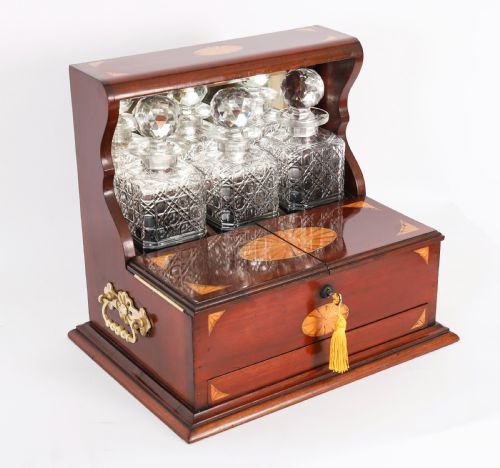


Antique Tantalus
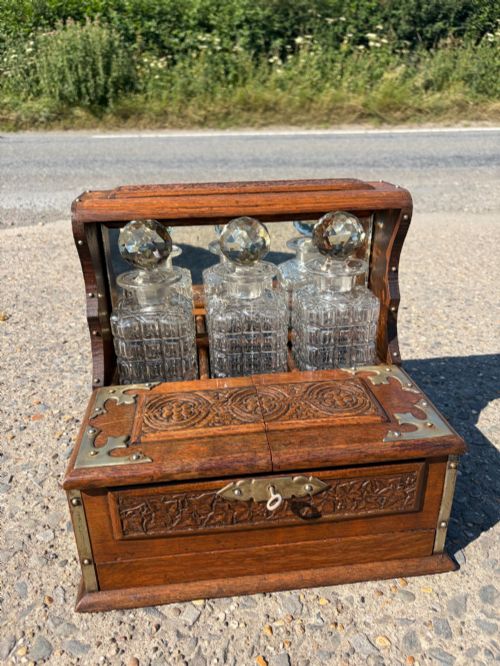
A tantalus is a lockable wooden or plated frame holding two, three or four decanters, built so spirits could stand on show in a dining or billiard room without anyone lifting a bottle out.
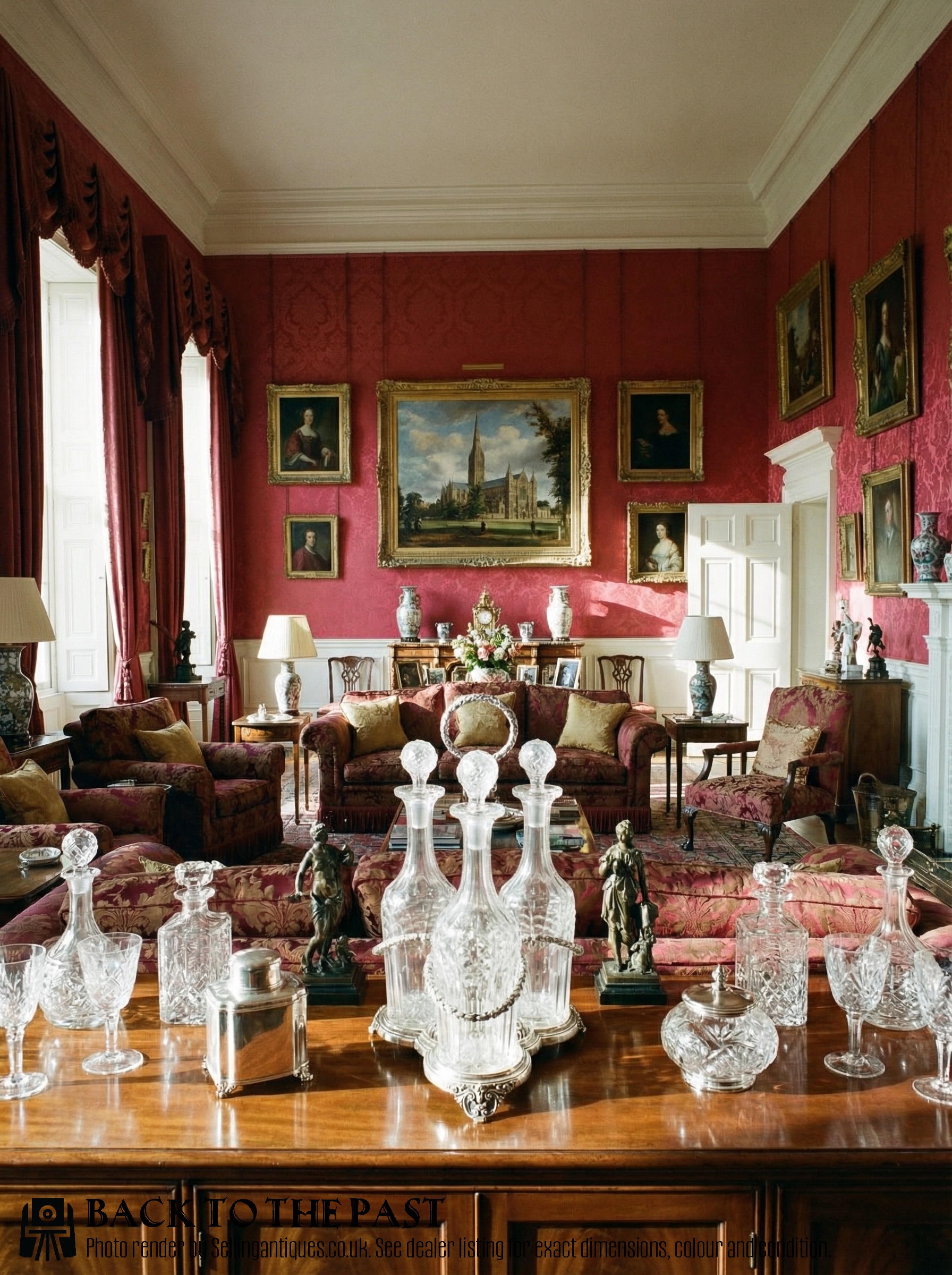
Antique Tantalus
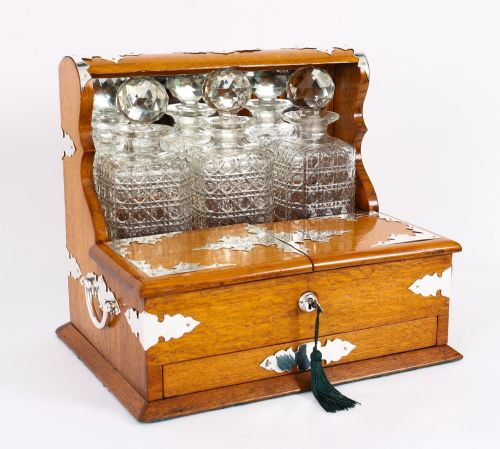
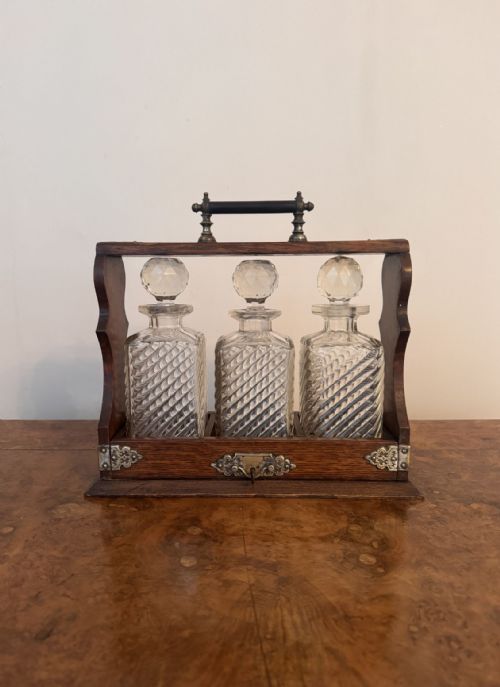
The frame locks, and that is the whole idea. A bar or hinged lid clamps over the decanter shoulders or necks so the bottles stay in sight and out of reach until the key turns. The name comes from Tantalus, kept within reach of what he could never take. The form belongs to the nineteenth century, when spirits were displayed rather than shut in a cupboard.
The one you are most likely to meet on Sellingantiques is a Victorian oak three-bottle case. Victorian appears in nearly half the titles here and oak in two fifths, usually with cut or plain glass decanters and sometimes silver-plated or brass mounts. Three bottles is the standard, though single-bottle, two-bottle and four-decanter frames all turn up.
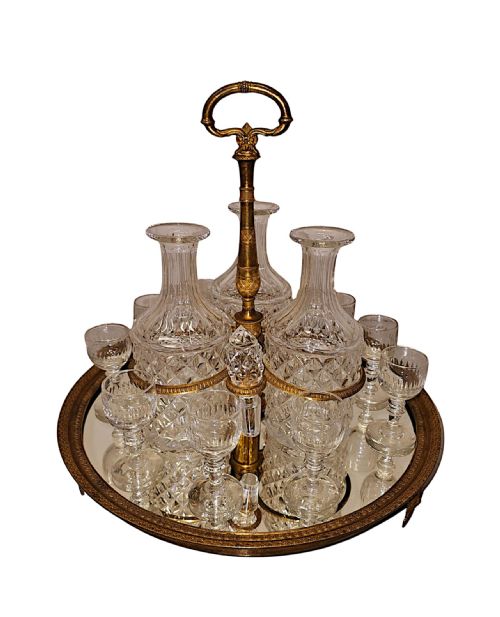
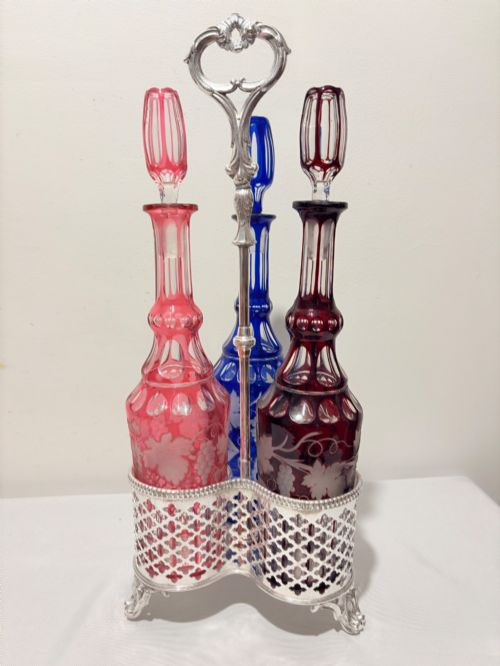
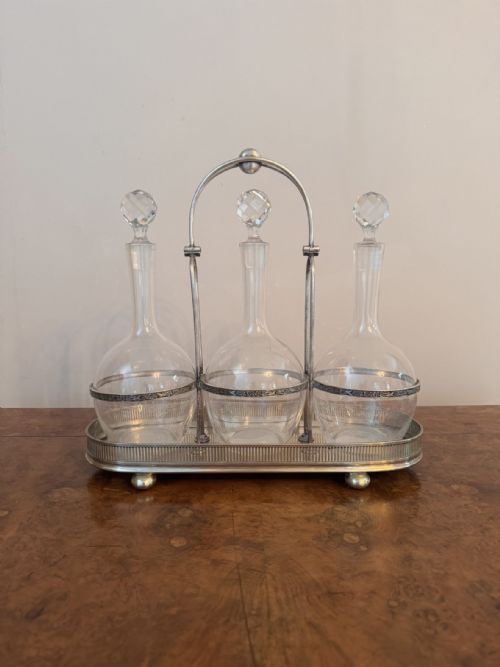
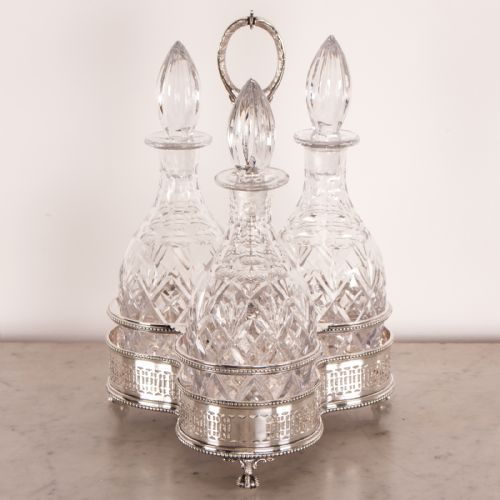
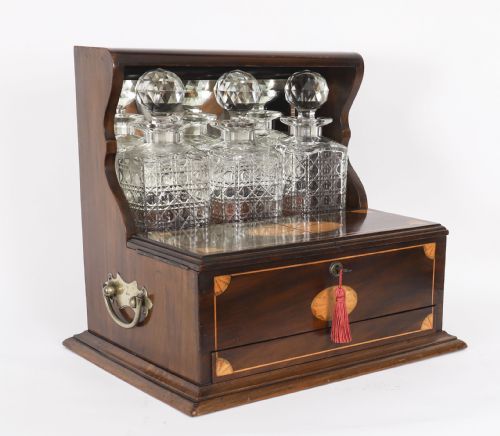
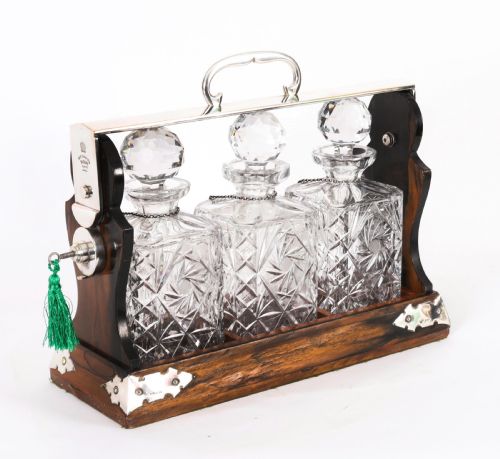
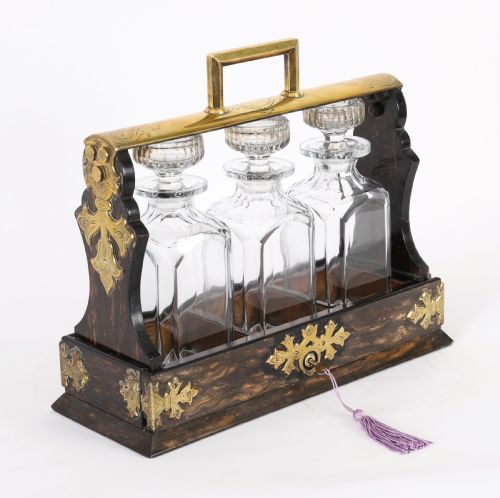
Beyond the oak core there are three other things you will see. Open silver-plated or brass decanter stands, no box at all, about a sixth of the archive and a growing share of live stock. Figured and exotic-wood cases in walnut, burr walnut, coromandel, mahogany, rosewood and the odd satinwood or calamander, roughly a quarter. And French cave \in and small glasses in glass and ormolu, a small tail but a distinct one.
Dealer dates run from 1850 to 1930, concentrating in the 1880s, 1890s and 1900s. Around one in ten cases carries a games compendium or games drawer under the decanters. Novelty forms surface occasionally: a miniature stagecoach, a jockey's cap, a stack of leather books, a bronze and ormolu elephant liqueur set.
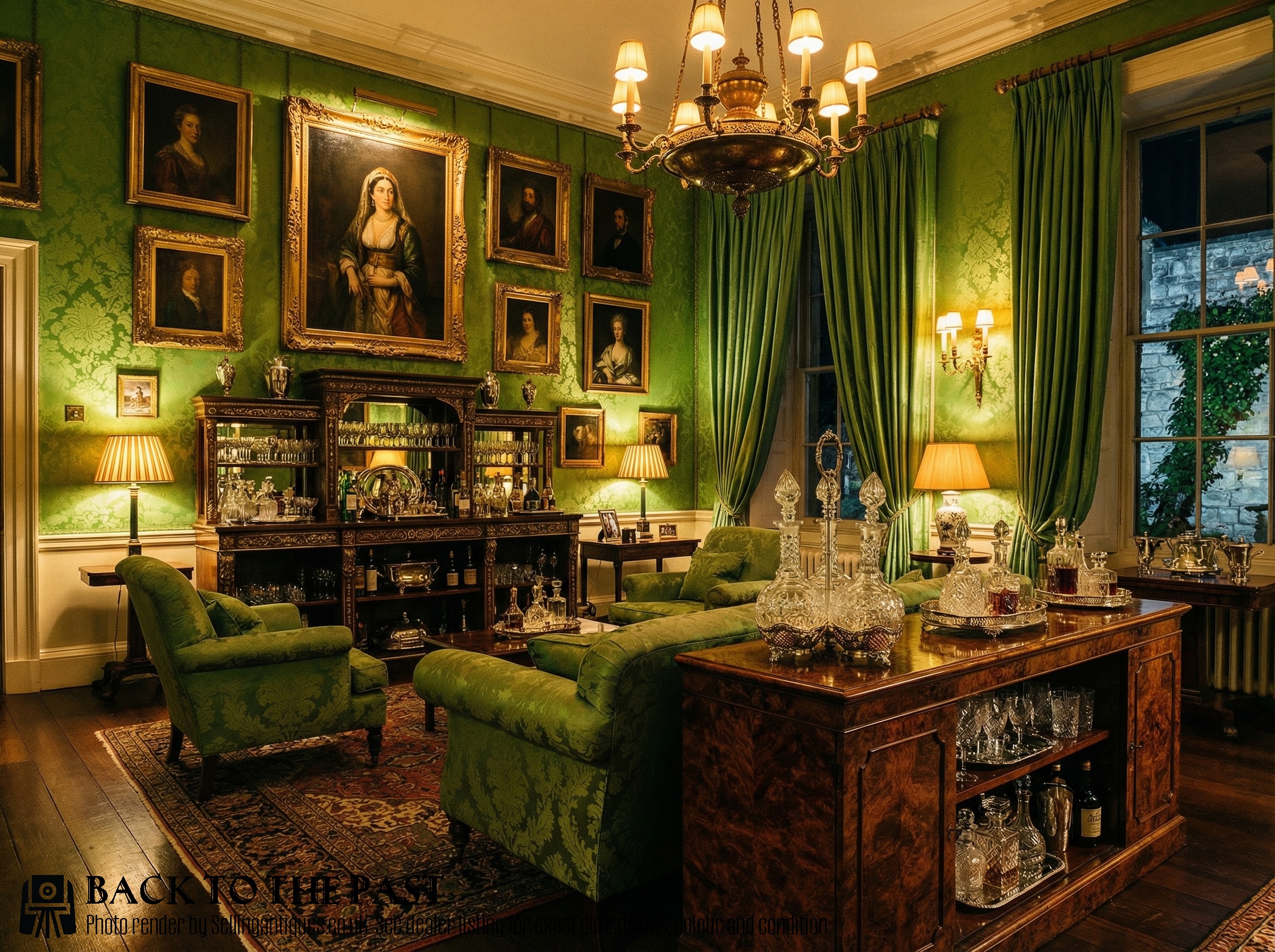
Where The Range Splits
Timber does most of the sorting. Plain oak three-bottle frames fill the lower half of the range, and they are the commonest thing in the category. Coromandel, burr walnut, rosewood, satinwood, calamander and thuya sit in the upper reaches, and the French ormolu-and-crystal sets sit above those again.
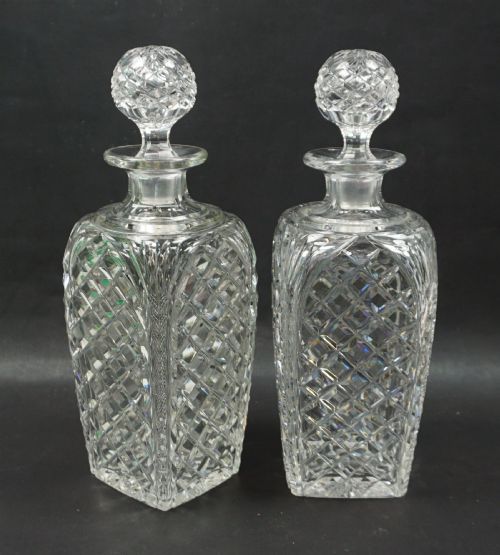
Then the glass and the fittings. Decanters described as cut crystal recur among the higher-priced titles, while plainer bottles go with the cheaper frames. Inlay counts too: marquetry, shell and mother-of-pearl, engraved brass and ormolu mounts all cluster toward the top. So does anything extra built into the case, a games compendium, a games drawer, secret drawers, or the fitted arrangement dealers call a dry bar.
A name lifts a piece as well. Betjemann is the only maker recurring in quantity across the archive, spelled half a dozen ways, and hallmarked or dated mounts appear on a handful of titles. Both tend to sit in the upper half rather than the bottom.
Antique Tantalus Retail Price Guide 2026
Typical UK retail prices for tantalus, calculated from the Sellingantiques database of over a million retail prices indexed since 2003. This retail price guide relies exclusively on Sellingantiques data; no external sources or auction records are used, so the figures do not describe the wider market.
Victorian is the period label used most on Sellingantiques for tantali, with the 1880s the busiest decade and the 1890s next.
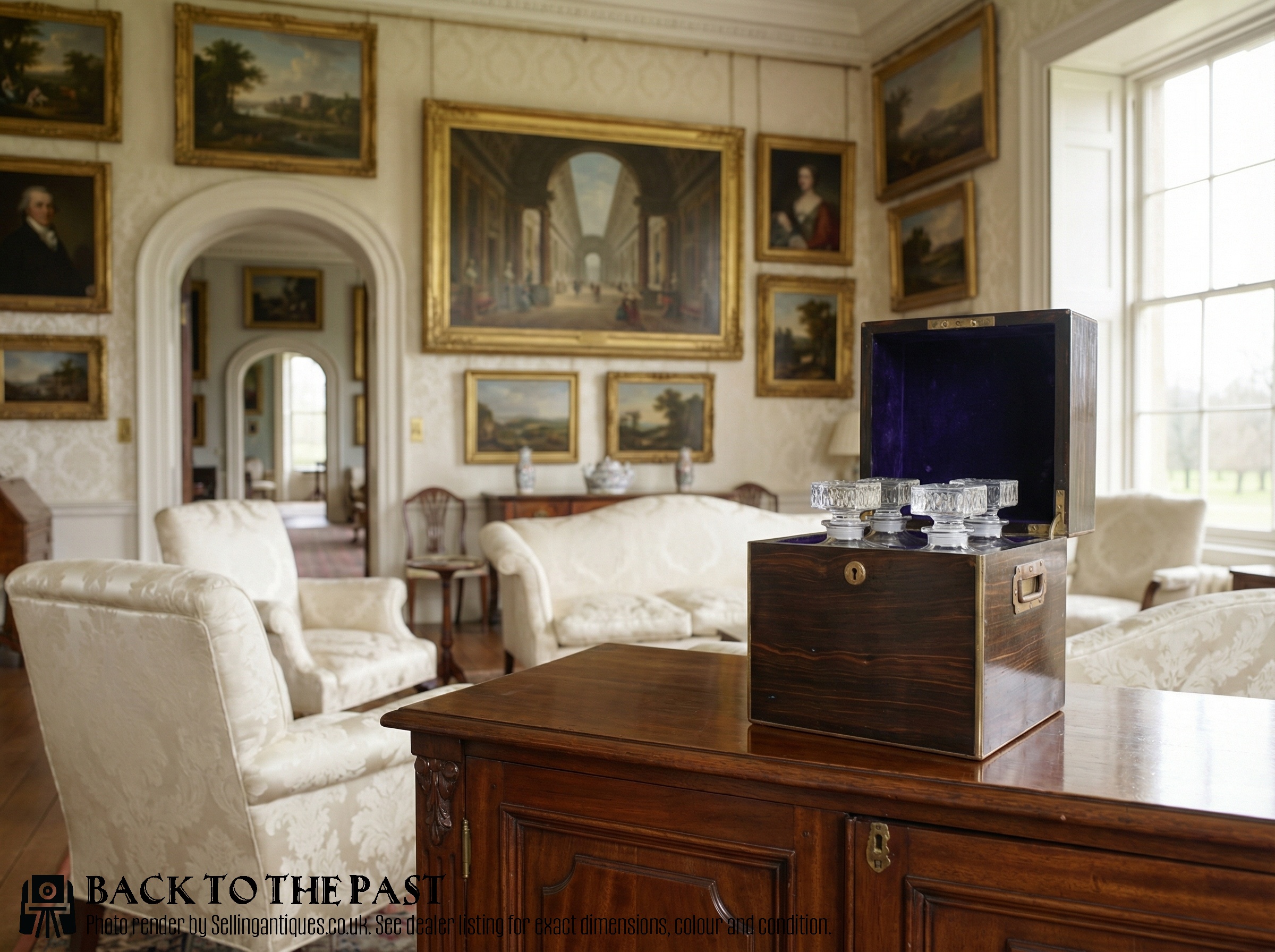
Betjemann·Mappin & Webb
The Antique Tantalus Glossary
- Tantalus
- A stand or case holding decanters that locks, so the bottles cannot be lifted out. The word covers both closed boxes and open frames.
- Three-bottle
- The standard capacity in this archive. Two-bottle, single-bottle and four-decanter frames all occur, and the count is usually given in the title.
- Decanter stand
- An open carrier in metal or wood rather than a closed case. Silver-plated triple stands are the common version.
- Dry bar
- A trade phrase used in a dozen titles for a tantalus fitted out as a small drinks cabinet rather than a bare decanter frame.
- Cave à liqueur
- A Continental fitted liqueur case of decanters and small glasses, appearing here mostly as French glass-and-ormolu sets.
- Coromandel
- A dark striped exotic hardwood, named in twenty titles and concentrated at the top of the range.
Antique Tantalus: Frequently Asked Questions
Why is it called a tantalus?
The name alludes to Tantalus, kept in sight of what he could not reach. The decanters sit on open display but stay locked into the frame.
It was a household arrangement: spirits out on the sideboard, but nobody helping themselves.
How many decanters does one hold?
Three is the standard, and the phrase turns up in dozens of titles on Sellingantiques.
Two-bottle frames are common as well, and the archive holds single-bottle examples and a handful of four-decanter cases.
What wood are they usually made from?
Oak dominates, in two fifths of titles, often described as golden, blonde or polished oak. Victorian oak is the single commonest pairing.
Walnut, burr walnut, coromandel and mahogany make up much of the rest, with rosewood, satinwood, calamander and thuya appearing far less often.
What period do they date from?
Dealer dates run from 1850 to 1930. The 1880s is the busiest decade, followed by the 1890s and 1900s.
Victorian is the label attached to nearly half the titles, with Edwardian a distant second. Anything claimed earlier than 1850 is isolated here.
What is a games compendium tantalus?
A case with a fitted drawer of games beneath the decanters. Around one in ten examples in the archive doubles this way.
They sit above the middle of the range, since the extra fitment adds to what a buyer is getting.
Are silver-plated tantaluses different from cased ones?
Yes. A plated or brass frame is an open carrier, the decanters visible on all sides, with a locking bar across the tops.
They account for about a sixth of the archive, and their share of current stock is higher than their share of past sales.