



Victorian Cobalt Glass Vessel
These Victorian cobalt glass vessel pieces bring deep blue colour to a room, valued for their rich glass tones and polished silver mounts.
Victorian Cobalt Glass Vessel
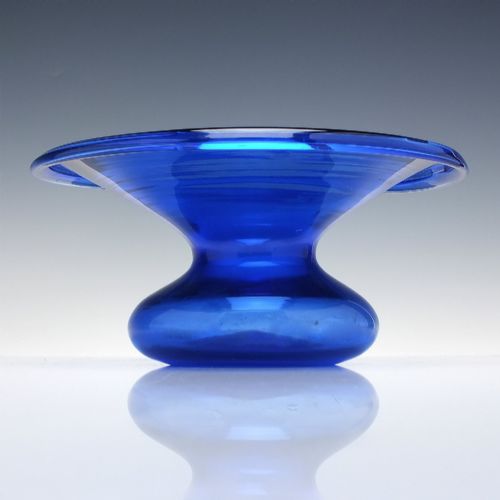
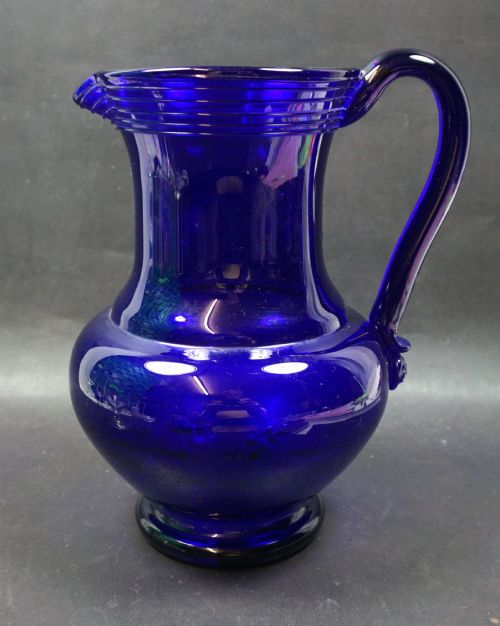
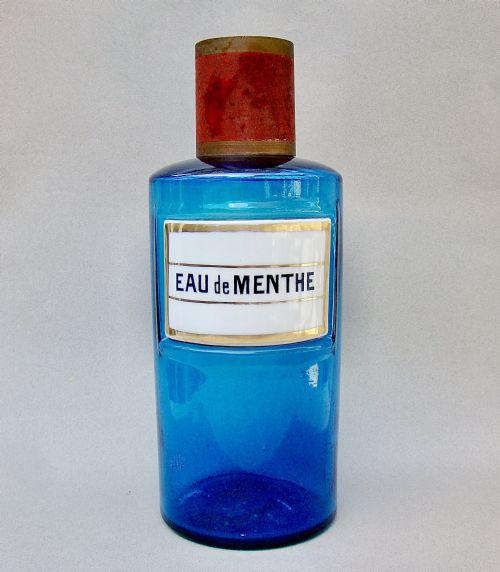
When someone searches for a Victorian cobalt glass vessel, they find a range of deep blue pieces made during the nineteenth century. These objects span functional containers like apothecary jars and mustard pots to decorative vases and jugs.
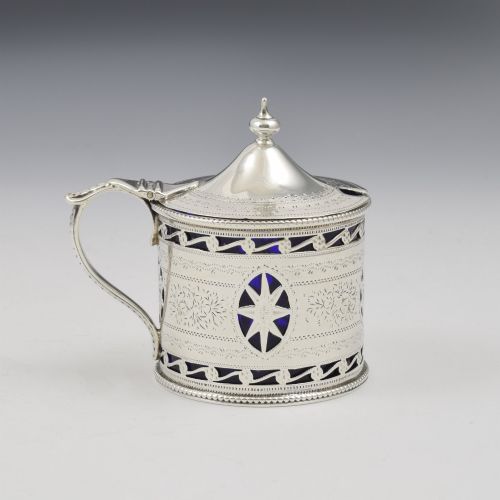
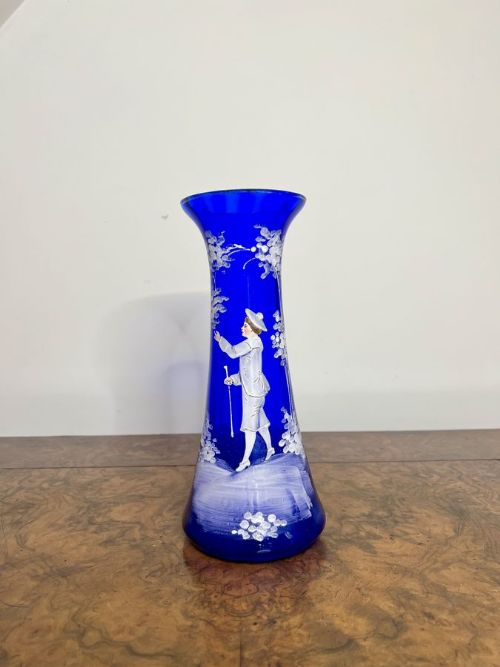
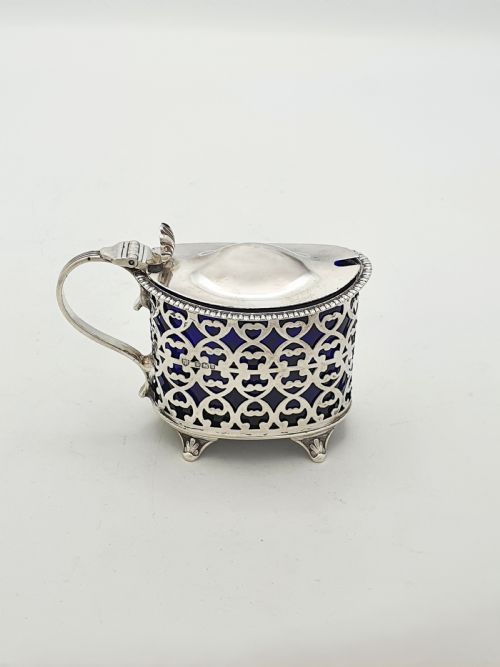
The most common examples on this page are mustard pots fitted with pierced sterling silver mounts, alongside apothecary bottles and glass vases. Pieces often originate from English, French or Bohemian makers working in the Victorian period and around nineteen hundred.
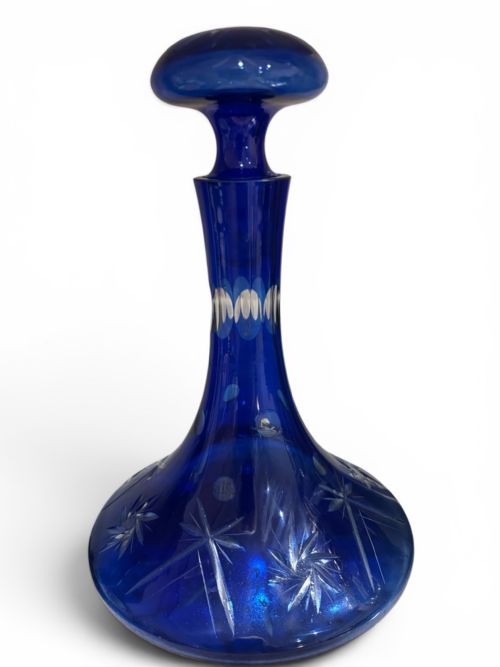
Forms vary from large display vessels to small table items, sometimes featuring cut glass or enamel painted decoration. Collectors encounter both utilitarian pharmacy wares and domestic dining table accessories in these rich hues.
How they were made
Glassmakers produced these vessels using molten glass coloured with cobalt oxide to achieve deep blue or turquoise shades. Skilled workers shaped the hot material by hand or mouth-blowing into moulds, occasionally applying cut to clear techniques.
Mounts and lids utilise sterling silver, often pierced into decorative patterns by silversmiths. Enamel painting and white glass labels are applied to the surface of select bottles and vases for identification or decoration.
Victorian Cobalt Glass Vessel Retail Price Guide 2026
Typical asking prices for victorian cobalt glass vessel among the pieces listed under this phrase on Sellingantiques today, from the lower quarter to the upper quarter. They describe what is for sale here now, not the wider market.
Current listings feature glass, sterling silver, enamel, and porcelain across Victorian and early twentieth-century periods.
What varies in quality
Quality rests on the depth of the cobalt colour and the clarity of the glass itself. Heavier vessels with crisp cut details or finely pierced silver mounts sit at the upper end of the range.
Simpler moulded items without metal fittings or decorative enamel work represent standard utilitarian production. The presence of hallmarks on silver components and intact painted details distinguish finer workshop output.
Nathan and Hayes
The Victorian Cobalt Glass Vessel Glossary
- Cobalt glass
- Glass coloured deep blue by the addition of cobalt oxide during melting. This material remains stable and retains its intense hue across centuries.
- Apothecary jar
- A container utilised by chemists and pharmacists for storing dry drugs or liquids. These jars often feature painted labels or ground glass stoppers.
- Mustard pot
- A small lidded container designed for holding prepared mustard on dining tables. Victorian examples frequently pair blue glass liners with pierced sterling silver frames.
- Cut to clear
- A decorative technique where an outer layer of coloured glass is cut away to reveal a clear layer underneath. This creates sharp geometric or floral patterns.
- Sterling silver
- An alloy of silver containing ninety-two point five percent pure silver and seven point five percent other metals. Silversmiths employed this material for mustard pot lids and frames.
Victorian Cobalt Glass Vessel: Frequently Asked Questions
What is a Victorian cobalt glass vessel used for?
These items served various practical and decorative roles in the nineteenth century, from holding dry medicines in apothecary shops to serving condiments at the dining table.
Vases and jugs functioned primarily as decorative ornaments in parlours, catching the light with their deep blue colour.
How can I tell the period?
Examine the silver mounts for hallmarks, which include date letters and maker marks that pinpoint the exact year of manufacture. Pontil marks on the base of the glass and the style of the hand-painted labels also indicate nineteenth-century origin.
English and Bohemian pieces from this era show distinct manufacturing traits, such as heavier walled vessels and characteristic cut patterns.
Are all blue glass items Victorian?
Not all blue glass originates from the Victorian era, as similar colours were produced during earlier Georgian periods and later twentieth-century decades. The specific combination of vessel forms, silver mount styles, and manufacturing techniques helps confirm the period.
Consulting hallmarks on attached silver components provides the most reliable dating evidence.