



Blue Glass Bowl
When collectors search for a blue glass bowl, they encounter pieces spanning Georgian tablewares to Art Deco opalescent showpieces.
Blue Glass Bowl
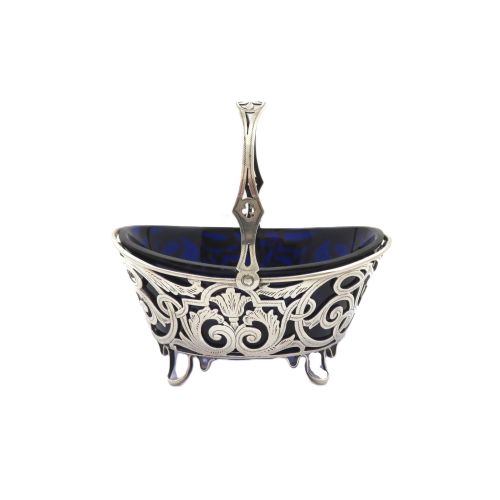
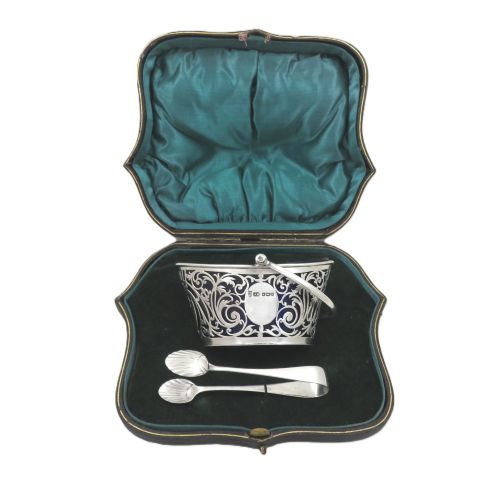
A blue glass bowl encompasses several distinct forms, from Georgian table glass and Victorian silver-mounted liners to twentieth-century opalescent table art.
The selections frequently feature rich cobalt vessels, translucent opalescent table service items, and deeply coloured art glass creations.
Pieces range from simple eighteenth-century functional vessels to decorative French and British modernist editions spanning the decades.
Materials and Techniques
Makers utilised free-blown, mould-blown, and pressed glass techniques, often combining deep cobalt or opalescent formulas with metal mounts.
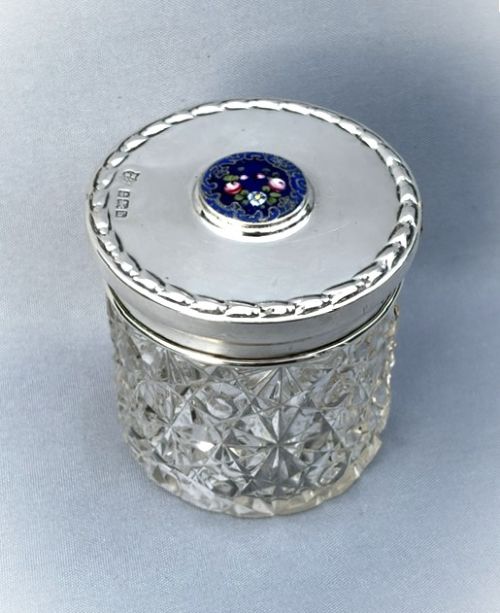
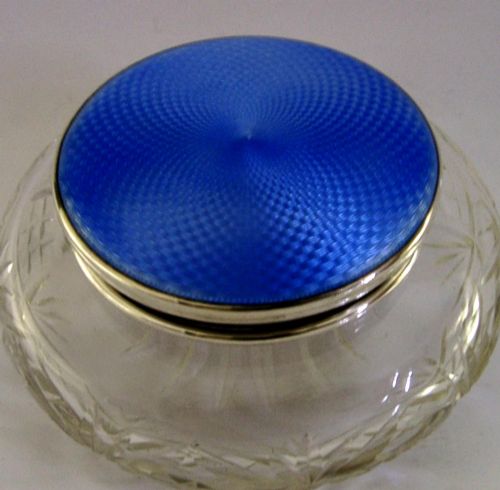
Silver work, enamel painting, and copper overlays frequently complement the glass bodies, particularly in British and continental European examples.
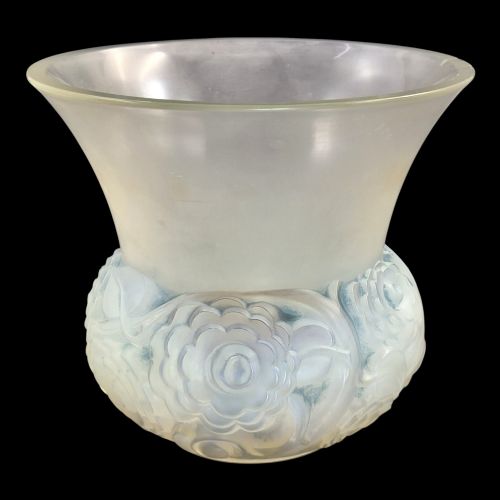
The listings span from 18th-century Georgian tablewares through Victorian silver-mounted designs to 1930s Art Deco opalescent glass.
Assessing Quality
Quality depends upon the crispness of moulding, the depth and consistency of the body colour, and the precision of any metal mountings.
Mastery in finishing, such as hand-applied enamel details or clean wheel-cutting, separates standard utilitarian wares from superior artistic productions.
Rene Lalique·Val St Lambert·Baccarat·Loetz·Wedgwood
The Blue Glass Bowl Glossary
- Opalescent Glass
- Glass containing agents that cause parts of the piece to appear milky-blue in transmitted light and amber in reflected light. This effect defines many twentieth-century decorative vessels.
- Cobalt Glass
- A deep blue glass coloured by the addition of cobalt oxide during the melting process. It remains intensely vibrant across all lighting conditions.
- Latticinio
- A type of glasswork featuring fine white or coloured glass threads embedded within a clear or tinted matrix. It appears in traditional sugar bowls and decorative vessels.
- Monteith
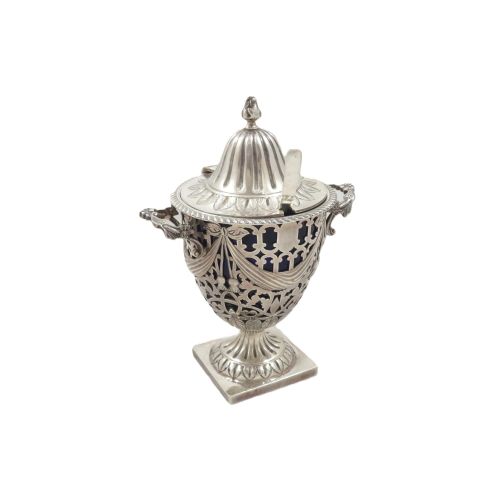
- A bowl with a scalloped or notched rim historically used for chilling wine glasses. Some examples incorporate blue glass liners or rims.
- Pate de Verre
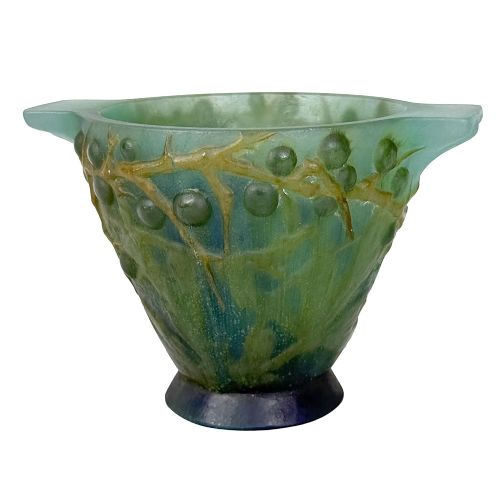
- A method of glass casting where finely crushed glass is packed into a mould and fused in a kiln. This technique yields textured, dense, multicoloured objects.
Blue Glass Bowl: Frequently Asked Questions
How do I date a blue glass bowl?
Dating relies upon examining the pontil mark, the shade of the blue pigment, and any associated silver hallmarks or registration numbers.
Earlier eighteenth and nineteenth-century pieces often display pontil scars and hand-finished traits, whereas twentieth-century items frequently feature moulded signatures or distinct modernist styling.
Were these bowls used for sugar?
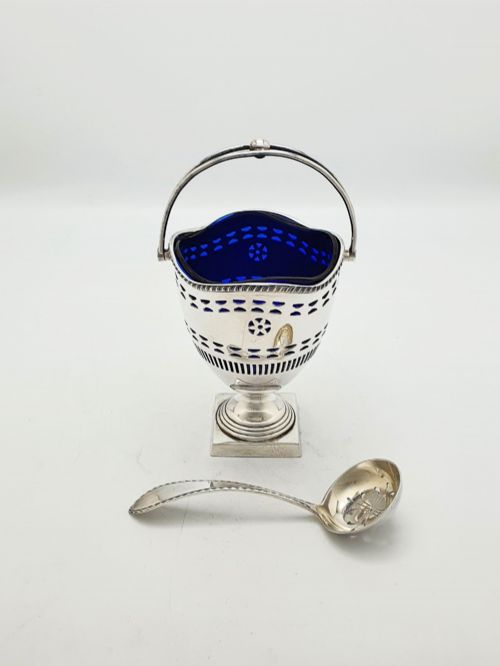
Many smaller blue glass vessels served as liners for silver sugar baskets or functioned independently on Georgian tea tables.
Their rich colour contrasted pleasantly with refined white sugar loaf lumps during formal afternoon tea rituals.
What is opalescent glass?
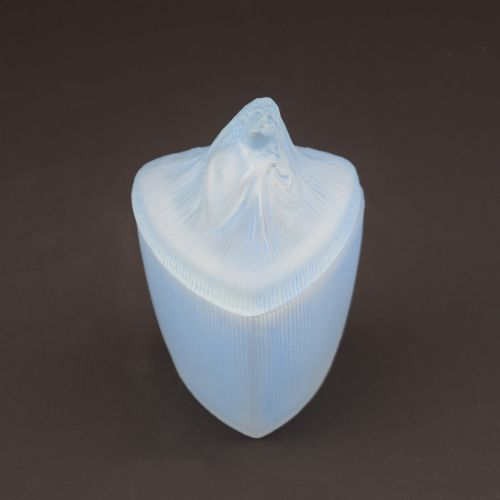
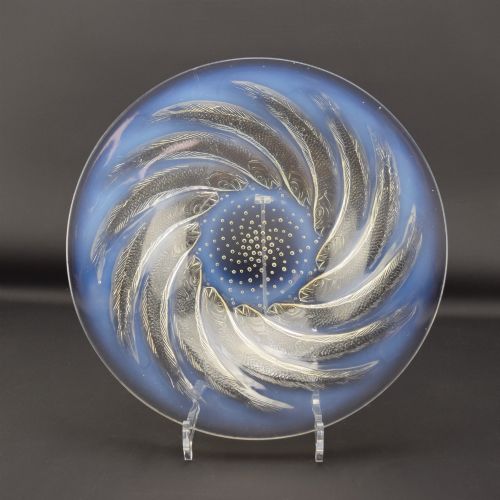
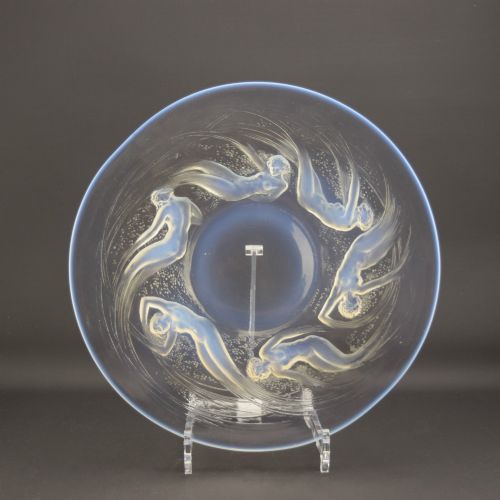
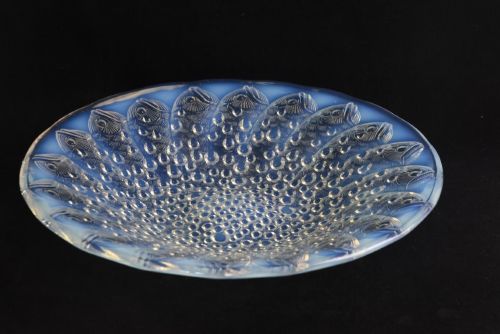
Opalescent glass is a semi-translucent material that scatters light to create milky-blue highlights across raised surface reliefs.
This technique gained massive popularity during the Art Deco period, championed by major French and British designers.
How should I display a blue glass bowl?
Displaying these pieces near natural light sources allows the translucent cobalt and opalescent tones to illuminate fully.
Placement on white surfaces or glass shelves enhances the depth of the colour without competing visual distractions.