
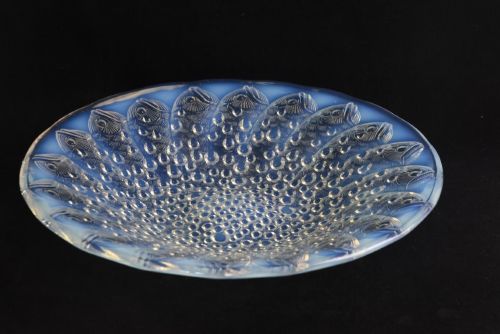
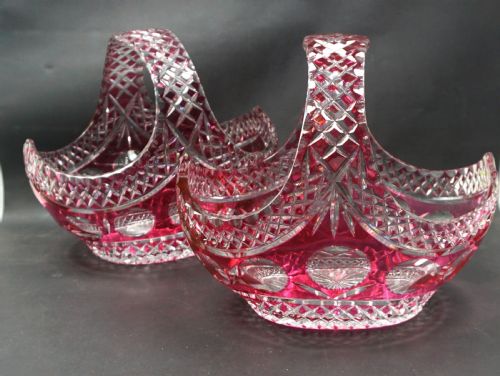


Vintage Glass Centerpiece
A vintage glass centerpiece commands the middle of a dining table, combining heavy moulded crystal or delicate opalescence with metal mounts to anchor a room.
Vintage Glass Centerpiece
A vintage glass centerpiece serves as a decorative table focal point, drawing together functional serving vessels and ornamental displays from across the nineteenth and twentieth centuries.
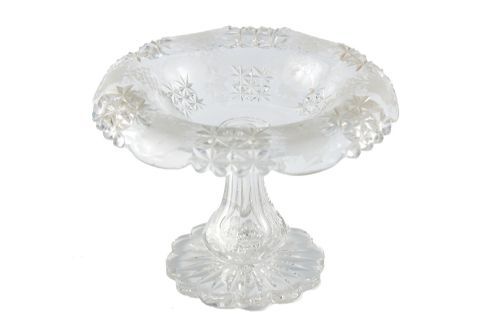
The versions met most often combine moulded, cut or hand-blown glass with metal supports, ranging from low bowls to multi-tiered epergnes.
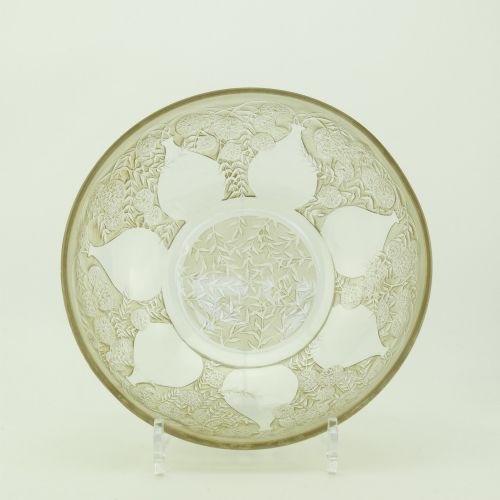
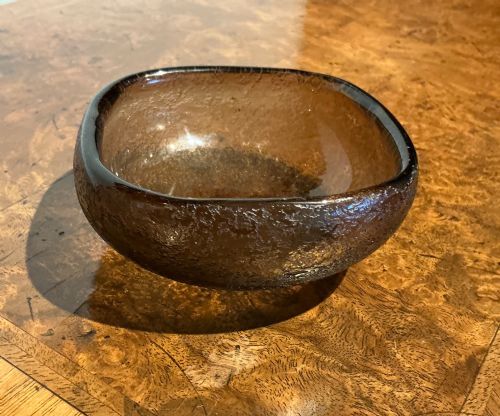
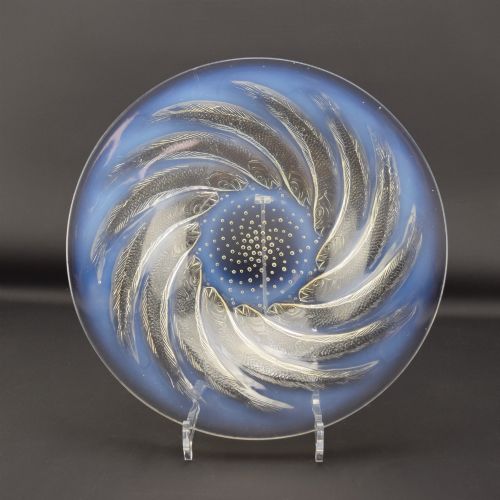
Makers shaped these items across distinct periods, from Victorian cut glass and Edwardian dishes to Art Deco opalescent bowls and mid-century designs.
Materials and construction
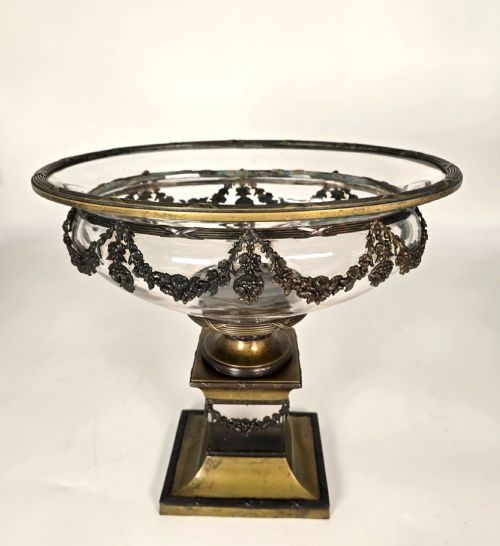
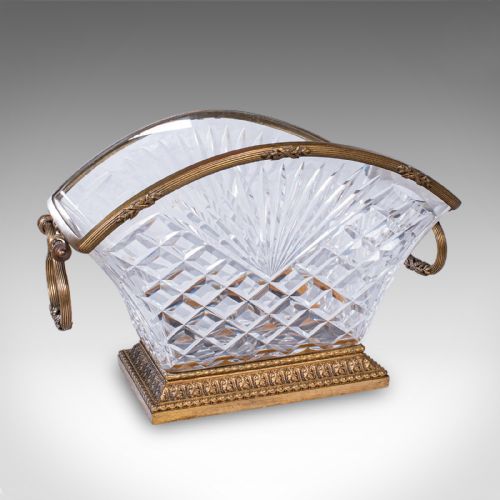
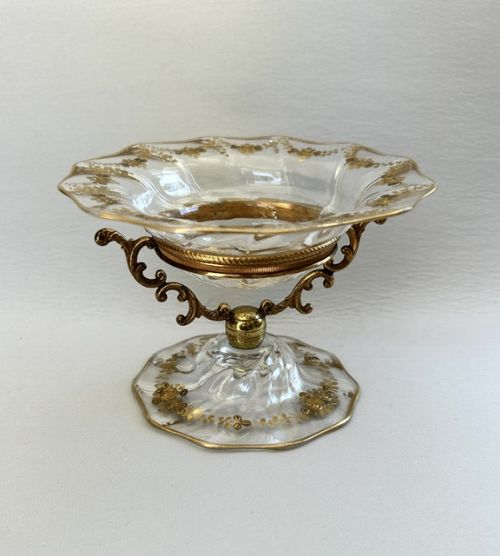
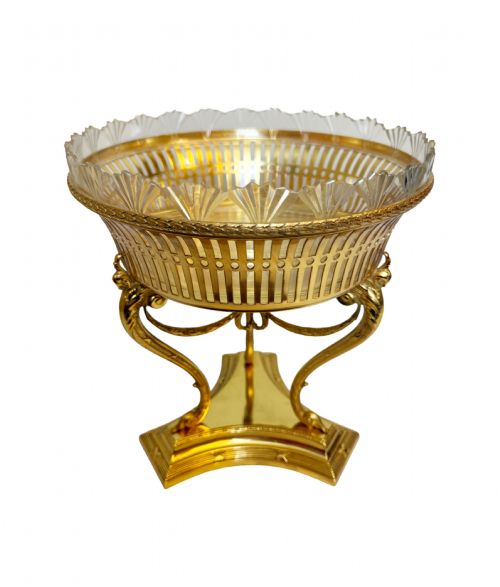
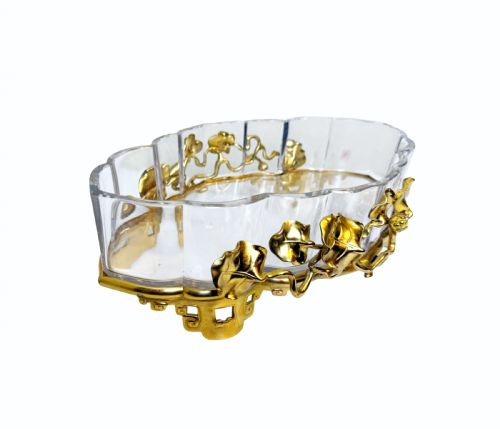
Makers combined lead crystal, cut glass and opalescent glass with metal components such as silver plate, gilt bronze and ormolu.
Techniques involved hand-blowing, deep cutting, acid etching and moulding, often mounting the glass body within a cast metal frame or stand.
Listings span periods from the Victorian era and 1880 through Art Deco and the 1960s, utilising cut glass, opalescent glass, and gilt bronze.
Judging quality
The distinction between ordinary and superior pieces rests on the crispness of the glass cutting, the depth of the moulding, and the weight of the metal mounts.
Artistic execution dictates value, separating standard production wares from signed works by notable designers and established glasshouses.
Rene Lalique·Val St Lambert·Murano·Daum France·St Louis glassworks·Graystan
The Vintage Glass Centerpiece Glossary
- Epergne
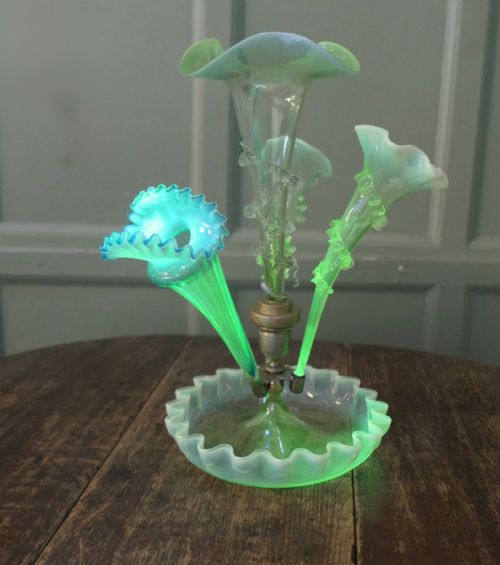
- A tiered ornamental centerpiece with multiple trumpets or baskets for holding fruit or flowers. This form appears frequently in Victorian tablewares.
- Opalescent Glass
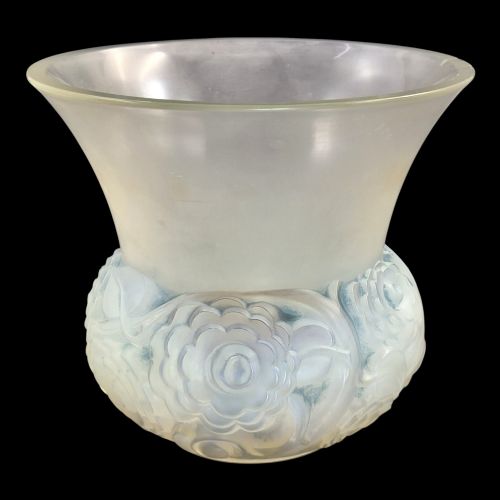
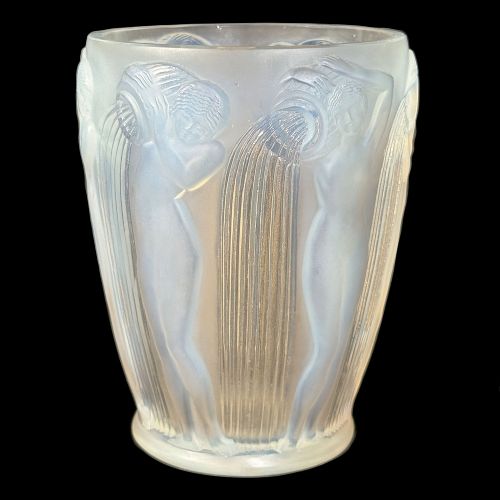
- Glass containing bone ash or other agents that creates a milky, translucent quality with blue or fire-like highlights at the edges. This effect defines many Art Deco pieces.
- Ormolu
- Gilded bronze mounts applied to the base or rim of a glass vessel. This technique adds structural support and decorative contrast.
- Cut Glass
- Glass decorated by grinding facets or patterns into the surface using a rotating wheel. Deep cutting creates sharp light refraction.
Vintage Glass Centerpiece: Frequently Asked Questions
How do I use a centerpiece today?
These pieces sit directly on a dining table, sideboard or coffee table as a standalone decorative object or holding fruit.
Larger versions with trumpets or epergnes suit floral arrangements, while shallow bowls work well empty to display the glass quality.
How do I clean antique glass?
Wash the glass by hand in lukewarm water using a mild, non-abrasive detergent.
Keep metal mounts dry and away from harsh cleaning liquids to preserve the gilt bronze or silver plate.
How can I tell Victorian from Art Deco pieces?
Victorian items typically feature heavy cut glass, cobalt blue hues or silver-plated frames with floral motifs.
Art Deco examples lean towards geometric shapes, opalescent finishes and moulded signatures from twentieth-century makers.
What metals are used in the mounts?
Frames and stands commonly employ gilt bronze, ormolu, or silver plate to secure and elevate the glass bowls.
These metals provide stability for heavy crystal centrepieces while adding contrasting colour.