


Antique Glass Epergne
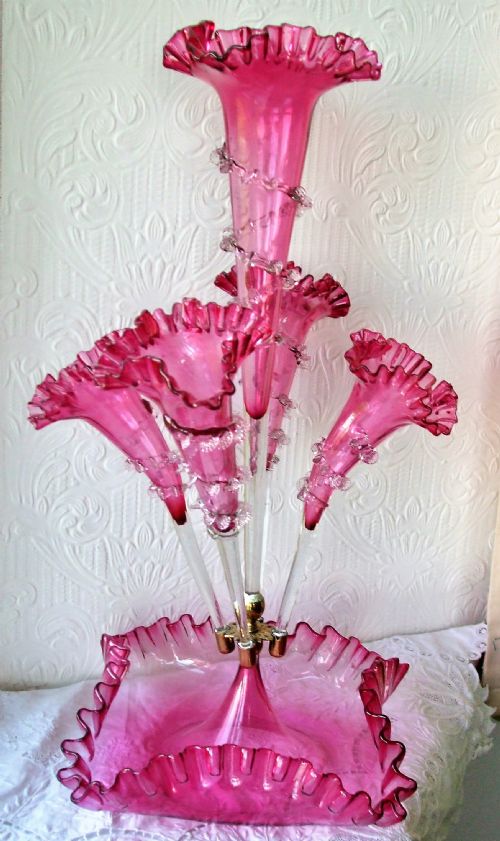
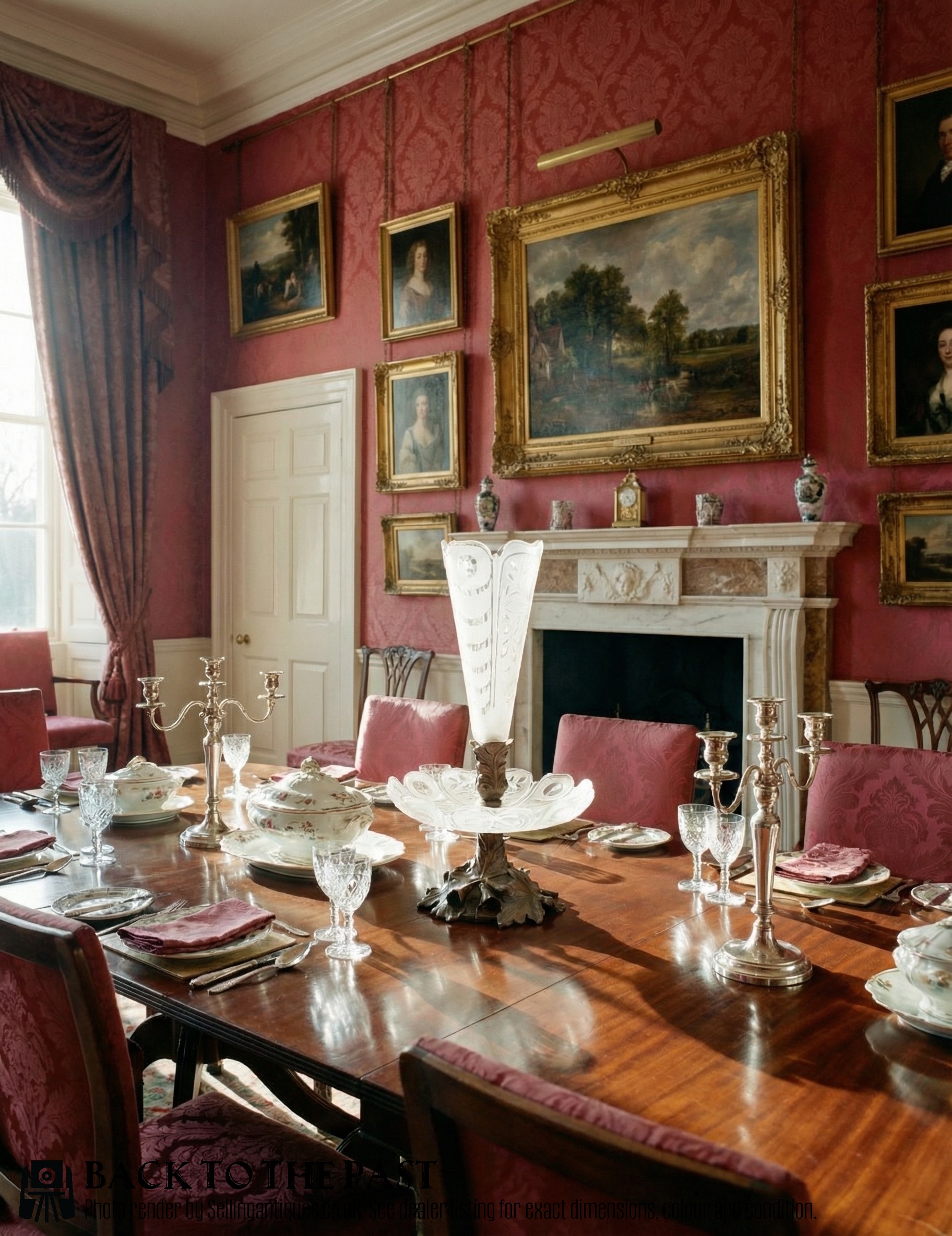
An antique glass epergne brings height and dramatic colour to a dining table with its tiered trumpet vases and central bowl.
Antique Glass Epergne
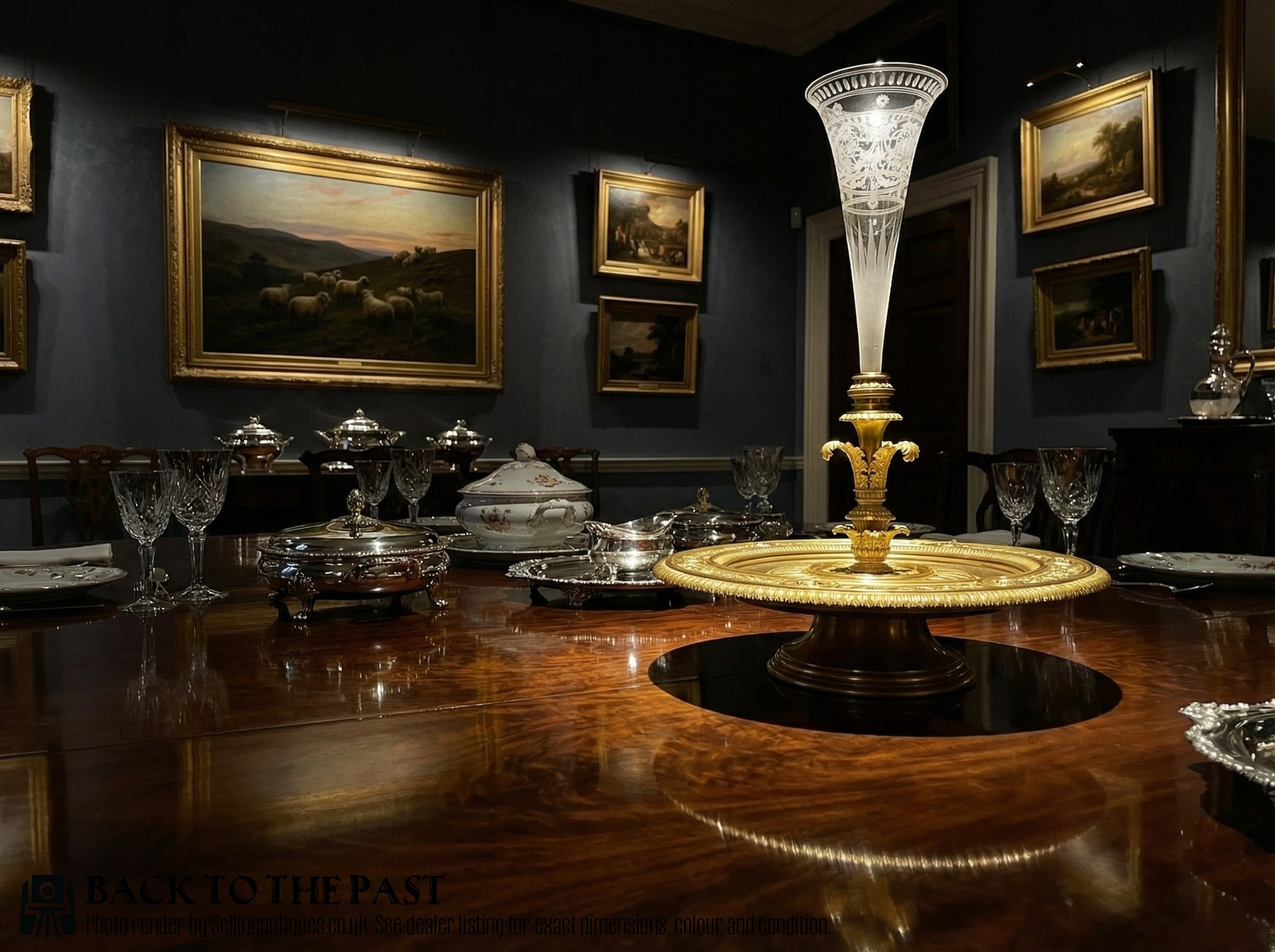
An antique glass epergne serves as a formal table centrepiece, designed to hold fruit, sweetmeats or cut flowers across multiple tiers and hanging baskets. When you search this phrase, you enter a field dominated by nineteenth century Victorian pieces, alongside Edwardian, Art Nouveau and Art Deco examples.
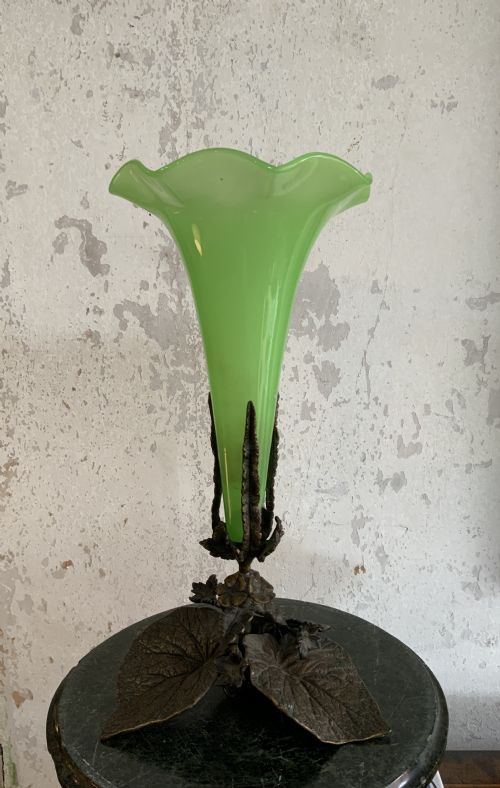
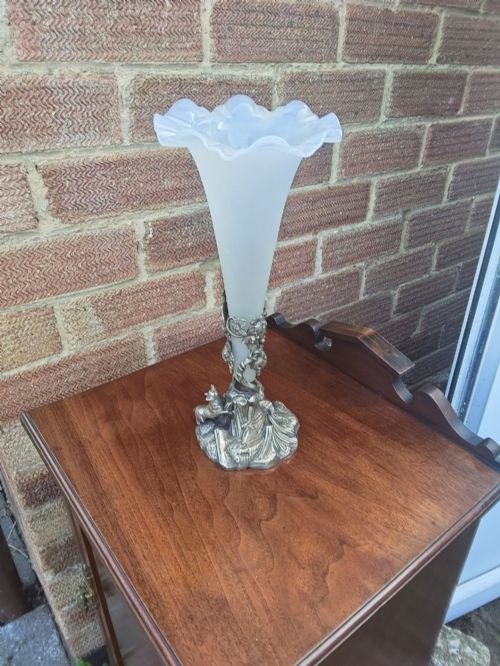
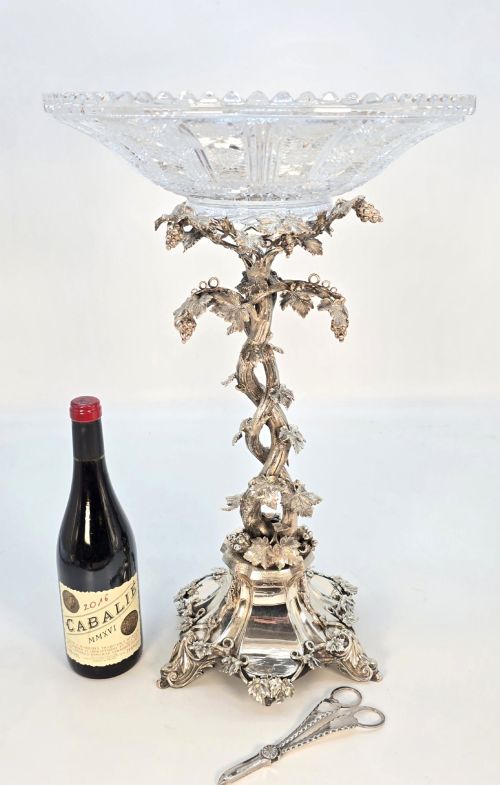
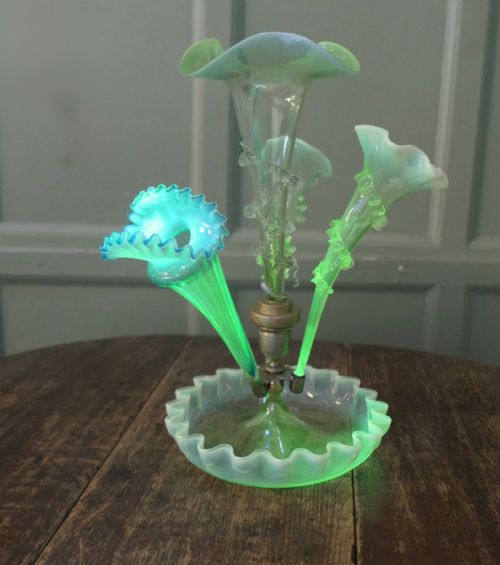
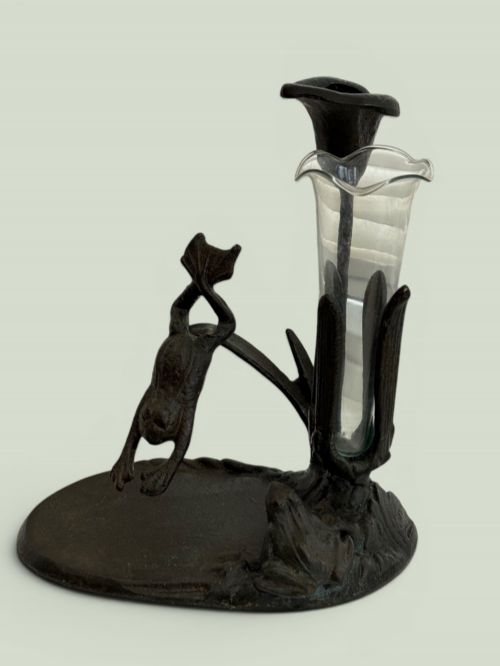
The form typically combines a central glass bowl with detachable trumpets, flutes and posy vases fitted into a metal framework of silver plate, brass or carved wood. Cranberry glass, vaseline glass, and clear cut crystal appear most frequently across these tables, often configured with a central lily vase surrounded by smaller hanging or standing horns.
Origins stretch from English workshops to French foundries and Black Forest carvers, producing everything from modest single trumpet posy holders to grand multi-tiered table centrepieces. Buyers encounter these primarily as decorative dining table ornaments that retain their original versatility for floral displays.
How they were made
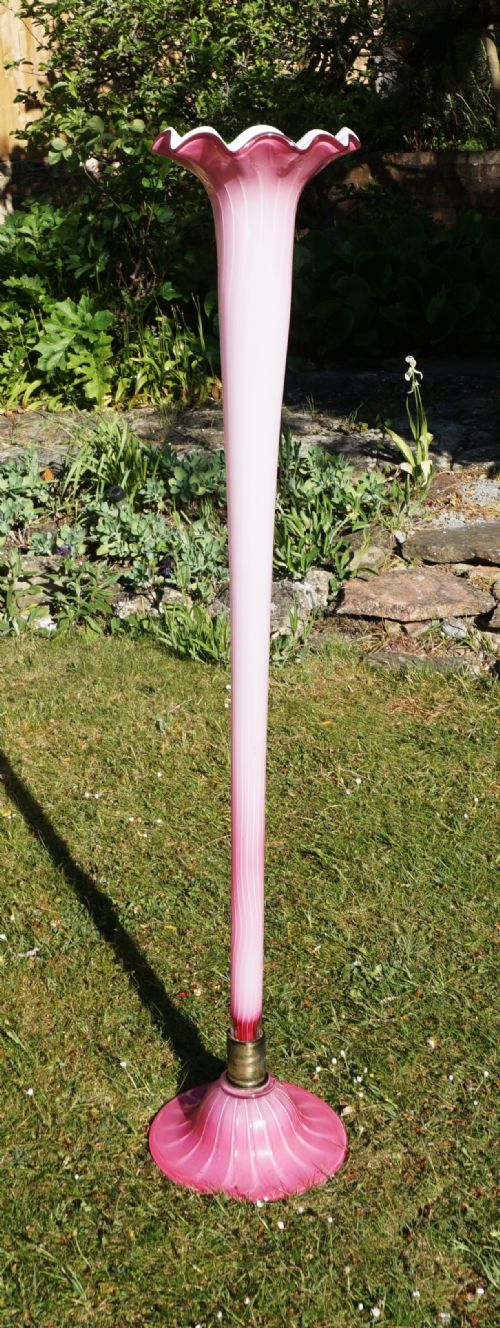
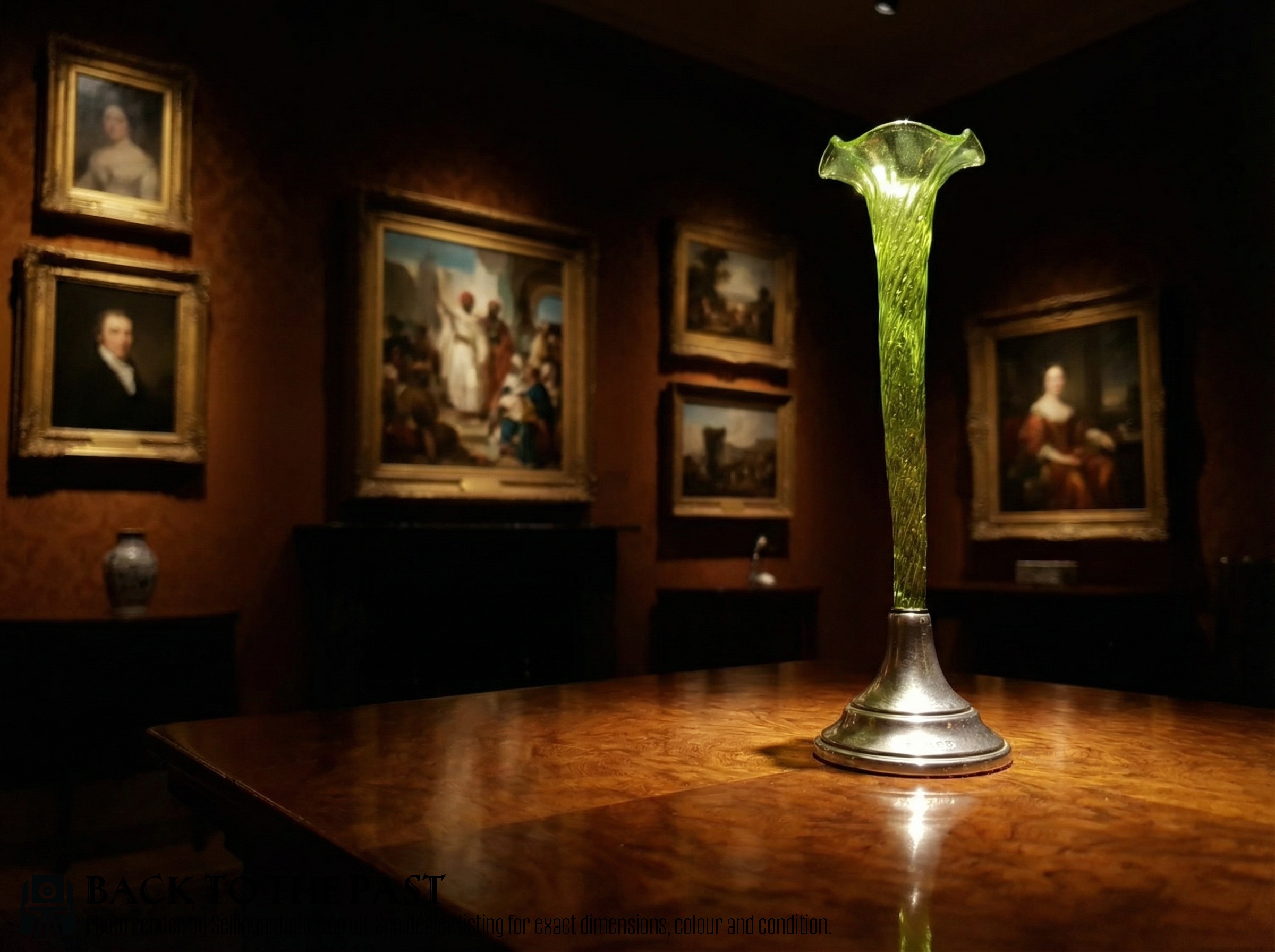
Glassmakers utilised free-blowing, mould-blowing and cased glass techniques to achieve deep cranberry, vaseline, ruby and opaline colourways, sometimes incorporating uranium content for a distinct reactive glow under ultraviolet light. Trumpet vases and jack-in-the-pulpit forms required skilled manipulation while hot, shaping the ruffled rims and delicate flutes by hand.
The supporting structures rely on silver plate, old Sheffield plate, gilt bronze, or carved wood, anchoring the heavy crystal bowls and securing the glass horns with fitted collars and screws. Metal components often feature chased foliage, cast mythological figures or nautical motifs, pairing industrial plating methods with traditional foundry work.
Etched and cut glass decoration provides the surface detail on many bowls and bases, using wheel-cutting and acid-etching to carve geometric or floral patterns into the clear or flashed crystal. This combination of hot glass forming and metal smithing produced modular arrangements designed for easy dismantling and cleaning.
Antique Glass Epergne Retail Price Guide 2026
Typical asking prices for glass epergne among the pieces listed under this phrase on Sellingantiques today, from the lower quarter to the upper quarter. They describe what is for sale here now, not the wider market.
Listings feature Victorian, Edwardian, and Art Deco periods, working in cranberry glass, vaseline glass, silver plate, and carved wood.
What varies in quality
Quality rests heavily on the completeness and integrity of the glass elements, as the detachable trumpets and hanging baskets are easily lost or mismatched over generations. The finest examples preserve their matching set of original blown horns, showing uniform colour saturation and hand-finished rims without modern replacements.
The weight and crispness of the metal framework separate standard production from superior exhibition pieces, where heavy silver plating over copper or finely chased gilt bronze supports massive crystal bowls. Maker attribution also elevates certain items, with documented workshops such as Walker & Hall or James Dixon providing tangible benchmarks for metalwork excellence.
Artistry in the glass itself distinguishes the work, seen in the depth of cased pink and white layers, complex jack-in-the-pulpit folds, and sharp wheel-cutting rather than simple pressed moulding. Balanced proportions between the height of the central trumpet and the width of the base dictate the visual success of the entire composition.
Walker & Hall·James Dixon
The Antique Glass Epergne Glossary
- Cranberry glass
- Transparent pinkish-red glass coloured with gold chloride. It became immensely popular during the Victorian period for tablewares and decorative ornaments.
- Vaseline glass
- Transparent or translucent yellow-green glass containing uranium dioxide. It displays a characteristic greenish fluorescence under ultraviolet light.
- Jack-in-the-pulpit
- A flared, ruffled glass vase shape resembling the arisaema plant. Makers formed this botanical silhouette by pulling and shaping the hot rim outward.
- Trumpet
- A conical, flaring glass vase used as the central or peripheral tier in a table centrepiece. These slide directly into metal mounts or rest inside dedicated collars.
- Silver plate
- A thin layer of silver fused or electroplated onto a base metal such as copper, brass or white metal. It allowed makers to produce luxurious tableware at a fraction of sterling silver costs.
Antique Glass Epergne: Frequently Asked Questions
How were epergnes used on the dining table?
These tall centrepieces held fresh flowers in their upper trumpets while serving fruit or sweetmeats from the wide base bowl below. They dominated the middle of the formal nineteenth-century dining table during dinner parties.
Hosts selected them to coordinate with seasonal blooms and tablescapes. The tiered design allowed diners to converse beneath or around the elevated glass horns.
Are the glass trumpets removable?
Most trumpets and hanging baskets lift straight out of the metal framework or unscrew from their mountings. This modular construction made cleaning the glass and transporting the heavy centrepiece much safer.
Buyers should check how the horns secure into the base. Original fittings often utilise cork rings or threaded metal collars to keep the glass stable.
How do I identify cranberry glass?
Cranberry glass displays a rich translucent pinkish-red hue derived from gold chloride used in the melting process. Victorian examples show subtle variations in tone resulting from hand-blown production.
Under bright light, genuine antique pieces exhibit characteristic tiny bubbles and striations within the metal. The colour should permeate the entire glass body rather than appearing as a surface flash.
Can I use an epergne for daily dining?
Living with these pieces requires careful placement away from heavy household traffic due to their height and delicate glass components. Many owners continue to use them for special dinners and seasonal floral arrangements.
Hand washing the glass elements in lukewarm water protects the antique material. Metal bases require dry dusting rather than harsh chemical polishes to preserve the original plating.