





Decorative Glass Centrepiece
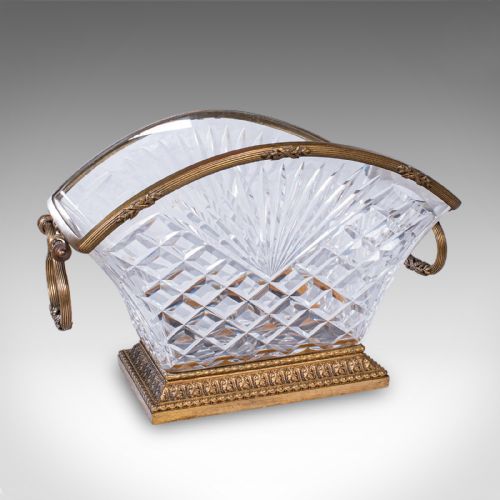
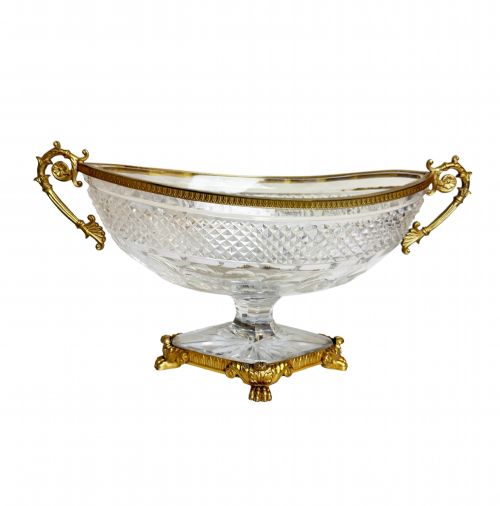
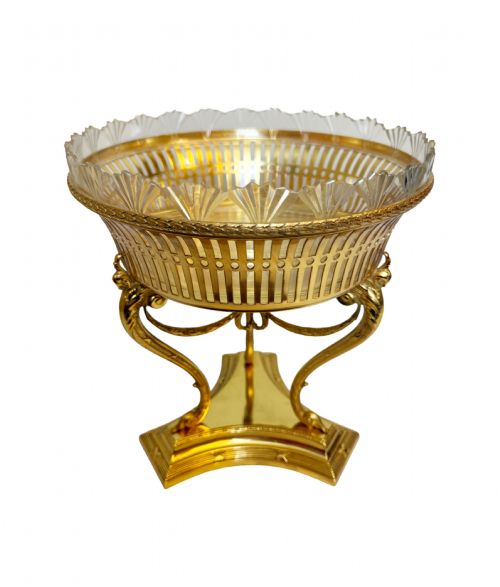
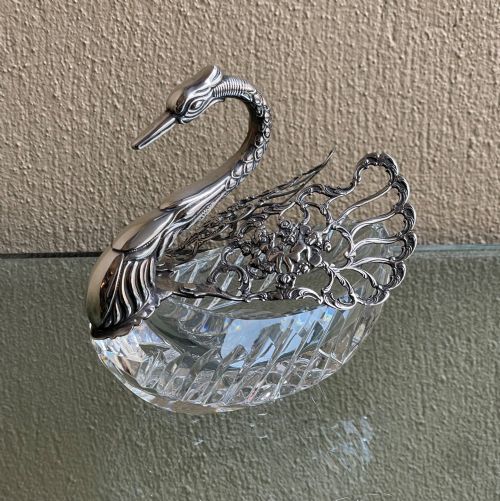
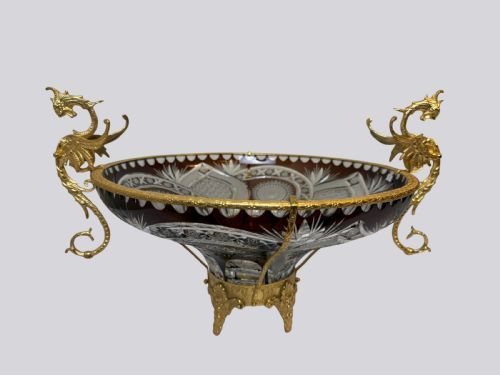
A decorative glass centrepiece brings substantial presence to a table, combining moulded or cut glass with mounts of gilt bronze, ormolu, and silver plate.
Decorative Glass Centrepiece
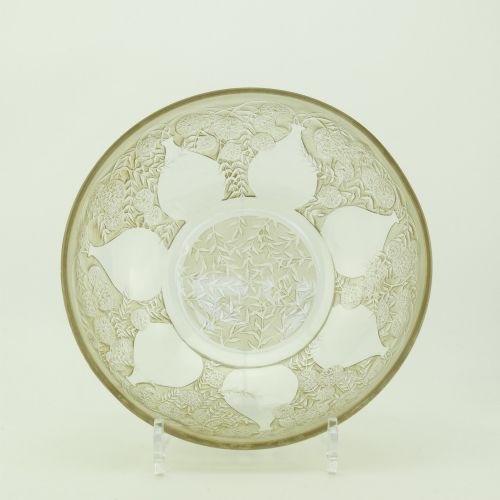
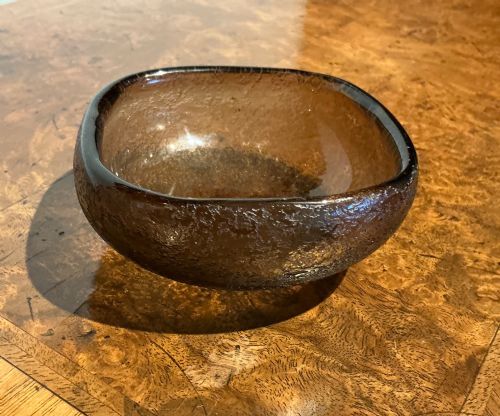
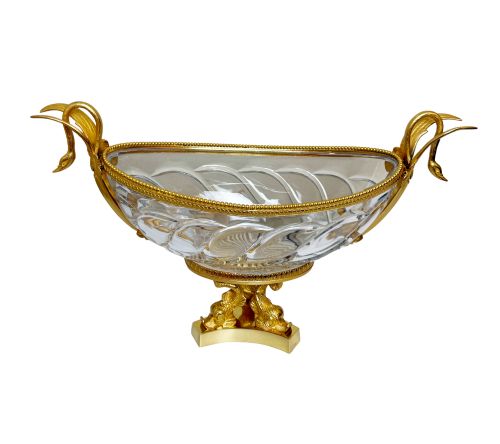
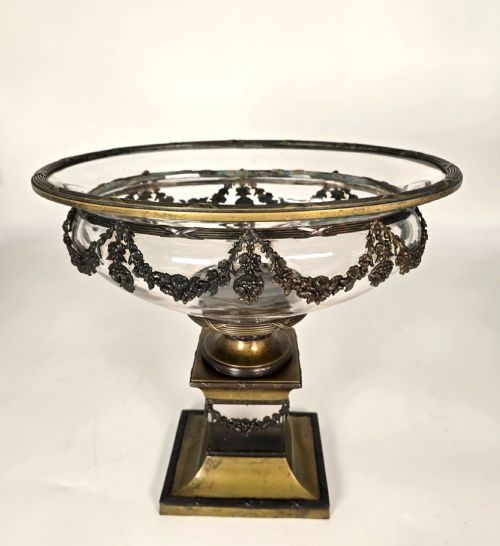
A decorative glass centrepiece serves as a focal point for a table or sideboard, taking the form of large bowls, shallow dishes, pedestals, and epergnes. Buyers looking for a decorative glass centrepiece encounter works ranging from Victorian cranberry glass and Edwardian cut crystal to substantial French empire style mountings in gilt bronze.
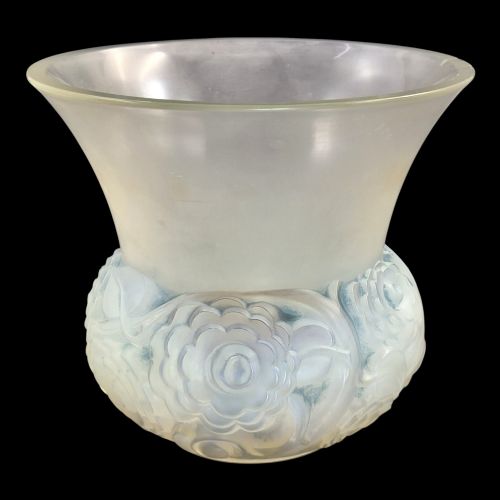
The selections span the nineteenth century through the art nouveau and art deco periods, with significant representation from makers working in the 1920s and 1930s. Forms vary from simple footed bowls to elaborate arrangements featuring mermen mounts, candelabra, and opalescent mouldings.
Vessels are frequently encountered with metal chassis or stands, combining glass bodies with ormolu, gilt brass, and silver plate. These pieces originate from French, English, Belgian, Italian, and Scottish workshops.
How They Were Made
Makers utilised techniques such as heavy crystal cutting, acid etching, and mould blowing to shape the glass bodies, often employing opalescent, iridescent, or overlaid colourways. Pâte de verre and layered glass methods allowed for dense coloration and textured relief decoration.
Metal components were cast in bronze, ormolu, and brass, then gilded or plated to support and frame the glass inserts. These metal mounts were secured with pins or screws, anchoring handles, ball feet, and pedestal bases to the central vessels.
Listings feature items spanning the Victorian era through the 1960s, encompassing cut crystal, opalescent glass, and gilt bronze mounts.
What Varies in Quality
The distinction between tiers rests upon the crispness of the glass moulding and the hand-chiselling of the bronze or ormolu mounts. Finer examples display deep, sharp wheel-cutting or precise relief details in opalescent glass, matched by cast metalwork with clean undercuts.
Material density and colour complexity separate standard production from exceptional works, particularly in iridescent and cameo pieces where chemical reactions during firing created unique optical depth. The integration between the glass insert and its metal chassis determines the overall harmony of the design.
Rene Lalique·Venini glass bowl·Val St. Lambert·Monart Glass·Loetz·Stuart·LCT Tiffany·BACCARAT
The Decorative Glass Centrepiece Glossary
- Ormolu
- A gilded brass or bronze application used for decorative mounts and stands. It provides a bright golden finish that frames the glass vessel.
- Opalescent Glass
- Glass that appears milky blue in transmitted light and amber or warm white in reflected light. This effect was heavily utilised during the art deco period.
- Epergne
- A large table centrepiece featuring a central bowl with multiple attached arms or trumpets for holding fruit, sweets, or flowers. Victorian examples frequently combine cranberry glass with silver plate.
- Pâte de verre
- A glass-casting method where finely crushed glass is mixed with a binder and fired in a kiln. This technique produces dense, softly textured objects with mottled colour.
- Table Lustre
- A candelabra or centrepiece hung with cut glass drops designed to reflect candlelight. These are often mounted in gilt brass and date to the nineteenth and early twentieth centuries.
Decorative Glass Centrepiece: Frequently Asked Questions
What is a decorative glass centrepiece used for?
These large vessels were historically placed in the middle of dining tables to display fruit, flowers, or sweetmeats during formal meals.
Today they function primarily as decorative table or sideboard focal points in domestic interiors.
How do I identify the period of a glass centrepiece?
Dating relies on stylistic markers such as the flowing organic lines of art nouveau or the geometric symmetry of art deco.
Examination of the metal mounts, casting quality, and signature marks helps narrow down the decade of production.
Are metal mounts original to the glass?
Most bronze, ormolu, and silver plated frames were designed specifically for the glass insert by the workshop or retailer.
Fit, patination, and mounting techniques indicate whether the components have remained together since manufacture.
How should I clean an antique glass centrepiece?
Dusting with a dry, soft cloth is generally sufficient for regular maintenance of both glass and gilt metal surfaces.
Harsh chemical immersion should be avoided, particularly on ormolu surfaces and delicate opalescent or iridescent glass treatments.