
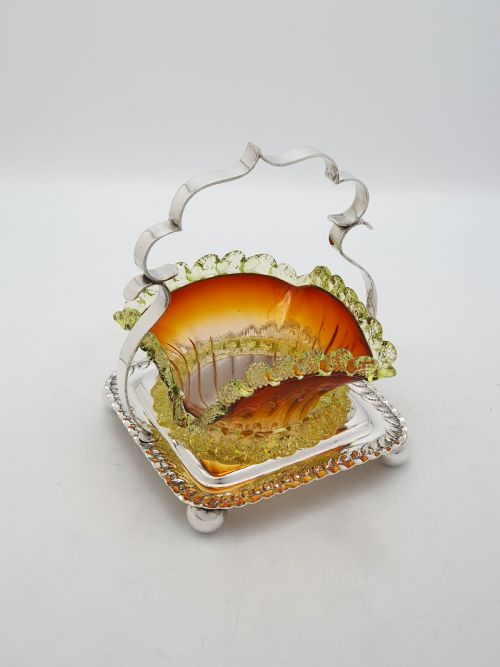


Victorian Glass Centrepiece
A victorian glass centrepiece anchors the formal dining table with colour, height, and gathered fruit or flowers.
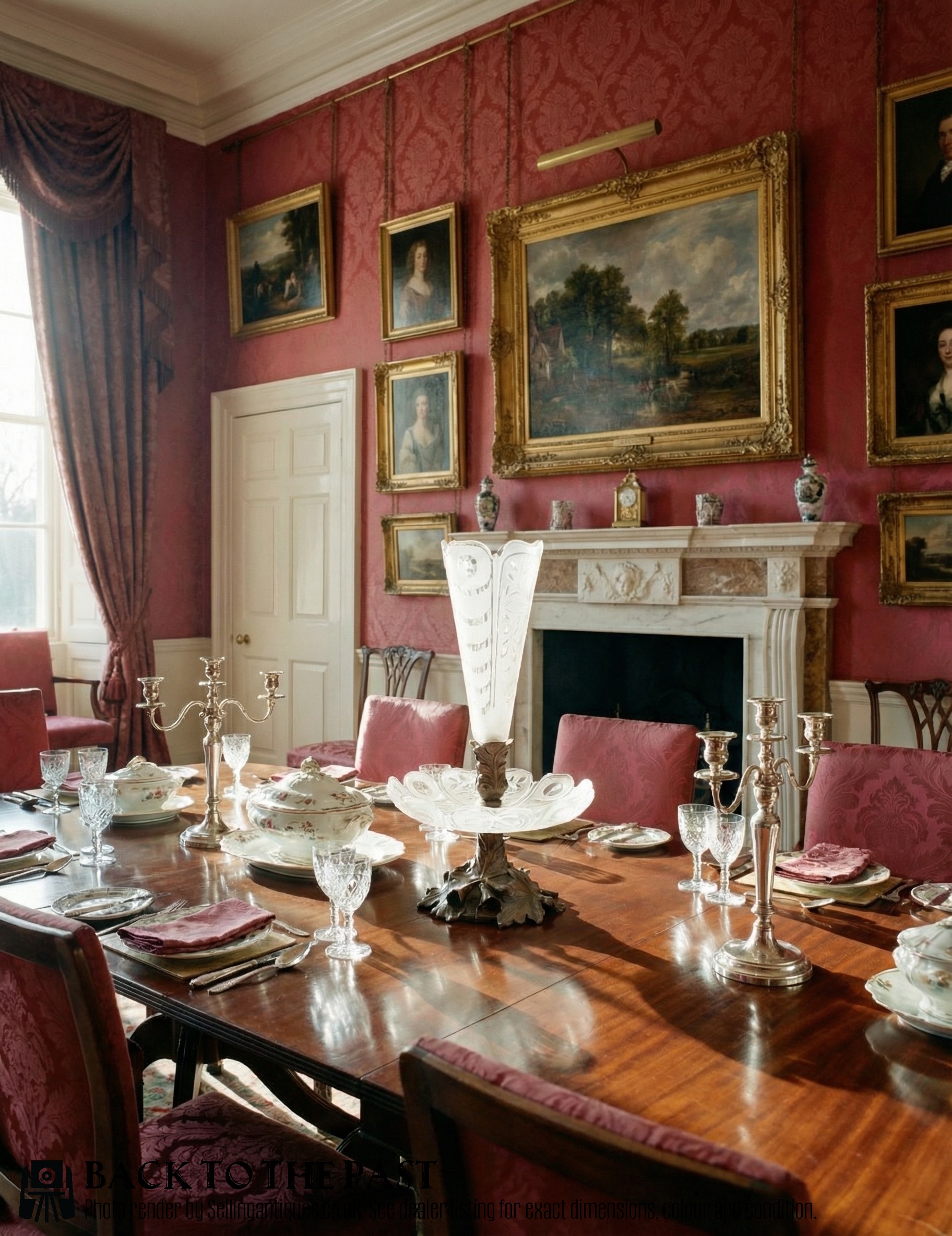
Victorian Glass Centrepiece
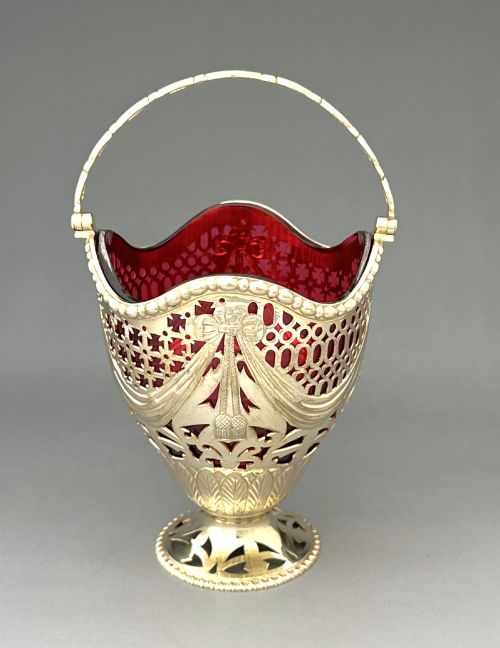
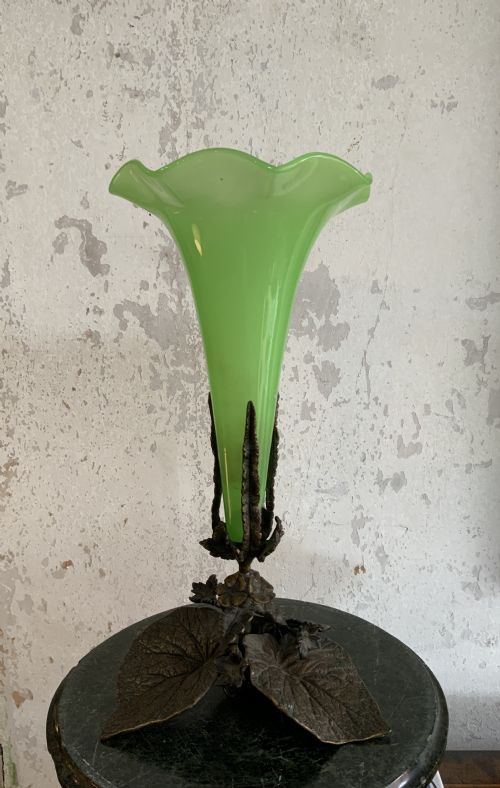
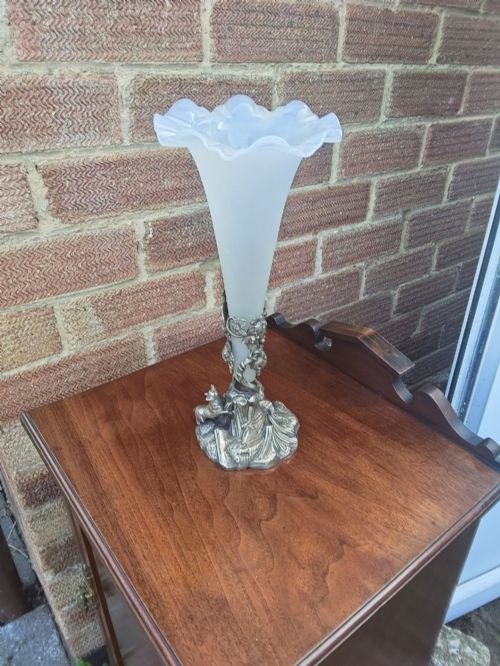
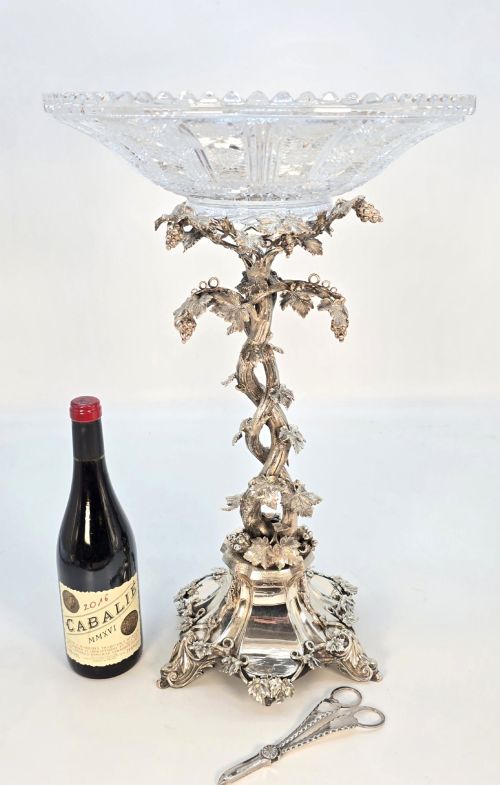
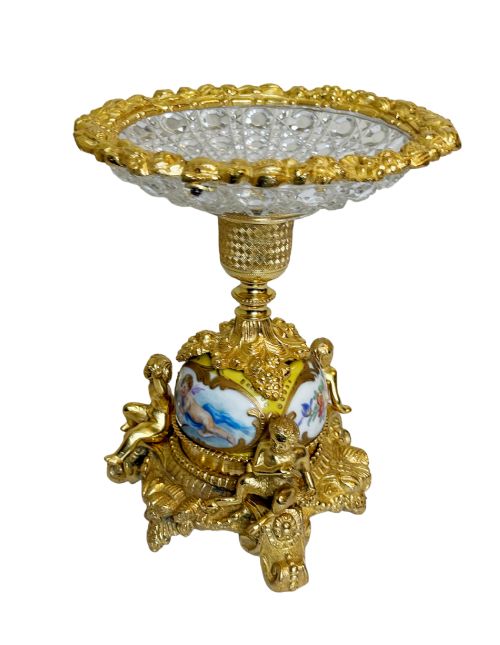
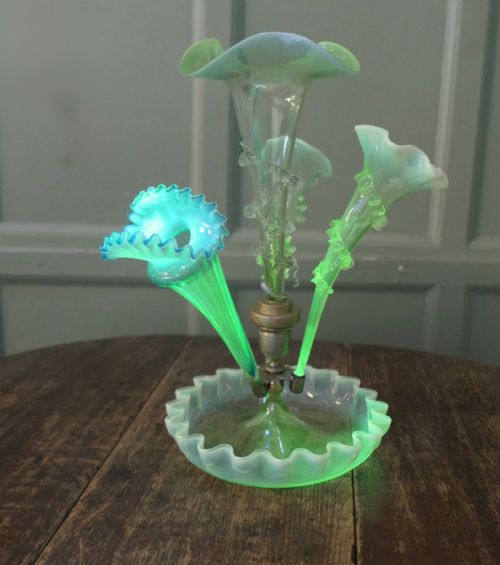
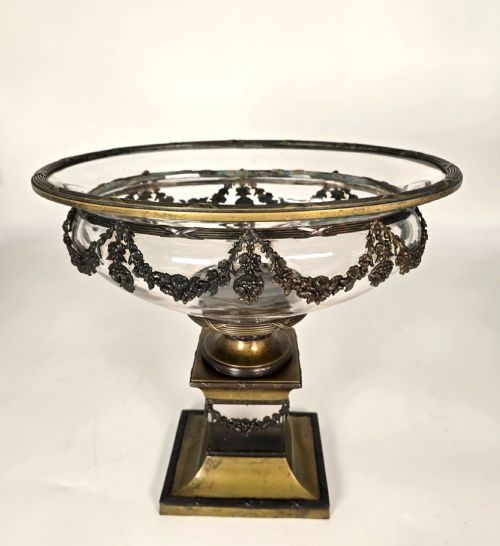
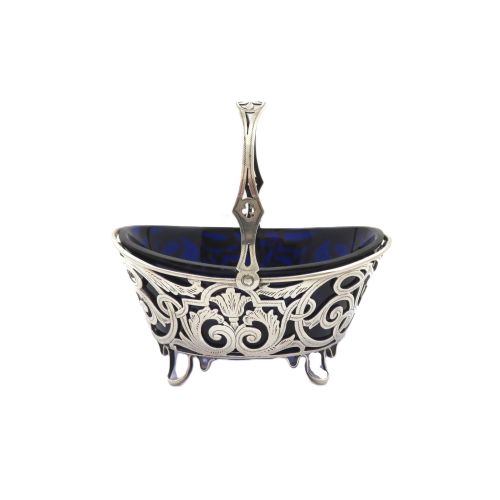
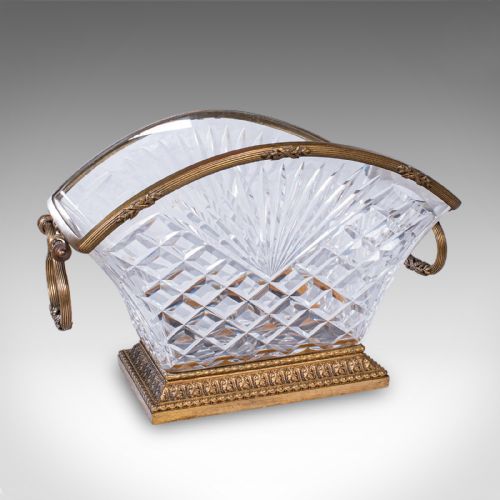
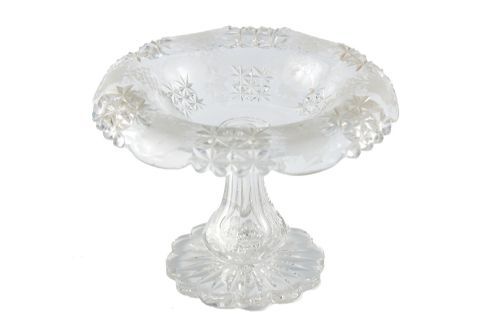
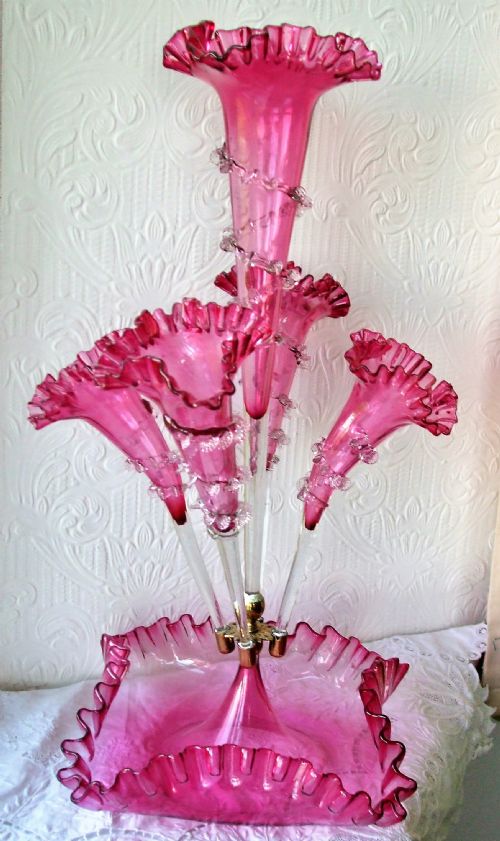
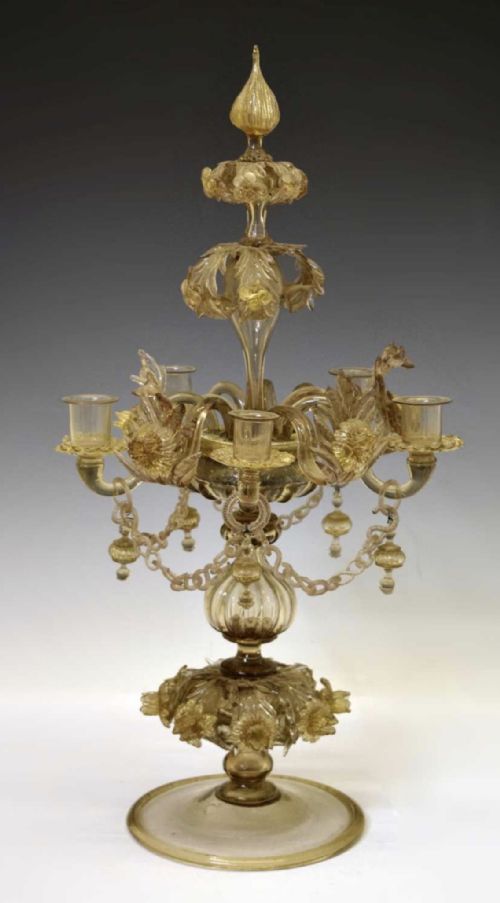
A victorian glass centrepiece brings together a moulded, cut, or hand-blown glass vessel with a metal stand or mount, designed to draw the eye at the middle of a dining table or sideboard. These decorative objects range from towering multi-trumpet epergnes to heavy pedestal bowls, comports, and baskets fitted with coloured liners.
The varieties most often encountered span the mid to late nineteenth century, frequently pairing clear or tinted glass with silver plate, gilt bronze, or brass frames. Pieces span simple etched glass bowls to complex constructions featuring hanging baskets and matching subsidiary vases.
Materials and construction
Makers combined heavy lead crystal, cut glass, and coloured glass wares such as cranberry, vaseline, and uranium types with cast and plated metals. Glass bodies were hand-blown, moulded, or wheel-cut, then paired with silver-plated frames, ormolu mounts, and carved wooden bases.
Metal mounts were cast, chased, and silver-plated or gilded, securing the glass components with collars, screws, or fitted galleries. Multi-part epergnes utilised central trumpets surrounded by smaller hanging baskets supported on delicate wire or cast metal arms.
Victorian Glass Centrepiece Retail Price Guide 2026
Typical asking prices for victorian glass centrepiece among the pieces listed under this phrase on Sellingantiques today, from the lower quarter to the upper quarter. They describe what is for sale here now, not the wider market.
Certain Victorian epergnes feature removable glass trumpets that chimed like small bells when a careless diner brushed the table too firmly.
Judging execution and finish
The distinction between ordinary and superior examples lies in the crispness of the glass cutting, the depth of hand-engraving, and the weight of the metal mount. Heavier silver plating, finely detailed casting on the bronze or brass bases, and complex colour saturation separate high-end pieces from standard production wares.
Proportion and structural integrity dictate value, where multi-trumpet epergnes retain all matching original flutes without replacement glass or repaired metal arms. The precision of the fit between glass liners and their metal frames reveals the care taken by the original maker.
Elkington & Co·Henry Wilkinson & Co·Deykin & Sons·Walker & Hall·Josiah Williams & Co·WMF
The Victorian Glass Centrepiece Glossary
- Epergne
- A large table centrepiece featuring a central bowl or trumpet surrounded by smaller branching arms, horns, or baskets for holding fruit, flowers, or sweetmeats. These multi-tiered structures dominate the centre of formal nineteenth-century dining tables.
- Cranberry Glass
- A rich red-pink transparent glass coloured with gold chloride during the melting process. It is frequently seen in Victorian tableware and epergne liners.
- Vaseline Glass
- A transparent or translucent yellow-green glass that contains uranium dioxide, creating a distinctive greenish-yellow colour. It glows brightly under ultraviolet light.
- Pedestal Bowl
- A raised vessel supported on a central foot or stem above a circular base. These are commonly encountered in heavy cut crystal or moulded glass.
- Silver Plate
- A base metal, such as copper, brass, or Britannia metal, coated with a thin layer of silver. Many nineteenth-century table pieces utilised this technique to achieve the appearance of solid silver at a lower cost.
Victorian Glass Centrepiece: Frequently Asked Questions
How were these centrepieces originally used?
These pieces served as the decorative focal point of formal dining tables during dessert courses or grand dinners. They held fresh fruit, flowers, sweetmeats, or small confectionery items.
The taller epergnes allowed flowers to be arranged at height so guests could converse beneath them across the table. Bowls and baskets were filled with seasonal fruits or elaborate floral displays.
Can I use these for daily dining?
These decorative objects remain functional for holding fruit or dried arrangements, but their age requires careful handling during use. Heavy crystal and delicate silver-plated mounts are vulnerable to knocks and drops.
Modern dishwashers and harsh cleaning agents must be avoided entirely to preserve the original surface finishes. Gentle hand-washing safeguards both the glass and the delicate metalwork.
How do I tell Victorian pieces from later copies?
Nineteenth-century glass often displays pontil marks on the base where the blowing iron was detached, along with minor hand-finished irregularities. Metal mounts on Victorian examples show heavier casting and genuine silver plating rather than modern flash coatings.
Maker's marks, registry diamonds, and traditional manufacturing techniques help anchor pieces to the period. The weight of the lead crystal and the depth of the hand-cutting also distinguish older work from twentieth-century reproductions.